
Banishing Gnats: Simple Steps to a Pest-Free Home
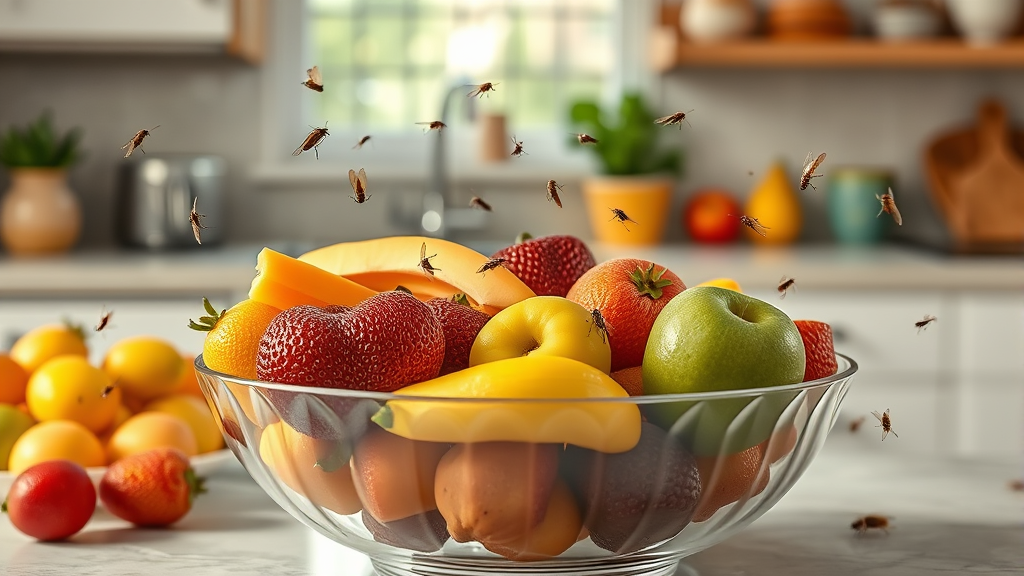
Gnats can quickly transform your peaceful home into a frustrating battleground. These tiny, persistent insects seem to appear out of nowhere, hovering around your face, clustering near windows, and making simple tasks like cooking or relaxing nearly impossible. Whether you’re dealing with fruit flies in your kitchen, fungus gnats around your houseplants, or drain flies emerging from your bathroom, understanding how to get rid of gnats in house environments is essential for maintaining a comfortable living space.
The good news is that gnat infestations are entirely manageable with the right approach and knowledge. These small flying insects are attracted to specific conditions in your home, including moisture, organic matter, and certain odors. By identifying the source of the problem and implementing targeted solutions, you can eliminate existing gnats and prevent future infestations from taking hold in your living spaces.
Understanding Different Types of Gnats
Before you can effectively eliminate gnats from your home, it’s crucial to understand what you’re dealing with. The term “gnat” actually encompasses several different species of small flying insects, each with unique behaviors, breeding habits, and preferred environments. Proper identification helps you choose the most effective elimination and prevention strategies.
Fruit flies are perhaps the most common household gnats, measuring about 1/8 inch long with red eyes and tan bodies. They’re attracted to ripening and fermenting fruits, vegetables, and sugary substances. These gnats can complete their life cycle from egg to adult in just 8-10 days under optimal conditions, which explains how populations can explode seemingly overnight.
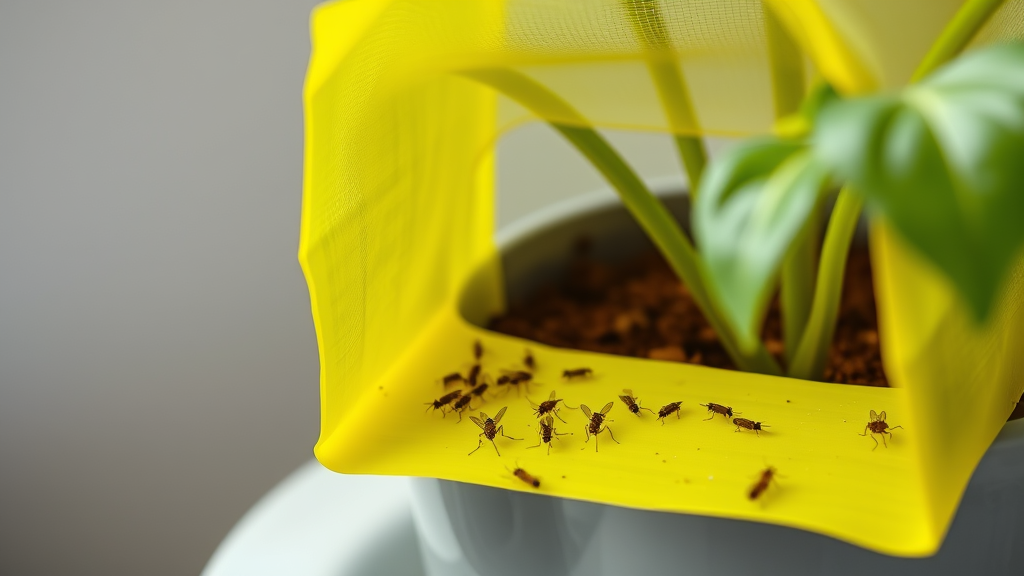
Fungus gnats are another frequent household pest, particularly problematic for plant enthusiasts. These dark-colored gnats with long legs are drawn to the moist soil of houseplants, where they lay their eggs. The larvae feed on organic matter in the soil and can damage plant roots if populations become too large.
Drain flies, also known as moth flies, emerge from the organic buildup in drains, sewers, and other moist areas. They have a fuzzy, moth-like appearance and are often seen near sinks, showers, and floor drains. Unlike other pest issues such as how to get rid of drain flies, these insects require specific attention to plumbing and drainage systems.
Identifying Common Gnat Sources in Your Home
Successfully eliminating gnats requires identifying and addressing their breeding sources. Gnats don’t simply appear randomly; they’re drawn to specific conditions that support their reproduction and survival. By conducting a thorough inspection of your home, you can locate these problem areas and target them effectively.
The kitchen is often ground zero for gnat infestations. Check for overripe fruits and vegetables, particularly bananas, apples, and tomatoes. Even small amounts of fruit residue on countertops, cutting boards, or inside garbage disposals can attract and sustain gnat populations. Don’t overlook less obvious sources like sticky spills around appliances, crumbs in toaster trays, or organic matter stuck in sink drains.
Houseplants create ideal breeding conditions for fungus gnats, especially when soil remains consistently moist. Overwatered plants, those with poor drainage, or pots sitting in standing water are particularly problematic. The organic potting mix provides food for gnat larvae, while the moisture creates perfect conditions for egg development and hatching.
Bathroom and laundry areas often harbor drain flies due to organic buildup in pipes and drains. Hair, soap residue, and other organic matter create a film inside drains where these gnats can breed. Similarly, areas around washing machines, particularly where moisture accumulates, can become breeding sites. Regular maintenance, including learning how to clean washing machine components properly, helps eliminate these moisture sources.
Other common sources include pet food dishes, recycling bins with unwashed containers, compost bins, and even damp areas around leaky pipes or poor ventilation. The EPA’s Integrated Pest Management principles emphasize the importance of source identification as the foundation of effective pest control.
Immediate Gnat Elimination Strategies
When facing an active gnat infestation, immediate action can provide quick relief while you implement longer-term solutions. These strategies focus on trapping existing adult gnats and disrupting their breeding cycle to prevent population growth.
Apple cider vinegar traps are among the most effective immediate solutions for fruit flies and many other gnat species. Fill a small bowl with apple cider vinegar and add a few drops of dish soap. The vinegar attracts the gnats, while the soap reduces surface tension, causing them to sink and drown. Place multiple traps near problem areas for maximum effectiveness.
Wine and beer traps work similarly to vinegar traps, using the fermented odors to lure gnats. Leave a small amount of wine or beer in the bottom of a bottle, creating a funnel trap that gnats can enter but cannot easily escape. These traps are particularly effective for fruit flies attracted to fermented substances.
Sticky traps provide another immediate solution, especially for fungus gnats around houseplants. Yellow sticky cards placed near affected plants will capture adult gnats, reducing the breeding population. Replace traps regularly as they become covered with insects to maintain effectiveness.
For drain flies, immediate action involves treating the breeding source directly. Pour boiling water down affected drains to kill larvae and eggs, followed by a mixture of baking soda and vinegar to help break down organic buildup. This approach addresses the problem at its source rather than just treating symptoms.

Natural and DIY Gnat Control Methods
Natural gnat control methods offer effective solutions without introducing harsh chemicals into your home environment. These approaches are particularly valuable for households with children, pets, or individuals with chemical sensitivities, while still providing powerful gnat elimination capabilities.
Essential oils serve as both repellents and elimination tools against various gnat species. Peppermint, eucalyptus, and lemon oils can be mixed with water in spray bottles and applied to affected areas. These oils interfere with gnats’ sensory systems while creating an environment they find inhospitable. For fungus gnats specifically, neem oil mixed into plant watering routines can eliminate larvae in soil while being safe for most plants.
Diatomaceous earth (food grade) provides a non-toxic solution for controlling fungus gnats in houseplant soil. This fine powder damages the exoskeletons of insect larvae and adults, leading to dehydration and death. Sprinkle a thin layer on top of plant soil and work it slightly into the surface. The treatment is harmless to plants and pets but deadly to gnats.
Hydrogen peroxide soil treatment effectively eliminates fungus gnat larvae while providing oxygen to plant roots. Mix one part 3% hydrogen peroxide with four parts water and use this solution to water affected plants. The peroxide kills larvae on contact and breaks down harmlessly into water and oxygen, making it safe for regular use.
Cinnamon powder acts as a natural fungicide and gnat deterrent around houseplants. Sprinkle ground cinnamon on soil surfaces to create an environment hostile to fungus gnat development. The antimicrobial properties of cinnamon help prevent the fungal growth that attracts these pests while adding a pleasant scent to your plant areas.
According to research from Colorado State University Extension, these natural methods can be highly effective when applied consistently and combined with proper sanitation practices.
Long-term Prevention Strategies
Preventing gnat infestations requires creating an environment that doesn’t support their reproduction and survival. Long-term success depends on maintaining proper sanitation, controlling moisture levels, and eliminating food sources that attract these persistent insects.
Kitchen sanitation forms the cornerstone of gnat prevention. Store ripe fruits in the refrigerator rather than on countertops, and dispose of overripe produce promptly. Clean up spills immediately, particularly sugary substances that attract fruit flies. Regularly clean appliances, including learning how to clean a dishwasher thoroughly to eliminate food particles that might attract gnats.
Proper plant care prevents fungus gnat problems before they start. Allow soil to dry between waterings, ensure pots have adequate drainage, and remove dead plant material promptly. Consider using well-draining potting mixes and avoid over-fertilizing, which can create conditions favorable to fungus gnat development. Bottom watering techniques can help keep soil surfaces drier, making them less attractive to egg-laying females.
Drain maintenance prevents the organic buildup that supports drain fly populations. Weekly treatments with baking soda and vinegar, followed by hot water, help keep drains clean and free of the biofilm where these gnats breed. Install drain covers to catch hair and debris before they accumulate in pipes.
Moisture control throughout your home eliminates the conditions gnats need for survival. Use exhaust fans in bathrooms and kitchens, fix leaky pipes promptly, and ensure proper ventilation in areas prone to humidity. Dehumidifiers can be valuable in particularly moist environments, keeping humidity levels below the range preferred by most gnat species.
Unlike dealing with other household pests such as how to get rid of ants or how to get rid of carpenter ants, gnat prevention focuses heavily on environmental modification rather than barrier treatments.
When to Consider Professional Pest Control
While most gnat problems can be resolved through DIY methods, certain situations warrant professional intervention. Understanding when to seek expert help can save time, money, and frustration while ensuring effective long-term resolution of persistent infestations.
Large-scale infestations that don’t respond to multiple treatment attempts may indicate underlying issues requiring professional assessment. If gnats continue appearing despite eliminating obvious sources and implementing various control methods, the problem might involve hidden breeding sites, structural issues, or species requiring specialized treatment approaches.
Professional pest control becomes valuable when dealing with simultaneous multiple pest issues. If your home has gnats alongside other insects like how to get rid of carpenter bees or other structural pests, a comprehensive professional treatment plan can address all issues efficiently.
Recurring infestations despite preventive measures suggest the need for professional inspection. Experienced technicians can identify subtle environmental factors or structural problems contributing to ongoing gnat issues. They may discover moisture problems, hidden organic matter accumulation, or ventilation issues that aren’t obvious to homeowners.
Health concerns or severe allergic reactions to gnat bites or presence warrant immediate professional attention. Some individuals experience significant reactions to certain gnat species, making quick, thorough elimination essential for health and comfort.
The CDC’s guidance on integrated pest management emphasizes that professional services should complement, not replace, good sanitation and prevention practices.
Frequently Asked Questions
How long does it take to completely eliminate gnats from a house?
Complete gnat elimination typically takes 1-3 weeks with consistent treatment and prevention measures. The timeline depends on the species involved, severity of infestation, and how thoroughly you address breeding sources. Fruit flies may be eliminated within a week, while fungus gnats can take 2-3 weeks due to their longer life cycle in plant soil.
Why do gnats keep coming back even after treatment?
Gnats return when breeding sources aren’t completely eliminated or new sources develop. Common overlooked sources include hidden organic matter in drains, moisture accumulation in unexpected areas, or continuous introduction of new breeding materials like overripe produce. Successful elimination requires identifying and addressing all potential breeding sites.
Are store-bought gnat sprays effective for home use?
Commercial gnat sprays can provide temporary relief by killing visible adults but don’t address breeding sources. These products work best as part of a comprehensive approach that includes traps, source elimination, and prevention measures. Sprays alone rarely provide long-term solutions to gnat infestations.
Can gnats cause health problems or damage to plants?
Most gnats are primarily nuisance pests, but some species can cause problems. Fungus gnats can damage plant roots when larvae populations become large, potentially stunting growth or killing small plants. While gnats generally don’t transmit diseases to humans, they can contaminate food surfaces and cause allergic reactions in sensitive individuals.
What’s the difference between gnats and fruit flies?
Fruit flies are actually a type of gnat, specifically attracted to fermenting organic matter like overripe fruits. The term “gnat” encompasses various small flying insects including fruit flies, fungus gnats, and drain flies. Proper identification helps determine the most effective treatment approach for your specific situation.
Do gnats bite humans or pets?
Most indoor gnats don’t bite humans or pets. Fruit flies, fungus gnats, and drain flies are primarily interested in organic matter and moisture rather than blood meals. However, some outdoor gnat species do bite, so if you’re experiencing bites, the insects may be entering from outside or you might be dealing with a different pest entirely.
How can I prevent gnats when I have many houseplants?
Plant-heavy homes can prevent fungus gnats through proper watering techniques, using well-draining soil, and allowing soil surfaces to dry between waterings. Bottom watering, adding sand or perlite to soil surfaces, and using sticky traps near plants help control populations. Quarantine new plants for several weeks to prevent introducing gnats to your collection.

Related Posts

How Long to Boil Lobster Tails: Cooking Guide

How Long to Fly from New York to London? Travel Times
