

Eliminate German Cockroaches: Expert Tips Inside
How to Get Rid of German Cockroaches: Expert Tips Inside
German cockroaches are among the most persistent and troublesome household pests, capable of infesting even the cleanest homes. Unlike their larger cousins, German cockroaches are small, fast-moving, and reproduce rapidly, making them particularly challenging to eliminate. These resilient insects can survive in tight spaces behind appliances, inside walls, and under sinks, where they thrive in warm, humid environments. If you’ve spotted even a single German cockroach in your home, swift action is essential because a small problem can quickly escalate into a full-blown infestation.
The good news is that with the right combination of prevention strategies, cleaning techniques, and targeted treatments, you can successfully eliminate German cockroaches from your home. This comprehensive guide will walk you through proven methods used by pest control professionals, helping you regain control of your living space. Whether you’re dealing with your first sighting or a persistent problem, these expert-backed strategies will provide the knowledge you need to tackle this common household challenge effectively.
Understanding German Cockroaches
German cockroaches are distinctive from other cockroach species due to their smaller size, typically measuring between half an inch to five-eighths of an inch in length. They are tan or light brown in color with two dark stripes running down their backs, making them relatively easy to identify compared to other roach species. What makes German cockroaches particularly problematic is their rapid reproduction cycle—a single female can produce hundreds of offspring within just a few months, leading to exponential population growth if left unchecked.
These insects are attracted to warm, moist environments and require minimal space to hide and breed. They are primarily nocturnal, meaning they’re most active during nighttime hours, which is why many homeowners don’t realize they have an infestation until it has become quite severe. German cockroaches are omnivorous scavengers that feed on virtually anything organic, including food crumbs, grease, soap, and even paper products. Understanding their behavior and biology is crucial for developing an effective elimination strategy.
The reason German cockroaches are so difficult to control is their ability to adapt quickly to environmental changes and develop resistance to pesticides. They also communicate with one another through pheromones, allowing them to share information about food sources and safe hiding places. This collective intelligence makes them one of the most resilient household pests you’ll encounter. Being aware of these characteristics will help you appreciate why a multi-pronged approach is necessary for successful elimination.
Signs of Infestation
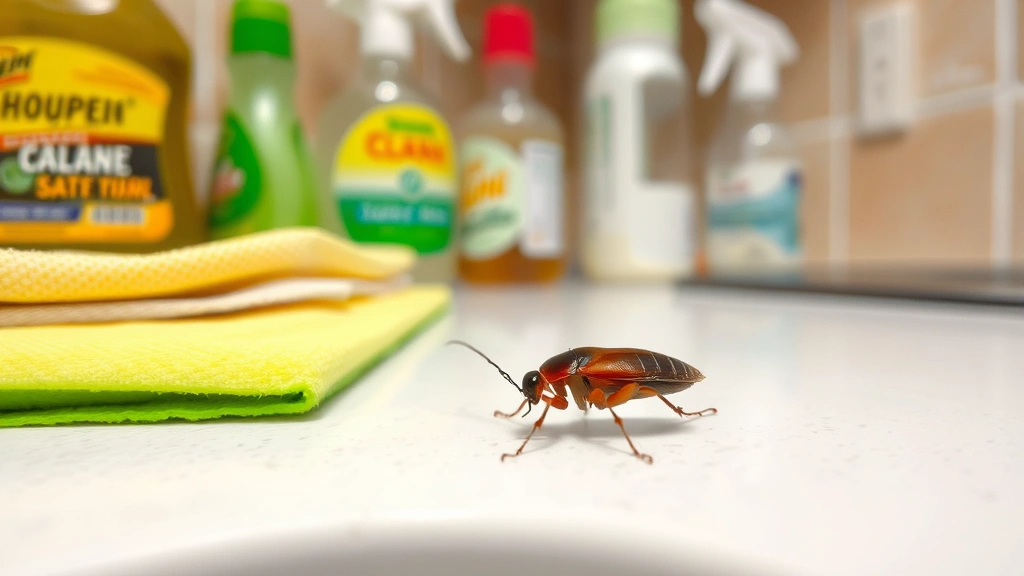
Early detection is critical when dealing with German cockroaches because infestations can explode exponentially in a short period. The first sign most homeowners notice is actually seeing a roach scurrying across a surface, particularly in the kitchen or bathroom. However, there are other telltale indicators that warrant investigation even if you haven’t spotted a live insect. Look for small, dark droppings that resemble coffee grounds or black pepper scattered near baseboards, under sinks, or behind appliances. These fecal pellets are a definitive sign of cockroach activity.
Another important indicator is the presence of egg cases, known as oothecae. These are small, brown, capsule-shaped structures approximately one-quarter inch long that contain multiple eggs. You may find these cases stuck to surfaces with a tar-like substance in hidden areas like cabinet interiors or behind refrigerators. Additionally, if you notice a musty, unpleasant odor in certain areas of your home—particularly kitchens and bathrooms—this could indicate a significant roach population, as they produce pheromones that create this distinctive smell.
Some homeowners report hearing faint rustling sounds in walls or cabinets late at night, which can indicate active cockroach movement. If you suspect an infestation, place sticky traps in suspected problem areas to monitor activity and confirm the presence of German cockroaches. This will also help you identify where the population is concentrated, allowing you to target your treatment efforts more effectively. Early action when you notice these signs can prevent a minor issue from becoming a major infestation requiring professional intervention.
” alt=”Close-up view of German cockroach on kitchen counter with cleaning supplies nearby”>
Eliminate Food Sources and Water
The foundation of any successful cockroach elimination strategy is removing the resources that allow them to thrive. German cockroaches need three things to survive: food, water, and shelter. By eliminating the first two, you make your home an inhospitable environment that forces them to either leave or starve. Start by implementing rigorous kitchen cleaning practices, as this is typically where cockroaches find their most abundant food sources. Clean up all food crumbs and spills immediately, never leaving dirty dishes in the sink overnight, and store all food in airtight containers rather than boxes or bags.
Pay special attention to areas that often accumulate grease and food debris, such as behind and under the stove, microwave, and refrigerator. These appliances generate heat and moisture while trapping food particles—creating the perfect environment for cockroaches. If possible, pull out these appliances and clean thoroughly underneath and behind them at least monthly. Don’t forget about less obvious food sources like pet food bowls left out overnight, crumbs in toaster ovens, and grease buildup on stovetops. Even small amounts of food residue can sustain a cockroach population.
Water elimination is equally important because German cockroaches can survive weeks without food but only days without water. Fix any leaking pipes, dripping faucets, or slow drains immediately, as these provide essential hydration for roaches. Wipe down sinks and countertops before bed to remove any standing water. In bathrooms, keep areas under sinks dry and address any moisture problems immediately. Consider using a dehumidifier in particularly damp areas like basements or bathrooms. When you clean your coffee maker regularly, you’ll also eliminate potential water sources and food debris that attract cockroaches. By combining food elimination with water removal, you create an environment where German cockroaches cannot sustain themselves.
Seal Entry Points and Cracks
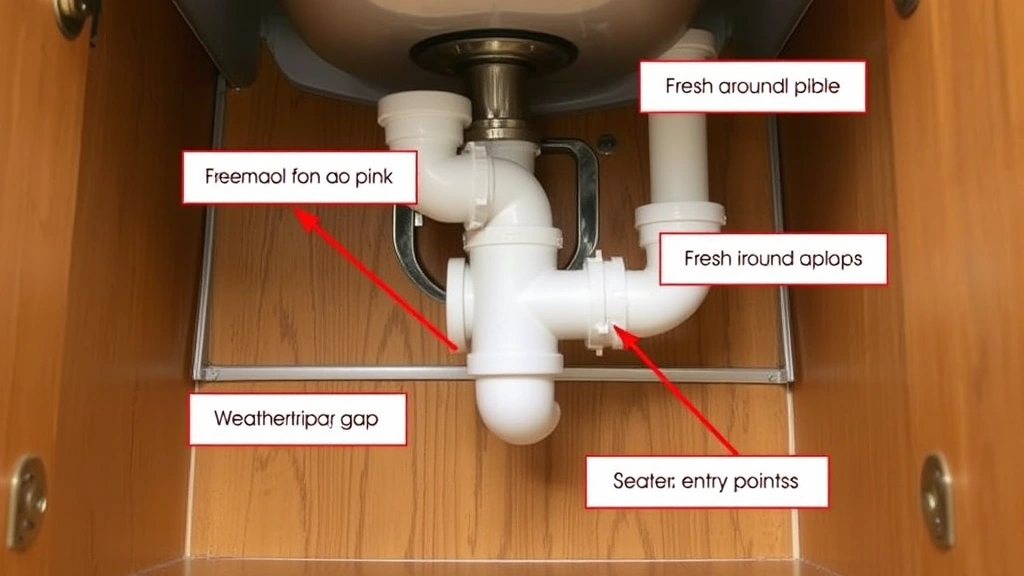
German cockroaches are incredibly small and can squeeze through cracks and crevices as thin as a dime. Once you’ve made your home less appealing through cleaning and moisture control, the next step is to physically prevent cockroaches from accessing hiding places where they breed and lay eggs. Begin by inspecting your entire kitchen and bathroom thoroughly, looking for any gaps, cracks, or holes where roaches might hide or enter from outside. Use a caulking gun to seal cracks around baseboards, along countertops, and around pipes that penetrate walls.
Pay particular attention to areas where utilities enter your home, as these are common entry points for cockroaches. Seal gaps around water pipes, electrical conduits, and gas lines using expanding foam or silicone caulk. Don’t overlook the space behind and under kitchen cabinets, as cockroaches love to hide in these dark, undisturbed areas. If you need help with wall repairs after sealing, learn how to fix holes in the wall to ensure your home is completely sealed.
Examine appliances like dishwashers, ovens, and microwaves for gaps where roaches can hide. Many of these appliances have openings where pipes and electrical connections enter, creating perfect hiding spots. Use foam insulation or weather stripping to seal these gaps. Additionally, check window and door frames for gaps and install or repair weather stripping as needed. While this might seem like a lot of work, sealing entry points and hiding places is essential because it eliminates the shelter that allows cockroaches to establish populations. Combined with your cleaning and moisture control efforts, this approach significantly increases the effectiveness of any chemical treatments you apply.
” alt=”Interior view of sealed cabinet under sink with caulk and weatherstripping visible”>
Chemical Treatment Options
Once you’ve eliminated food sources, water, and hiding places, chemical treatments can be highly effective in eliminating remaining German cockroaches. There are several types of products available, each with different application methods and effectiveness levels. Gel baits are among the most popular and effective options for homeowners because they’re easy to apply and don’t require mixing. These baits contain slow-acting insecticides that allow cockroaches to consume the poison and return to their hiding places before dying, where they may be consumed by other roaches, spreading the poison throughout the population.
Place gel baits in areas where you’ve observed cockroach activity or where you suspect they hide, such as under sinks, behind appliances, in cabinet corners, and along baseboards. Most gel baits remain effective for several weeks, and you should replace them regularly as they dry out or are consumed. According to This Old House, gel baits are often preferred because they pose minimal risk to pets and children when used correctly. Always follow label instructions carefully and keep baits away from areas where children and pets can access them.
Insecticide sprays and dusts are another option, though they’re generally less effective than gel baits for German cockroach control. Dusts like diatomaceous earth work by damaging the cockroach’s exoskeleton, causing dehydration. Food-grade diatomaceous earth is safe for use around pets and children, making it an appealing option for many homeowners. However, it only works on roaches that directly contact it, so placement is crucial. Apply dusts in thin layers in areas where roaches travel, such as along baseboards and under appliances.
Insect growth regulators (IGRs) are sophisticated chemical treatments that prevent cockroach nymphs from developing into adults, effectively breaking the reproduction cycle. These products work slowly but can be very effective when combined with other methods. Some IGRs come in aerosol form, while others are available as baits or sprays. According to Family Handyman, combining IGRs with gel baits often produces better results than using either product alone.
When using any chemical treatment, rotation is important because German cockroaches can develop resistance to specific active ingredients. If you’re not seeing results after four to six weeks, switch to a product with a different active ingredient. Always read and follow all label instructions, wear appropriate protective equipment, and ensure proper ventilation when applying chemical treatments. Keep detailed records of what you’ve applied and when to avoid using the same product too frequently.
Natural and Non-Toxic Solutions
If you prefer to avoid synthetic chemicals, several natural methods can help control German cockroach populations. Diatomaceous earth, mentioned previously, is a naturally occurring substance that’s safe for use around families and pets when food-grade quality is used. This powdery substance damages the protective waxy coating on cockroach exoskeletons, causing them to dehydrate. Apply it in thin layers in areas where roaches travel, but be aware that it loses effectiveness when wet, so reapplication after cleaning or in humid areas is necessary.
Boric acid is another natural option that has been used for decades to control cockroaches. This powder works by interfering with the insect’s metabolism and damaging its nervous system. Apply boric acid in light dusting patterns along baseboards, under appliances, and in cabinet corners. However, boric acid is toxic if ingested, so it must be kept away from children and pets. Never use boric acid in areas where food is prepared or where pets and children can easily access it.
Essential oils like peppermint, eucalyptus, and tea tree oil have shown some promise in repelling cockroaches, though they’re not as effective as other methods for elimination. These oils can be mixed with water and sprayed around entry points and hiding areas as a supplementary measure. The strong odors may deter some roaches, but they won’t eliminate an established population. Use essential oil sprays in combination with other elimination methods for best results.
Sticky traps are an excellent non-toxic monitoring tool and can help capture some roaches, though they won’t eliminate an infestation on their own. These traps help you identify where cockroaches are concentrated and monitor whether your elimination efforts are working. Place them along walls, under appliances, and in corners where roaches are likely to travel. Check traps regularly and replace them when they become full or lose their stickiness.
For those interested in complementary household maintenance, similar attention to detail applies when you make French press coffee—keeping your kitchen scrupulously clean prevents pest attraction. Natural solutions work best as part of a comprehensive approach that includes cleaning, sealing, and moisture control rather than as standalone treatments.
Professional Pest Control
If your German cockroach infestation is severe, widespread, or not responding to your DIY efforts after several weeks, it’s time to call professional pest control services. Pest control professionals have access to more powerful treatments and specialized equipment that aren’t available to homeowners. They can also identify hidden infestation sites that you might miss and develop a comprehensive treatment plan tailored to your specific situation. Professional exterminators typically use a combination of gel baits, IGRs, and targeted spraying to eliminate cockroaches more quickly and effectively than homeowners can achieve alone.
When hiring a pest control company, ask about their experience with German cockroach infestations specifically, as this species requires different approaches than other cockroach types. Request information about the products they use, including safety data and application methods. Many reputable companies offer warranties on their work, guaranteeing that they’ll return for follow-up treatments if the problem isn’t completely resolved. Check online reviews and ask for references before hiring, and always verify that the company is licensed and insured.
Professional treatments typically require multiple visits over several weeks or months because of the German cockroach’s life cycle and the need to eliminate all developmental stages. Expect to pay more for professional services than DIY methods, but the faster, more complete elimination often justifies the cost. During professional treatment, you’ll typically need to vacate your home for a few hours, and the pest control company will provide specific instructions about cleaning and preparation. For additional pest management information, visit EPA pesticide resources to understand safety guidelines and regulations.
FAQ
How long does it take to get rid of German cockroaches?
The timeline for eliminating German cockroaches depends on the severity of your infestation and the methods you use. With consistent application of gel baits, sealing, and cleaning, you may see significant improvement within two to three weeks, though complete elimination typically takes four to eight weeks. Severe infestations may require two to three months of treatment. Professional pest control often achieves faster results, sometimes within four to six weeks.
Can German cockroaches survive in clean homes?
While German cockroaches strongly prefer dirty, cluttered environments, they can survive in clean homes if they have access to water, food sources, and shelter. Even the smallest food crumbs and minor water leaks can sustain a population. This is why eliminating these resources is so critical, even in naturally clean households.
Are German cockroaches dangerous to humans?
German cockroaches can pose health risks by contaminating food and surfaces with bacteria and allergens. They can also trigger asthma symptoms in sensitive individuals. Additionally, their feces and shed skins can accumulate and create allergenic dust. While they don’t bite or sting, their presence in your home is unsanitary and potentially harmful to your health.
What’s the difference between German cockroaches and other roach species?
German cockroaches are smaller (half to five-eighths inch) and lighter in color than American or Oriental cockroaches, which are much larger. German cockroaches also reproduce much faster and are more likely to infest homes, while larger species often prefer outdoor environments. If you’re dealing with other household pests like crickets, different elimination strategies apply.
Do I need to call a professional for German cockroaches?
Many German cockroach infestations can be controlled with diligent DIY efforts combining cleaning, sealing, and gel baits. However, if you don’t see significant improvement after four to six weeks of consistent treatment, or if the infestation is already severe, professional help is recommended. Professionals can eliminate infestations more quickly and ensure complete eradication.
Should I use bug bombs for German cockroaches?
Bug bombs (total release foggers) are generally not recommended for German cockroach control because they’re ineffective against this species. German cockroaches hide in deep crevices where fog cannot penetrate, so they simply wait out the treatment and emerge afterward. Additionally, bug bombs pose unnecessary chemical exposure risks to your family and pets without providing the desired results.

Related Posts

Superscript in Google Docs: Expert Tips

Strikethrough in Excel: Easy Steps for Beginners
