
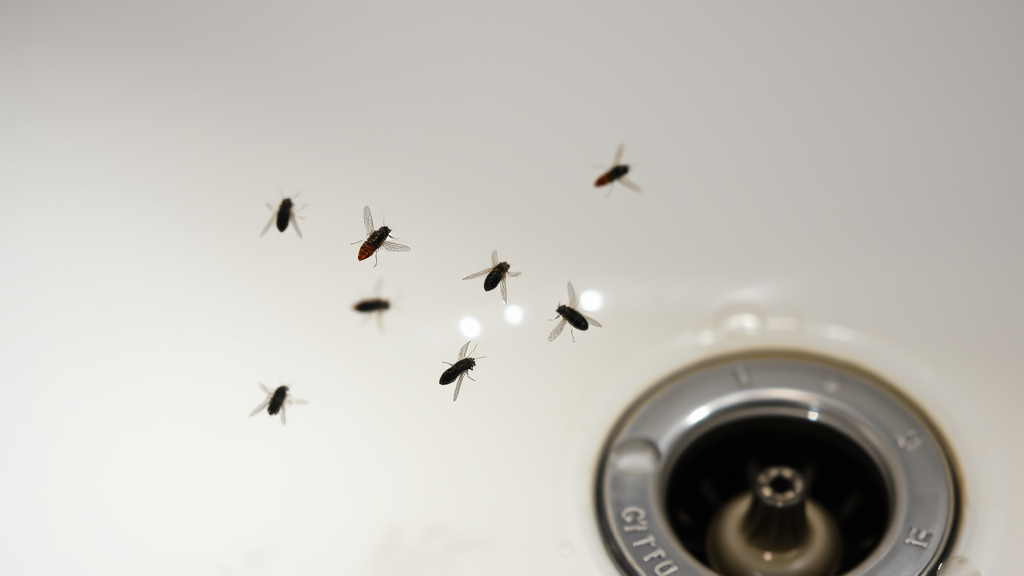
Eliminate Drain Flies Fast: Proven Tips for a Pest-Free Home
Drain flies, also known as sewer flies or moth flies, are tiny insects that can quickly become a major nuisance in your home. These small, fuzzy-winged pests thrive in moist environments and are commonly found hovering around drains, sinks, and other areas with standing water. While they don’t bite or cause direct harm to humans, their presence can be extremely annoying and may indicate underlying plumbing or hygiene issues that need attention.
Understanding how to get rid of drain flies effectively requires a combination of immediate elimination tactics and long-term prevention strategies. These persistent insects breed rapidly in organic matter found in drains, making it essential to address both the visible flies and their breeding grounds. With the right approach, you can eliminate these unwelcome guests and prevent future infestations from taking hold in your home.
Identifying Drain Flies and Their Breeding Grounds
Drain flies are small, dark-colored insects measuring about 1/8 inch in length with distinctive fuzzy wings that give them a moth-like appearance. Unlike other common household pests, these flies are poor fliers and tend to hop or crawl rather than fly smoothly. You’ll typically notice them resting on walls near sinks, showers, or floor drains, especially in bathrooms, kitchens, and basements.
The key to effective drain fly elimination lies in locating their breeding sites. These insects lay their eggs in the organic sludge that accumulates inside drain pipes, particularly in areas where soap scum, hair, food particles, and other debris create a nutrient-rich environment. Common breeding locations include bathroom sink drains, shower drains, floor drains, kitchen sinks, and even the overflow holes in sinks and bathtubs.
To identify the source of your drain fly problem, conduct a simple tape test. Place strips of clear tape over suspected drains overnight with the sticky side facing down. If drain flies are breeding in that location, you’ll find several flies stuck to the tape by morning. This method helps you target your treatment efforts to the most problematic areas.
Immediate Elimination Methods
Once you’ve identified the source of your drain fly infestation, begin with immediate elimination methods to reduce the adult fly population. Start by pouring boiling water down the affected drains to kill flies and flush out some of the organic matter they feed on. This simple technique can provide quick relief, though it may not eliminate all breeding material deeper in the pipes.
For more thorough immediate results, create a powerful cleaning solution using baking soda and vinegar. Pour one cup of baking soda down the drain, followed by one cup of white vinegar. Cover the drain opening with a stopper or cloth and let the mixture foam and work for at least 30 minutes before flushing with hot water. This combination helps break down organic buildup while creating an inhospitable environment for drain fly larvae.
Sticky traps placed near affected areas can help capture adult flies and monitor the extent of your infestation. Position these traps close to drains where flies are most active, replacing them regularly as they become covered with trapped insects. While traps won’t eliminate the breeding source, they provide valuable feedback on the effectiveness of your treatment efforts.
Deep Cleaning Your Drains
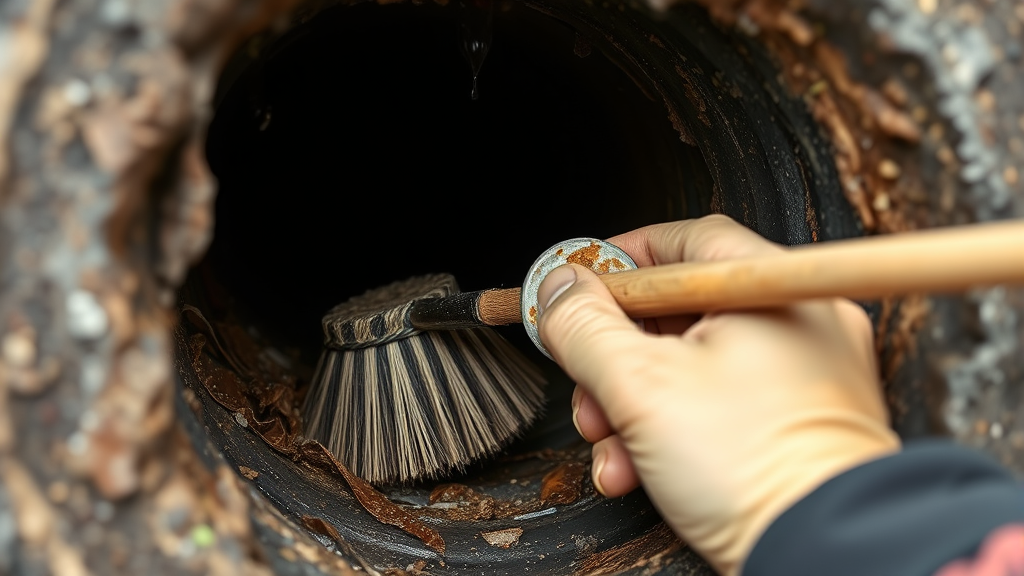
Effective long-term drain fly control requires thorough cleaning of the entire drain system, including areas that basic treatments cannot reach. Begin by removing drain covers and manually cleaning visible buildup using a pipe brush or old toothbrush. Scrub the inside of the drain pipe as far down as you can reach, paying special attention to the sides where organic matter tends to accumulate.
For deeper cleaning, consider using a drain snake or auger to physically remove clogs and buildup further down the pipe. This mechanical approach is particularly effective for bathroom drains clogged with hair and soap residue. Similar to techniques used when learning how to unclog a toilet, persistence and the right tools make all the difference in achieving thorough results.
After mechanical cleaning, treat the drain with enzyme-based cleaners specifically designed to break down organic matter. These biological cleaners contain beneficial bacteria that consume the organic sludge where drain flies breed, providing ongoing protection against future infestations. Apply these treatments according to manufacturer instructions, typically requiring overnight contact time for maximum effectiveness.
Natural Remedies and DIY Solutions
Many homeowners prefer natural methods for eliminating drain flies, especially in homes with children or pets. Apple cider vinegar traps work exceptionally well for capturing adult flies. Fill small bowls with apple cider vinegar and add a few drops of dish soap to break surface tension. Cover the bowls with plastic wrap and poke small holes in the top. Flies will be attracted to the vinegar scent but unable to escape.
Essential oils provide another natural approach to drain fly control. Peppermint, eucalyptus, and tea tree oils have natural insect-repelling properties. Mix a few drops with water in a spray bottle and apply around drain areas. Additionally, these oils can be added to your regular drain cleaning routine to help prevent future infestations while leaving your drains smelling fresh.
Regular maintenance with natural ingredients can prevent drain fly problems before they start. Weekly treatments with a mixture of salt, baking soda, and cream of tartar help maintain clean drains naturally. Combine equal parts of each ingredient, pour down drains, let sit for several hours, then flush with hot water. This routine maintenance approach is as important as other household cleaning tasks like learning how to clean a washing machine properly.
Chemical Treatments and Commercial Products
When natural methods prove insufficient, commercial drain cleaners and insecticides offer more aggressive treatment options. Foam drain cleaners are particularly effective against drain flies because they expand to coat the entire interior surface of pipes, reaching areas that liquid cleaners might miss. These products typically contain enzymes and surfactants that break down organic matter while eliminating fly larvae.
Bacterial drain treatments provide a biological approach to chemical control. Products containing Bacillus thuringiensis israelensis (BTI) specifically target fly larvae without harming beneficial bacteria or posing risks to humans and pets. These treatments establish colonies of beneficial bacteria that continue working long after application, providing ongoing protection against drain fly breeding.
For severe infestations, insecticide sprays designed for drain flies can provide quick knockdown of adult populations. Look for products containing pyrethrin or permethrin, which are effective against drain flies while being relatively safe for indoor use when applied according to label directions. Always ensure adequate ventilation when using chemical treatments and keep children and pets away from treated areas until surfaces dry completely.
Long-term Prevention Strategies
Preventing future drain fly infestations requires consistent maintenance and attention to moisture control throughout your home. Establish a weekly drain cleaning routine using hot water flushes and monthly treatments with enzyme cleaners or natural cleaning solutions. This proactive approach prevents organic buildup that attracts and sustains drain fly populations.
Address moisture issues that create favorable conditions for drain flies. Fix leaky pipes, improve ventilation in bathrooms and basements, and ensure proper drainage around your home’s foundation. Standing water anywhere in your plumbing system can serve as a breeding ground, so promptly repair any plumbing issues. Just as you might need to know how to unclog a toilet without a plunger, having multiple approaches to drain maintenance proves valuable.
Install drain covers or screens to prevent debris accumulation while allowing proper water flow. Regular inspection and cleaning of these covers prevents organic matter from washing down drains and creating breeding sites. Additionally, avoid pouring grease, food scraps, or excessive amounts of soap down drains, as these materials contribute to the organic buildup that sustains drain fly populations.
When to Call Professional Pest Control
While most drain fly infestations can be resolved with DIY methods, certain situations warrant professional intervention. If flies persist despite consistent treatment efforts over several weeks, the breeding source may be located in areas inaccessible to homeowner treatment methods, such as deep within sewer lines or septic systems.
Professional pest control services have access to specialized equipment and treatment methods not available to consumers. They can perform video inspections of drain lines to locate breeding sites, apply targeted treatments to inaccessible areas, and provide comprehensive treatment plans that address both current infestations and long-term prevention.
Consider professional help if drain flies are accompanied by other pest issues, such as problems with how to get rid of ants or how to get rid of carpenter bees, suggesting broader pest management needs. Additionally, if you suspect structural issues with your plumbing system are contributing to the problem, professional assessment can identify necessary repairs while addressing the pest issue comprehensively.
Frequently Asked Questions
How long does it take to completely eliminate drain flies?
Most drain fly infestations can be eliminated within 2-3 weeks with consistent treatment. However, you may notice a reduction in adult flies within the first few days. The key is breaking the breeding cycle by eliminating larval development sites in your drains. Patience and persistence are essential, as eggs and larvae already in the system need time to be eliminated through your treatment efforts.
Are drain flies dangerous to human health?
Drain flies are not dangerous to human health and do not bite or sting. However, they can be carriers of bacteria from the organic matter where they breed. According to the Centers for Disease Control, while drain flies are not known to transmit diseases to humans, maintaining good sanitation practices is important to prevent any potential health issues associated with the unsanitary conditions that attract these pests.
Can drain flies come back after treatment?
Yes, drain flies can return if the conditions that originally attracted them are recreated. This typically happens when organic matter accumulates in drains again or when moisture problems are not properly addressed. Regular maintenance cleaning and proper drain care are essential for preventing re-infestation. Establishing a routine maintenance schedule significantly reduces the likelihood of future problems.
Do drain flies only breed in drains?
While drains are the most common breeding site, drain flies can also reproduce in other moist areas with organic matter. These include septic tanks, sewage treatment facilities, compost piles, and even potted plant saucers with standing water. The University of Kentucky Entomology Department notes that any location with moisture and decaying organic material can potentially support drain fly development.
What’s the difference between drain flies and fruit flies?
Drain flies and fruit flies are often confused but have distinct characteristics. Drain flies are fuzzy, moth-like insects that are poor fliers and typically rest on surfaces near drains. Fruit flies are smaller, more agile fliers with clear wings and are usually found near overripe fruit or fermented materials. Drain flies breed in organic sludge in pipes, while fruit flies breed in fermenting organic matter above ground.
Can I prevent drain flies with regular household cleaners?
Regular household cleaners can help prevent drain fly infestations when used as part of a comprehensive maintenance routine. However, standard cleaners may not be sufficient to eliminate existing breeding sites deep within drain pipes. Specialized enzyme cleaners or biological treatments are more effective for breaking down the organic matter where drain flies breed. Combining regular cleaning with targeted drain treatments provides the best prevention strategy.
Are there any home remedies that don’t work for drain flies?
Some commonly suggested remedies are less effective than others. Bleach, while antimicrobial, may not penetrate the biofilm where drain flies breed and can be harsh on plumbing systems. Similarly, simply running water down drains without mechanical cleaning or specialized treatments rarely eliminates established breeding sites. The most effective approaches combine mechanical cleaning, biological treatments, and consistent maintenance rather than relying on single-step solutions.

Related Posts

How Long to Boil Lobster Tails: Cooking Guide

How Long to Fly from New York to London? Travel Times
