
Eliminate Crickets Indoors: Expert Strategies
Eliminate Crickets Indoors: Expert Strategies for a Cricket-Free Home
The incessant chirping of crickets at night can drive anyone to frustration. While these insects might seem harmless, indoor crickets can damage fabrics, contaminate food, and create an unbearable noise environment. If you’re dealing with a cricket infestation, you’re not alone—this is one of the most common household pest problems. The good news is that with the right approach, you can eliminate crickets indoors and prevent them from returning.
Crickets thrive in warm, dark, and damp environments, making homes ideal habitats. Understanding why crickets invade your space and how to target them effectively is crucial for long-term success. This comprehensive guide will walk you through proven strategies to get rid of crickets, from immediate elimination methods to preventative measures that keep your home cricket-free year-round.
Why Crickets Invade Your Home
Understanding the root cause of cricket infestations helps you prevent future problems. Crickets are attracted to homes for several key reasons: they seek warmth during cooler months, they’re drawn to moisture and humidity, and they look for food sources. Indoor environments provide the perfect combination of these factors, especially basements, crawl spaces, and bathrooms where moisture tends to accumulate.
Crickets are also attracted to artificial light, which is why they often congregate near windows and light fixtures. Once inside, they find plenty of organic matter to eat—from dead skin cells to fabric fibers—making your home a buffet. The male cricket’s chirping is actually a mating call, so if you hear constant chirping, you likely have multiple crickets establishing a breeding colony. This is why quick action is essential; a small problem can escalate rapidly into a full-scale infestation.
Identifying a Cricket Infestation
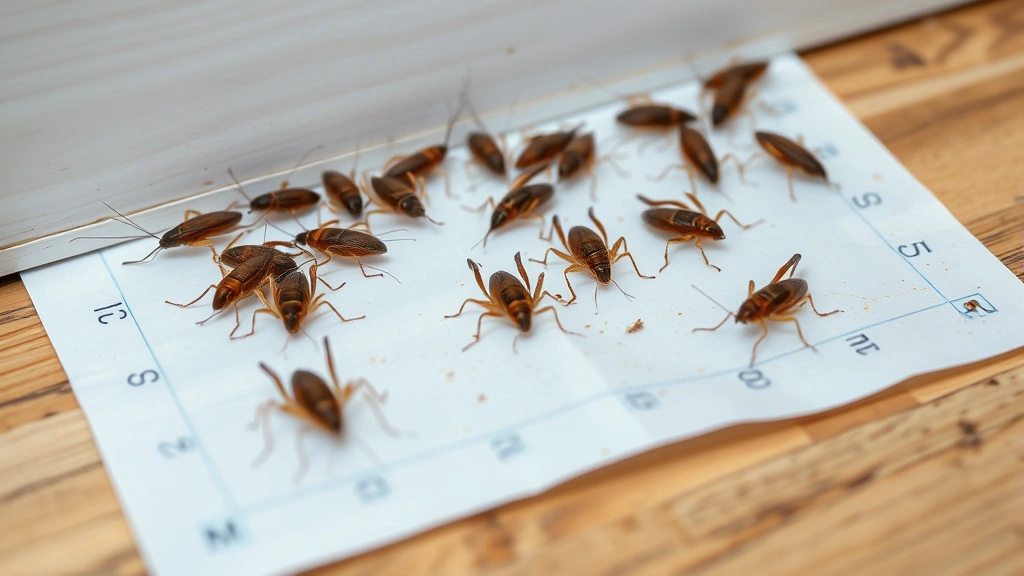
Before you can effectively eliminate crickets, you need to confirm you actually have them. Cricket identification is straightforward: these insects are brown or black, about half an inch to one inch long, with long antennae and powerful hind legs designed for jumping. Unlike grasshoppers, crickets are primarily nocturnal, so you’ll hear them more than you see them.
Signs of a cricket infestation include:
- Chirping sounds at night, particularly in late summer and fall
- Small brown droppings resembling coffee grounds in affected areas
- Damage to fabrics, including small holes in clothing, curtains, and upholstered furniture
- A musty odor in areas with high cricket populations
- Dead crickets in corners, basements, or near light sources
If you notice these signs, you have a cricket problem that requires immediate attention. The severity depends on how many crickets you’re dealing with—a few chirping insects is manageable, but dozens or hundreds indicate a serious infestation requiring professional intervention.
Immediate Elimination Methods
Once you’ve confirmed a cricket infestation, you’ll want to eliminate existing crickets quickly. Several effective methods can reduce the population immediately:
Vacuuming and Manual Removal
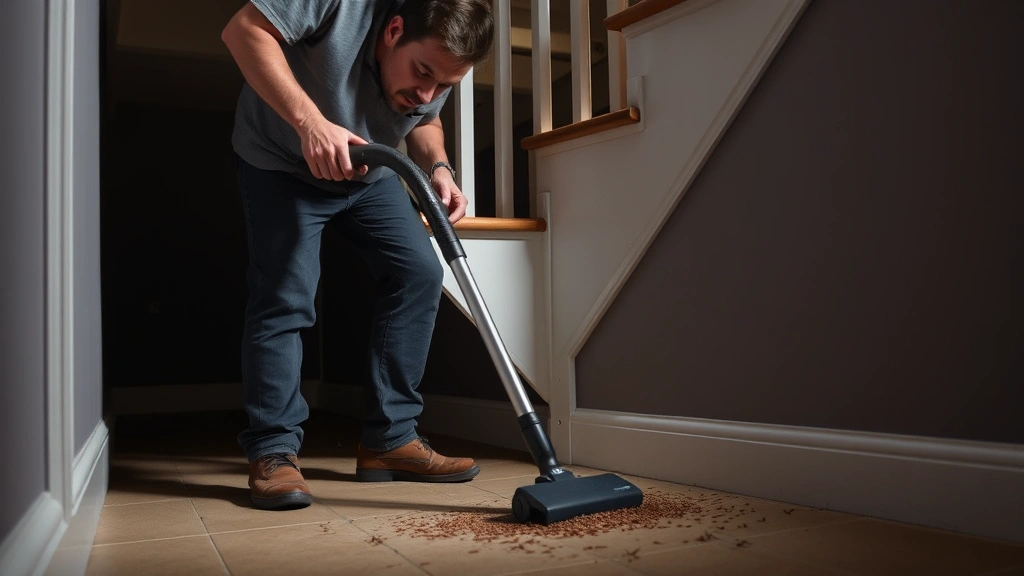
The simplest approach is to physically remove crickets from your home. Use a vacuum cleaner with a hose attachment to suck up crickets in corners, under baseboards, and in dark spaces where they hide during the day. This method is chemical-free and effective for small populations. After vacuuming, seal the vacuum bag in a plastic container to prevent escaped crickets. You can also manually trap crickets using sticky traps or by simply catching them with a glass and releasing them outside.
Sticky Traps
Cricket sticky traps are inexpensive and highly effective. Place them along baseboards, in corners, under furniture, and near light sources where crickets congregate. These traps work passively—crickets simply get stuck when they walk across them. Replace traps every week or when they’re full. For best results, use multiple traps throughout affected areas and monitor them to track infestation severity.
Diatomaceous Earth
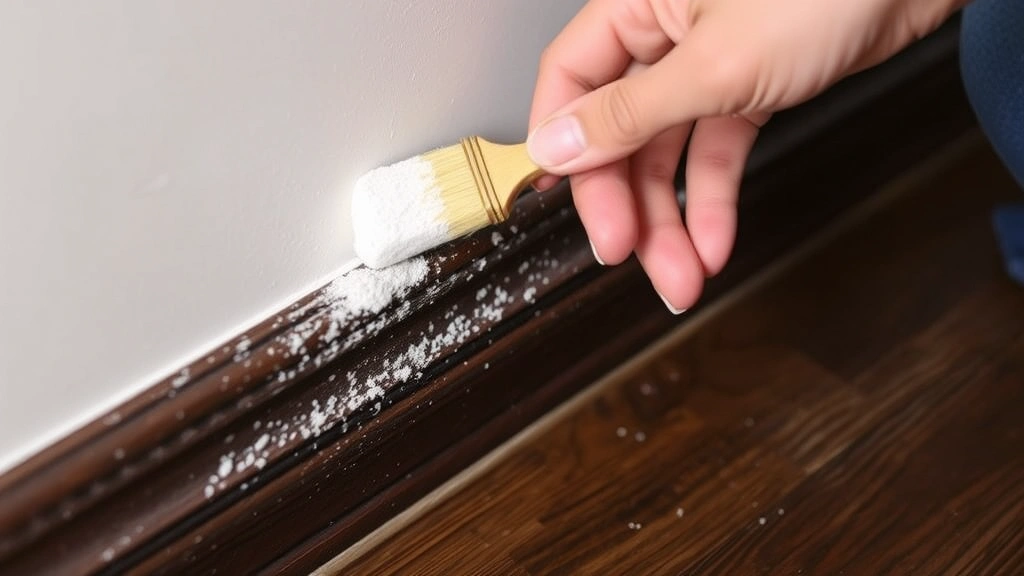
Food-grade diatomaceous earth (DE) is a natural powder that damages the exoskeletons of insects, causing dehydration and death. Sprinkle DE in areas where crickets hide—baseboards, under appliances, in crawl spaces, and around window sills. This method works slowly but is completely non-toxic to humans and pets. Reapply after vacuuming or wet cleaning, as moisture reduces effectiveness. Wear a dust mask when applying DE to avoid inhaling particles.
Long-Term Prevention Strategies
Eliminating existing crickets is only half the battle; preventing new infestations is equally important. Long-term prevention focuses on making your home less attractive to crickets and blocking entry points.
Reduce Moisture and Humidity
Crickets thrive in damp environments, so controlling moisture is critical. Fix any water leaks immediately, improve bathroom ventilation with exhaust fans, and use a dehumidifier in basements and crawl spaces. Ensure gutters and downspouts direct water away from your foundation. In bathrooms, squeegee shower walls and run ventilation fans during and after showers to reduce humidity.
Remove Food Sources
Crickets eat almost anything organic, so eliminate potential food sources. Seal food in airtight containers, clean up crumbs and spills promptly, and don’t leave pet food out overnight. Store dry goods like cereal, flour, and sugar in sealed containers rather than original packaging. Remove dead insects, which crickets feed on, and maintain regular cleaning routines to eliminate dust and debris.
Reduce Light Attraction
Since crickets are attracted to artificial light, reduce their draw to your home. Keep outdoor lights off when possible, or switch to yellow “bug lights” that attract fewer insects. Install motion-sensor lights that only activate when needed. Close curtains at night to minimize light escaping through windows, and keep interior lights dimmed during evening hours when crickets are most active.
Natural and Chemical Solutions
Beyond physical removal methods, several chemical and natural options can help eliminate crickets. Understanding when to use each approach ensures you choose the most effective solution for your situation.
Boric Acid
Boric acid is a highly effective cricket killer that works similarly to diatomaceous earth. Apply food-grade boric acid powder to areas where crickets hide, being careful to keep it away from children and pets. The powder sticks to crickets’ legs, and when they groom themselves, they ingest it, leading to death. Boric acid works faster than DE but requires careful application. Always follow product instructions and keep away from food preparation areas.
Cricket Baits and Insecticides
Commercial cricket baits combine attractants with insecticides, luring crickets to poisoned food. Products like cricket-specific baits are available at hardware stores and online retailers. Place baits in areas with high cricket activity. For heavier infestations, residual insecticide sprays applied to baseboards and wall voids provide longer-lasting control. Always read labels carefully and follow application instructions to ensure safety for your household.
Essential Oils and Natural Repellents
Some homeowners prefer natural solutions like essential oils. Crickets dislike certain scents, including peppermint, lavender, and citrus. Mix essential oils with water and spray around baseboards and entry points. While less potent than chemical solutions, natural repellents can supplement other methods and improve your home’s smell. However, they’re best used as part of a comprehensive approach rather than a standalone solution.
Sealing Entry Points
Preventing new crickets from entering your home is just as important as eliminating existing ones. Crickets are small and can squeeze through surprisingly tiny openings.
Identifying Entry Points
Conduct a thorough inspection of your home’s exterior and foundation. Look for gaps around pipes, cracks in the foundation, spaces under doors, and openings around utility penetrations. Pay special attention to areas where utilities enter your home, as these are common entry points. Check weatherstripping around doors and windows, and examine garage doors for gaps.
Sealing Techniques
Use caulk to seal small cracks and gaps in your foundation, walls, and around pipes. For larger gaps, use expandable foam sealant, which expands to fill spaces. Install or replace weatherstripping around doors and windows to create a tight seal. For basement windows, install window wells with covers to prevent insects from entering. Don’t forget about less obvious entry points like dryer vents and exhaust fan openings—install one-way flapper vents that allow air out but prevent insects from entering.
Environmental Controls
Creating an environment that’s inhospitable to crickets provides ongoing protection. This involves temperature control, sanitation, and habitat modification.
Temperature Management
Crickets are cold-blooded and become sluggish in cooler temperatures. Maintaining indoor temperatures below 75°F (24°C) makes your home less attractive to crickets. During cooler months, this happens naturally, but in summer, strategic use of air conditioning can help. Avoid leaving doors and windows open during cricket season, as this allows entry and raises indoor humidity.
Regular Cleaning and Decluttering
Crickets hide in cluttered spaces where they’re harder to reach and eliminate. Declutter your home, especially basements, attics, and storage areas. Remove cardboard boxes, which provide ideal hiding spots, and store items in plastic containers instead. Vacuum regularly to remove dead skin cells and dust that crickets feed on. Clean behind appliances and furniture where crickets congregate, and sweep up food debris immediately.
Landscaping and Outdoor Management
Manage the area around your home to reduce cricket populations near your foundation. Keep grass trimmed short, remove leaf litter and dead plant material, and maintain distance between landscaping and your home’s exterior. Mulch and dense vegetation provide ideal cricket habitat, so keep these materials at least a foot away from your foundation. Consider removing outdoor lighting or switching to motion-sensor lights to reduce the attraction of crickets to your home’s perimeter.
For comprehensive home maintenance guidance, visit the FixWiseHub Blog for additional how-to guides and tips on pest prevention and home care.
Frequently Asked Questions
How long does it take to get rid of crickets?
The timeline depends on infestation severity and your chosen methods. Physical removal and sticky traps show results within days, while environmental controls and prevention measures work over weeks to months. Most infestations are manageable within 2-4 weeks with consistent effort. Severe infestations may require professional pest control services that can eliminate populations within 1-2 weeks.
Are crickets dangerous?
Crickets don’t bite or carry diseases, so they’re not dangerous to human health. However, they can damage fabrics, contaminate food, and create excessive noise. Large populations can also indicate moisture problems that might attract other pests. The primary concern is property damage and quality of life rather than health hazards.
What’s the best time to treat for crickets?
Late summer and fall are peak cricket season, so this is the ideal time for prevention and treatment. However, indoor crickets can be problematic year-round in heated homes. Begin prevention measures in early fall before populations peak, and maintain preventative strategies throughout the year for maximum effectiveness.
Can I use pesticides safely indoors?
Yes, but with caution. Use only products labeled for indoor use, follow instructions precisely, and avoid food preparation areas. Keep children and pets away from treated areas until dry. For homes with young children or pets, prioritize non-chemical methods like sticky traps and diatomaceous earth. If you’re uncomfortable using pesticides, hire a professional pest control service.
Why do I still hear crickets after treating?
New crickets may continue entering from outside, or some may survive initial treatment. Ensure you’re addressing all infested areas, not just where you hear chirping. Combine multiple elimination methods for better results, and maintain prevention strategies to stop new crickets from entering. If problems persist after two weeks of consistent treatment, consider professional pest control services.
What should I do if the infestation is severe?
For severe infestations with hundreds of crickets, professional pest control is often the most effective solution. Pest control professionals have access to stronger treatments and can identify entry points and harborage areas you might miss. They can also provide ongoing monitoring and prevention services. Contact This Old House’s pest control recommendations to find qualified professionals in your area.
Getting rid of crickets requires persistence and a multi-faceted approach. By combining immediate elimination methods with long-term prevention strategies, you can reclaim your home from these noisy pests. Start with the methods outlined here, monitor your progress, and adjust your approach as needed. With dedication and consistency, you’ll eliminate crickets and enjoy a peaceful, cricket-free home.

Related Posts

Superscript in Google Docs: Expert Tips

Strikethrough in Excel: Easy Steps for Beginners
