
How to Get Rid of Anay: Expert Guide
How to Get Rid of Anay: Expert Guide to Eliminating These Persistent Pests
If you’ve noticed tiny insects crawling around your home or garden, you might be dealing with anay—a common household pest that can become a real nuisance if left unchecked. These small creatures aren’t just annoying; they can contaminate food, damage property, and multiply faster than you’d expect. The good news? Getting rid of them doesn’t require calling in expensive exterminators or using harsh chemicals that might harm your family or pets.
Whether you’re spotting them in your kitchen, bathroom, or outdoor spaces, this comprehensive guide will walk you through proven methods to eliminate anay and prevent them from returning. We’ll cover everything from identifying what you’re dealing with to implementing long-term solutions that actually work. By the end, you’ll have the knowledge and confidence to reclaim your space from these uninvited guests.
The key to successful pest control is understanding the problem, acting quickly, and maintaining consistency. Let’s dive into what you need to know.
Identifying Anay and Understanding the Problem
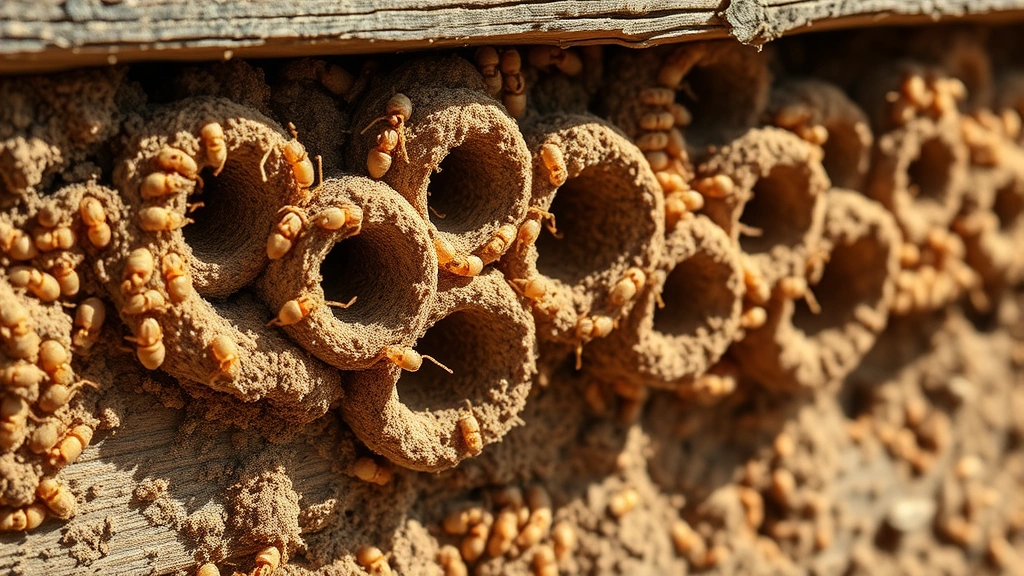
Before you can effectively tackle an anay problem, you need to know exactly what you’re dealing with. Anay typically refers to termites in some regions, though the term can apply to various small insects depending on your location. These creatures are often confused with ants, but they’re fundamentally different pests requiring different treatment approaches.
Anay are small, soft-bodied insects that often appear translucent or whitish in color. They tend to work in colonies and are attracted to wood, cellulose, and damp environments. Unlike regular ants, which you might already know how to get rid of ants using common household methods, anay require more targeted strategies because of their destructive nature.
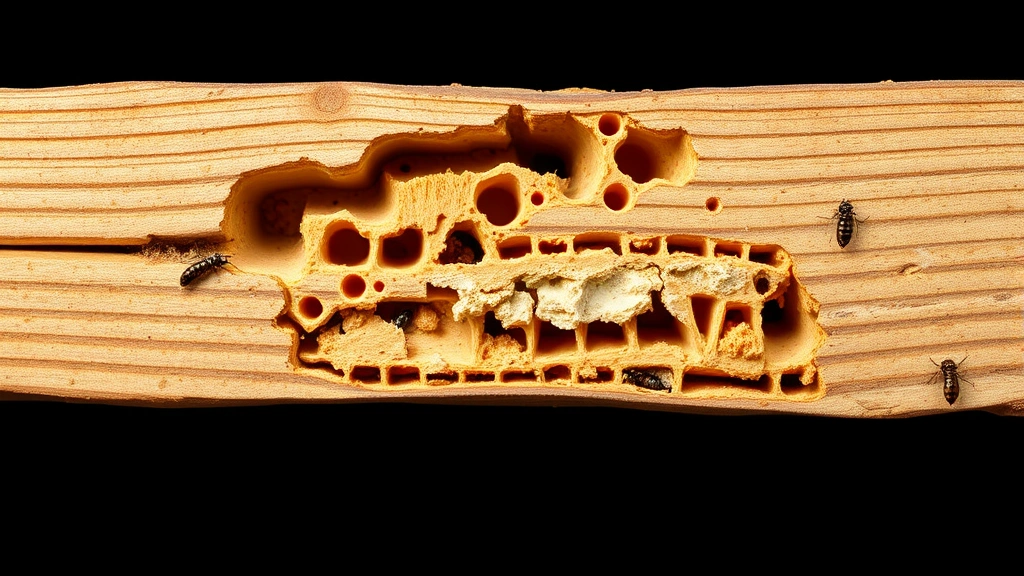
The real danger with anay is that they work silently and systematically. You might not notice an infestation until significant damage has occurred. They tunnel through wood, weakening structural integrity over time. This is why early detection and swift action are absolutely critical.
Look for these telltale signs: mud tubes along walls or foundation, hollow-sounding wood, discarded wings near windows or doors, and small piles of what looks like sawdust. If you find any of these indicators, don’t panic—you have options.
Immediate Action Steps
The moment you suspect an anay infestation, it’s time to act. Speed matters here because these pests multiply and spread quickly.
Step 1: Isolate and Document
Start by taking clear photos of the affected areas and any visible signs. Document where you’ve seen activity, what time of day you notice them, and whether the problem seems localized or widespread. This information will be invaluable whether you’re handling this yourself or consulting professionals.
Step 2: Reduce Moisture
Anay thrive in damp environments. Check for leaks in pipes, ensure proper drainage around your foundation, and use dehumidifiers in basements or crawl spaces. Fix any water damage immediately. This single step can significantly reduce the attractiveness of your home to these pests.
Step 3: Remove Accessible Food Sources
Clear away dead wood, mulch, and cellulose-based materials from near your home’s foundation. Trim tree branches that touch your roof or walls. Store firewood at least 20 feet away from your house. These aren’t just preventative measures—they’re your first line of defense.
Step 4: Inspect Your Foundation
Walk around your home’s perimeter carefully. Look for mud tubes, cracks in the foundation, and gaps where utilities enter the building. Seal these openings with caulk or concrete. Even small gaps can serve as highways for anay to enter your home.
Natural Solutions That Work
If you prefer to avoid harsh chemicals, several natural approaches can be surprisingly effective for managing anay problems, especially in early stages.
Diatomaceous Earth (Food-Grade)
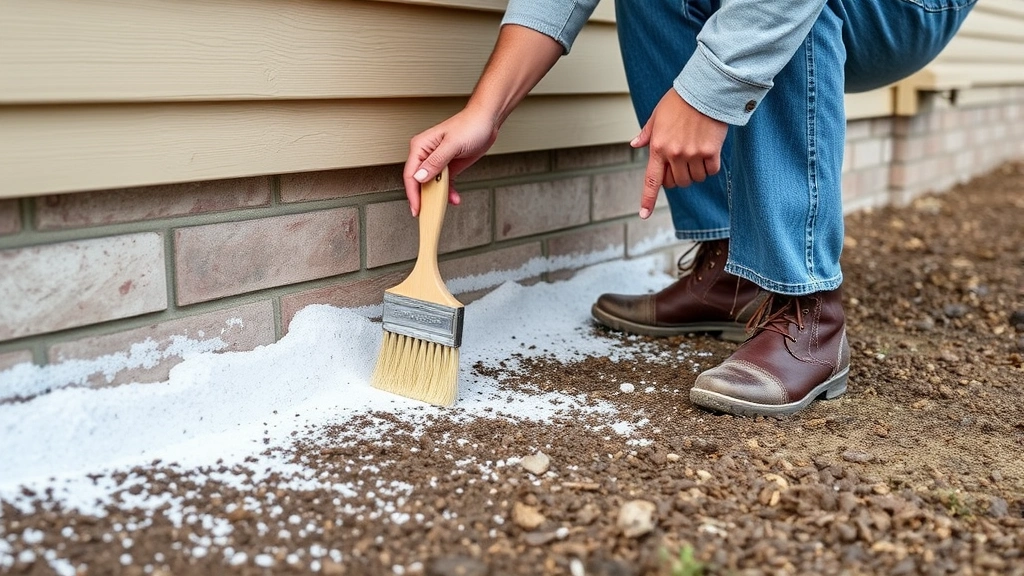
This fine powder is one of the most popular natural solutions. Food-grade diatomaceous earth works by damaging the exoskeleton of anay, causing dehydration. Apply it around the perimeter of your home, in crawl spaces, and around foundation cracks. Reapply after rain or every few weeks. It’s safe for humans and pets when used properly, making it an excellent first option.
Neem Oil
Derived from the neem tree, this natural pesticide disrupts the breeding cycle of anay. Mix it with water according to package directions and spray affected areas. While it requires repeated applications, many homeowners appreciate that it’s organic and relatively non-toxic.
Boric Acid Baits
This method involves mixing boric acid with sugar and water to create a bait that anay carry back to their colonies. The poison spreads throughout the nest, gradually eliminating the population. Place baits in shallow containers near activity areas, keeping them away from children and pets. This approach takes patience—results typically appear over several weeks—but it can be highly effective.
Heat Treatment
For localized infestations, applying heat can eliminate anay. Professional heat treatment raises temperatures in affected areas to lethal levels. While this requires professional equipment, it’s a chemical-free option worth considering for severe cases.
Beneficial Nematodes
These microscopic organisms prey on anay and other soil-dwelling pests. Apply them to your yard and garden areas according to product instructions. They’re completely safe for humans, pets, and plants while being deadly to target pests.
Chemical Treatments and When to Use Them
When natural solutions aren’t sufficient, chemical treatments become necessary. Understanding your options helps you make informed decisions.
Liquid Barriers
Professional-grade liquid termiticides create a chemical barrier around your home’s foundation. These are typically applied by drilling small holes in the foundation and injecting the treatment. The barrier prevents anay from entering while allowing you to monitor for any breakthrough activity. This is often the most effective DIY-friendly chemical option.
Foam Treatments
Injected into walls and voids, foam treatments expand to fill spaces and eliminate anay colonies. They’re particularly useful for hard-to-reach areas. Many homeowners find foam treatments more convenient than liquid applications, though they’re often more expensive.
Bait Station Systems
Commercial bait stations work similarly to homemade boric acid baits but with professional-grade active ingredients. Stations are placed strategically around your property, and anay consume the bait and carry it back to the colony. These systems require monitoring and regular replacement but offer consistent long-term control.
When considering chemical treatments, always read labels carefully, follow instructions precisely, and consider consulting professionals for application. Different products work better in different situations, and using the wrong treatment can waste money and time.
If you’re also dealing with other household pests, remember that some treatments address multiple problems. For instance, if you’re simultaneously dealing with how to get rid of carpenter ants alongside anay, certain broad-spectrum treatments might address both issues. Similarly, if you notice how to get rid of gnats in the house, you might benefit from addressing underlying moisture issues that attract multiple pest types.
Prevention Strategies for Long-Term Control
Once you’ve successfully eliminated anay, preventing their return is crucial. A strong prevention strategy is far easier than dealing with a new infestation.
Maintain Proper Ventilation
Good airflow reduces humidity levels that attract anay. Ensure crawl spaces have adequate vents, install exhaust fans in bathrooms and kitchens, and consider a dehumidifier in damp areas. Proper ventilation also helps with general home health, reducing mold and mildew growth.
Regular Inspections
Schedule quarterly inspections of your home’s foundation, basement, and crawl spaces. Look for the early warning signs: mud tubes, wood damage, or discarded wings. Catching problems early is dramatically easier than dealing with established colonies.
Landscaping Modifications
Keep mulch at least a foot away from your home’s foundation. Use gravel or stone barriers instead, which anay find less attractive. Trim vegetation so it doesn’t touch your roof or walls. These simple landscaping changes significantly reduce pest pathways.
Wood Treatment
If you’re replacing wood siding, fascia, or other vulnerable materials, consider pressure-treated or naturally resistant wood varieties. For existing wood, periodic application of wood preservatives can provide protection.
Seal Entry Points
Caulk cracks in your foundation, seal gaps around utility penetrations, and repair damaged screens. Even tiny openings can serve as entry points for anay. Make this part of your regular home maintenance routine.
Address Water Issues Promptly
Fix leaky gutters, ensure proper grading so water slopes away from your foundation, and repair any plumbing leaks immediately. Moisture is the primary attractant for anay, so controlling water is your strongest prevention tool. This also helps if you’re managing other moisture-related issues like needing to how to clean a washing machine regularly to prevent mold and mildew.
When to Call Professional Help
While DIY approaches work for many situations, sometimes professional intervention is necessary or simply the wisest choice.
Extensive Infestations
If you’ve discovered significant structural damage or widespread activity throughout your home, professionals have the equipment and expertise to handle large-scale problems efficiently. Trying to manage severe infestations alone often leads to incomplete treatment and recurring problems.
Structural Uncertainty
If you’re unsure about the extent of damage or whether anay have compromised structural integrity, a professional inspection provides peace of mind. They can assess damage that’s not immediately visible and recommend appropriate repairs alongside pest control.
Time and Budget Constraints
Professional treatment, while initially more expensive, often proves cost-effective when you factor in your time, potential mistakes, and the risk of incomplete treatment. If you’re busy or simply prefer guaranteed results, professionals deliver value.
Warranty and Guarantees
Many professional pest control companies offer warranties on their work. If anay return within a specified period, they’ll retreat your home at no additional cost. This guarantee provides security that DIY approaches can’t match.
When selecting a professional, look for companies with certifications, positive reviews, and transparent pricing. Ask about their treatment methods and whether they offer warranties. Get multiple quotes before deciding—prices and approaches vary significantly.
For additional guidance on pest management, check out resources from This Old House’s pest control guides, which offer comprehensive information on various household pest challenges. You might also find Family Handyman’s termite elimination strategies helpful for understanding different treatment approaches. For product recommendations and supplies, Home Depot’s pest control section offers extensive options and expert advice.
Frequently Asked Questions
How quickly can I expect results from treatment?
Results vary depending on your treatment method. Natural solutions like diatomaceous earth may take 2-4 weeks to show significant effects. Bait systems typically show results within 3-6 weeks as the poison spreads through the colony. Chemical barriers often provide immediate protection, though elimination of existing colonies takes longer. Professional heat treatment can eliminate anay in 24-48 hours but is typically reserved for severe cases.
Can I treat anay myself, or do I need a professional?
Many mild to moderate infestations can be successfully treated with DIY methods. Natural solutions, bait systems, and liquid barriers are accessible to homeowners. However, extensive infestations, structural damage, or uncertainty about the problem’s scope warrant professional help. Professionals have access to more potent treatments and can provide guarantees that DIY approaches cannot.
What’s the difference between anay and regular ants?
While they’re often confused, anay and ants are fundamentally different. Anay have soft bodies and eat cellulose (wood and plant material), while ants are harder-bodied and typically feed on other insects or food scraps. Treatment methods differ significantly—what works for ants may not work for anay. If you’re unsure which pest you’re dealing with, professional identification is worth the investment.
How long does prevention take to show results?
Prevention isn’t about showing results—it’s about preventing problems from developing. Once you’ve implemented prevention strategies, you’re protecting your home from future infestations. Regular inspections help you catch any problems early before they become serious.
Are chemical treatments safe for my family and pets?
Professional-grade treatments, when applied correctly by trained technicians, are safe for residents and pets. Always follow label instructions carefully and keep family members and pets away from treated areas during application and the recommended waiting period. If you have concerns about specific chemicals, discuss safer alternatives with your pest control professional or consider natural treatment options.
What should I do if anay return after treatment?
If you’ve treated the problem and anay return, it indicates either incomplete initial treatment or new entry points. Inspect your home again for signs of activity and entry points you might have missed. Consider whether conditions have become more favorable (increased moisture, new wood contact with soil, etc.). If DIY treatments failed, this is a good time to call professionals. If you used professionals and anay returned within the warranty period, contact them for retreatment.
How much does professional anay treatment cost?
Professional treatment typically ranges from $500 to $2,500+ depending on your home’s size, infestation severity, and treatment method. Some companies charge by linear foot of foundation, while others use flat rates. Get multiple quotes and ask what’s included—treatment, inspection, follow-up visits, and warranties vary significantly between companies.

Related Posts

How Long to Boil Lobster Tails: Cooking Guide

How Long to Fly from New York to London? Travel Times
