

Remove Pen Ink Stains from Clothes with These Proven Hacks
Discovering a pen ink stain on your favorite shirt or delicate fabric can feel like a wardrobe disaster. Whether it’s a ballpoint pen leak in your pocket, an accidental mark from a gel pen, or ink splatter from a fountain pen, these stubborn stains can seem impossible to remove. The good news is that with the right techniques and household items, you can successfully eliminate even the most challenging ink stains from your clothing.
Understanding how to tackle ink stains effectively requires knowing the type of ink you’re dealing with and acting quickly. Different pen types require different removal methods, and the sooner you treat the stain, the better your chances of complete removal. From common household items like rubbing alcohol and hairspray to specialized stain removal products, there are numerous proven methods to restore your garments to their original condition.
Understanding Different Types of Ink Stains
Not all ink stains are created equal, and identifying the type of ink is crucial for selecting the most effective removal method. Ballpoint pen ink is oil-based and typically responds well to alcohol-based treatments. These inks contain dyes suspended in oil, making them relatively easier to remove when treated properly. Gel pen ink, on the other hand, is water-based but contains thicker pigments that can penetrate deeper into fabric fibers.
Fountain pen ink varies significantly depending on the brand and formulation. Some are water-based and can be removed with simple water treatment, while others contain permanent dyes that require more aggressive removal techniques. According to the National Institute of Standards and Technology, understanding the chemical composition of inks helps determine the most appropriate removal strategy.
Permanent markers and felt-tip pens present the greatest challenge, as they’re specifically designed to resist removal. These inks often contain alcohol-based solvents and permanent dyes that bond strongly with fabric fibers. However, even these stubborn stains can often be removed with persistence and the right approach.
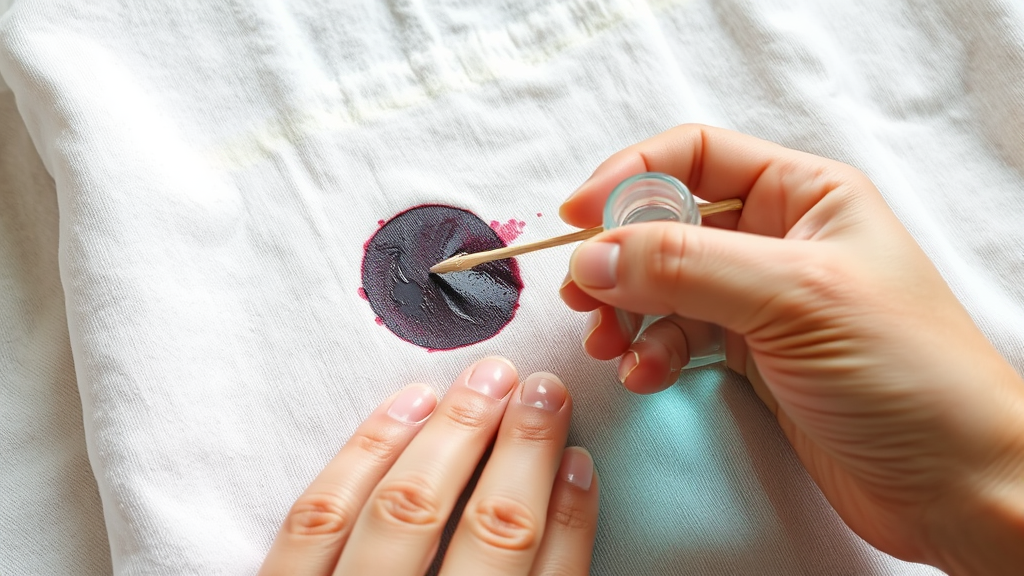
Immediate Action Steps for Fresh Ink Stains
Time is your greatest ally when dealing with ink stains. The moment you notice an ink mark, resist the urge to rub or scrub the area, as this will only spread the ink deeper into the fabric fibers. Instead, gently blot the stain with a clean cloth or paper towel to absorb as much excess ink as possible without pushing it further into the material.
Place a clean cloth or towel underneath the stained area to prevent the ink from transferring to other parts of the garment. This barrier method is essential for preventing the stain from spreading during the removal process. If the ink is still wet, continue blotting gently until no more ink transfers to your blotting cloth.
For fresh stains, cold water can be surprisingly effective, especially with water-based inks. Hold the stained area under cold running water, allowing the water to flow through the back of the fabric to push the ink out rather than deeper in. This technique works best on lighter fabrics and should be attempted immediately after the stain occurs.
Alcohol-Based Removal Methods
Rubbing alcohol is one of the most effective and widely available solutions for removing ink stains from clothing. The alcohol dissolves the ink’s binding agents, making it easier to lift from fabric fibers. Apply rubbing alcohol directly to the stain using a cotton ball or clean cloth, then gently dab the area. You’ll notice the ink beginning to dissolve and transfer to your cloth.
Hairspray containing alcohol can also be highly effective, particularly for ballpoint pen ink. Spray the hairspray directly onto the stain, allow it to sit for 10-15 minutes, then blot with a clean cloth. The alcohol content in many hairsprays breaks down ink particles effectively. However, ensure you’re using an alcohol-based hairspray rather than newer alcohol-free formulations.
Hand sanitizer, which typically contains a high concentration of alcohol, offers another accessible option for ink removal. Apply a small amount directly to the stain, work it in gently with your fingers, and then blot with a clean cloth. This method is particularly useful when you’re away from home and need an immediate solution. Similar to other stain removal processes, proper washing machine maintenance ensures your clothes get the best cleaning possible afterward.
Household Item Remedies
Many common household items can effectively remove ink stains when commercial products aren’t available. Milk, surprisingly, contains proteins that can break down certain types of ink. Soak the stained area in milk for 30 minutes to an hour, then rinse with cold water and wash as usual. This method works particularly well on fresh stains and delicate fabrics.
White vinegar mixed with cornstarch creates a paste that can absorb and lift ink stains. Mix equal parts white vinegar and cornstarch to form a thick paste, apply it to the stain, and let it sit for several hours or overnight. The cornstarch absorbs the ink while the vinegar helps break down the stain’s chemical bonds.
Acetone or nail polish remover can be effective for stubborn ink stains, but use this method with extreme caution. Test it on an inconspicuous area first, as acetone can damage certain fabrics or remove fabric dyes. Apply a small amount to a cotton ball and dab the stain gently, then rinse immediately with cold water. Just as with oil stain removal, testing on hidden areas prevents damage to visible portions of your garment.
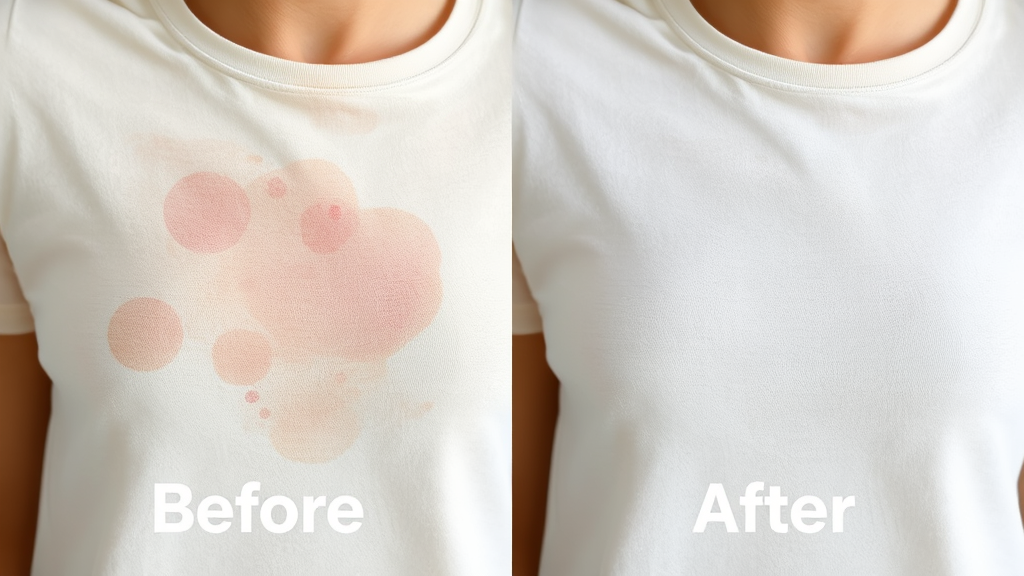
Commercial Stain Removal Products
Commercial stain removers are specifically formulated to tackle various types of stains, including ink. Oxygen bleach products are particularly effective for ink stains on white and colorfast fabrics. These products work by releasing oxygen molecules that break down stain particles at the molecular level. Follow the manufacturer’s instructions carefully and always test on an inconspicuous area first.
Enzyme-based stain removers can be highly effective for protein-based ink components. These products contain enzymes that break down specific types of molecules found in many inks. Apply the product according to package directions, allow it to work for the recommended time, then wash the garment in the hottest water safe for the fabric.
Specialized ink removal products are available from office supply stores and online retailers. These products are formulated specifically for ink removal and often work on stains that household remedies cannot tackle. The Environmental Protection Agency provides guidelines for safe use of cleaning products and stain removers.
Fabric-Specific Removal Techniques
Different fabrics require different approaches to ink stain removal. Cotton and cotton blends are generally the most forgiving and respond well to most removal methods. You can use alcohol-based solutions, household remedies, and commercial products with confidence on these fabrics. Always check the care label before proceeding with any treatment method.
Synthetic fabrics like polyester and nylon may require gentler treatment approaches. These materials can be more prone to damage from harsh chemicals or high heat. Start with milder methods like cold water and gentle detergents before progressing to stronger solutions. Wool and silk require the most delicate handling, as these natural fibers can be easily damaged by alcohol or acidic solutions.
For delicate fabrics, consider professional cleaning services, especially for valuable or irreplaceable garments. Many dry cleaners have specialized equipment and solvents that can remove stains without damaging sensitive fabrics. The expertise of professional cleaners can be invaluable for challenging stains on expensive clothing, much like knowing proper removal techniques is essential for other types of stains.
Prevention and Maintenance Tips
Preventing ink stains is always preferable to removing them. Store pens properly with caps securely fastened and avoid carrying loose pens in pockets without pen sleeves or cases. Check pen caps regularly for cracks or damage that might allow ink to leak. When traveling, place pens in a separate compartment of your bag to prevent potential leaks from affecting clothing.
Regular maintenance of your writing instruments can prevent unexpected leaks. Clean pen tips regularly and replace cartridges or refills before they run completely dry, as this can cause pressure buildup leading to leaks. Quality pens with reliable mechanisms are less likely to leak than cheaper alternatives.
Keep stain removal supplies readily available in your home and office. Having rubbing alcohol, stain removal pens, and clean cloths easily accessible allows you to treat stains immediately when they occur. Quick action significantly improves your chances of complete stain removal. Additionally, maintaining your washing machine properly ensures optimal cleaning performance for treated garments.
Understanding fabric care is crucial for maintaining your wardrobe. Learn about different fabric types and their care requirements, including appropriate cleaning methods and temperature settings. Sometimes, adjusting garment fit can help you repurpose stained items that resist complete stain removal. The Federal Trade Commission provides consumer guidelines for textile care labeling that can help you make informed decisions about stain treatment methods.
Frequently Asked Questions
Can I remove old, set-in ink stains from clothes?
Yes, old ink stains can often be removed, though they require more aggressive treatment and patience. Soak the garment in cold water for several hours, then apply rubbing alcohol or a commercial stain remover. You may need to repeat the process multiple times. For stubborn stains, try making a paste with baking soda and water, let it sit overnight, then treat with alcohol before washing.
Will bleach remove ink stains from white clothes?
Chlorine bleach can remove ink stains from white cotton fabrics, but it should be used as a last resort. Always test on an inconspicuous area first and follow package directions carefully. Oxygen bleach is generally safer and often just as effective. Never use chlorine bleach on colored fabrics, as it will remove the fabric dye along with the ink stain.
What should I do if the ink stain spreads during removal attempts?
If an ink stain spreads during treatment, stop immediately and blot the area with a clean, dry cloth to absorb excess moisture and ink. Place a barrier cloth under the stained area to prevent further spreading. Allow the area to dry completely, then try a different removal method, starting with a gentler approach and working gradually to stronger solutions if needed.
Are there any fabrics that cannot be treated for ink stain removal?
Some delicate fabrics like vintage silk, leather, or heavily structured garments may be too fragile for DIY ink removal attempts. Dry-clean-only items should generally be taken to professional cleaners rather than attempting home removal. When in doubt, consult the garment’s care label or seek professional advice to avoid permanent damage.
How long should I wait to wash a garment after treating an ink stain?
After treating an ink stain, check that the stain is completely gone before washing. If any trace of the stain remains, repeat the treatment process. Once the stain is fully removed, you can wash the garment immediately. However, avoid putting the item in the dryer until you’re certain the stain is completely gone, as heat can set any remaining ink permanently.
Can I use the same method for all types of pen ink?
Different types of ink respond to different removal methods. Ballpoint pen ink typically responds well to alcohol-based treatments, while gel pen ink may require enzyme cleaners or specialized products. Permanent marker ink often needs acetone or commercial ink removers. Always start with the gentlest method appropriate for your fabric type and progress to stronger treatments if needed.
Is it safe to use acetone on all clothing materials?
No, acetone can damage or discolor many synthetic fabrics and should never be used on acetate, rayon, or other delicate materials. Always test acetone on a hidden area first and use it sparingly with good ventilation. Natural fibers like cotton generally tolerate acetone better, but it can still cause discoloration. Consider safer alternatives like rubbing alcohol for most ink removal needs.

Related Posts

How Long to Boil Lobster Tails: Cooking Guide

How Long to Fly from New York to London? Travel Times
