

How to Remove Nail Polish from Clothes: Expert Tips
How to Remove Nail Polish from Clothes: Expert Tips
We’ve all been there. You’re freshly painted, admiring your manicure, and suddenly—disaster strikes. A careless gesture, a moment of distraction, and now your favorite blouse has a splatter of vibrant crimson across it. Nail polish on clothes feels like a catastrophe in the moment, but here’s the truth: it’s entirely recoverable with the right approach.
The key to successfully removing nail polish from fabric lies in understanding what you’re dealing with. Nail polish isn’t just pigment; it’s a complex chemical mixture of resins, solvents, and plasticizers designed to adhere stubbornly to your nails. The same properties that make it last two weeks on your fingertips make it a formidable opponent on delicate textiles. But don’t panic—armed with the right techniques and a bit of patience, you can restore your garments to their former glory.
Whether you’re dealing with fresh polish or a dried stain that’s been sitting for days, this comprehensive guide will walk you through multiple methods tailored to different fabric types and situations. Let’s turn that fashion emergency into a learning opportunity.
Act Fast: Why Timing Matters
The first rule of nail polish removal from clothing is simple: speed matters. Fresh polish is exponentially easier to remove than dried polish. When polish is wet, the solvents haven’t fully evaporated, and the film hasn’t completely hardened. This window of opportunity typically lasts anywhere from 15 to 30 minutes, depending on ventilation and the specific polish formula.
If you catch the spill immediately, your best bet is to gently blot—never rub—the excess polish with a clean, lint-free cloth or paper towel. Rubbing spreads the stain and works it deeper into the fabric fibers. Instead, use a dabbing motion to lift as much of the wet polish as possible. Think of it as coaxing the polish off rather than aggressively attacking it.
For dried stains, don’t lose hope. You’ll simply need to work a bit harder and potentially try multiple methods before finding what works best for your specific fabric and polish formula. The techniques outlined in this guide have proven effective even on stubborn, weeks-old stains.
Method 1: Acetone for Non-Delicate Fabrics
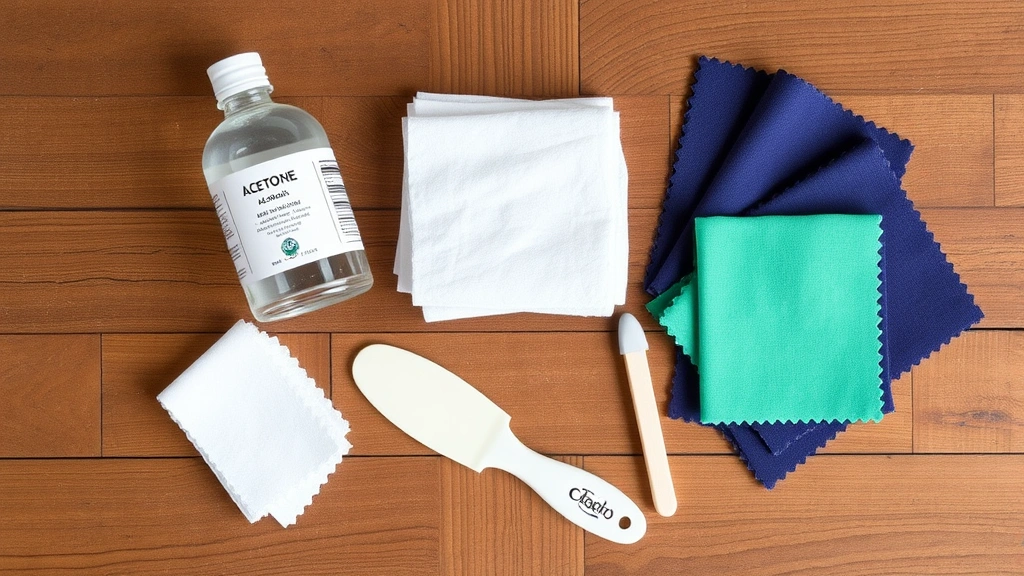
Acetone is the heavy hitter of nail polish removal—it’s the active ingredient in most commercial nail polish removers. It works by dissolving the resin compounds that give polish its staying power. For sturdy fabrics like cotton, denim, and synthetic blends, acetone is often your most effective solution.
What you’ll need:
- 100% pure acetone (found in hardware stores or beauty supply shops)
- White cloth or paper towels
- Small bowl or container
- Plastic scraper or old credit card
- Cold water
- Mild detergent
Step-by-step process:
- Place the stained garment on a flat, protected surface with the stain facing up. Work over a sink, bathtub, or protective covering to prevent acetone from damaging your work surface.
- Test acetone on an inconspicuous area of the fabric first—the inside seam or hem. Some synthetics can be damaged by acetone, so this crucial step prevents accidental harm.
- Dampen a cloth with pure acetone and gently dab the stain. Work from the outside edges toward the center to prevent spreading.
- As the polish begins to dissolve, use your plastic scraper to gently lift the loosened polish. Work slowly and carefully to avoid pushing the polish deeper into the fabric.
- Continue dabbing and scraping until the stain significantly lightens. You may need to repeat this process several times.
- Once the bulk of the polish is removed, rinse the area with cold water to remove acetone residue.
- Treat the area with a small amount of mild detergent, gently working it into the fabric with your fingers or a soft brush.
- Rinse thoroughly with cold water and allow to air dry before assessing the results.
Pro tip: Acetone can be harsh on your skin, so wear gloves throughout this process. Ensure good ventilation, as acetone fumes can be strong. If you’re working indoors, open windows and consider wearing a mask designed to filter organic vapors.
Method 2: Rubbing Alcohol for Sensitive Materials
If your garment is made from delicate fabric like silk, wool, or linen, or if you simply don’t have acetone on hand, rubbing alcohol offers a gentler alternative. While slightly less potent than pure acetone, isopropyl alcohol still contains solvents capable of breaking down nail polish without being as aggressive on delicate fibers.
What you’ll need:
- 70% or 90% isopropyl rubbing alcohol
- Soft cloth or cotton balls
- Small bowl
- Soft-bristled brush or old toothbrush
- Cold water
- Gentle fabric wash or wool-specific detergent
The application process:
- Test the rubbing alcohol on a hidden area of the garment first. Delicate fabrics can sometimes be sensitive to alcohol, so verification is essential.
- Pour rubbing alcohol into a small bowl and soak your cloth or cotton balls.
- Gently press the saturated cloth against the stain, allowing the alcohol to penetrate the fabric. Hold it there for 30 seconds to a minute.
- Using a soft-bristled brush, gently work the cloth in small circular motions. The goal is to agitate the stain without damaging the fabric’s weave.
- Lift the cloth and assess progress. You should see the polish beginning to transfer onto your cloth.
- Repeat steps 3-5 until the stain is significantly reduced. This method may require more patience than acetone, but it’s worth the extra time for precious garments.
- Once the stain is mostly removed, rinse the area with cold water to remove alcohol residue.
- Wash the garment according to its care label instructions using cold water and appropriate detergent.
The beauty of rubbing alcohol is its availability and relative gentleness. Most households already have it in their medicine cabinets, making it an accessible first-line defense against nail polish disasters.
Method 3: Nail Polish Remover Alternatives
Not all nail polish removers are created equal. While acetone-based removers are most effective, acetone-free alternatives can still work, particularly on fresh stains. These alternatives typically use ethyl acetate or similar solvents—they’re gentler but slightly less powerful.
Using commercial nail polish remover:
If you have a bottle of acetone-free nail polish remover handy, follow the same general process as acetone: test on a hidden area, dab gently onto the stain, and use a soft cloth to work the remover into the fabric. The process may take longer, but many people prefer it because it’s less harsh on both the fabric and your skin.
Look for removers labeled “acetone-free” if you’re concerned about fabric damage, but understand that these generally work best on fresh stains rather than dried, set-in polish.

Method 4: Hairspray Hack
This might sound unconventional, but hairspray can actually be surprisingly effective for removing nail polish from clothes, particularly on synthetic fabrics. The alcohol content in hairspray helps dissolve polish, and many people swear by this budget-friendly method.
How to use hairspray for polish removal:
- Spray hairspray directly onto the nail polish stain. Use a generous amount—you want the area thoroughly saturated.
- Allow the hairspray to sit for 2-3 minutes, giving the alcohol time to begin breaking down the polish.
- Using a soft cloth or old toothbrush, gently rub the stain in circular motions. You should notice the polish beginning to lift.
- As the polish transfers to your cloth, switch to a clean section and repeat.
- Continue until the stain is significantly lightened or removed.
- Rinse the area with cold water to remove hairspray residue.
- Wash the garment normally with mild detergent.
While this method works best on fresh stains, it’s worth trying on older stains as well. The advantage is that hairspray is typically less damaging to delicate fabrics than straight acetone, though it’s still important to test on a hidden area first.
Treating Delicate Fabrics
Delicate fabrics demand extra care and consideration. Silk, cashmere, wool, and linen are beautiful but vulnerable to harsh chemicals. If you’ve accidentally splattered nail polish on something precious, these guidelines will help you navigate the removal process without causing additional damage.
Silk and satin:
For silk and satin, your best approach is gentle and methodical. Use only 70% isopropyl rubbing alcohol—never acetone. Dab the stain rather than rub, and consider using a soft cloth or even a cotton swab for precision. The goal is to work slowly and allow the alcohol to do the heavy lifting rather than relying on friction.
Wool and cashmere:
Wool fibers are delicate and can be damaged by harsh chemicals and aggressive rubbing. Use cool water and gentle rubbing alcohol, working with the utmost care. If the stain persists after your initial attempts, consider taking the garment to a professional dry cleaner. Sometimes professional intervention is the smartest investment, particularly for expensive pieces.
Linen:
Linen is surprisingly durable, but you still want to treat it gently. Rubbing alcohol or acetone-free nail polish remover typically works well on linen. Test first, then proceed with gentle dabbing motions.
Remember, when dealing with delicate fabrics, patience is your greatest asset. Multiple gentle attempts are far preferable to one aggressive effort that damages the material permanently. If you’re unsure about a garment’s fabric composition, check the care label or do a quick online search for that specific material’s vulnerability to solvents.
For those who’ve dealt with similar stubborn stains, you might also find our guide on how to get grease out of clothes helpful for understanding fabric treatment principles. Similarly, if you’re dealing with other tough stains, our articles on how to get Sharpie out of clothes and how to get pen ink out of clothes provide additional techniques for various substance removal.
Preventing Future Mishaps
Of course, the best stain is the one that never happens. While accidents are inevitable, a few precautions can significantly reduce your risk of nail polish disasters.
Establish a nail polish station:
Designate a specific, protected area for applying and removing nail polish. Use old newspaper, paper towels, or a dedicated mat. Keep your clothes away from this zone—change into older clothing or wear an apron. This simple step eliminates most accidental spills.
Allow polish to dry completely:
Before moving around freely or handling clothing, ensure your polish is completely dry. Most polishes require 15-30 minutes of drying time. Rushing this process is one of the leading causes of accidental stains.
Use protective barriers:
If you’re doing your nails while wearing clothes you care about, consider wearing a protective layer. A simple apron or old shirt over your regular clothes provides a barrier between wet polish and your wardrobe.
Keep removal supplies handy:
Stock your bathroom and bedroom with nail polish removal supplies. Knowing you have acetone, rubbing alcohol, or nail polish remover readily available means you can act quickly if an accident occurs.
If you’re particularly prone to nail-related accidents, you might also benefit from learning about how to remove nail glue, which uses similar principles. Additionally, keeping your nails and hands clean—as discussed in our how to clean jewelry guide—can help you maintain good grooming habits that prevent careless mishaps.
Another prevention tip: how to remove static from clothes becomes relevant when you’re changing clothes frequently or handling fabrics, as static can cause polish bottles to tip over unexpectedly.
Frequently Asked Questions
Can I use nail polish remover on all fabric types?
Not all fabrics tolerate nail polish remover equally. Acetone-based removers can damage delicate synthetics, silk, and wool. Always test on a hidden area first. For delicate fabrics, stick with rubbing alcohol or acetone-free removers. When in doubt, consult the garment’s care label or err on the side of caution by using gentler methods.
How long can a nail polish stain sit before it becomes impossible to remove?
Dried nail polish stains are definitely more challenging, but they’re rarely impossible to remove. Even stains that have set for weeks can respond to the methods outlined in this guide. You may simply need to repeat the process multiple times or try different removal methods. Professional dry cleaners can often tackle extremely stubborn stains that home methods can’t conquer.
Will these removal methods damage my clothes?
When used properly and tested first, these methods shouldn’t damage your clothes. However, acetone is the most aggressive and carries the highest risk. Always test any solvent on an inconspicuous area before applying to the visible stain. Work gently, avoid aggressive rubbing, and follow the specific guidelines for your fabric type.
What’s the difference between acetone and acetone-free nail polish removers?
Acetone is a powerful solvent that quickly breaks down polish but can be harsh on both fabrics and skin. Acetone-free removers use alternative solvents like ethyl acetate, making them gentler but slightly less effective. For tough stains, acetone works faster; for delicate fabrics, acetone-free is safer.
Can I wash the garment immediately after removing polish?
Yes, in fact, you should wash the garment after removing polish to eliminate any remaining solvent residue. Use cold water and gentle detergent. Avoid hot water, which can set any remaining stain. If traces of polish remain after washing, repeat the removal process before drying in the dryer—heat can permanently set stains.
What if the nail polish stain has already been through the washing machine?
Heat from the dryer can set stains permanently, making them much harder to remove. If this has happened, don’t despair—the methods in this guide can still work, but you may need to repeat them several times. Start with the gentlest method and progress to stronger solvents if needed. Professional dry cleaning is also an option for valuable garments.
Are there any natural or household alternatives to commercial removers?
Hairspray is the most effective natural alternative, thanks to its alcohol content. Some people report success with rubbing alcohol (which we’ve covered), and in a pinch, high-proof vodka can work due to its alcohol content. However, these alternatives are generally less effective than commercial removers. Stick with proven methods rather than experimenting with untested household items on garments you care about.

Related Posts

How Long to Boil Lobster Tails: Cooking Guide

How Long to Fly from New York to London? Travel Times
