
Remove Chocolate Stains? Expert Cleaning Tips
How to Get Chocolate Out of Clothes: Expert Cleaning Tips
Chocolate stains are among the most stubborn fabric mishaps homeowners face, whether from a melted candy bar, hot cocoa mishap, or a child’s messy snack time. The good news is that with the right approach and immediate action, you can successfully remove chocolate stains from virtually any fabric. Unlike some permanent marks, chocolate contains oils and solids that respond well to targeted cleaning methods when treated properly.
The key to success lies in understanding the composition of chocolate stains and acting quickly before the stain sets into the fabric fibers. This comprehensive guide walks you through proven techniques used by professional cleaners, from fresh stains to set-in marks that have been sitting for days. Whether you’re dealing with delicate silk, sturdy denim, or upholstered furniture, we’ll show you exactly how to restore your garments to their original condition.
Act Fast: Immediate Stain Response
The moment chocolate contacts your clothing, time becomes your greatest asset. Fresh chocolate stains are exponentially easier to remove than stains that have dried and set into fabric. Within the first few minutes, chocolate remains partially soluble and hasn’t bonded permanently with fabric fibers.
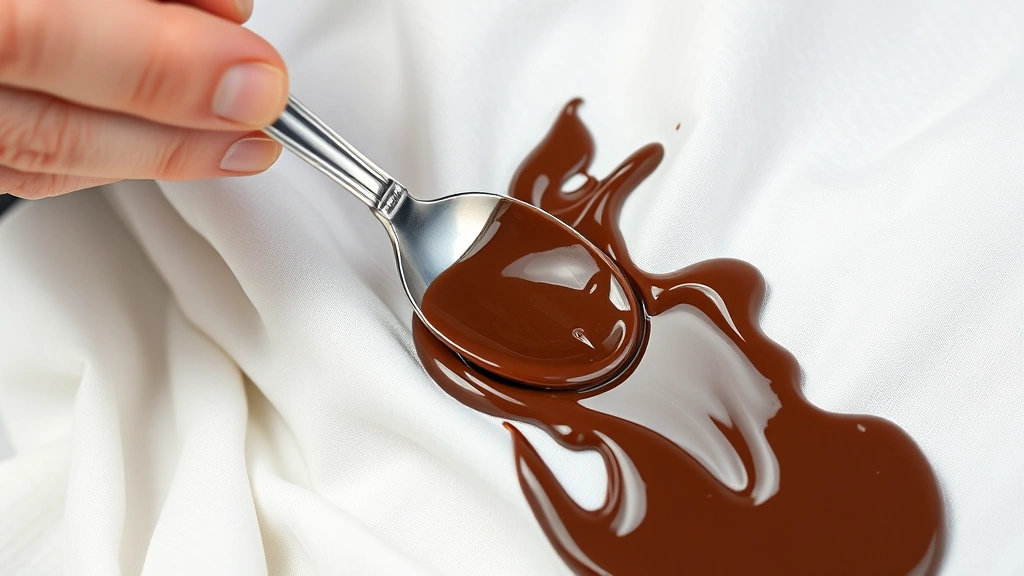
Start by removing excess chocolate immediately. Use a spoon, dull knife, or the edge of a credit card to gently scrape away any solid chocolate. Avoid rubbing the stain, as this pushes chocolate deeper into the fabric weave and spreads it across a larger area. Work from the outer edges toward the center to contain the stain.
For liquid chocolate or chocolate sauce, blot the area with a clean white cloth or paper towel. Press down gently to absorb moisture without grinding the stain further into the fabric. Change to a fresh section of cloth frequently to avoid redepositing chocolate back onto the garment. This blotting technique removes up to 70% of fresh chocolate stains before any cleaning solution is applied.
Resist the urge to rinse immediately with hot water, as heat can set protein-based chocolate components into the fabric. Instead, keep the stained area dry until you’re ready to apply your chosen treatment method.
Pre-Treatment Methods for Fresh Stains
Once you’ve removed excess chocolate, apply a pre-treatment solution directly to the stain. The effectiveness of your pre-treatment dramatically influences your overall success rate. Professional cleaners recommend several proven approaches depending on what you have available at home.
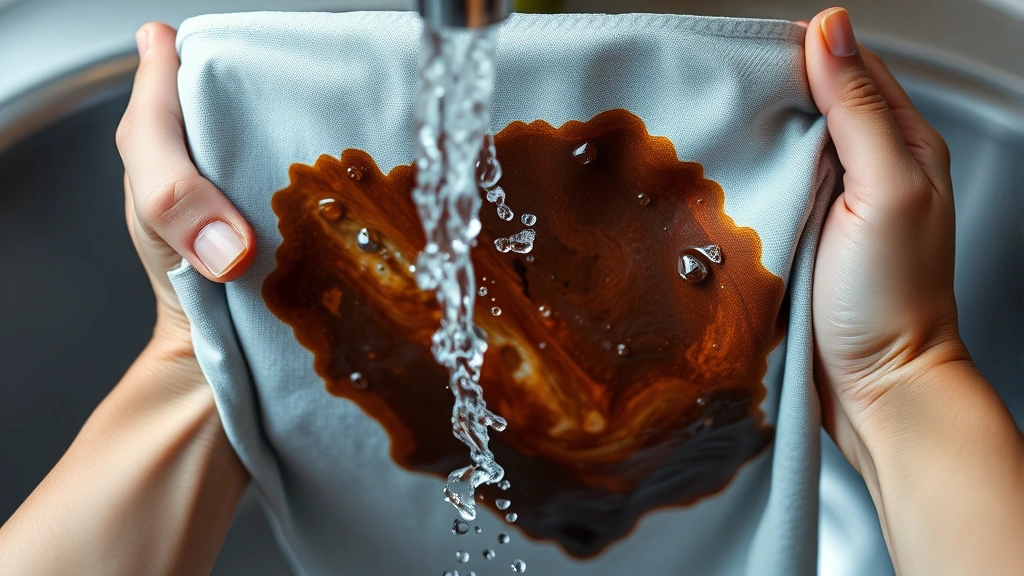
Cold Water Rinse Method: Hold the stained fabric under cold running water, allowing water to flow through the back of the stain. This pushes chocolate particles out of the fabric rather than driving them deeper. Let cold water run through for 30-60 seconds, then flip the garment and repeat from the opposite side. This simple technique works surprisingly well on fresh stains.
Liquid Detergent Pre-Soak: Apply a small amount of liquid laundry detergent directly to the chocolate stain. Gently work it in using your fingers or a soft brush, creating a paste-like consistency. Let this sit for 5-10 minutes, allowing surfactants in the detergent to break down chocolate oils. The detergent essentially suspends chocolate particles so they can be washed away rather than settling into fibers.
Enzyme-Based Cleaner Application: Enzyme cleaners are particularly effective on chocolate because they break down organic compounds. Apply the enzyme cleaner according to package directions, typically allowing 30 minutes to several hours of contact time. Enzymes work continuously during this period, gradually breaking chocolate into smaller, more washable components.
If you’re dealing with milk chocolate specifically, which contains dairy proteins, enzyme-based cleaners with protease enzymes are especially effective. Dark chocolate, containing fewer proteins but more cocoa solids, responds well to surfactant-based detergents.
Washing and Rinsing Techniques
After pre-treatment, the washing phase is critical. Never proceed to the dryer until you’re completely certain the stain has been removed, as heat from drying will permanently set any remaining chocolate.
Rinse the pre-treated area thoroughly under cold water, working from the back of the fabric. Watch the water running off—you should see no brown discoloration. If brown water is still visible, continue rinsing and reapply detergent if necessary. Repeat the pre-treatment and rinsing cycle until rinse water runs clear.
For machine washing, use cold water and select a gentle cycle appropriate for your fabric type. Add your regular laundry detergent plus an additional boost—either more detergent or a stain-fighting additive. Wash the garment alone or with similar colors to prevent any residual chocolate from transferring to other items.
When washing delicate items, consider hand washing instead. Fill a basin with cold water and a small amount of gentle detergent. Submerge the stained garment and gently agitate for several minutes. Rinse thoroughly under cold running water until all soap residue is gone. Hand washing gives you more control and is gentler on delicate fabrics.
For stubborn stains that haven’t fully released, soak the garment in cold water with detergent for 30 minutes to several hours before washing. This extended contact time allows detergent to penetrate the stain more thoroughly.
Treating Set-In Chocolate Stains
If you’re discovering an old chocolate stain that has already dried and set, don’t panic. Set-in stains require more aggressive treatment, but removal is still possible with patience and the right approach.
Glycerin Method: Glycerin is a powerful solvent for dried chocolate stains. Apply pure glycerin directly to the stain and let it sit for 30-60 minutes. The glycerin penetrates dried chocolate, softening it and breaking down its bond with fabric fibers. After the glycerin has worked, rinse with cold water and treat with detergent as described above.
Vinegar and Detergent Solution: Mix equal parts white vinegar and liquid laundry detergent. Apply this mixture to the set-in stain and let it work for 15-20 minutes. The acidic vinegar helps dissolve chocolate while the detergent lifts it away from fibers. This combination is particularly effective on cotton and cotton-blend fabrics.
Hydrogen Peroxide Treatment: For white or light-colored fabrics, hydrogen peroxide can be effective on set-in chocolate stains. Test on an inconspicuous area first, as hydrogen peroxide can bleach some dyes. Apply 3% hydrogen peroxide directly to the stain, let it bubble for 5-10 minutes, then rinse thoroughly. The oxidizing action breaks down chocolate compounds.
For extremely stubborn set-in stains, you may need to repeat your chosen treatment method 2-3 times before the stain fully releases. Patience is essential—rushing the process or using excessive heat can make set-in stains permanent.

Fabric-Specific Strategies
Different fabrics require tailored approaches to chocolate stain removal. Understanding your fabric type prevents damage while maximizing cleaning effectiveness.
Cotton and Cotton Blends: These durable fabrics are forgiving and tolerate aggressive cleaning methods. Use cold water rinses, enzyme cleaners, and even gentle scrubbing with a soft brush. Cotton can handle extended soaking and multiple wash cycles without damage.
Wool and Delicate Fibers: Wool requires a gentler touch. Use cool water (not cold, which can shock wool fibers) and wool-specific detergent. Avoid vigorous rubbing or wringing. Hand wash delicate wool items rather than machine washing. When learning how to clean leather garments with chocolate stains, apply similar gentle principles since both materials are sensitive.
Silk and Delicate Synthetics: These fabrics demand extreme care. Use only cold water and the gentlest detergent available. Test any cleaning solution on a hidden seam first. Hand wash exclusively and avoid twisting or wringing. Silk stains should be treated quickly before they set, as silk fibers are prone to permanent discoloration.
Denim and Heavy Fabrics: These sturdy materials tolerate vigorous treatment. You can use hot water, stronger detergents, and even gentle scrubbing with a brush. Denim actually benefits from multiple wash cycles that might damage delicate fabrics.
Upholstered Furniture: For couches, chairs, and cushions, blot fresh chocolate immediately with a cloth. For pre-treatment, use a small amount of cold water or specialized upholstery cleaner applied with a spray bottle. Blot thoroughly to avoid over-wetting the fabric. For set-in stains on upholstery, consider professional cleaning services, as aggressive at-home treatment can damage backing materials.
Advanced Cleaning Solutions
When standard methods aren’t working, several advanced solutions can tackle even the most stubborn chocolate stains.
Rubbing Alcohol: Isopropyl alcohol is an excellent solvent for chocolate oils. Apply it directly to the stain using a cloth, working from the outside edges inward. Let it sit for 10 minutes, then rinse thoroughly with cold water. Alcohol works particularly well on synthetic fabrics and is safe for most washable garments.
Cream of Tartar and Lemon Juice: This natural paste is surprisingly effective. Mix cream of tartar with fresh lemon juice to form a paste, apply to the stain, and let dry completely. Brush away the dried paste and rinse. The acidic lemon juice combined with cream of tartar’s mild abrasive action lifts chocolate from fibers.
Borax Solution: For whites and light colors, borax provides powerful stain-lifting action. Dissolve one tablespoon of borax in one cup of warm water. Apply to the stain and let sit for 10-15 minutes. Rinse thoroughly with cold water. Avoid borax on delicate fabrics or dark colors that might bleach.
Oxygen-Based Bleach: This gentler alternative to chlorine bleach works on colored fabrics. Mix oxygen bleach powder with cold water according to package directions and soak the stained garment for 6-8 hours. This method is excellent for set-in stains that resist other treatments.
When using advanced solutions, always test on an inconspicuous area first. Some solutions can affect dyes or fabric integrity, and testing prevents costly mistakes. Allow at least 24 hours before assuming a treatment failed—sometimes results aren’t immediately visible.
Drying and Final Inspection
Once you’re confident the stain has been removed, proper drying is essential. Never use a clothes dryer or high heat until you’ve confirmed complete stain removal, as heat will permanently set any remaining chocolate.
Air dry the garment instead. Hang it in a well-ventilated area away from direct sunlight (which can cause some dyes to fade). For delicate items, lay flat on a clean towel. Air drying allows you to inspect the garment before heat is applied.
Before declaring the stain completely gone, inspect the area under bright light. Wet stains can appear darker than they actually are, so allow the garment to dry completely before making a final assessment. If any trace of the stain remains, repeat your chosen treatment method before drying.
Once the stain is completely gone and the garment is dry, you can safely machine dry or iron as needed. If you’re managing multiple stains around your home, learning how to approach how to get rid of ants and other household challenges with systematic approaches applies similar problem-solving methodology.
For future chocolate incidents, keep these supplies on hand: cold water, liquid detergent, enzyme cleaner, white vinegar, and white cloth or paper towels. Having these materials readily available means you can respond immediately to fresh stains before they set.
FAQ
Can I use hot water to remove chocolate stains?
No. Hot water sets chocolate stains by melting chocolate oils deeper into fabric fibers. Always use cold water for chocolate stain removal. If you’ve already used hot water, don’t worry—the stain isn’t necessarily permanent, but it will require more aggressive treatment methods like enzyme cleaners or glycerin.
How long can I wait before treating a chocolate stain?
Fresh chocolate stains are easiest to remove within the first hour, but you can successfully treat stains that are several days old. The longer you wait, the more the stain sets into fibers, requiring stronger treatments. If you discover an old chocolate stain, pre-soak the garment in cold water with detergent for several hours before washing.
Will chocolate stains come out in the washing machine?
Yes, if the stain is fresh and you’ve pre-treated it properly. However, don’t rely on the washing machine alone for stain removal. Always pre-treat with cold water rinse or detergent application first, then wash in cold water. For set-in stains, pre-soaking is essential before machine washing.
What’s the difference between milk chocolate and dark chocolate stains?
Milk chocolate contains dairy proteins, making it respond well to enzyme cleaners with protease enzymes. Dark chocolate contains more cocoa solids and cocoa butter oils, responding better to surfactant-based detergents and alcohol-based solvents. Both types should be treated with cold water, but the specific cleaning solution choice matters.
Can I use bleach on chocolate stains?
Chlorine bleach is too harsh for most fabrics and can cause yellowing or damage. Use oxygen-based bleach instead, which is gentler and works on colored fabrics. Always test bleach of any kind on an inconspicuous area first, as it can affect dyes.
What if the stain returns after washing?
Sometimes chocolate stains reappear after washing if the stain wasn’t completely removed before drying. If this happens, don’t despair. Treat it again using a different method—if you used detergent first, try enzyme cleaner or glycerin next. Repeat the process until the stain is completely gone before drying.
Are there professional services for stubborn chocolate stains?
Yes. Professional dry cleaners have access to industrial-strength solvents and equipment that can remove stains resistant to home treatment. For valuable garments or delicate fabrics, professional cleaning is often worth the investment. Let them know the stain is chocolate so they can apply appropriate treatment methods.

Related Posts

Superscript in Google Docs: Expert Tips

Strikethrough in Excel: Easy Steps for Beginners
