

Fix Deviated Septum Naturally? Experts Weigh In
Fix Deviated Septum Naturally? Experts Weigh In
A deviated septum occurs when the wall of cartilage and bone dividing your nasal passages is displaced to one side, restricting airflow and potentially causing breathing difficulties, sleep disruption, and chronic sinus issues. Many people wonder whether they can address this condition without undergoing surgical intervention, seeking natural remedies and management techniques that might alleviate symptoms and improve quality of life.
While surgery remains the only way to physically straighten a severely deviated septum, medical professionals and wellness experts agree that several non-surgical approaches can significantly reduce symptoms and help you breathe easier. This comprehensive guide explores evidence-based natural methods, lifestyle modifications, and when professional intervention becomes necessary.
Understanding Your Deviated Septum
The nasal septum is the thin wall separating your left and right nasal passages. When this structure deviates significantly from the midline, it can obstruct airflow on one or both sides. Some people are born with this condition, while others develop it through trauma, accidents, or contact sports injuries. According to structural health resources, understanding the anatomy of your specific deviation is the first step toward effective management.
The severity of deviation varies greatly among individuals. Some people have significant anatomical deviation yet experience minimal symptoms, while others with smaller deviations suffer considerable breathing difficulties. This variation occurs because symptoms depend not only on the degree of deviation but also on surrounding tissue inflammation, turbinate size, and individual sensitivity.
Before pursuing any treatment approach, consult an otolaryngologist (ENT specialist) for proper diagnosis. They can use nasal endoscopy to visualize the exact nature and extent of your deviation, helping determine which natural management strategies will be most effective for your specific situation.
Nasal Saline Rinses and Irrigation
One of the most effective and evidence-backed natural remedies for deviated septum symptoms is regular nasal saline irrigation. This technique involves flushing your nasal passages with a saltwater solution to reduce inflammation, clear mucus buildup, and temporarily improve airflow. Research published in medical journals consistently demonstrates that saline rinses reduce nasal congestion and improve breathing quality without side effects.
How to perform saline rinses:
- Use a neti pot, saline spray bottle, or squeeze bottle designed for nasal irrigation
- Mix distilled water with non-iodized salt (use pre-packaged saline packets for proper concentration)
- Lean over a sink, tilt your head, and gently pour or spray the solution into your upper nostril
- Allow the solution to drain through the lower nostril or back of your throat
- Repeat on the other side, using fresh solution
- Gently blow your nose to clear remaining fluid
Perform saline rinses once or twice daily, especially after exposure to dry air, pollution, or allergens. Many users report improved symptoms within days of starting this routine. The key is consistency—regular rinses work better than sporadic use.
For those new to nasal irrigation, start with lower concentrations and gradually increase to standard saline strength. This helps your nasal tissues adjust to the process. Always use distilled or boiled water to avoid introducing bacteria or contaminants into your nasal passages.
Humidification and Environmental Control
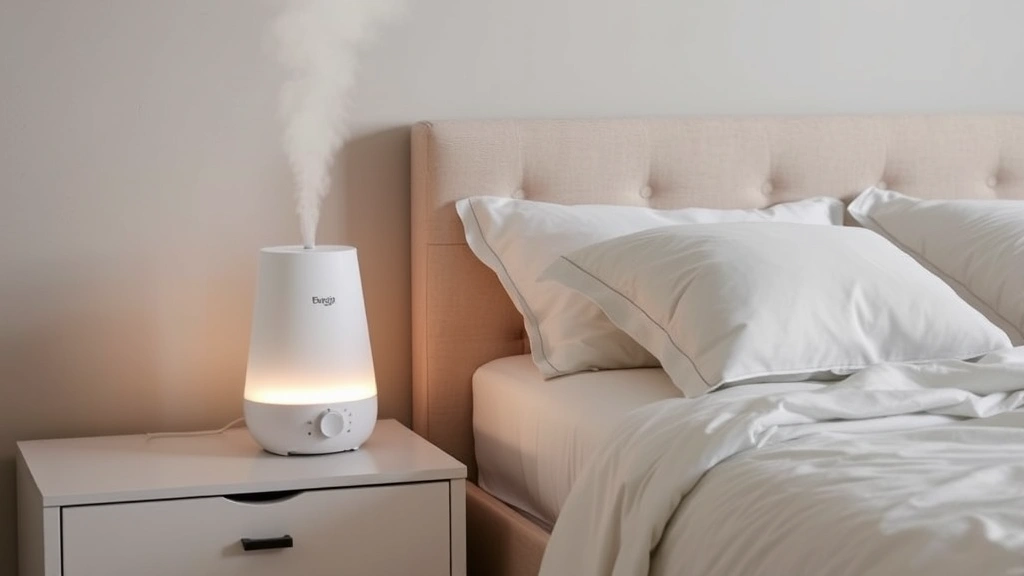
Dry air exacerbates deviated septum symptoms by irritating nasal tissues and increasing inflammation. Adding moisture to your environment is a simple yet powerful natural strategy that costs little and requires minimal effort.
Humidity optimization techniques:
- Use a humidifier in your bedroom during sleep to maintain 40-60% humidity levels
- Run a cool-mist humidifier if you have a deviated septum, as warm mist can sometimes increase congestion
- Spend time in steamy bathrooms or take hot showers to temporarily open nasal passages
- Keep a bowl of water near heating vents during winter months
- Avoid excessive air conditioning, which dries nasal passages
- Stay hydrated by drinking adequate water throughout the day
Many people with deviated septa notice their symptoms worsen during winter when heating systems dry indoor air significantly. By maintaining proper humidity levels, you create an environment where your nasal tissues remain moist and less inflamed, improving airflow through even a deviated passage.
Anti-Inflammatory Approaches
Since inflammation often compounds the breathing difficulties caused by structural deviation, reducing inflammation throughout your body can meaningfully improve symptoms. Several natural anti-inflammatory strategies show promise.
Dietary anti-inflammatory measures:
- Increase omega-3 fatty acid intake through fish, flaxseeds, and walnuts
- Consume turmeric and curcumin-rich foods, which have natural anti-inflammatory properties
- Include ginger in your diet through tea, cooking, or supplements
- Eat plenty of colorful vegetables high in antioxidants
- Reduce processed foods and refined sugars that promote inflammation
- Consider quercetin-rich foods like apples, berries, and onions
Additionally, steam inhalation provides temporary relief by reducing inflammation in nasal tissues. Boil water, pour it into a bowl, drape a towel over your head, and breathe deeply for 5-10 minutes. Adding eucalyptus oil or menthol can enhance the effect. While this relief is temporary, regular steam inhalation combined with other methods creates cumulative benefits.
Some individuals report that nasal corticosteroid sprays help reduce inflammation around the deviated septum, making breathing easier. These over-the-counter medications are generally safe for long-term use and work by decreasing swelling in nasal tissues. Consult your doctor about whether this option suits your situation.
Nasal Strips and Breathing Aids
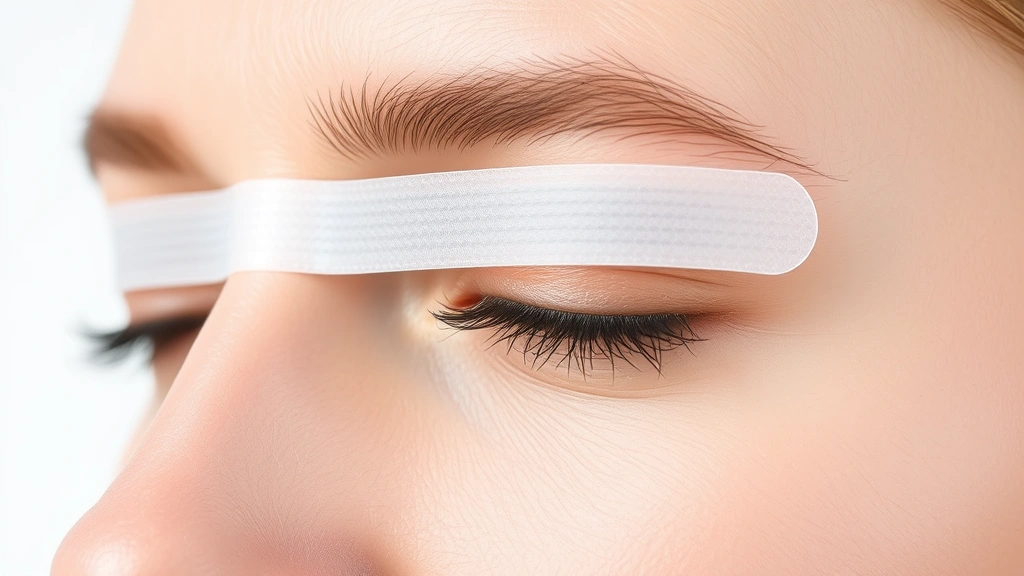
Nasal dilator strips offer a mechanical solution to improve airflow without medication or invasive procedures. These adhesive strips stick across the bridge of your nose and gently pull the nostrils open, increasing the nasal passage opening and reducing resistance to airflow.
Using nasal strips effectively:
- Clean and dry the skin across your nose bridge completely before application
- Center the strip and press down firmly from the center outward
- Wear strips during sleep or throughout the day as needed
- Replace daily with fresh strips for optimal adhesion
- Use in combination with saline rinses for enhanced results
While nasal strips don’t address the underlying structural problem, they provide meaningful temporary relief for many people. They’re particularly helpful during sleep, helping you maintain better breathing throughout the night and reducing sleep disruption.
Internal nasal dilators—small devices inserted into the nostrils to hold passages open—represent another option. These work similarly to external strips but offer hands-free operation and can be worn continuously. Research indicates they’re effective for mild to moderate obstruction, though comfort varies among users.
Sleep Position Optimization
How you sleep significantly impacts breathing quality when dealing with a deviated septum. Your sleep position affects gravity’s influence on nasal tissues and can either worsen or improve nighttime breathing.
Sleep position recommendations:
- Sleep with your head elevated at 30-45 degrees using extra pillows or a wedge pillow
- Avoid sleeping on the side where your septum deviates, as gravity worsens obstruction on that side
- Try sleeping on the opposite side to keep the more open passage positioned higher
- Maintain consistent sleep posture throughout the night by using body pillows
- Avoid sleeping flat on your back, which allows gravity to pull tissues backward
Many people with deviated septa report dramatic improvements in sleep quality simply by adjusting their sleeping position. The elevation reduces fluid accumulation in nasal tissues overnight, while strategic side-sleeping optimizes which passages gravity affects.
Combining positional changes with other strategies—such as using a humidifier and nasal strips—creates a comprehensive sleep improvement plan that addresses multiple factors contributing to nighttime breathing difficulties.
Allergy and Sinus Management
Allergies and sinus inflammation dramatically worsen symptoms in people with deviated septa. Managing allergies becomes particularly important because reducing inflammation in nasal tissues can significantly improve functional airflow through the deviated passage.
Allergy management strategies:
- Identify and minimize exposure to personal allergens through environmental control
- Use HEPA filters in your bedroom and home to reduce airborne allergens
- Wash bedding weekly in hot water to remove dust mites and allergens
- Consider over-the-counter antihistamines or consult your doctor about prescription options
- Use nasal corticosteroid sprays to reduce allergic inflammation
- Keep windows closed during high pollen seasons
Chronic sinusitis often accompanies deviated septa because the deviation can obstruct normal sinus drainage. If you experience recurrent sinus infections or chronic post-nasal drip, addressing these issues becomes essential for symptom management. Regular saline rinses help clear sinus passages and prevent infections.
For comprehensive sinus support, consider consulting an ENT specialist about whether you have concurrent sinus issues requiring specific treatment beyond deviated septum management.
When Surgery Becomes Necessary
While natural approaches can significantly improve quality of life, they have limitations. Surgery may become necessary when:
- Symptoms severely impact sleep, work productivity, or daily activities despite consistent natural management
- The deviation causes obstructive sleep apnea or other serious breathing disorders
- Chronic sinus infections result directly from the deviation’s obstruction
- You’re unable to tolerate CPAP therapy for sleep apnea due to nasal obstruction
- Breathing difficulty worsens progressively despite natural interventions
Septoplasty, the surgical procedure to straighten a deviated septum, has high success rates when performed by experienced surgeons. Recovery typically takes 1-2 weeks for basic activities and several weeks for full healing. Many patients report substantial improvements in breathing quality post-surgery.
The decision between continuing natural management and pursuing surgery is deeply personal and depends on symptom severity, impact on quality of life, and individual preferences regarding medical intervention. Some people achieve excellent results with natural approaches alone, while others benefit greatly from surgical correction.
Before considering surgery, ensure you’ve consistently implemented natural strategies for at least several months. This approach helps you understand your baseline symptom severity and whether natural methods can adequately address your specific situation.
FAQ
Can a deviated septum heal on its own?
No, a deviated septum cannot straighten itself naturally. The structural deviation is permanent without surgical intervention. However, managing inflammation and utilizing natural strategies can significantly improve breathing and reduce symptoms, making the deviation feel less problematic in daily life.
How long do natural remedies take to show results?
Nasal strips and steam inhalation provide immediate temporary relief, while saline rinses and humidification typically show noticeable improvements within 3-7 days of consistent use. Anti-inflammatory dietary changes may take 2-4 weeks to demonstrate meaningful effects. Results vary based on individual physiology and deviation severity.
Are nasal corticosteroid sprays safe for long-term use?
Yes, over-the-counter nasal corticosteroid sprays are generally safe for long-term use when used as directed. They work locally in nasal tissues with minimal systemic absorption. However, consult your doctor before starting any new medication, especially if you have other health conditions or take other medications.
Can exercise help with deviated septum symptoms?
Regular cardiovascular exercise improves overall circulation and reduces inflammation throughout your body, potentially helping with deviated septum symptoms. However, intense exercise in cold, dry air may temporarily worsen symptoms. Exercise in warm, humid environments or indoors when possible.
What’s the success rate of septoplasty surgery?
Septoplasty has success rates between 80-90% for improving breathing, though satisfaction varies. Some patients achieve complete symptom resolution, while others experience partial improvement. Success depends on surgeon experience, the extent of deviation, and whether concurrent issues like allergies or sinus problems exist.
Should I try natural remedies before seeing a doctor?
It’s advisable to see an ENT specialist for proper diagnosis before starting any treatment plan. A professional evaluation ensures you have a deviated septum and not another condition causing similar symptoms. Once diagnosed, you can confidently pursue natural management strategies with medical guidance.
Can a deviated septum cause headaches?
While a deviated septum itself doesn’t typically cause headaches, associated sinus obstruction and pressure can contribute to sinus headaches or migraines in some individuals. Managing inflammation and improving sinus drainage through natural methods often helps reduce headache frequency and severity.

Related Posts

Superscript in Google Docs: Expert Tips

Strikethrough in Excel: Easy Steps for Beginners
