

Discover Your Perfect Ring Size for Online Shopping Success
Shopping for rings online has revolutionized the jewelry industry, offering unprecedented convenience and selection. However, one critical challenge remains: ensuring the perfect fit without trying the ring on first. Getting your ring size wrong can lead to costly returns, sizing fees, or worse – a beautiful ring that sits unworn in your jewelry box.
Understanding how to find your ring size accurately is essential for successful online jewelry purchases. Whether you’re buying an engagement ring, wedding band, or fashion jewelry, precise measurements can save you time, money, and disappointment. This comprehensive guide will walk you through professional methods, DIY techniques, and expert tips to ensure your next online ring purchase fits perfectly.
Understanding Ring Sizing Systems
Ring sizing systems vary globally, creating potential confusion for online shoppers. In the United States, ring sizes typically range from 3 to 13, with quarter and half sizes available for precise fitting. The Gemological Institute of America provides standardized guidelines that most American jewelers follow.
European sizing uses a different numerical system, typically ranging from 44 to 76, while the UK employs letters from A to Z. Understanding these differences is crucial when purchasing from international retailers. Many online jewelry stores provide conversion charts, but it’s essential to verify which sizing system they’re using before making a purchase.
The circumference measurement method, expressed in millimeters, offers the most universal approach. This system measures the inner circumference of the ring, providing consistent results regardless of regional sizing conventions. Most professional jewelers can convert between systems accurately, making this measurement particularly valuable for online shopping.
Professional Ring Sizing Methods
The most accurate way to determine your ring size involves visiting a professional jeweler. They use specialized tools called ring sizers – metal rings in various sizes that you can try on to find the perfect fit. Professional jewelers also possess mandrels, graduated measuring tools that provide precise measurements when combined with existing rings.
Many jewelry stores offer complimentary ring sizing services, even if you’re not purchasing from them. This investment in professional measurement can save significant money on returns and resizing fees later. Professional jewelers also understand how different ring styles, widths, and materials affect sizing requirements.
Some jewelry chains provide mobile ring sizing services or host sizing events at malls and community centers. These events offer professional-grade measurements in convenient locations, making it easier to get accurate sizing without scheduling a formal appointment.
DIY Ring Size Measurement Techniques
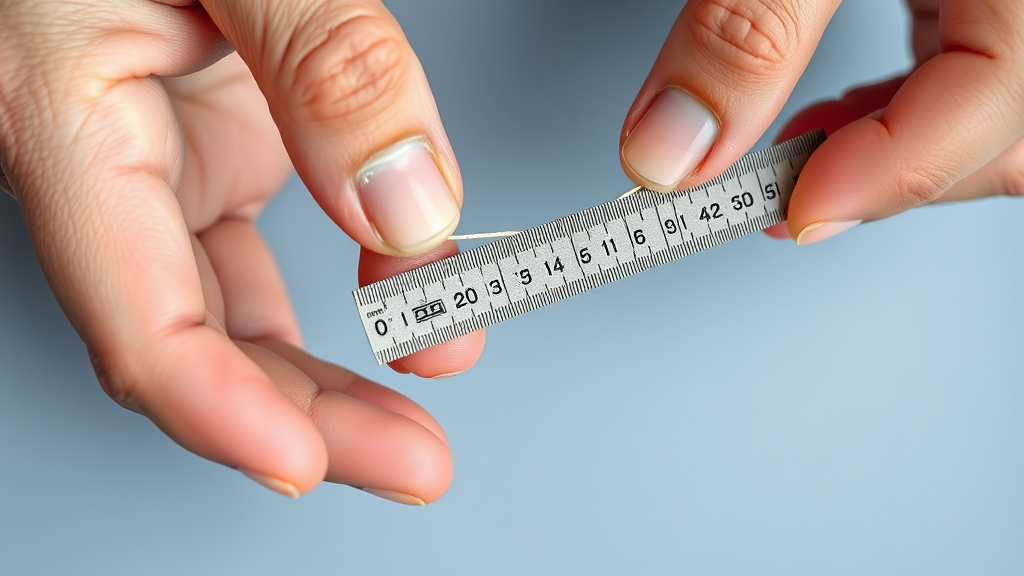
When professional sizing isn’t immediately available, several DIY methods can provide reasonably accurate results. The string or paper strip method involves wrapping a thin strip around your finger and marking where it overlaps. Measure this length in millimeters and compare it to standard ring size charts.
For this method to work effectively, use non-stretchy materials like dental floss or thin paper strips. Avoid using elastic materials or thick strings that can provide inaccurate measurements. The ring size measurement technique requires careful attention to tension – wrap snugly but not tightly.
Another popular DIY approach involves using an existing ring that fits well. Place the ring on a ruler or printable ring sizer to determine its inner diameter. This method works best with rings worn on the same finger where you’ll wear the new ring, as finger sizes vary significantly between different digits.
Digital calipers provide the most precise DIY measurements for existing rings. Measure the inner diameter of a well-fitting ring and convert this measurement to standard ring sizes using online conversion tools. This method eliminates guesswork and provides measurements accurate to within fractions of millimeters.
Factors That Affect Ring Size
Ring size fluctuates throughout the day due to various physiological factors. Fingers typically swell slightly in the evening and during warm weather, while cold temperatures and morning hours often result in smaller measurements. For the most accurate sizing, measure your finger during moderate temperature conditions in the late afternoon.
Hydration levels significantly impact finger size. Well-hydrated individuals often have slightly larger finger measurements than those who are dehydrated. Alcohol consumption, sodium intake, and certain medications can also cause temporary swelling that affects ring fit.
Ring width plays a crucial role in sizing requirements. Wider bands (over 6mm) typically require sizing up by a quarter to half size compared to narrow bands. This occurs because wider bands cover more finger surface area, creating a tighter sensation even when the circumference measurement is identical.
Pregnancy, weight fluctuations, and certain medical conditions can cause permanent or temporary changes to finger size. Consider these factors when purchasing rings, especially for long-term wear like wedding bands. Some couples choose to resize rings after major life changes rather than guessing at future sizing needs.
Online Tools and Resources
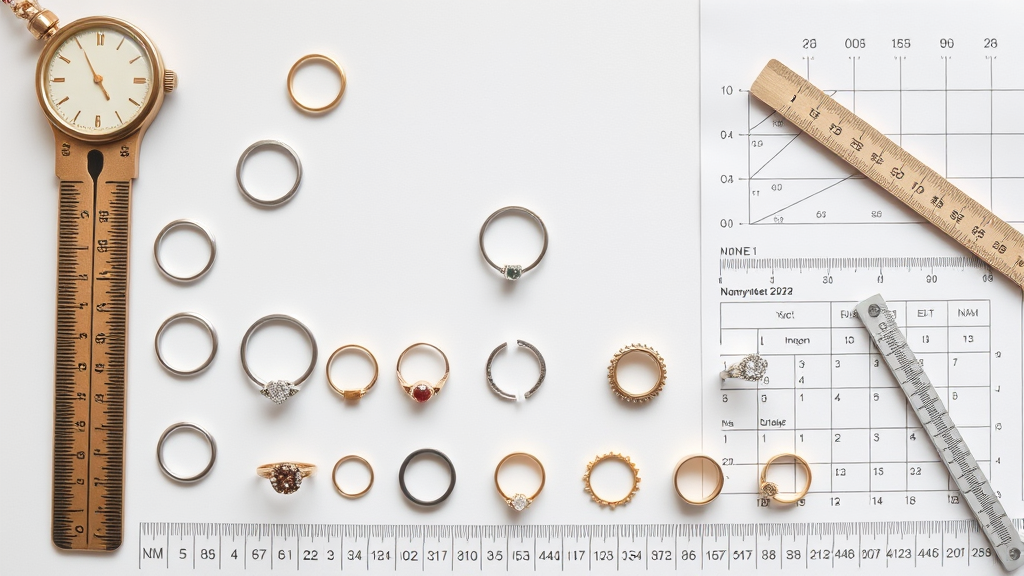
Numerous online resources can assist with ring sizing from home. Printable ring sizers, available from many jewelry retailers, provide templates you can print and use to measure your finger circumference. Ensure your printer settings are set to 100% scale without any size adjustments for accurate results.
Mobile apps now offer ring sizing capabilities using your smartphone’s camera and measurement tools. While convenient, these apps should be used as estimates rather than definitive measurements. The National Institute of Standards and Technology emphasizes the importance of calibrated measuring tools for accurate results.
Many online jewelry retailers offer free ring sizer kits upon request. These kits typically include plastic or metal sizing rings that you can try at home before purchasing. This service bridges the gap between professional sizing and DIY methods, providing more reliable results than string measurements alone.
Virtual try-on technology continues advancing, with some platforms offering augmented reality features that help visualize ring fit. While these tools enhance the shopping experience, they should complement rather than replace proper size measurement techniques.
Common Ring Sizing Mistakes to Avoid
One of the most common sizing errors involves measuring fingers at inappropriate times. Measuring immediately after exercise, during illness, or in extreme temperatures can yield inaccurate results. Similarly, measuring different fingers and assuming they’re the same size leads to poor fitting rings.
Many people underestimate how ring style affects sizing requirements. Comfort fit bands, which feature rounded interior edges, often require sizing down by a quarter size compared to flat interior bands. Similarly, rings with thick shanks or decorative elements may require different sizing than simple bands.
Ignoring knuckle size represents another frequent mistake. Some individuals have larger knuckles relative to their finger base, requiring rings sized to pass over the knuckle comfortably while still fitting snugly at the base. This situation may require professional consultation to balance comfort and security.
Using stretched or worn measuring tools produces unreliable results. String that has lost its original dimensions or printed sizers that weren’t printed to scale can cause significant sizing errors. Always verify your measuring tools against known standards when possible.
Expert Tips for Online Ring Shopping Success
Research the retailer’s sizing policies before purchasing. Understanding return policies, sizing exchange procedures, and any associated fees helps you make informed decisions. Many reputable online jewelers offer free sizing adjustments within specific timeframes, providing peace of mind for first-time online ring buyers.
Consider purchasing ring guards or sizing beads as temporary solutions if you’re between sizes. These adjustable accessories can help achieve a more secure fit without permanent ring modification. This approach is particularly useful for rings that will be worn infrequently or during different seasons.
When in doubt, size up rather than down for most ring styles. It’s generally easier and less expensive to size a ring down than to stretch it larger. However, this rule doesn’t apply to all ring designs, particularly those with continuous patterns or gemstone settings that cannot be altered.
Document your measurements using multiple methods and take photos of your measurement process. This documentation helps customer service representatives assist you more effectively if sizing issues arise. Just as you might need to understand waist measurement for clothing purchases, detailed ring measurements ensure better online shopping outcomes.
Consider the ring’s intended use when selecting sizes. Rings worn daily may benefit from slightly looser fits to accommodate natural finger size fluctuations, while occasional wear rings can fit more snugly. Wedding bands, in particular, should balance security with comfort for long-term wear.
Read customer reviews specifically mentioning sizing accuracy for the retailer and ring style you’re considering. Other customers’ experiences can provide valuable insights into whether particular designs run large, small, or true to size. Pay attention to reviews from customers with similar finger measurements to your own.
Frequently Asked Questions
How accurate are printable ring sizers compared to professional measurement?
Printable ring sizers can be quite accurate when printed correctly and used properly, typically within a quarter size of professional measurements. However, printer settings, paper thickness, and user technique can introduce errors. For expensive purchases, professional measurement remains the gold standard, but printable sizers work well for general sizing guidance.
Can I use the same ring size for all my fingers?
No, finger sizes vary significantly even on the same hand. Your ring finger is typically different from your middle finger or pinky, and sizes can vary between your left and right hands. Always measure the specific finger where you plan to wear the ring, and remember that dominant hands often have slightly larger fingers.
How much do ring sizes change with temperature?
Temperature can cause finger size fluctuations of up to a half size or more. Cold weather typically shrinks fingers, while heat causes expansion. For the most consistent measurements, size your finger at room temperature during moderate weather conditions, avoiding extreme heat or cold.
Should I size up or down if I’m between two sizes?
The answer depends on several factors including ring width, style, and intended use. For narrow bands (under 4mm), sizing down often works better. For wider bands or rings worn daily, sizing up provides more comfort. Consider the ring’s adjustability and your retailer’s sizing policies when making this decision.
How long should I wait after eating or exercising before measuring my ring size?
Wait at least 2-3 hours after heavy meals, intense exercise, or consuming alcohol before measuring ring size. These activities can cause temporary finger swelling that affects measurement accuracy. Similarly, avoid measuring first thing in the morning when fingers are typically at their smallest.
Do ring materials affect sizing requirements?
Yes, different materials can affect comfort and perceived fit. Some metals like tungsten cannot be resized, making accurate initial sizing crucial. Softer metals like gold and silver offer more resizing flexibility. Additionally, some people have sensitivities to certain metals that can cause finger swelling, affecting long-term fit.
What’s the best way to measure ring size for a surprise proposal?
For surprise proposals, try borrowing a ring from the recipient’s jewelry collection (preferably one worn on the ring finger), or ask close friends or family members who might know their size. You can also estimate based on their height and build using online calculators, though this method is less reliable. Many jewelers offer temporary sizing or exchange policies specifically for engagement ring purchases.

Related Posts

How Long to Boil Lobster Tails: Cooking Guide

How Long to Fly from New York to London? Travel Times
