
How to Find Out Who Owns a Property: Expert Tips
How to Find Out Who Owns a Property: Expert Tips for Real Estate Research
Whether you’re a curious neighbor, a prospective buyer, or someone conducting legitimate research, discovering property ownership information doesn’t require hiring an expensive investigator. In today’s digital age, most property records are surprisingly accessible to the general public—you just need to know where to look and which resources to trust.
Property ownership data is part of the public record in most jurisdictions, maintained by county assessors, tax collectors, and deed recording offices. These institutions have digitized vast amounts of information, making it easier than ever to trace who owns a particular parcel of land. The methods range from simple online searches to in-person visits to local government offices, each with varying levels of detail and ease of access.
This comprehensive guide will walk you through multiple proven strategies for uncovering property ownership information, whether you’re investigating a single residential home or conducting due diligence on commercial real estate. We’ll explore free resources, paid databases, and official channels that will help you get accurate answers quickly.
Check Your County Assessor’s Website
The county assessor’s office is your first and most reliable stop when trying to find property ownership information. Every county in the United States maintains detailed records about properties within its jurisdiction, including owner names, addresses, property descriptions, and assessed values. Most modern assessor offices have made these records searchable online for free.
Start by identifying which county the property is located in, then visit that county’s official website. Look for links labeled “Assessor,” “Property Search,” or “Public Records.” Many counties offer searchable databases where you can enter an address, parcel number, or owner name to retrieve ownership information. The process typically takes just a few minutes and requires no special credentials.
When conducting your search, have the complete street address handy. Some databases allow searches by owner name as well, which can be helpful if you know who you’re looking for but aren’t sure of the exact address. The results usually display the current owner’s name, mailing address, property details, and often the assessed property value.
One important note: some rural or less developed counties may not have fully digitized their records, requiring you to contact the assessor’s office directly by phone or mail. Don’t let this discourage you—county staff are generally helpful and can provide the information you need, sometimes within 24 hours.
Search Public Property Records Online
Beyond county assessor websites, several state-level and national property record databases aggregate information from multiple counties and make it accessible through a single search interface. These platforms compile data from public records, creating comprehensive searchable indexes that save you from checking individual county sites.
Websites like Zillow, Trulia, and similar real estate portals display current property ownership alongside listing information and property history. While these sites primarily focus on properties for sale, they maintain extensive ownership data that’s freely accessible. Simply enter the property address and browse through the available information, which often includes current and previous owners, purchase history, and property details.
Government-run sites such as state property record portals also maintain searchable databases. These official channels often provide more detailed information than commercial real estate sites, including full deed copies and historical ownership chains. The Federal Housing Administration maintains resources linking to state and local property record systems, making it easier to navigate the sometimes-confusing landscape of public records access.
When searching these platforms, pay attention to the data’s currency. Some databases update quarterly or annually, so the information might be slightly behind current reality, particularly for very recent property transfers. If you need absolutely current information, cross-reference your findings with the county assessor’s office.

Examine Deed and Title Records
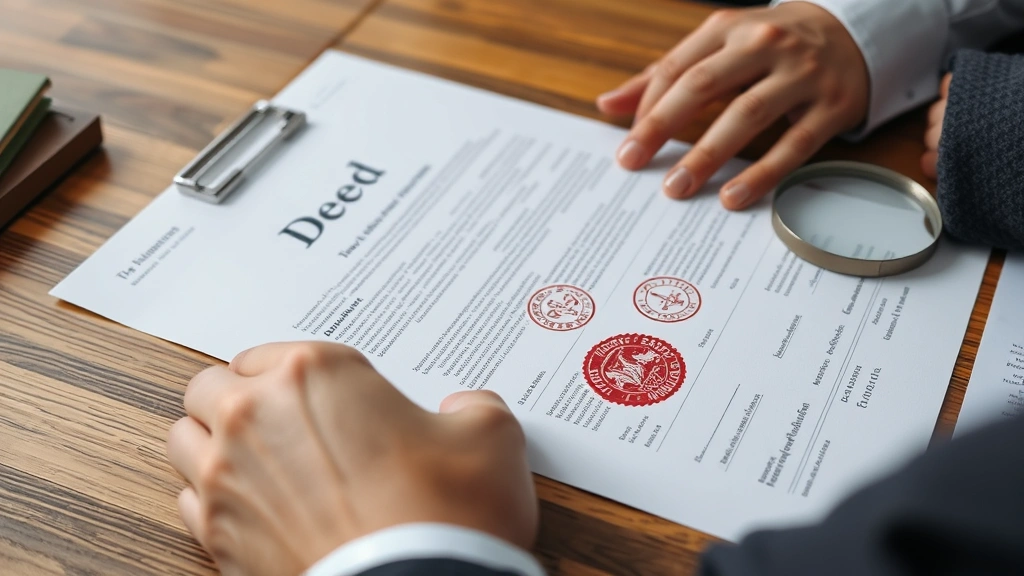
Deeds represent the legal documents that transfer property ownership from one party to another. Deed records are typically maintained by the county clerk or recorder’s office and are essential public documents. These records not only reveal who currently owns a property but also provide a complete chain of ownership going back years or even decades.
To access deed records, visit your county clerk or recorder’s website—usually labeled “County Clerk,” “Register of Deeds,” or “Recorder’s Office.” Most jurisdictions now offer online searchable deed databases free of charge. Search by property address or owner name to find relevant deeds. When you locate the correct deed, you can typically view or download a copy, though some counties charge nominal fees ($1-5) for certified copies.
Deed records reveal more than just ownership. They show the purchase price (in most cases), the date of transfer, any liens or encumbrances on the property, and often the names of both the seller and buyer. This historical information proves invaluable when you’re researching a property’s background or trying to understand its ownership evolution. If you’re considering a property investment, examining its deed history can reveal patterns about how long previous owners held the property and how many times it’s changed hands.
Some deed records date back over a century, creating an interesting historical trail. If you’re researching a property’s past, you might discover when it was originally subdivided from a larger parcel, how it changed hands through family generations, or significant legal events that affected the property.
Review Property Tax Records
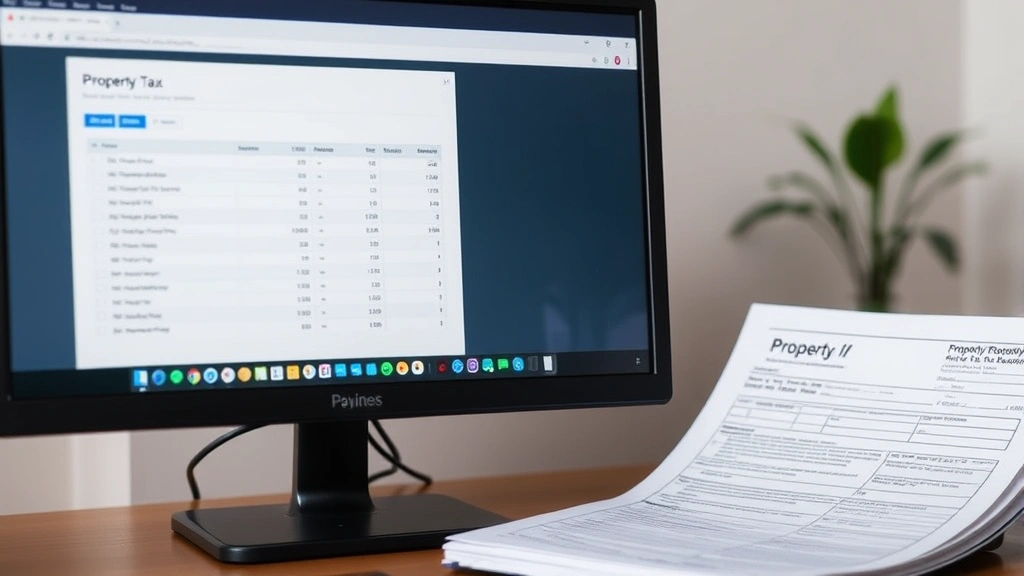
Property tax assessors maintain detailed ownership records because they need to bill the correct party for taxes. These tax records are public and often more current than deed records since they’re updated annually. The property tax record typically includes the current owner’s name and mailing address, property description, assessed value, and tax amount owed.
Access tax records through your county tax assessor’s or tax collector’s office website. Search by address or parcel number to find the current tax record. This information is particularly useful because it shows not just who owns the property but also who the county considers responsible for paying taxes—sometimes revealing interesting situations like trusts, corporations, or unexpected ownership structures.
Tax records can also indicate whether a property has unpaid taxes or liens, which is crucial information if you’re considering purchasing the property. Some counties display this information directly on their tax record pages, while others require you to contact the tax office directly. Understanding a property’s tax status can reveal financial problems that might affect its value or your ability to purchase it.
Use Third-Party Property Databases
Commercial property information services aggregate public records from thousands of counties and make them searchable through subscription-based or freemium platforms. Services like Zillow’s Zestimate, Redfin, PropertyShark, and others maintain extensive databases with owner information, property histories, and market data.
Many of these services offer free basic searches, though detailed reports might require a paid subscription. The advantage of using these platforms is convenience—you can search properties across multiple counties without visiting individual government websites. However, remember that the information comes from public records, so you’re not getting anything you couldn’t find for free through official channels; you’re simply paying for the convenience of aggregation and presentation.
Some specialized databases focus on specific property types or situations. For commercial properties, services like CoStar or LoopNet provide detailed ownership and lease information. For properties in foreclosure or with liens, specialized databases track these situations specifically. Choose the service that best matches your research needs and budget.
When evaluating third-party services, consider data accuracy and update frequency. The best services verify information against official government records and update regularly. Reading reviews and comparing multiple services helps you choose one that fits your needs. If you’re doing serious property research, you might use free government resources first, then verify findings through a paid service if needed.
Visit in Person at Local Offices
While online searches are convenient, sometimes nothing beats visiting the actual government office. County assessor, clerk, and recorder offices maintain physical files and employ staff who can help you navigate complex ownership situations. In-person visits work particularly well if you encounter difficulties with online databases or need to research older properties.
When visiting, bring the complete property address and be prepared to explain what information you’re seeking. Staff can direct you to the correct records and often provide photocopies or printouts. Some offices have computers available for public use where you can search their databases with assistance. This approach works especially well in smaller counties where staff can provide personalized help.
Call ahead before visiting to confirm office hours and ask whether you need to bring any documentation. Some offices require appointments for certain types of research, particularly if you need extensive historical records. Understanding the office’s procedures beforehand saves time and frustration.
In-person visits also allow you to ask follow-up questions that might not be answerable through online databases alone. Staff can explain unusual ownership structures, clarify confusing deed language, or point you toward additional resources if the property has a complicated history.
Specialized Research Techniques
For complex ownership situations, you might need to employ more advanced research methods. Properties owned by trusts, corporations, LLCs, or other entities require understanding the ownership structure beyond just finding the entity name. If you’re trying to find who truly owns a property held by a trust or corporation, you’ll need additional research.
For trust-owned properties, you might need to contact the trustee directly or review trust documents filed with the county. For corporate ownership, check your state’s Secretary of State office for corporate registration information. This might feel like a scavenger hunt, but it’s completely legal and often necessary for thorough property research.
If you’re investigating a property’s complete ownership history, you might need to go back through decades of deed records. This requires patience and often involves working backward from the current owner through previous owners. Some county recorder offices maintain historical indices that make this easier, while others require manual searching through old records.
Understanding basic real estate terminology helps with specialized research. Terms like “grantor” (the seller), “grantee” (the buyer), “encumbrance” (a claim against the property), and “lien” (a legal claim for unpaid debts) appear frequently in property documents. Learning these terms helps you interpret what you find.
Sometimes you’ll encounter properties with unclear ownership or disputed claims. In these situations, consulting a real estate attorney might be necessary. They have access to specialized legal databases and can interpret complex ownership documents that might confuse a casual researcher. While this costs money, it ensures accuracy when ownership is genuinely complicated.
Frequently Asked Questions
Is it legal to look up who owns a property?
Absolutely. Property ownership records are public information maintained by government agencies specifically for public access. Looking up this information is completely legal and requires no special permission. Government agencies maintain these records because transparency about property ownership is fundamental to how real estate markets function. However, remember that while accessing the information is legal, using the information must comply with relevant laws—for example, you can’t use property owner information for stalking or harassment.
How much does it cost to find property ownership information?
Most property ownership information is available free through government websites. County assessor and recorder offices provide free online searches in most jurisdictions. Some counties charge minimal fees ($1-5) for certified copies of documents. Commercial services like Zillow offer free basic searches with optional paid reports for detailed information. You should never need to pay more than a few dollars unless you’re purchasing a comprehensive property report from a commercial service.
Can I find property ownership information for properties outside my state?
Yes, but the process varies by state and county. Each state maintains its own property record systems, and while some states have centralized databases, others require searching individual counties. The National Association of Counties (NAC) maintains a directory of county assessor and recorder offices that can help you locate the right office for any property. Online aggregator services like Zillow can search properties nationwide, making interstate research easier.
What if the property is owned by an LLC or corporation?
Property records will show the LLC or corporation name as the owner, but finding the actual individuals behind that entity requires additional research. Check your state’s Secretary of State office website for corporate registration information, which usually includes registered agent names and sometimes owner information. For LLCs, many states require filing information that reveals members. If complete transparency is needed, consulting a real estate attorney might be necessary, as some states allow anonymous corporate ownership structures.
How current is the property ownership information I find online?
This varies by source. County tax records are typically updated annually and are usually quite current. Deed records are updated immediately when new deeds are recorded. Online aggregator services like Zillow might lag several months behind official records. For the most current information, check the county assessor or recorder’s website directly. If you’re making important decisions based on ownership information, verify findings with the official government source.
Can I find information about properties that are currently for sale?
Yes, and this information is often easiest to find. Real estate listing sites display current owners, asking prices, and property details. If a property isn’t listed, you can still find ownership through county records using the methods described above. The advantage of looking at listing sites first is that they often display current owner contact information directly, which might save you research time.
What if I can’t find ownership information online?
Contact the county assessor’s or recorder’s office directly by phone or mail. They can provide information even if their online database is incomplete or outdated. Some rural or older counties haven’t fully digitized their records, requiring manual searching. County staff are generally helpful and can guide you through alternative methods. Be prepared to provide the complete street address and possibly the parcel number to help them locate the correct property.

Related Posts

How Long to Boil Lobster Tails: Cooking Guide

How Long to Fly from New York to London? Travel Times
