

Banishing Moles: Expert Tips for a Mole-Free Yard
Banishing Moles: Expert Tips for a Mole-Free Yard
Discovering mole tunnels crisscrossing your lawn is frustrating. These small mammals create unsightly ridges, damage grass roots, and invite other pests to exploit their burrows. If you’re wondering how to exterminate moles from the yard, you’re not alone—thousands of homeowners battle these persistent creatures annually. The good news? With the right combination of strategies, you can reclaim your outdoor space and prevent future infestations.
Moles are surprisingly resilient and intelligent animals. They’re not rodents (they’re actually insectivores), and they don’t eat plants directly. Instead, they tunnel through soil hunting for grubs, earthworms, and insects. Understanding their behavior is the first step toward effective removal. This guide walks you through proven methods, from humane deterrents to professional-grade solutions, ensuring you choose the right approach for your situation.
Understanding Mole Behavior and Biology
Moles are solitary creatures that spend most of their lives underground. A single mole can tunnel up to 30 feet per day, creating extensive networks beneath your lawn. They’re most active during spring and fall when soil moisture is optimal and insect populations peak. Understanding these patterns helps you time your intervention effectively.
These animals have poor eyesight but exceptional senses of smell and touch. Their large, paddle-like front paws and streamlined bodies make them perfectly adapted for subterranean life. Unlike gophers or voles, moles don’t eat vegetation—they’re after the protein-rich insects living in your soil. This distinction matters because it affects which control methods will work best.
A mole’s territory typically spans 0.5 to 2 acres. They’re incredibly territorial and will aggressively defend their tunnels. If you have multiple moles, you’ll need comprehensive strategies rather than single-point solutions. Most infestations involve just one or two moles, but the damage they create makes it seem like an invasion.
Signs of a Mole Infestation
Early detection makes mole removal significantly easier. The most obvious sign is raised ridges running across your lawn—these are tunnels near the surface where moles hunt for food. You’ll also notice small mounds of dirt, particularly in spring and fall. These mounds mark deep burrow entrances and are less common than surface tunnels.
Wilting grass and dead patches indicate where moles have disrupted root systems. Soft, spongy soil underfoot suggests active tunneling. You might also see increased activity from other pests like grubs or voles, which exploit mole tunnels for their own purposes. If you notice any of these signs, it’s time to act—early intervention prevents extensive yard damage.
Check your yard systematically during wet weather when tunnels are easier to spot. Mark active tunnels with flags so you can monitor which ones the mole uses regularly. This information helps you place traps more effectively and determine whether you’re dealing with one mole or several.

Prevention Strategies
Prevention is always easier than removal. The most effective prevention method is eliminating the mole’s food source—grubs and other soil insects. Grub control treatments reduce the food supply that attracts moles in the first place. Apply grub killers in late summer or early fall to target larvae before they mature.
Install underground barriers around garden beds and high-value lawn areas. Mesh or hardware cloth barriers at least 6 inches deep and extending 3 inches above ground can prevent mole entry. While time-consuming, this method works well for protecting specific zones.
Keep your lawn well-maintained to make it less attractive. Moles prefer moist, soft soil rich in organic matter. Compacting soil, reducing thatch, and improving drainage can discourage tunneling. Regular aeration and lawn care create conditions less favorable for mole habitation.
Remove sources of standing water and excess moisture, as moles are attracted to damp soil where insects thrive. Ensure gutters, downspouts, and irrigation systems direct water away from problem areas. This dual benefit improves your lawn’s health while discouraging moles.
Trapping Methods
Trapping is the most effective way to exterminate moles from your yard permanently. Several trap types exist, each with different mechanisms. The key is proper placement on active tunnels and consistent monitoring.
Scissor traps (also called choker loops) are spring-loaded devices that compress when a mole passes through. They’re effective but require careful setup. Place them directly in the tunnel path, ensuring proper tension. Check daily and wear gloves—mole feces can carry parasites.
Pitfall traps involve digging down to the tunnel and inserting a bucket or container so the mole falls in when traveling through. This humane method allows relocation if desired. Cover the hole to prevent escape and check twice daily.
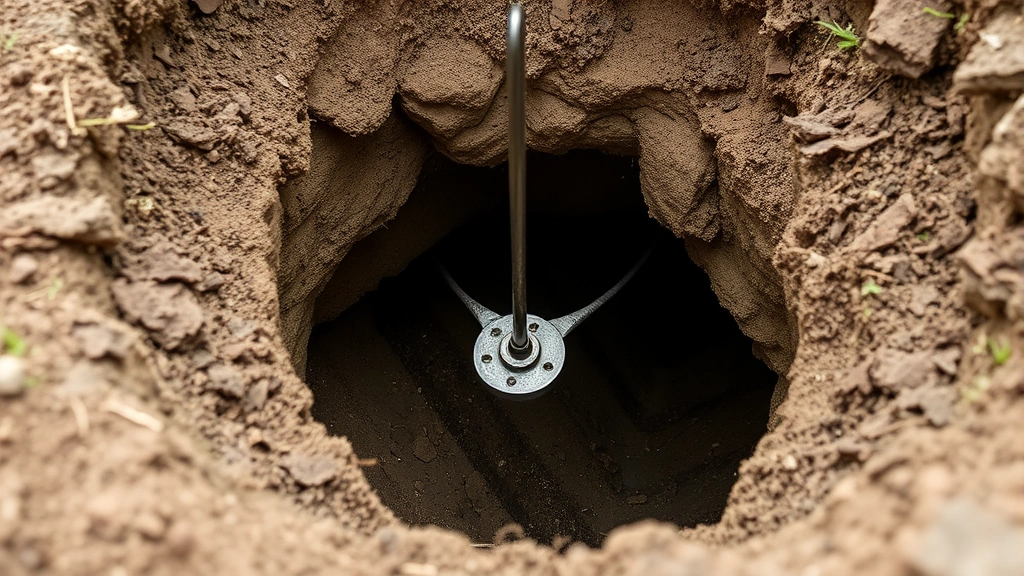
Harpoon traps have spikes that drive downward when triggered. They’re quick and effective but require precise placement. Family Handyman provides detailed trap setup instructions for various styles.
Success requires identifying active tunnels. Press down on ridges—if they pop back up within a day or two, the tunnel is active. Set multiple traps along the most active routes. Moles typically use established tunnels daily, so patience and proper placement yield results within a week.
Chemical and Natural Repellents
While less reliable than trapping, repellents offer an alternative approach. Castor oil-based repellents make soil taste unpleasant to moles. These products are pet-safe and environmentally friendly. Apply according to package directions, typically requiring multiple applications throughout the season.
Sonic and vibrating devices emit noise and vibrations intended to drive moles away. Results are mixed—some homeowners swear by them while others see no effect. They’re inexpensive enough to try, but don’t rely on them as your sole solution.
Milky spore is a naturally occurring bacterium that kills grubs, eliminating the mole’s food source. This long-term solution takes time to establish but creates lasting results without chemicals. Apply in spring or fall according to product instructions.
Beneficial nematodes work similarly to milky spore, targeting grub larvae. They’re effective, safe, and improve soil health. Combine with grub control measures for maximum impact on the mole’s food supply.
Mole poison baits shaped like grubs or earthworms are available but less effective than traps. Moles are picky eaters and may reject artificial baits. If using poison, follow all safety precautions and keep away from children and pets.
Professional Removal Options
If DIY methods fail after 2-3 weeks of effort, professional help makes sense. Pest control specialists have access to stronger tools, better traps, and proven expertise. They understand local mole populations and seasonal behaviors.
Professionals typically use a combination of trapping and exclusion methods. They’ll identify all active tunnels, set multiple traps, and monitor them regularly. Many offer guarantees—if moles return within a specified period, they’ll return to treat at no extra cost.
Ask potential contractors about their methods before hiring. Reputable companies use humane traps and follow local wildlife regulations. This Old House reviews top pest control services in many regions.
Expect to pay $200-$500 for professional removal, depending on infestation severity and your location. While expensive, this investment protects your lawn and saves time compared to weeks of DIY trapping.
Lawn Recovery and Maintenance
After removing moles, your lawn needs restoration. Mole tunnels collapse and create soft, uneven soil. Walking on these areas compacts them, eventually creating ruts.
First, rake out dead grass and smooth the soil. Press down on tunnels to collapse them, then work topsoil into depressions. Seed affected areas with quality grass seed matched to your climate and lawn type.
Water consistently for 2-3 weeks as new grass establishes. Keep traffic off recovering areas until grass reaches mowing height. Avoid heavy foot traffic on previously infested zones for at least a month.
Implement ongoing prevention to avoid future infestations. Maintain regular lawn care routines that discourage moles. Continue grub control annually, keep soil properly drained, and monitor for early signs of new activity.
Consider installing barriers around the lawn perimeter if moles are common in your area. Underground fencing at least 6 inches deep prevents new moles from entering while allowing beneficial soil organisms to thrive.
Healthy, well-maintained lawns are less attractive to moles than neglected ones. Consistent care provides long-term protection beyond the initial removal effort.
FAQ
How long does it take to get rid of moles?
With trapping, expect results within 1-2 weeks if you’ve correctly identified active tunnels. Some infestations resolve in days; stubborn cases may take 3-4 weeks. Professional removal typically takes 1-2 weeks with ongoing monitoring.
Are moles dangerous to humans?
Moles don’t bite or attack humans. They’re solitary and prefer avoiding contact. However, their feces can carry parasites, so wear gloves when handling traps. They pose no direct health threat but create property damage.
Can I relocate moles instead of killing them?
Many people prefer humane relocation using pitfall traps. Check local wildlife regulations before relocating—some areas require permits or prohibit relocation of certain species. Always release relocated moles on private property with the owner’s permission.
Will removing grubs eliminate moles?
Grub control reduces the mole’s food source, making your yard less attractive. However, moles also eat earthworms and other soil insects, so grub removal alone won’t eliminate them. Use it as part of a comprehensive strategy.
How can I tell if I have moles or voles?
Moles create raised ridges and small dirt mounds; voles create surface runways and eat vegetation. Moles are solitary; vole infestations often involve multiple animals. If you see gnawed plant stems, you likely have voles, not moles.
What’s the best time to treat for moles?
Spring and fall are most effective, when moles are most active and soil conditions are ideal for treatment. However, you can trap moles year-round if you identify active tunnels. Winter activity decreases but doesn’t stop entirely in most climates.
Do ultrasonic repellents work?
Scientific evidence for ultrasonic devices is limited. Some homeowners report success; others see no effect. They’re inexpensive to try but shouldn’t be your only solution. Combine them with other methods for better results.

Related Posts

Superscript in Google Docs: Expert Tips

Strikethrough in Excel: Easy Steps for Beginners
