How to Eat Passion Fruit? Expert Tips
How to Eat Passion Fruit: Expert Tips for Enjoying This Exotic Delicacy
Passion fruit is a tropical gem that many home cooks discover but aren’t quite sure how to tackle. With its tough, wrinkled exterior and jewel-like interior, this exotic fruit can seem intimidating at first glance. However, once you understand the basics of selecting, cutting, and consuming passion fruit, you’ll unlock a world of culinary possibilities. Whether you’re enjoying it fresh, adding it to desserts, or incorporating it into beverages, this guide will walk you through every step of the process.
The passion fruit’s unique flavor profile—a perfect balance of sweet and tart—makes it a favorite among chefs and home cooks alike. Unlike many fruits that require peeling or coring, passion fruit offers a simple eating experience once you know the technique. In this comprehensive guide, we’ll cover everything from identifying ripe fruit to extracting and using the pulp in your favorite recipes.
Selecting Ripe Passion Fruit
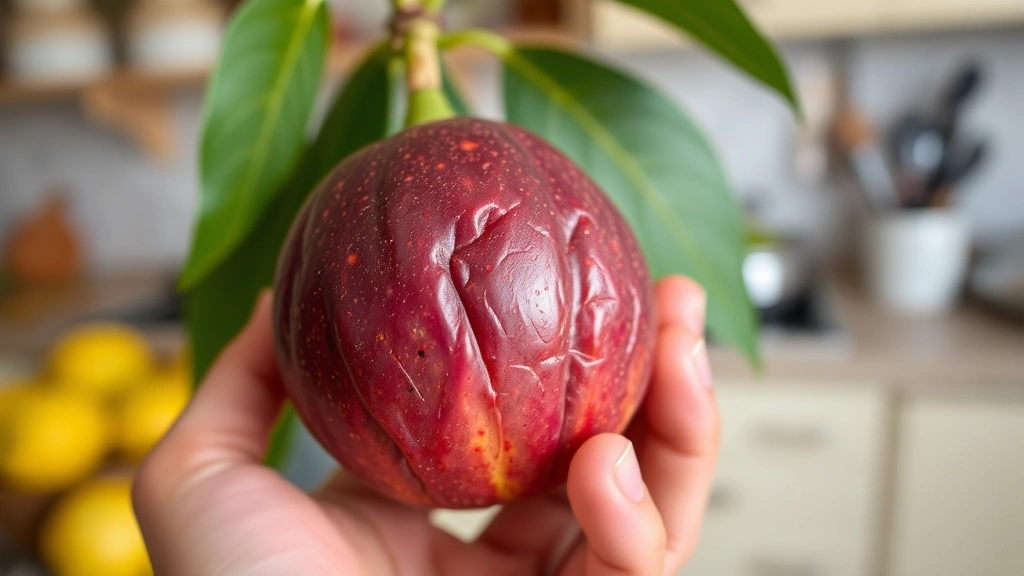
The first step in learning how to eat passion fruit is choosing the right one. A ripe passion fruit should feel heavy for its size, indicating juicy flesh inside. The exterior will appear wrinkled and dimpled, which is a sign of peak ripeness rather than decay. Unlike many fruits, passion fruit actually becomes sweeter as the skin wrinkles more.
When you’re at the market, gently squeeze the fruit with your palm—it should yield slightly to pressure but not feel mushy. The color varies by variety; some are deep purple, while others are yellow or red. A ripe passion fruit will emit a fragrant, tropical aroma when you bring it close to your nose. If the fruit feels hard and smooth-skinned, it needs more time to ripen. You can leave unripe passion fruit on your countertop for several days until the skin develops those characteristic wrinkles.
The weight of the fruit is crucial. Two passion fruits of similar size should feel noticeably different if one is ripe and the other isn’t. The ripe one will be heavier because it’s packed with juice. This is a reliable indicator you can use even if you’re unfamiliar with the fruit’s appearance.
Preparing Your Passion Fruit
Once you’ve selected your perfect passion fruit, preparation is straightforward. You’ll need a sharp knife and a cutting board. Wash the exterior under cool running water and pat it dry with a clean towel. This removes any dirt or residue from handling and shipping.
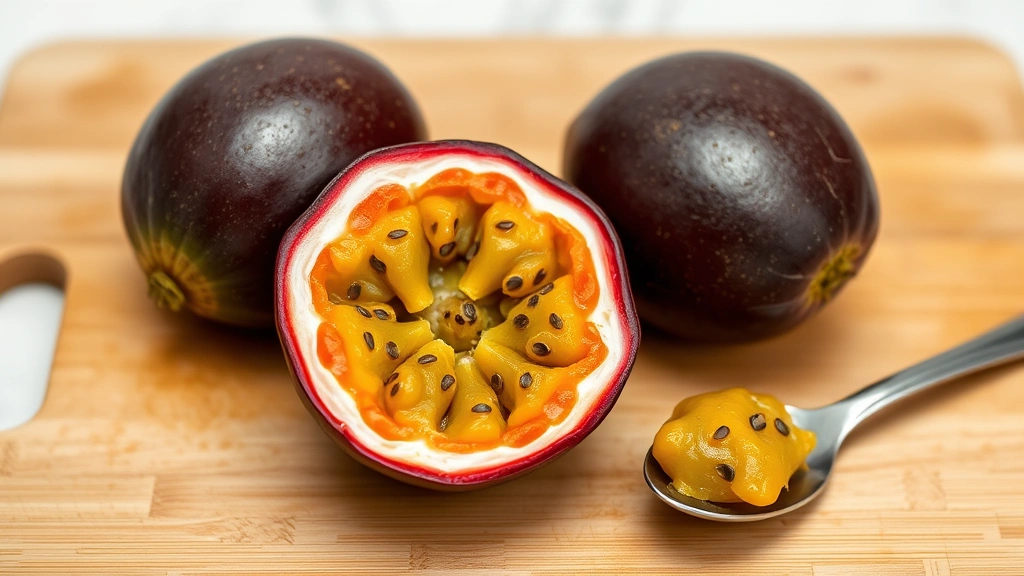
Hold the passion fruit firmly on your cutting board. Using a sharp chef’s knife, carefully cut the fruit in half lengthwise. The skin is relatively tough, so you may need to apply moderate pressure. As you cut through, you’ll reveal the interior chamber filled with seeds surrounded by translucent, aromatic pulp. The contrast between the thick skin and the delicate interior is striking.
Once halved, you have several options for consumption. The simplest approach is to scoop the pulp directly from the skin using a spoon. Have a small bowl nearby to catch any drips, as the juice can be quite fluid. The combination of seeds and pulp is entirely edible—there’s nothing to discard from the interior.
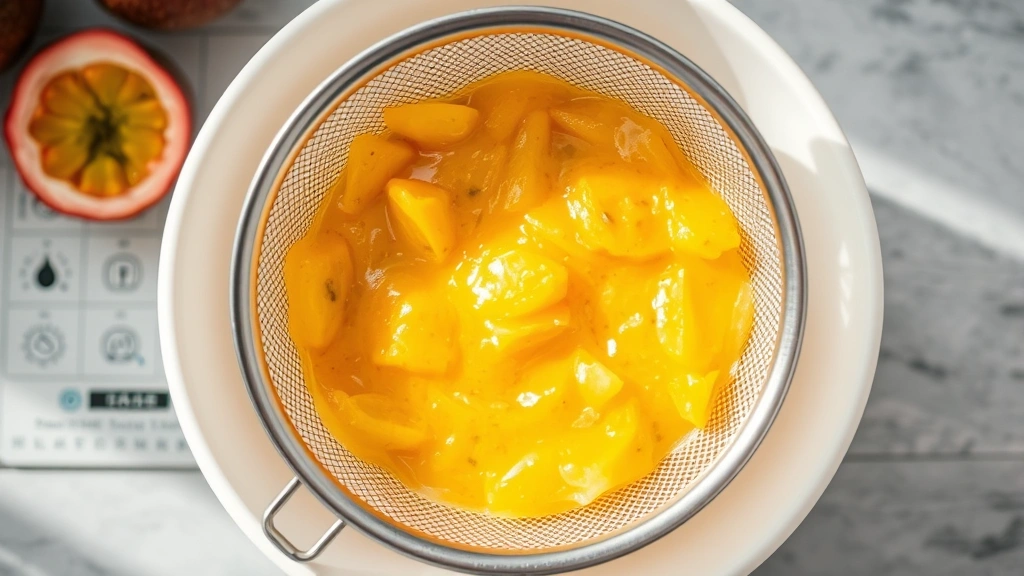
If you’re preparing passion fruit for cooking or want to remove the seeds, you’ll need a fine-mesh strainer. Place the pulp and seeds in the strainer and gently press with the back of a spoon to separate the juice from the seeds. This process takes just a minute and yields pure passion fruit juice for beverages or culinary applications.
Different Ways to Eat Passion Fruit
There are numerous approaches to enjoying passion fruit, each offering a unique experience. Understanding these methods will help you incorporate this fruit into your daily routine.
The Spoon Method
The most direct way to eat passion fruit is the spoon method. After cutting the fruit in half, simply use a small spoon to scoop out the pulp and seeds. Place the spoon against the inner wall of the skin and gently scrape, collecting the pulp. This method lets you experience the full flavor and texture without any loss. You consume everything—seeds, pulp, and juice—in one satisfying bite.
Straight from the Skin
Some enthusiasts prefer eating passion fruit directly from the halved shell, similar to eating a soft-boiled egg from its shell. This method is less messy if you’re outdoors and provides an interactive eating experience. Simply bring the fruit half to your lips and use your tongue to extract the pulp. While unconventional, it’s a fun way to enjoy the fruit.
Mixed into Yogurt or Desserts
The pulp makes an excellent topping for yogurt, ice cream, or pudding. Scoop out the entire contents of the fruit and stir it into your chosen base. The tartness of passion fruit complements creamy dairy products beautifully. You can also fold the pulp into whipped cream to create a simple mousse.
Juice and Beverage Applications
For drinks, you’ll want to strain out the seeds. Press the pulp through a fine sieve to extract the juice, then mix with sparkling water, champagne, or cocktail bases. A single passion fruit yields roughly two to three tablespoons of juice, so you may need multiple fruits for larger batches. This approach is similar to how you’d prepare other fresh ingredients for home entertaining.
Extracting and Using the Pulp
When recipes call for passion fruit pulp or juice, proper extraction ensures you get the maximum yield. Start by cutting your passion fruit in half over a bowl to catch all the precious juice. Use a small spoon to scoop out the contents, pressing gently to release any additional liquid clinging to the skin.
If your recipe requires seedless juice, position a fine-mesh strainer over another bowl. Pour the pulp and seeds into the strainer and use the back of a spoon to press the mixture through. Work gently to avoid crushing the seeds, which can release bitter compounds. The resulting liquid is pure passion fruit juice, ready for use in beverages, sauces, or glazes.
For recipes that call for whole pulp with seeds, simply measure out the amount needed directly from the halved fruit. One medium passion fruit typically yields about three tablespoons of pulp. If a recipe requires a specific amount and you’re unsure, it’s better to have extra than to fall short.
You can also make a passion fruit coulis—a smooth sauce—by pressing the strained juice through an even finer mesh or cheesecloth. This creates an elegant topping for plated desserts. The intense flavor means a small amount goes a long way in adding visual appeal and taste to your creations.
Storage and Shelf Life
Fresh passion fruit keeps well if stored properly. Unripe fruit can sit on your countertop for up to five days, allowing it to continue ripening. Once ripe, you can refrigerate passion fruit in a sealed container for up to two weeks. The cold slows the ripening process and preserves the fruit’s quality.
If you’ve already cut a passion fruit and don’t plan to use it immediately, store the halves in an airtight container in the refrigerator for up to three days. The pulp will remain fresh and flavorful during this window. However, the fruit is best consumed shortly after cutting for optimal flavor and texture.
For longer storage, consider making passion fruit puree. Blend the pulp and seeds together, then strain if desired, and freeze in ice cube trays. Once frozen, transfer the cubes to a freezer bag. These cubes are perfect for adding to smoothies, cocktails, or desserts months later. Each cube contains roughly one tablespoon of concentrated passion fruit flavor.
You can also preserve passion fruit by making jam or curd. These preparations extend the fruit’s usability and create pantry staples for future baking projects. The process is similar to preserving other fresh produce, requiring basic kitchen equipment and ingredients.
Creative Recipe Ideas
Once you’ve mastered eating fresh passion fruit, explore these creative applications to expand your culinary repertoire.
Passion Fruit Cocktails
The juice is exceptional in tropical cocktails. Combine strained passion fruit juice with rum, lime juice, and simple syrup for a classic daiquiri variation. For a non-alcoholic option, mix passion fruit juice with sparkling water and fresh mint. The tartness provides complexity that pairs well with spirits and other tropical flavors.
Passion Fruit Curd
Similar to lemon curd, passion fruit curd is a rich, creamy spread made with passion fruit juice, eggs, butter, and sugar. Spread it on toast, layer it in cakes, or serve it alongside scones. The recipe requires gentle heat and constant stirring, but the results are worth the effort. Once made, curd keeps refrigerated for several weeks.
Passion Fruit Mousse
Fold strained passion fruit juice into whipped cream and gelatin for an airy dessert. Serve in small glasses topped with fresh berries or a drizzle of dark chocolate. This elegant preparation requires minimal cooking skills and impresses dinner guests.
Passion Fruit Glazes and Sauces
Reduce passion fruit juice with sugar to create a glossy glaze for cakes or pastries. The concentrated flavor adds sophistication to otherwise simple desserts. You can also create a savory passion fruit sauce for grilled chicken or fish, balancing the fruit’s tartness with herbs and spices.
Smoothie Bowls and Breakfast Applications
Add whole passion fruit pulp to smoothie bowls for visual appeal and bright flavor. The seeds provide textural contrast against creamy bases like yogurt or banana. You can also swirl passion fruit pulp into pancake batter or oatmeal for a morning treat.
FAQ
Can you eat passion fruit seeds?
Yes, absolutely. The seeds are completely safe and edible. Many people enjoy the slight crunch they provide, though some prefer to strain them out for a smoother texture. The seeds contain no toxins and contribute to the fruit’s nutritional profile.
What does passion fruit taste like?
Passion fruit has a complex flavor combining sweetness with tartness and subtle floral notes. The taste is often described as a blend of tropical fruits with hints of citrus. Ripe fruit is sweeter than unripe fruit, so ripeness significantly affects the flavor experience.
How do you know when passion fruit is ripe?
A ripe passion fruit feels heavy for its size, has a wrinkled exterior, and emits a fragrant aroma. The skin color may be deep purple, yellow, or red depending on the variety. Hard, smooth-skinned fruit is not yet ripe and should be left to mature for several days.
Can you eat the skin of passion fruit?
The skin is too tough and bitter for eating. Always discard the exterior and consume only the interior pulp and seeds. The skin serves as a protective barrier and has no culinary value.
How many passion fruits do you need for juice?
Each medium passion fruit yields approximately two to three tablespoons of juice. For a single serving of juice, you’ll need two to three fruits. For larger batches or cocktails serving multiple people, multiply accordingly.
What’s the best way to store cut passion fruit?
Place cut halves in an airtight container and refrigerate for up to three days. For longer storage, freeze the pulp in ice cube trays and transfer to freezer bags for up to three months. This preserves the flavor for later use in smoothies and recipes.
Are there different types of passion fruit?
Yes, several varieties exist, including purple passion fruit, yellow passion fruit, and red passion fruit. Purple varieties tend to be sweeter and more aromatic, while yellow types are more tart. All varieties are eaten the same way, though flavor intensity varies.
Can you cook with passion fruit?
Absolutely. The juice and pulp work beautifully in desserts, sauces, glazes, and beverages. You can also incorporate passion fruit into savory dishes, pairing it with seafood or poultry. The fruit’s versatility makes it a valuable addition to any cook’s pantry, much like learning to maintain kitchen equipment properly.

Related Posts

Remove Security Tags at Home? Expert Tips Inside

Remove a Bathtub Drain? Expert Tips Inside