
How to Eat Ass: An Expert Guide
How to Eat Ass: An Expert Guide
Donkeys are fascinating creatures, and if you’ve found yourself with access to this unique protein source, you’re probably wondering how to prepare it properly. Whether you’re exploring international cuisine, working with heritage breeds, or simply curious about nose-to-tail cooking, understanding how to cook donkey meat requires knowledge of proper techniques, flavor profiles, and safety considerations. This guide will walk you through everything you need to know about preparing this unconventional protein.
Donkey meat has been consumed for centuries across Europe, Asia, and Africa, offering a lean, flavorful alternative to more common meats. It’s rich in iron and protein while remaining relatively low in fat compared to beef or pork. The key to preparing it well lies in understanding its unique characteristics and applying cooking methods that enhance rather than mask its natural flavors.
Before diving into preparation, it’s worth noting that sourcing quality donkey meat requires finding reputable suppliers who follow proper animal husbandry and processing standards. Once you’ve secured your meat, the real culinary adventure begins.
Understanding Donkey Meat Qualities
Donkey meat possesses distinct characteristics that set it apart from beef, pork, and poultry. The meat is considerably leaner, with a deep red color that intensifies during cooking. Its flavor profile sits somewhere between venison and beef—robust without being gamey, with subtle mineral notes that appeal to adventurous palates.
The texture varies depending on the animal’s age and diet. Younger donkeys yield more tender meat, while older animals provide richer flavor but require longer cooking times or specialized preparation methods. Understanding these nuances helps you select the right cuts for your intended dish.
One crucial aspect of working with donkey meat involves recognizing that it benefits from similar handling principles as understanding proper food quality assessment. Knowing what to look for in quality ingredients ensures your final dish achieves its full potential.
Selecting and Storing Your Meat
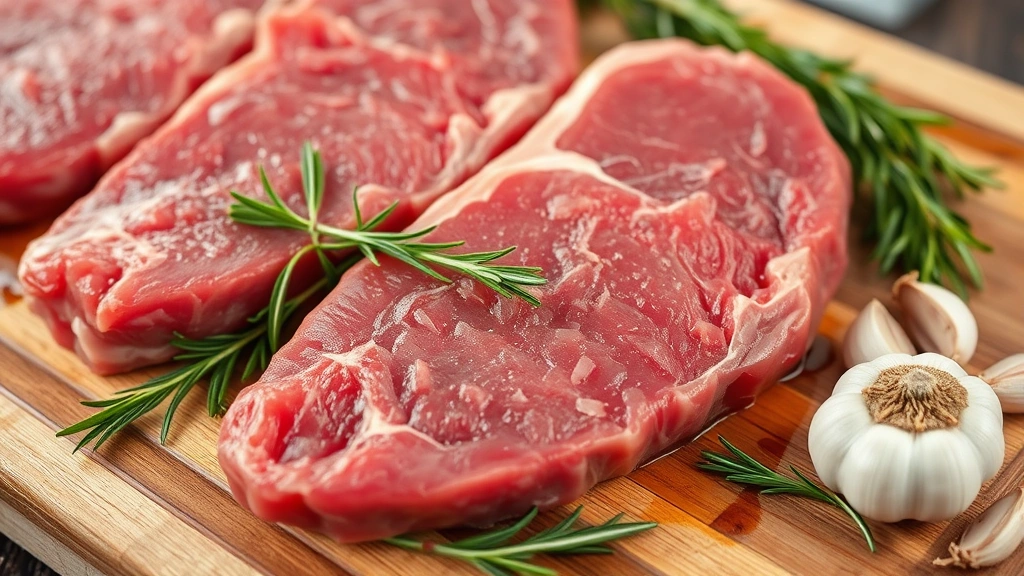
When sourcing donkey meat, look for bright red coloring with white marbling throughout. The meat should smell fresh and pleasant, without any off-odors indicating spoilage. If purchasing frozen meat, ensure packaging remains intact with no signs of freezer burn.
Storage requires the same attention you’d give premium beef. Fresh donkey meat keeps for three to four days in your refrigerator at temperatures below 40°F. For longer storage, freeze at 0°F or below—properly wrapped donkey meat maintains quality for four to six months in the freezer.
When thawing, always use the refrigerator method rather than room temperature thawing. This gradual process maintains meat quality and reduces bacterial growth risk. Plan ahead by moving your donkey meat to the fridge 24 hours before cooking.
Preparation Fundamentals
Before cooking, bring your meat to room temperature—this typically requires 30 to 45 minutes depending on portion size. Room temperature meat cooks more evenly, resulting in better texture and flavor development throughout.
Trimming excess fat is essential, as donkey meat’s leanness means any excess fat tends toward rancidity. Use a sharp knife for clean cuts that don’t damage muscle fibers. Speaking of which, learning proper knife sharpening techniques ensures you maintain optimal cutting tools for this task.
Pat your meat dry with paper towels before seasoning. Moisture on the surface prevents proper browning and creates steam rather than the desirable crust that develops through the Maillard reaction. This step proves especially important for donkey meat, where surface texture contributes significantly to the eating experience.
Classic Cooking Methods
Braising remains one of the most forgiving approaches for donkey meat. This method involves searing the meat at high temperature, then slow-cooking it in liquid at low temperatures. The extended cooking time breaks down connective tissues, resulting in tender, flavorful meat. Braising works particularly well for tougher cuts from older animals.
To braise donkey meat properly, sear your trimmed portions in a hot Dutch oven with minimal oil until a deep brown crust forms on all sides. Remove the meat, sauté aromatics like onions, garlic, and carrots, then deglaze the pot with wine or stock. Return the meat, add enough liquid to come halfway up the sides, cover, and braise at 325°F for two to three hours depending on portion size.
Roasting suits premium cuts like the loin or leg. Season your meat generously, place it on a roasting pan with aromatics, and cook at 375°F until the internal temperature reaches 135°F for medium-rare. Donkey meat benefits from slightly higher doneness than beef—aim for 145°F for medium to preserve tenderness while ensuring food safety.
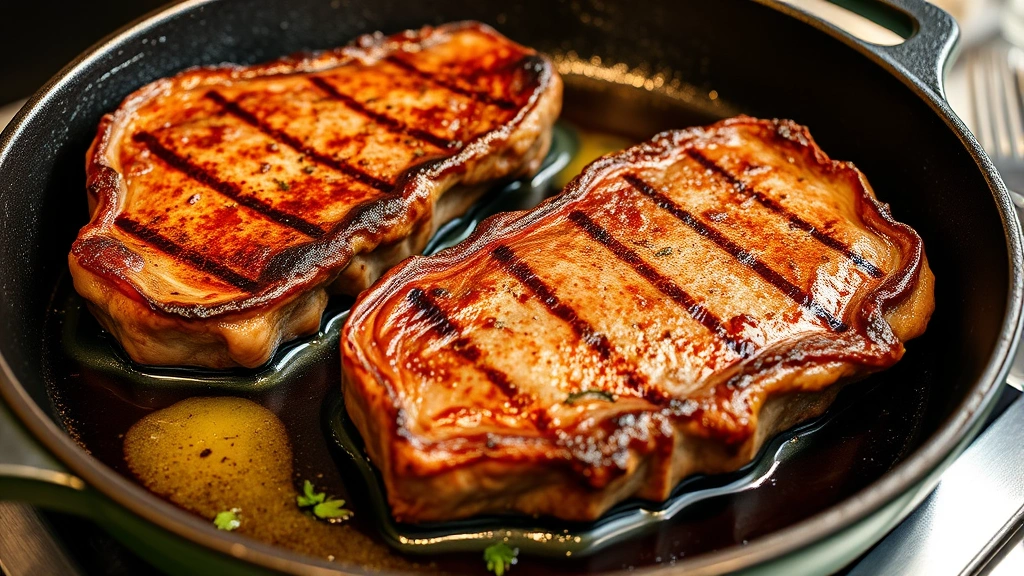
Grilling works beautifully for steaks cut from the loin. The high, direct heat creates a flavorful crust while the interior remains tender. Marinate your steaks for at least four hours in a mixture of olive oil, acid (vinegar or citrus), and herbs to enhance tenderness and flavor.
Stewing provides excellent results for tougher cuts. Cut meat into one-inch cubes, brown thoroughly, then simmer in stock with vegetables and herbs for two to three hours. The extended cooking transforms tough meat into succulent, fall-apart tenderness.
Regional Recipes and Traditions
Italian tradition celebrates donkey meat in pastissada di cavallo—a Venetian stew that applies equally well to donkey. This dish combines meat braised with tomatoes, red wine, and aromatics for a rustic, deeply satisfying preparation.
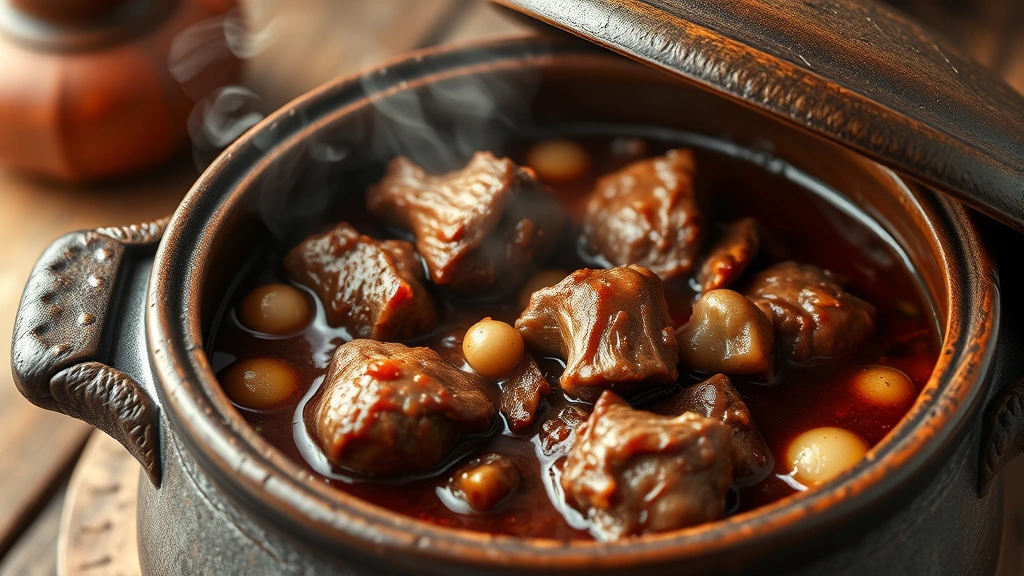
In France, ragoût d’âne represents donkey stew at its finest. The meat simmers with pearl onions, mushrooms, and bacon, creating layers of umami-rich flavor. This preparation method demonstrates how donkey meat’s robust character pairs beautifully with traditional French techniques.
Spanish preparations often involve cazuela de burro, where donkey meat cooks slowly with paprika, garlic, and regional herbs. This approach highlights the meat’s natural flavors without overwhelming them with competing tastes.
For those interested in more delicate preparations, consider that these techniques parallel thoughtful approaches to preparing specialty ingredients—each requires understanding the ingredient’s unique properties and respecting its natural character.
Flavor Pairings and Seasonings
Donkey meat’s robust character pairs exceptionally well with bold seasonings. Juniper berries, thyme, rosemary, and bay leaves complement its mineral undertones. Garlic and onions build flavor foundations that enhance rather than mask the meat’s natural taste.
Acidic components—vinegar, wine, or citrus—work wonderfully with donkey meat. The acid breaks down muscle fibers while brightening heavy flavors. A red wine reduction creates sophisticated depth, while a simple lemon and herb marinade highlights the meat’s natural character.
Avoid delicate seasonings that might disappear into donkey meat’s strong profile. Instead, embrace robust spice combinations—cumin, coriander, and paprika create interesting complexity. Mediterranean herbs like oregano and marjoram echo traditional preparations across regions where donkey meat remains popular.
Fat additions prove crucial given donkey meat’s leanness. Pancetta, bacon, or generous olive oil keeps the meat moist during cooking. These additions also build sauce body that clings to the meat, creating a more satisfying eating experience.
Safety and Health Considerations
Donkey meat requires the same food safety protocols as any protein. Always cook to appropriate internal temperatures—145°F for medium ensures safety while preserving quality. Use separate cutting boards for raw meat to prevent cross-contamination.
Purchase from certified suppliers who maintain proper handling standards. In many regions, specific regulations govern donkey meat production. Verifying your source ensures compliance with food safety standards and ethical considerations.
For those concerned about proper food handling, understanding proper kitchen tool usage extends to maintaining clean, functional equipment throughout your cooking process. Proper tools and techniques reduce contamination risks.
Nutritionally, donkey meat offers significant benefits. It’s exceptionally lean—typically containing less than 3% fat—while providing substantial protein and iron. A 100-gram serving delivers approximately 26 grams of protein with minimal fat content, making it an excellent choice for health-conscious cooks.
Some individuals may experience unfamiliarity-related digestive adjustments when trying donkey meat for the first time. Starting with smaller portions allows your digestive system to acclimate to this new protein source. Combining it with familiar vegetables and grains eases the transition.
Frequently Asked Questions
What does donkey meat taste like?
Donkey meat offers a robust flavor profile situated between venison and beef, with subtle mineral notes. It’s leaner than beef with a darker red color and slightly denser texture. The flavor intensifies during cooking, becoming more pronounced in slow-cooked preparations.
Where can I purchase donkey meat?
Specialty butchers, European markets, and online suppliers catering to international cuisine typically stock donkey meat. Some regions have specific cultural communities that maintain regular sources. Always verify that your supplier follows proper food safety protocols and legal requirements for your area.
How should I prepare donkey meat for first-time cooking?
Start with braising or stewing methods that transform the meat’s texture while building familiar flavor profiles. These gentle cooking techniques prevent overcooking the lean meat while creating deeply satisfying dishes. Marinating beforehand enhances tenderness and flavor.
Can I substitute donkey meat in beef recipes?
Generally yes, though adjustments may be necessary. Donkey meat’s leanness means it dries out more easily than beef in quick-cooking methods. Reserve beef recipes for braising, stewing, or slow-cooking applications. For grilling or roasting, use marinades and shorter cooking times to prevent overcooking.
Is donkey meat legal to eat?
Legality varies significantly by region. Many European countries permit donkey meat consumption, while some regions restrict or prohibit it. Always verify local regulations before purchasing or preparing donkey meat. International suppliers can advise on legal availability in your specific location.
How does donkey meat compare nutritionally to beef?
Donkey meat surpasses beef in leanness while delivering comparable protein content. A 100-gram serving provides approximately 26 grams of protein with less than 3% fat, compared to beef’s typically higher fat content. It’s also rich in iron and B vitamins, making it an excellent nutritional choice.
What cuts of donkey work best for different cooking methods?
Premium cuts like loin and leg suit roasting and grilling. Chuck, shoulder, and tougher cuts excel in braising, stewing, and slow-cooking applications. Ground donkey meat works well in preparations like exploring diverse culinary techniques and similar adventurous cooking explorations.

Related Posts

How Long to Boil Lobster Tails: Cooking Guide

How Long to Fly from New York to London? Travel Times
