
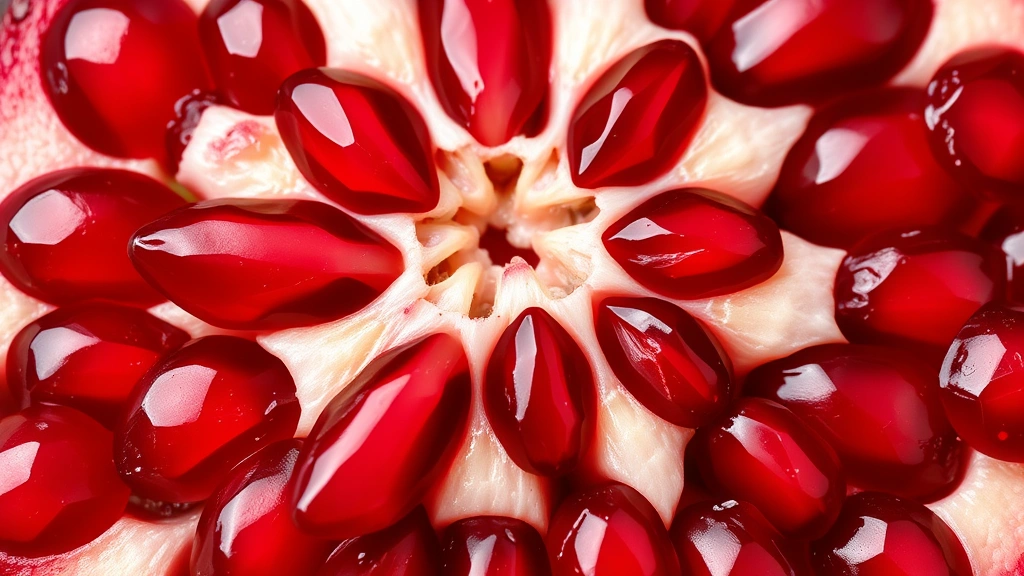
How to Eat a Pomegranate: Simple Steps
How to Eat a Pomegranate: Simple Steps to Master This Jeweled Fruit
Pomegranates have an intimidating reputation. That thick, leathery skin and those mysterious chambers packed with juice-filled seeds seem to whisper a warning: “You’ll make a mess.” But here’s the truth—eating a pomegranate isn’t complicated at all. It just requires knowing the right technique, a bit of patience, and honestly, embracing the fact that your fingers might get a little sticky. Once you crack the code, you’ll wonder why you ever felt nervous about tackling this stunning fruit.
These jewel-like fruits have been celebrated for thousands of years across Middle Eastern, Mediterranean, and Indian cuisines. They’re packed with antioxidants, fiber, and vitamin C, making them as nutritious as they are beautiful. The real magic happens when you realize that eating a pomegranate is actually a meditative, enjoyable process—not a battle against nature.
Let’s walk through exactly how to eat a pomegranate like someone who actually knows what they’re doing.
Selecting and Preparing Your Pomegranate
Before you even think about eating a pomegranate, you need to pick a good one. Look for fruits that feel heavy for their size—this indicates they’re full of juice. The skin should be deep red, burgundy, or even brownish-red, depending on the variety. If it’s pale or greenish, it’s not ripe yet. Give it a gentle squeeze; it should yield slightly to pressure but not feel mushy.
One helpful tip: if you’re wondering about ripeness in other fruits, checking how to tell if a pineapple is ripe uses similar principles of weight and firmness. The same logic applies here.
Once you’ve selected your pomegranate, wash it under cool running water and pat it dry. This removes any dirt and makes handling it much more pleasant. Now you’re ready to tackle the main event.
The Water Method: The Cleanest Approach
If you’re concerned about staining your clothes or your kitchen counter (and let’s be honest, pomegranate juice is notoriously stubborn), the water method is your best friend. This technique minimizes mess while maximizing seed extraction.
Here’s what you’ll need:
- A sharp knife (you might want to learn how to sharpen a knife if yours has seen better days)
- A large bowl
- Water
- A cutting board
Step-by-step process:
- Fill your bowl with cool water—enough to submerge the pomegranate.
- Using your knife, cut the pomegranate in half from top to bottom. Make this cut carefully; the goal is to create two roughly equal halves.
- Cut each half in half again, creating four quarters. This gives you more manageable pieces to work with.
- Submerge all the pomegranate pieces in the water.
- Gently work the seeds out of the white pith using your fingers. The seeds will naturally sink to the bottom, while the pith floats. This separation is exactly what you want.
- Continue this process until all the seeds have been extracted. It typically takes 5-10 minutes depending on the size of your fruit.
- Drain the water carefully. The seeds remain at the bottom while the pith floats away.
- Pat the seeds dry with a paper towel before eating or storing them.
The beauty of this method? The water contains the juice, preventing stains on your countertops and clothing. You’re essentially working in a controlled environment.

The Cut and Scoop Method: Quick and Direct
If you’re in a hurry or don’t mind a little mess, the cut and scoop method is faster. It’s more aggressive than the water method but equally effective.
Here’s the process:
- Score the pomegranate skin with your knife, creating shallow cuts from top to bottom around the fruit. You’re not cutting all the way through—just breaking the skin.
- Gently pull the fruit apart along these scored lines. The pomegranate will naturally separate into sections.
- Hold each section over a bowl, skin-side down, and tap the back of the skin with a spoon. The seeds will drop into the bowl like little rubies.
- Use your fingers to remove any stubborn seeds clinging to the white pith.
- Repeat with all sections until you’ve extracted every last seed.
This method works because the pomegranate is naturally divided into chambers. You’re simply following the fruit’s own architecture.
Eating the Arils: Technique Matters
Now that you have your seeds—technically called arils (the seed plus its juice-filled sac)—it’s time to eat them. Each aril contains a seed surrounded by tart-sweet juice. Here’s where personal preference matters.
Option 1: Chew and spit
Many people chew the aril to release the juice, then spit out the hard seed. This is the traditional method in many Middle Eastern countries. You get all the flavor and juice without the seed texture. Some people find this meditative; others find it tedious. Either way, it’s a valid approach.
Option 2: Swallow the whole seed
The seeds are completely edible and won’t harm your digestive system. They’re actually packed with fiber and polyphenols. If you don’t mind the slightly bitter, woody texture of the seed itself, swallowing them whole is the most efficient method.
Option 3: Blend or juice
If you want to extract pure pomegranate juice, use a blender or juicer. Strain through cheesecloth to remove seeds and pulp. This gives you concentrated pomegranate goodness without any solid matter.

The key to enjoying pomegranates is recognizing that there’s no “wrong” way. Choose the method that aligns with your preferences and lifestyle.
Storage and Preservation Tips
Pomegranates are surprisingly hardy fruits. A whole, uncut pomegranate stays fresh in your refrigerator for up to two months. Keep it in the crisper drawer where it’s cool and humid.
Once you’ve extracted the arils, store them in an airtight container in the refrigerator for up to five days. They’ll stay plump and juicy if kept cold and sealed. You can also freeze arils in a single layer on a baking sheet, then transfer them to a freezer bag once frozen. They’ll last three to four months in the freezer, though the texture becomes softer when thawed.
If you’re dealing with other fruits in your kitchen, similar storage principles apply. For instance, learning how to keep apples from turning brown teaches you about the oxidation process that affects many fruits. Pomegranate arils don’t brown the same way, but they do benefit from cool, sealed storage.
Creative Ways to Use Pomegranate Seeds
Beyond eating pomegranate seeds straight from the fruit, there are countless ways to incorporate them into your diet:
- Salads: Scatter arils over greens, grains, or roasted vegetables for a pop of color and tartness. They pair beautifully with goat cheese and walnuts.
- Yogurt and breakfast bowls: Top your morning yogurt, oatmeal, or granola with pomegranate seeds for crunch and nutrition.
- Cocktails and mocktails: Use arils as a garnish or muddle them into drinks for visual appeal and subtle flavor.
- Desserts: Add pomegranate seeds to chocolate cakes, cheesecakes, or fruit tarts for elegance and contrast.
- Rice and grain dishes: Stir arils into rice pilaf, couscous, or quinoa bowls for texture and brightness.
- Sauces and reductions: Simmer pomegranate juice with sugar and spices to create a glossy glaze for meats or desserts.
The versatility of pomegranate seeds makes them worth the effort of extraction. They’re not just a standalone snack; they’re a culinary ingredient that elevates countless dishes.
If you’re expanding your fruit preparation skills, you might also explore how to cut a dragon fruit for another visually stunning tropical option. Or dive into how to clean strawberries for another delicate fruit that deserves proper handling.
Frequently Asked Questions
Can you eat pomegranate seeds whole?
Yes, absolutely. Pomegranate seeds are completely edible and safe to swallow. They contain fiber and beneficial compounds, so eating them whole is actually nutritionally advantageous. The seed itself has a slightly bitter, woody taste, but it won’t harm you in any way.
Why is pomegranate juice so staining?
Pomegranate juice contains powerful anthocyanins and tannins—compounds that give the fruit its deep red color and are incredibly effective at staining fabrics and skin. These same compounds are what make pomegranates so nutritionally valuable, but they do require careful handling to avoid permanent marks on clothing or countertops.
How long does it take to eat a pomegranate?
Using the water method, expect to spend 10-15 minutes extracting seeds. The cut and scoop method is faster, taking about 5-10 minutes. Eating the arils themselves takes as long as you want—there’s no rush. The extraction is the time-consuming part, not the consumption.
What’s the difference between pomegranate arils and seeds?
Technically, an aril is the entire unit: the seed plus the juice-filled sac surrounding it. When people refer to “pomegranate seeds,” they’re usually talking about the arils. The actual seed—the hard, bitter kernel inside—is separate. Most people eat the whole aril without distinguishing between the two.
Are there health benefits to eating pomegranates?
Pomegranates are nutritional powerhouses. They’re rich in vitamin C, fiber, and polyphenols—antioxidants that combat inflammation and oxidative stress. Studies suggest pomegranate consumption may support heart health, improve digestion, and reduce inflammation. One pomegranate contains roughly 11 grams of fiber and significant amounts of vitamin C, making them a genuinely healthy choice.
Can you eat pomegranate skin?
The tough, leathery skin isn’t pleasant to eat raw, but it’s not toxic. Some people make tea from dried pomegranate skin for its medicinal properties. However, for eating purposes, you’re only interested in the arils inside.
What should I do if pomegranate juice gets on my clothes?
Act quickly. Rinse the stain with cold water immediately, then soak the garment in a mixture of equal parts white vinegar and water for 15 minutes. Rinse again, then wash with your regular detergent. If the stain persists, repeat before drying. Never use hot water initially, as heat can set pomegranate stains permanently.
How do I know if a pomegranate has gone bad?
A bad pomegranate will have soft, mushy spots on the skin, or it may smell fermented or unpleasant. If you cut into it and the arils look shriveled or the juice smells off, discard it. A good pomegranate should feel firm and smell fresh and fruity.

Related Posts

How Long to Boil Lobster Tails: Cooking Guide

How Long to Fly from New York to London? Travel Times
