
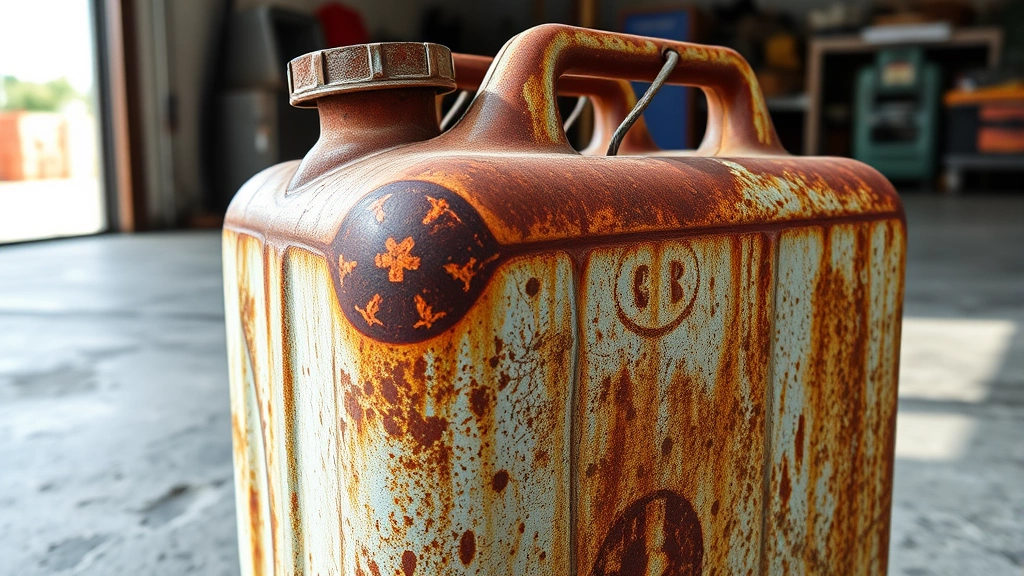
How to Dispose of Old Gas: Expert Tips
How to Dispose of Old Gas: Expert Tips for Safe and Responsible Removal
Finding a container of forgotten gasoline in your garage or shed is like discovering a ticking time bomb—except the explosion is usually just your stress levels skyrocketing. Old gas degrades over time, becomes increasingly unstable, and poses genuine safety hazards if you simply pour it down the drain or toss it in the trash. Whether you’re cleaning out your garage, winterizing equipment, or dealing with fuel that’s been sitting around since last season, knowing how to dispose of old gas properly is essential knowledge for any homeowner.
The good news? Disposing of old gasoline doesn’t require a hazmat suit or a special government permit. It does, however, require some planning, a bit of caution, and access to the right resources. This guide walks you through everything you need to know about safely handling and disposing of old fuel, from identifying whether your gas is actually expired to finding local disposal options that won’t harm the environment or violate local regulations.
Let’s be honest—most of us don’t think about gas expiration until we’re staring at a murky container wondering if it’ll still work in our lawnmower. By the time you finish reading this article, you’ll understand exactly what to do with that suspicious fuel sitting in your garage.
Signs Your Gasoline Has Gone Bad
Before you panic about disposal, you should confirm whether your gas has actually degraded. Fresh gasoline has a distinct, sharp smell and a clear appearance. Old gas tells a different story. The most obvious indicator is color change—fresh gasoline ranges from clear to light yellow, while degraded fuel often turns darker, taking on amber, brown, or even reddish hues. This discoloration happens because gasoline oxidizes when exposed to air, causing chemical compounds to break down and recombine into heavier molecules.
The smell test is equally telling. Fresh gas has that characteristic pungent odor, but old gas smells stale, flat, or almost sour. Some people describe it as having a varnish-like scent. If you’re unsure, trust your nose—if something smells off, it probably is. Another telltale sign is separation or visible sediment at the bottom of the container. You might notice a sticky, gummy residue forming on the container’s interior walls or a layer of sludge settling at the bottom. These are all indicators that the fuel has oxidized and polymerized, making it unsuitable for use.
The timeline matters too. Gasoline typically remains viable for three to six months under ideal storage conditions. However, ethanol-blended fuel (which is most gasoline sold in the United States) degrades faster, often becoming problematic within two to three months. If you can’t remember when you purchased the fuel, or if it’s been sitting through multiple seasons, it’s safer to assume it’s expired and plan for disposal.
Why Old Gas Is Dangerous
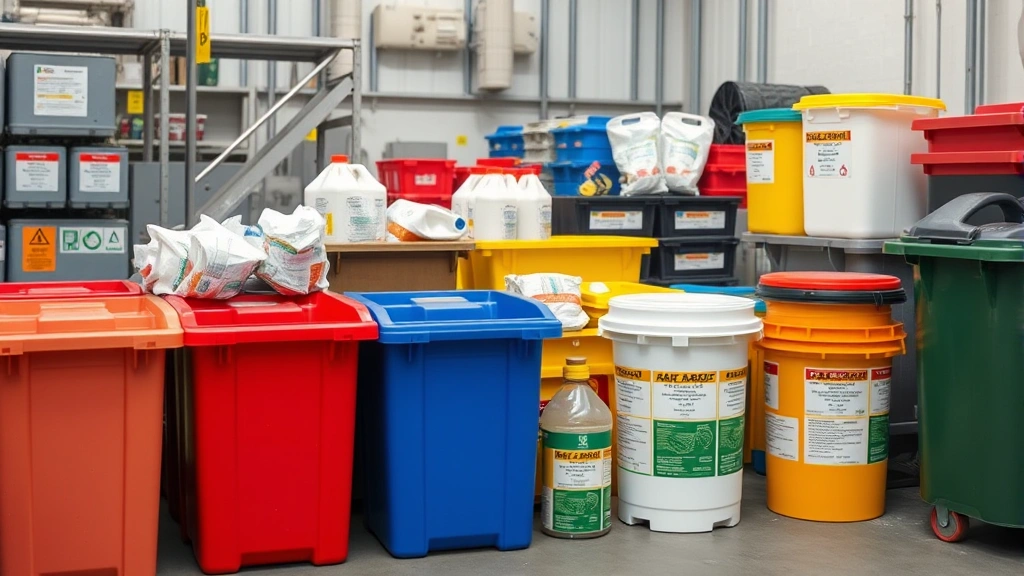
Understanding the risks associated with old gasoline helps explain why proper disposal matters so much. When gasoline ages, it doesn’t simply become less effective—it becomes actively hazardous. The primary concern is instability. Old gas has lost its volatile components, which means it won’t ignite or burn properly in engines. This can cause starting problems, rough idling, reduced fuel efficiency, and in some cases, engine damage. But the real danger goes beyond engine performance.
Old gasoline can gum up fuel injectors, clog fuel filters, and leave varnish deposits throughout your fuel system. For small engines like those in lawnmowers, chainsaws, and leaf blowers, this is particularly problematic. These engines have tighter tolerances and smaller fuel passages than car engines, making them more susceptible to damage from degraded fuel. Beyond equipment damage, there’s the environmental concern. Gasoline is toxic and highly flammable. If poured down drains or into soil, it contaminates groundwater and harms aquatic ecosystems. Improper disposal can result in fines and legal liability.
Then there’s the fire risk. Old gasoline becomes more volatile in some ways even as it becomes less stable in others. Storing it improperly or attempting amateur disposal methods can create genuine fire hazards. Gasoline fumes are heavier than air and can accumulate in low areas, creating explosive atmospheres. Even a spark from static electricity or a nearby appliance can ignite these fumes. This is why professionals take old gas disposal so seriously—the risks are real and potentially catastrophic.
Disposal Options and Methods
You have several legitimate options for disposing of old gasoline, each with different levels of convenience and cost. The best choice depends on your location, the quantity of fuel you need to dispose of, and your budget.
Professional Hazardous Waste Facilities
Your first and best option is usually a local hazardous waste disposal facility. Most municipalities operate collection centers that accept old gasoline and other hazardous household materials at little or no cost. These facilities have the proper equipment and expertise to handle fuel safely. To find one near you, search your city or county’s website for “hazardous waste disposal” or “hazardous waste collection day.” Many areas host collection events several times per year, making this incredibly convenient.
Call ahead to confirm they accept gasoline and ask about any quantity limits or container requirements. Most facilities require fuel to be in approved containers—typically metal or plastic containers specifically designed for gasoline storage. Some facilities won’t accept fuel in unmarked containers, so having a clearly labeled container is important. Bring your identification and be prepared to answer basic questions about the fuel.
Waste Oil Recycling Centers
Some waste oil recycling facilities also accept old gasoline. These operations specialize in handling petroleum products and can often process fuel more efficiently than general hazardous waste centers. Search for “waste oil recycling” in your area to find nearby options. The advantage is that these facilities often have extended hours and may be more conveniently located than municipal hazardous waste centers.
Retail Take-Back Programs
Certain retailers, particularly large home improvement and automotive chains, participate in take-back programs for hazardous materials. Home Depot, for example, accepts used oil and other hazardous materials at many locations. Call ahead to confirm whether your nearest store accepts old gasoline specifically, as policies vary by location. These programs are typically free and require minimal paperwork, making them a convenient option if you have a participating retailer nearby.
Gas Stations and Fuel Distributors
Some gas stations and fuel distributors will accept old gasoline, though policies vary widely. It’s worth calling your local stations to ask. They’re already equipped to handle fuel and may have established disposal procedures. However, don’t show up unannounced—always call first to confirm they accept old fuel and understand their requirements.
Professional Environmental Services
If you have a large quantity of old gasoline or other hazardous materials, you can hire a professional environmental disposal service. These companies specialize in hazardous waste removal and will handle everything from pickup to proper disposal. This is the most expensive option but offers maximum convenience, especially for businesses or those with significant quantities to dispose of.
Safe Handling and Storage Before Disposal
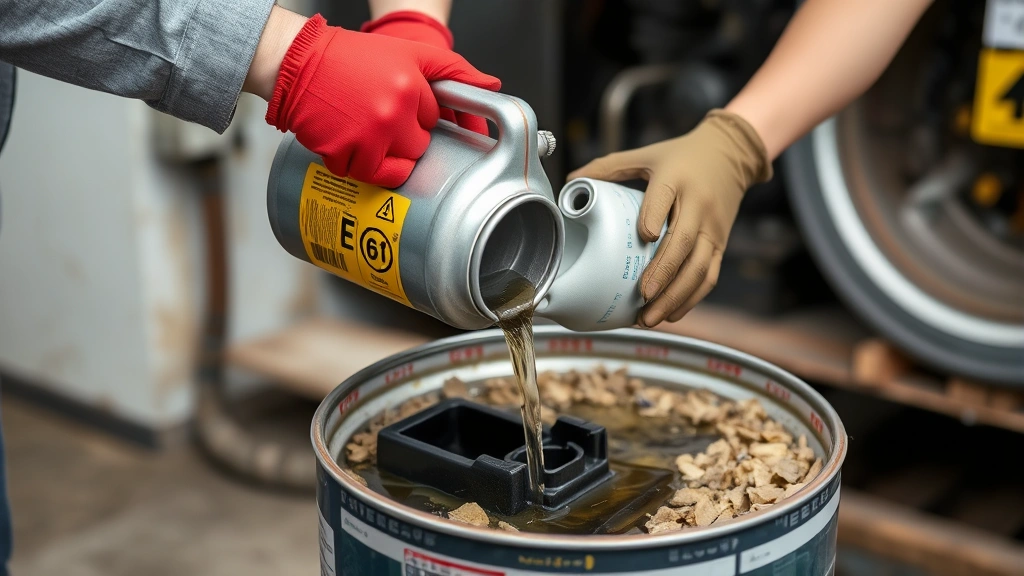
Once you’ve decided to dispose of your old gas, you need to handle it safely until you can get it to a disposal facility. Proper storage prevents accidents and ensures the fuel remains contained until professionals can handle it.
Container Selection
Never store old gasoline in glass containers, plastic milk jugs, or anything improvised. Use only approved, purpose-built fuel containers made of metal or sturdy plastic specifically designed for gasoline storage. These containers have special venting systems and flame arrestors that prevent vapors from igniting. Look for containers that are clearly labeled for fuel storage and meet industry standards.
Labeling and Organization
Clearly label any container holding old gasoline. Write “OLD GASOLINE” or “DO NOT USE” in large letters with a permanent marker. Include the date you labeled it and any other relevant information. This prevents accidental use and ensures anyone handling the container understands what it contains. If you have multiple containers, keep them organized and know exactly what each one holds.
Storage Location
Store old gasoline in a cool, dry, well-ventilated area away from living spaces. A detached garage, shed, or storage building is ideal. Keep containers away from heat sources, electrical equipment, and ignition sources. Avoid storing fuel near water heaters, furnaces, or appliances with pilot lights. Never store gasoline indoors or in enclosed spaces where fumes can accumulate. Ensure the storage area is secure and inaccessible to children and pets.
Ventilation Matters
Good air circulation helps prevent vapor buildup. If storing fuel in a shed or garage, crack a window or door to ensure adequate ventilation. However, balance this with security—you want ventilation without allowing unauthorized access. Some people use a ventilated storage cabinet specifically designed for fuel, which provides both safety and proper air circulation.
Transportation Safety
When transporting old gasoline to a disposal facility, keep containers upright and secure them so they won’t tip or slide during transit. Never transport fuel in a hot vehicle—keep windows down and avoid placing containers in direct sunlight. Drive directly to the disposal facility without making other stops. Keep a fire extinguisher rated for flammable liquids in your vehicle, just in case.
Prevention Tips for Future Storage
The best way to deal with old gasoline is to avoid having any in the first place. Here are strategies for better fuel management going forward.
Buy Only What You Need
Purchase gasoline in quantities you’ll use within a few weeks. For seasonal equipment like lawnmowers and chainsaws, buy fresh fuel each season rather than trying to use last year’s supply. Yes, this might seem wasteful, but it’s far safer and more practical than dealing with degraded fuel.
Use Fuel Stabilizer
If you need to store gasoline for extended periods—such as preparing for winter storage of your boat or recreational vehicle—add a fuel stabilizer before storage. Products like STA-BIL or similar stabilizers slow oxidation and help fuel remain viable for longer periods. Follow the product instructions carefully and mix the stabilizer with fresh fuel before storage. This is particularly useful if you’re storing equipment for the off-season and want to use the same fuel when spring arrives.
Store in Proper Conditions
Keep fuel in approved containers in cool, dark, well-ventilated locations. Temperature fluctuations accelerate fuel degradation, so avoid storing gasoline in areas that get very hot or experience significant temperature swings. A climate-controlled garage or storage building is ideal.
Rotate Your Stock
If you maintain a fuel supply for multiple pieces of equipment, practice first-in-first-out rotation. Use the oldest fuel first and add new fuel to the back of your supply. This ensures you’re always using the freshest fuel available.
Maintain Your Equipment
Properly maintained equipment with clean fuel systems is less susceptible to problems from marginal fuel. Regularly check your engine oil and keep fuel filters clean. Well-maintained engines are also more forgiving of slightly aged fuel than neglected ones. Think of it as preventive maintenance that protects your investment.
Consider a Fuel Can with Built-in Filter
Some premium fuel containers include built-in filters and spouts designed to minimize fuel degradation. These containers provide better sealing and ventilation than standard options, helping fuel remain viable longer. While more expensive upfront, they can be worthwhile if you store fuel regularly.
Frequently Asked Questions
Can I pour old gasoline down the drain?
Absolutely not. Pouring gasoline down drains is illegal in most jurisdictions and causes severe environmental damage. Gasoline contaminates groundwater, harms aquatic life, and can damage municipal water treatment systems. This practice can result in substantial fines and legal consequences. Always use proper disposal methods.
What about pouring it on the ground?
This is equally problematic and equally illegal. Gasoline seeps into soil and contaminates groundwater supplies that communities depend on for drinking water. It also harms soil microorganisms and plant life. Proper disposal facilities exist specifically to prevent this type of contamination.
Can I burn old gasoline?
Never attempt to burn gasoline as a disposal method. This is extremely dangerous and likely illegal. Gasoline fires are difficult to control and can spread rapidly. Additionally, burning fuel releases toxic emissions into the atmosphere. Leave fuel disposal to professionals with proper equipment.
Is old gas safe to use in my lawnmower?
It depends on how old and how badly degraded the fuel is. Fuel that’s only a few months old might work fine, especially if stored properly. However, fuel that’s been sitting for a year or more, or that shows signs of degradation (color change, sediment, off smell), should not be used. The risk of engine damage isn’t worth the cost savings. When in doubt, dispose of it properly and use fresh fuel.
How long does gasoline actually last?
Under ideal conditions (cool, dry storage in a sealed container), gasoline typically remains viable for three to six months. Ethanol-blended fuel degrades faster, often becoming problematic within two to three months. Temperature fluctuations, exposure to air, and light exposure all accelerate degradation. After six months, assume the fuel has degraded and plan for disposal.
Can I mix old gas with new gas?
Mixing old and new gasoline is generally not recommended. While small amounts of slightly aged fuel mixed with fresh fuel might work in a pinch, significantly degraded fuel can compromise the entire batch. It’s better to dispose of old fuel properly and start fresh. This is especially true for small engines, which are more sensitive to fuel quality than car engines.
What if I have a lot of old gasoline?
If you have large quantities of old fuel, contact a professional environmental disposal service. They have the equipment and expertise to handle significant amounts safely. Don’t attempt to store or transport large quantities yourself—the risks are too high. Professional services might charge a fee for large quantities, but it’s worth the investment for safety and compliance.
Do I need to drain fuel from equipment before storage?
For long-term storage (more than a month or two), it’s generally wise to either drain the fuel tank completely or add a fuel stabilizer to the existing fuel. Draining is the safest option if you’re storing equipment for an extended period. For shorter storage periods, stabilizer is a practical alternative. Always consult your equipment’s manual for specific recommendations.
Are there any DIY methods for disposing of old gas safely?
No legitimate DIY disposal methods exist for old gasoline. The risks are too high, and improper disposal is illegal. Always use professional disposal facilities, waste centers, or retailer take-back programs. These options are free or very inexpensive, making them far more practical than any DIY approach.
What about old diesel fuel?
Old diesel fuel follows similar rules to gasoline. It degrades over time, becomes less effective, and should be disposed of properly at hazardous waste facilities. The disposal process is essentially the same as for gasoline. Call ahead to confirm the facility accepts diesel before showing up with your fuel.

Related Posts

How Long to Boil Lobster Tails: Cooking Guide

How Long to Fly from New York to London? Travel Times
