
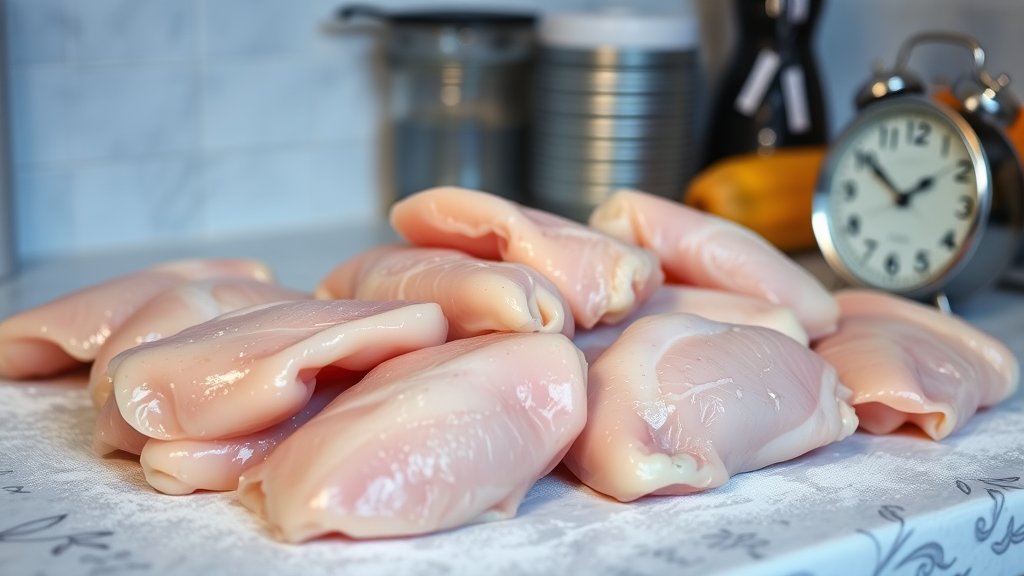
Quick and Safe Ways to Defrost Chicken for Your Next Meal
Properly defrosting chicken is one of the most critical food safety skills every home cook should master. Whether you’re planning a weeknight dinner or preparing for a special occasion, knowing how to safely thaw frozen chicken can make the difference between a delicious meal and a potential food safety hazard. The key is understanding that chicken, like all poultry, requires careful handling to prevent bacterial growth while ensuring the meat retains its quality and flavor.
From the refrigerator method to cold water techniques, there are several proven approaches to defrosting chicken safely and efficiently. Each method has its own timeline and specific requirements, but all share the common goal of bringing your frozen chicken to a safe temperature for cooking while maintaining food safety standards. Understanding these methods will help you plan your meals better and ensure your family enjoys safe, delicious chicken dishes every time.
The Refrigerator Method: Slow and Steady
The refrigerator method is widely considered the safest and most reliable way to defrost chicken. This approach maintains a consistent, safe temperature throughout the thawing process, preventing bacterial growth while preserving the meat’s texture and flavor. According to the United States Department of Agriculture, this method is the gold standard for food safety.
To use the refrigerator method, simply move your frozen chicken from the freezer to the refrigerator 24 hours before you plan to cook it. Place the chicken on a plate or in a shallow dish to catch any drips, preventing cross-contamination with other foods. The ideal refrigerator temperature for safe thawing is 40°F (4°C) or below.
For whole chickens, plan on approximately 24 hours of thawing time for every 4-5 pounds of weight. Chicken pieces, such as breasts, thighs, or drumsticks, typically require 12-24 hours depending on their thickness. Once thawed using this method, the chicken can safely remain in the refrigerator for an additional 1-2 days before cooking.
Cold Water Thawing: The Quick Solution
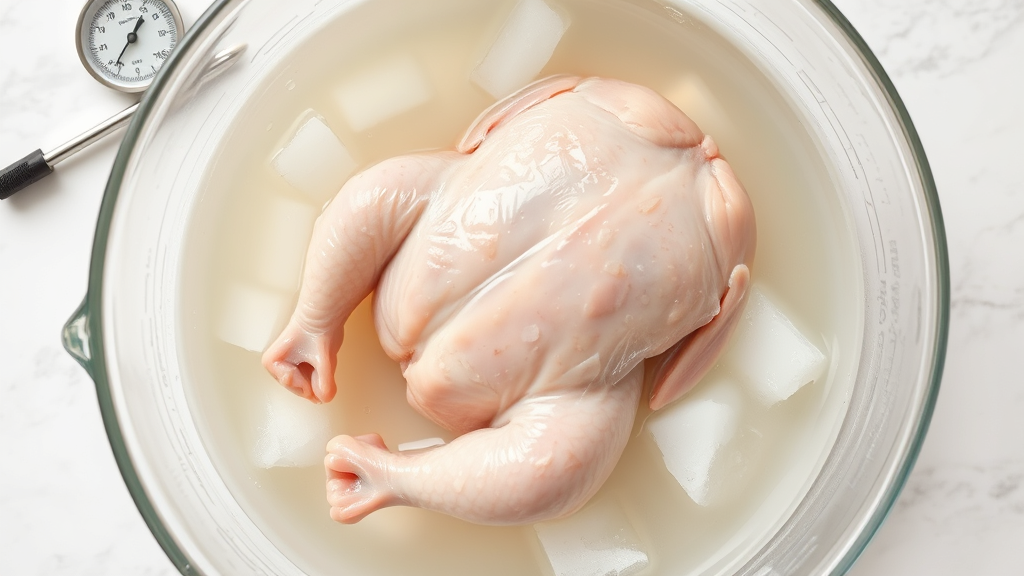
When you need to defrost chicken fast, the cold water method offers a safe alternative that significantly reduces thawing time. This technique requires more attention than refrigerator thawing but can defrost chicken in a matter of hours rather than overnight.
Start by placing the frozen chicken in a leak-proof plastic bag, ensuring no water can enter and contaminate the meat. Submerge the bagged chicken in a large bowl or sink filled with cold tap water. The water temperature should remain cold throughout the process – never use warm or hot water as this can promote bacterial growth.
Change the water every 30 minutes to maintain the cold temperature and ensure even thawing. Small pieces like chicken breasts typically thaw in 1-2 hours, while larger cuts or whole chickens may require 2-4 hours. Once thawed using this method, cook the chicken immediately for optimal food safety.
Microwave Defrosting: Fast but Careful
Microwave defrosting offers the fastest thawing option, perfect for last-minute meal preparation. However, this method requires careful attention to prevent partially cooking the chicken during the thawing process. Most modern microwaves have a defrost setting that uses reduced power to thaw food safely.
Remove the chicken from its original packaging and place it on a microwave-safe dish. Use the defrost or 30% power setting, allowing approximately 5 minutes per pound of chicken. Turn or rearrange the pieces every few minutes to ensure even thawing. Some areas may begin to feel warm or start cooking – if this occurs, let the chicken rest for a few minutes before continuing.
The Food and Drug Administration recommends cooking microwave-thawed chicken immediately after defrosting. This method works best for smaller cuts and pieces rather than whole chickens, which may thaw unevenly in the microwave.
Essential Food Safety Guidelines
Understanding proper food safety guidelines is crucial when learning how to defrost chicken. The danger zone for bacterial growth lies between 40°F and 140°F (4°C to 60°C), where harmful bacteria like Salmonella and Campylobacter can multiply rapidly. Keeping chicken out of this temperature range during thawing is essential for food safety.
Never thaw chicken at room temperature on countertops, as this exposes the outer layers to the danger zone while the inside remains frozen. Similarly, avoid using hot water or leaving chicken in a warm environment to speed up thawing. These practices create ideal conditions for bacterial growth and can lead to foodborne illness.
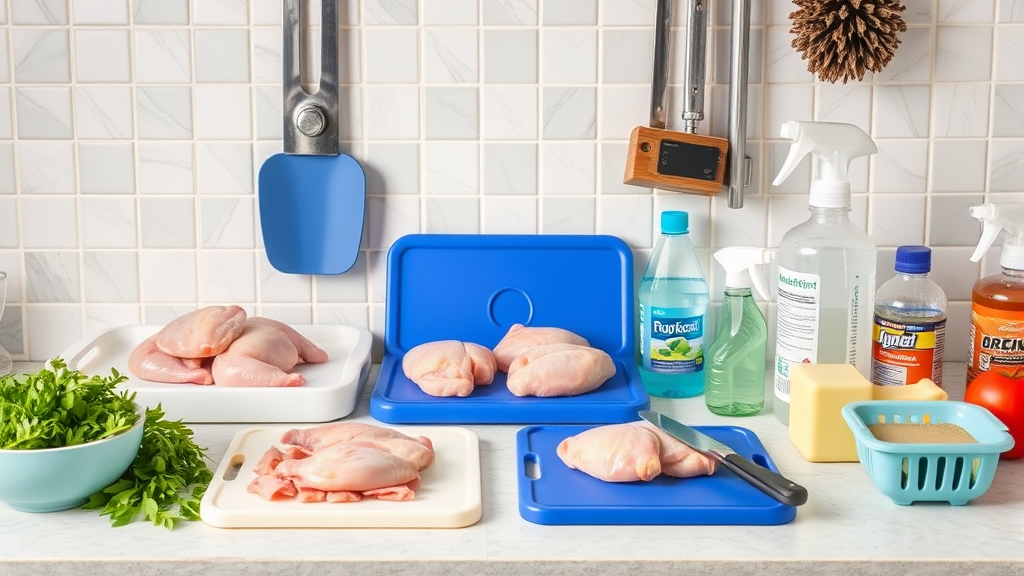
Always wash your hands thoroughly before and after handling raw chicken. Clean and sanitize all surfaces, utensils, and containers that come into contact with the raw meat. Use separate cutting boards for raw chicken and other ingredients to prevent cross-contamination. When in doubt about the safety of thawed chicken, it’s better to discard it than risk foodborne illness.
Timing Considerations for Different Cuts
Different cuts of chicken require varying thawing times, and understanding these differences helps you plan your meals effectively. Bone-in pieces generally take longer to thaw than boneless cuts due to their density and thickness. When planning to make shredded chicken or determine how long to boil chicken, proper thawing is the essential first step.
Chicken breasts, especially boneless varieties, typically thaw fastest due to their relatively uniform thickness. In the refrigerator, boneless chicken breasts usually thaw completely in 12-16 hours. For those wondering how long to boil chicken breast, starting with properly thawed meat ensures even cooking throughout.
Whole chickens require the longest thawing time, often 24-48 hours in the refrigerator depending on size. Chicken thighs and drumsticks, with their bone-in structure, typically need 18-24 hours. Ground chicken thaws relatively quickly, usually within 12-24 hours in the refrigerator or 1-2 hours using the cold water method.
Common Mistakes to Avoid
Several common mistakes can compromise food safety when defrosting chicken. Avoiding these errors ensures your chicken remains safe to eat and maintains its quality. The most dangerous mistake is thawing chicken at room temperature, which allows the surface to reach unsafe temperatures while the center remains frozen.
Never use hot water to speed up the thawing process, as this can cook the outer layers while leaving the inside frozen. Avoid refreezing chicken that has been thawed unless it has been cooked first. Once chicken has been thawed, especially using the cold water or microwave method, it should be cooked immediately.
Don’t ignore signs of spoilage during the thawing process. Fresh chicken should have a mild smell and firm texture. If the chicken develops a strong odor, slimy texture, or unusual coloration during thawing, discard it immediately. According to Centers for Disease Control and Prevention guidelines, when in doubt about food safety, it’s always better to err on the side of caution.
Another common error is inadequate planning, leading to rushed thawing attempts. While you might be tempted to speed up the process for other proteins like when considering how long to grill burgers, chicken requires careful attention to safety. Plan ahead whenever possible to allow adequate time for safe refrigerator thawing.
Frequently Asked Questions
How long does it take to defrost chicken in the refrigerator?
The time required to defrost chicken in the refrigerator depends on the size and cut. Boneless chicken breasts typically take 12-16 hours, while bone-in pieces require 18-24 hours. Whole chickens need 24-48 hours depending on their weight. Plan for approximately 24 hours per 4-5 pounds of chicken.
Can I defrost chicken in warm water to speed up the process?
No, you should never use warm or hot water to defrost chicken. This method can raise the surface temperature into the bacterial danger zone while the center remains frozen. Always use cold water and change it every 30 minutes to maintain safe temperatures throughout the thawing process.
Is it safe to cook chicken directly from frozen?
Yes, you can cook chicken directly from frozen, but it will take approximately 50% longer than thawed chicken. Ensure the internal temperature reaches 165°F (74°C) throughout. However, some cooking methods work better than others – avoid frying or grilling frozen chicken as these methods may cook the outside too quickly while leaving the inside undercooked.
How can I tell if thawed chicken has gone bad?
Signs of spoiled chicken include a strong, unpleasant odor, slimy or sticky texture, and grayish or greenish coloration. Fresh chicken should smell mild and have a firm, slightly moist texture with a pinkish color. If you notice any signs of spoilage, discard the chicken immediately.
Can I refreeze chicken after it has been thawed?
Chicken thawed in the refrigerator can be safely refrozen within 1-2 days, though there may be some loss of quality. However, chicken thawed using the cold water or microwave method must be cooked before refreezing. Never refreeze chicken that has been left at room temperature.
What should I do if I forgot to take chicken out of the freezer?
If you need chicken quickly, use the cold water method for faster results. Submerge the sealed chicken in cold water, changing the water every 30 minutes. For very quick results, use the microwave defrost setting, but cook the chicken immediately afterward. Avoid room temperature thawing as it’s unsafe.
How do I prevent cross-contamination when thawing chicken?
Always place thawing chicken on the bottom shelf of the refrigerator in a dish to catch drips. Use separate cutting boards and utensils for raw chicken. Wash your hands thoroughly before and after handling raw poultry. Clean and sanitize all surfaces that come into contact with raw chicken using a bleach solution or antibacterial cleaner.

Related Posts

How Long to Boil Lobster Tails: Cooking Guide

How Long to Fly from New York to London? Travel Times
