
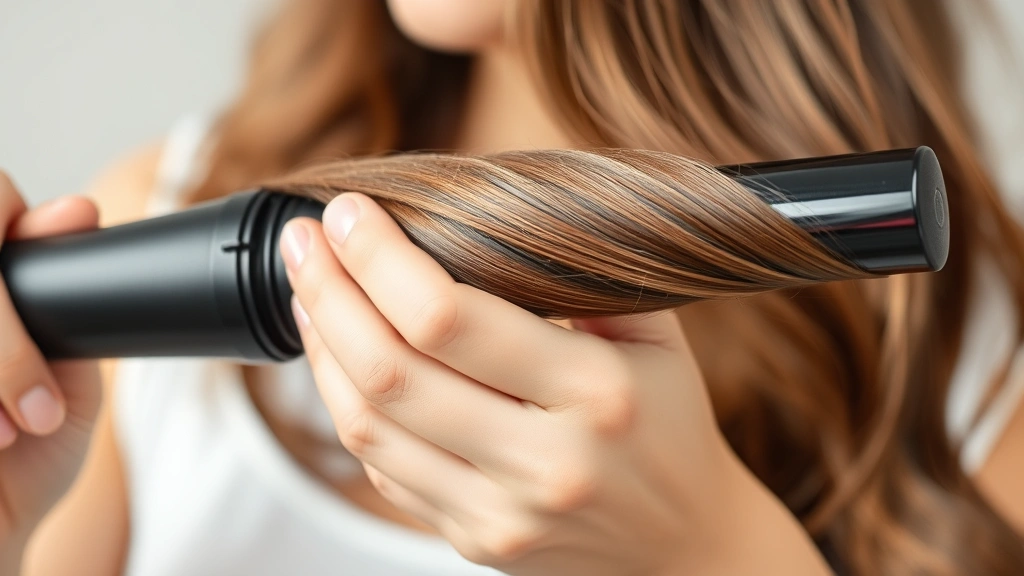
How to Curl Hair: Expert Styling Tips
How to Curl Hair: Expert Styling Tips for Gorgeous Waves and Ringlets
There’s something magical about perfectly curled hair. Whether you’re aiming for loose, romantic waves or tight, bouncy ringlets, the right technique can transform your entire look in minutes. The beauty of learning how to curl hair is that it’s not just about owning the fanciest styling tool—it’s about understanding your hair type, mastering fundamental techniques, and knowing which method works best for your unique texture and desired outcome.
The journey to flawless curls doesn’t require hours in a salon chair or expensive treatments. With patience, the right products, and a bit of practice, you can achieve salon-quality results at home. This comprehensive guide walks you through everything from heat-based curling methods to heatless alternatives, troubleshooting common mistakes, and maintaining your curls throughout the day.
Ready to become a curl expert? Let’s dive into the techniques that actually work.
Preparing Your Hair for Curling
Before you even think about reaching for a curling iron or roller, your hair needs proper preparation. This foundational step determines whether your curls last all day or fall flat by noon. Start with clean, dry hair—or at least mostly dry. Damp hair curls beautifully, but soaking wet hair will take forever to set and may not hold the curl properly.
Begin by applying a heat protectant spray if you’re using heated tools. This creates a protective barrier between your hair and the heat source, reducing damage and frizz. Work the product through from roots to ends, paying special attention to the mid-lengths and ends where damage typically occurs first. Don’t skip this step, even if you’re in a hurry.
Next, consider your hair texture. Fine hair needs lighter products and gentler heat settings, while thick or coarse hair can handle more intensive treatments. If your hair is naturally straight and resistant to curling, a volumizing mousse applied to damp hair before blow-drying can give your curls something to grip. For those with naturally wavy or curly hair, a curl-enhancing cream works wonders.
Blow-dry your hair completely before curling if you want long-lasting results. A smooth base created by blow-drying makes it easier to section your hair and ensures each curl sets properly. Use a round brush while blow-drying to add volume at the roots—this creates the perfect foundation for your curls to grip and hold throughout the day.
Section your hair strategically. Divide your hair into four to six sections using clips, depending on thickness. Start from the bottom layers and work your way up. This methodical approach ensures you don’t miss any hair and makes the entire process more manageable. Smaller sections create tighter, more defined curls, while larger sections produce looser waves.
Heat-Based Curling Methods
The Curling Iron Technique
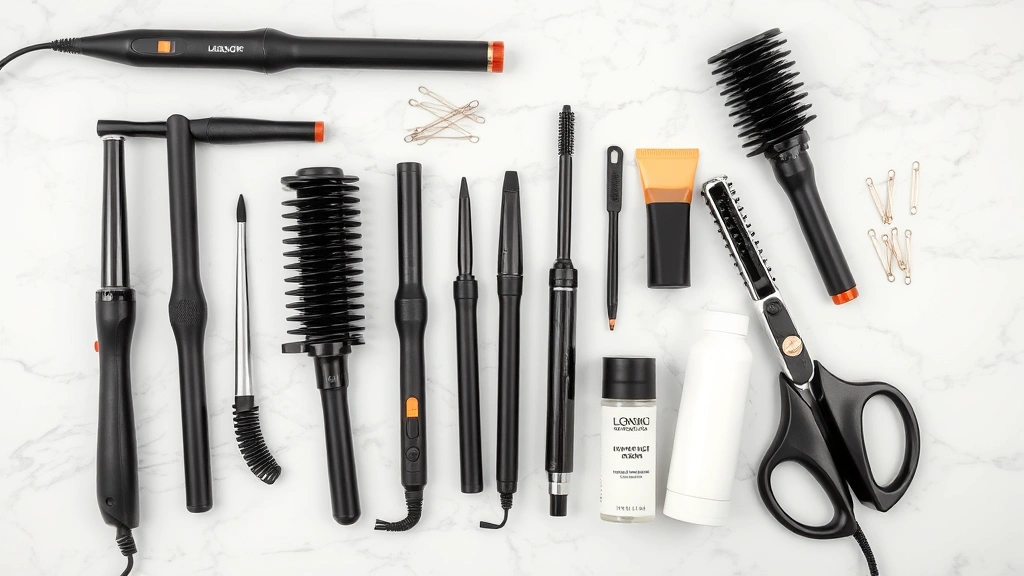
The traditional curling iron remains the gold standard for creating defined curls. For best results, choose a barrel size that matches your desired curl type: one-inch barrels for tight ringlets, 1.5-inch for medium curls, and 1.5 to 2-inch for loose waves. The barrel material matters too—ceramic barrels heat evenly and reduce frizz, while titanium heats quickly and works well for thick hair.
Clamp a small section of hair near the roots, then twist the iron away from your face. Roll the hair down the barrel toward the ends, holding for 8-15 seconds depending on your hair’s thickness and the iron’s temperature. Release and let the curl cool in your hand for a few seconds—this cooling period is crucial for setting the curl’s shape. Repeat this process section by section, always working away from your face for a flattering effect.
Temperature matters significantly. Fine or damaged hair should use settings between 250-300°F, while medium hair can handle 300-350°F, and thick hair can tolerate 350-400°F. Starting lower and adjusting upward is smarter than frying your hair with excessive heat from the start.
The Wand Method
Curling wands offer more creative freedom than traditional irons because they lack clamps. Wrap hair around the barrel, holding the ends with your fingers as it cools. This technique requires a bit more practice, but it creates beautifully textured, less uniform curls that look incredibly natural. Wands are particularly forgiving for beginners because you can’t accidentally crease your hair like you might with a clamped iron.
The barrel size rules apply here too, but wands give you flexibility in how tightly you wrap the hair. Wrap it loosely around the barrel for soft waves or tightly for defined curls. Some people find the wand method faster once they develop the technique, and the results often look more lived-in and sophisticated.
The Blow Dryer Brush Combo
Modern blow-dry brushes combine drying and styling in one tool, making them perfect for creating volume and subtle waves. These work best on hair that’s already somewhat dry. Roll sections around the brush barrel as you dry, following the same directional principles as a traditional curling iron. The results are typically looser and more voluminous than tight curls, making this method ideal for achieving that effortless, beachy look.
Heatless Curling Techniques
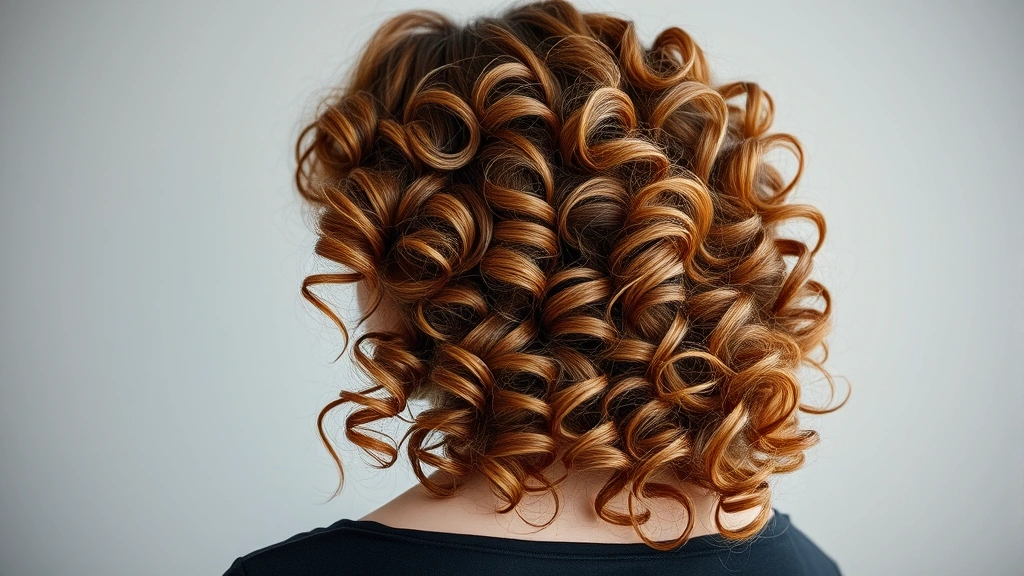
Heat damage accumulates over time, so incorporating heatless methods into your styling routine extends your hair’s health and longevity. These techniques work surprisingly well, especially when you plan ahead.
The Overnight Braid Method
Before bed, braid damp hair into two or four sections depending on desired curl intensity. Tighter braids create tighter waves, while looser braids produce softer waves. Sleep on them overnight, then unravel in the morning for beautiful waves with zero heat damage. This method requires zero styling skill and works on virtually any hair type. The key is starting with damp—not soaking wet—hair so your braids don’t take all night to dry.
Pin Curls and Roller Sets
Pin curls, a classic Hollywood technique, involve rolling damp hair into loops and securing with bobby pins. While they take longer to set than heat methods, they create gorgeous, defined curls without any damage. Roller sets use velcro or foam rollers for similar results. Apply setting lotion to damp hair, roll sections onto rollers, and let them dry—either naturally or with a cool blow-dry. This method works beautifully for special occasions when you have time to prepare.
The Flexi-Rod Technique
Flexi-rods are bendable foam rods that hold their shape without clips. Wrap damp hair around them and bend the ends together to secure. Sleep on them or let them air dry during the day for bouncy, defined curls. Different rod sizes create different curl patterns, and they’re incredibly gentle on hair. Many people find flexi-rods more comfortable for sleeping than traditional rollers.
Sock Bun Curls
Cut the toe section off a clean sock and roll it into a donut shape. Gather damp hair into a high ponytail, thread it through the sock donut, and roll it down toward your scalp while wrapping hair around the sock. Secure with bobby pins and leave overnight. This creates surprisingly uniform, voluminous curls that last days. It’s quirky but incredibly effective.
Essential Products and Tools
Success depends partly on using the right products. A quality heat protectant is non-negotiable if you use heated tools. Look for ones that also offer frizz control and shine enhancement. Setting sprays help your curls last longer—apply them after curling for maximum hold. Some people prefer light hairsprays for a softer finish, while others want heavy-duty formulas that keep curls locked in place all day.
Curl-defining creams and serums add texture and hold to heatless methods. These products are lighter than traditional styling gels and won’t leave hair stiff or crunchy. For those with naturally straight hair resistant to curling, volumizing mousses applied to damp roots before blow-drying create the grip your curls need to hold.
When selecting a curling iron or wand, invest in quality. Cheap tools heat unevenly and damage hair more easily. Look for ionic technology, which reduces frizz by breaking down water molecules on the hair shaft. Ceramic or titanium barrels distribute heat evenly. Variable temperature settings let you customize heat based on your hair type. A 1.5-inch barrel offers versatility for creating various curl sizes with one tool.
Brushes matter too. A round brush with natural bristles helps distribute your hair’s natural oils while blow-drying. A wide-tooth comb gently detangles curls without disrupting their shape. Never brush curls while they’re setting or immediately after curling—this breaks the curl pattern. Instead, let them cool and set first, then gently separate with fingers or a wide-tooth comb.
Maintaining Your Curls
Creating beautiful curls is only half the battle. Keeping them looking fresh throughout the day requires strategy. First, understand that curls naturally fall and relax over time—this is completely normal. Your goal is slowing this process.
Apply your setting spray while curls are still warm, right after styling. This locks the shape in place as they cool. For extra hold, you can lightly mist again once curls have cooled completely. Don’t overdo it though—excessive product buildup weighs curls down and makes them look stiff or greasy.
Sleep on your curls correctly to maintain their shape overnight. Silk or satin pillowcases reduce friction and frizz compared to cotton. Some people sleep on their back to prevent curls from flattening. Others use a silk bonnet or wrap, which keeps curls contained and protected. If curls look a bit sad in the morning, a light misting with water and quick pass with a curling iron refreshes them beautifully.
Dry shampoo is your friend for extending curl life. Apply it to roots the day after styling to refresh volume and grip. This prevents you from needing to wash and restyle daily, which is harsh on hair and time-consuming. Many people find they can refresh curls for two to three days with proper dry shampoo application.
Humidity is curl’s biggest enemy. On humid days, apply an anti-frizz serum to damp hair before styling and keep a small bottle in your purse for touch-ups. These products seal the hair cuticle and prevent moisture from penetrating and disrupting your curl pattern. In extremely humid conditions, you might consider heatless methods that naturally hold better than heat-styled curls.
Common Mistakes and Solutions
Curls Won’t Hold
If your curls fall within hours, several factors could be at play. First, ensure you’re not applying too much product before styling—this weighs hair down. Second, check your heat tool temperature; it might be too low to properly set the curl. Third, your hair might need more grip; try applying a volumizing mousse to damp hair before blow-drying. Finally, make sure curls cool completely before handling them—touching warm curls disrupts their shape.
Frizz and Flyaways
Frizz stems from moisture penetrating the hair cuticle or cuticles being raised and rough. Always use a heat protectant before styling. After curling, seal curls with a light anti-frizz serum or smoothing cream. On humid days, prep with an anti-humidity spray before styling. If frizz appears during the day, a tiny amount of serum on your fingertips, smoothed gently over the frizzy area, fixes the problem without disrupting your curls.
Uneven Curls
This usually means your sections are inconsistent sizes or your technique varies between sections. Spend time on your first few attempts to ensure sections are uniform. Also, maintain consistent tension when wrapping hair around your tool. Practice makes perfect here—your muscle memory will develop with repetition.
Curls Look Damaged or Fried
You’re likely using too much heat too frequently. Lower your iron temperature by 25-50 degrees and see if you still get satisfactory results. Incorporate heatless methods into your routine at least twice weekly. Use a deep conditioning treatment weekly to restore moisture and repair damage. If damage is severe, consider getting a trim to remove the damaged ends.
Curls Look Too Uniform or Fake
Sometimes perfectly uniform curls look less sophisticated than slightly imperfect waves. After curling, gently run fingers through curls to separate and texturize them. This creates a more natural, lived-in appearance. Alternatively, try the wand method instead of a traditional curling iron—the looser technique naturally creates more variation.
Frequently Asked Questions
What’s the best curling iron size for my hair?
Barrel size depends on desired curl tightness and hair length. For short hair, 0.75 to 1-inch barrels create defined curls. Medium-length hair works well with 1 to 1.5-inch barrels. Longer hair can handle 1.5 to 2-inch barrels for loose waves. If you’re unsure, 1.5-inch offers versatility—you can create various curl sizes by varying how tightly you wrap.
Can I curl very short hair?
Absolutely. Short hair curls beautifully with the right technique. Use a smaller barrel (0.75 to 1-inch) and work quickly since there’s less hair to curl. Short curls often hold better than longer curls due to less weight pulling them down. Heatless methods like pin curls work wonderfully on short hair too.
How often can I safely heat-style my hair?
If your hair is healthy, heat-styling three to four times weekly is generally safe. On non-heat-styling days, use heatless methods or let your hair air-dry. If your hair is already damaged or fine, limit heat-styling to twice weekly. Always use heat protectant and deep condition regularly.
What’s the difference between curls and waves?
Curls are typically tighter and more defined, created with smaller barrel sizes and tighter wrapping techniques. Waves are looser and more relaxed, created with larger barrels or looser wrapping. Technically, waves are just very loose curls. The distinction is mostly about aesthetics and personal preference.
Do curls hold better on second-day hair?
Yes, absolutely. Second-day hair has natural oils that provide grip and hold. First-day hair is often too clean and slippery for optimal curl hold. This is why many people skip washing on styling days. If you must wash before styling, use dry shampoo on roots after blow-drying to add grip.
Can I curl wet hair?
Damp hair curls beautifully, but soaking wet hair takes much longer to set and may not hold curls well. Blow-dry hair completely or mostly dry before using heated tools. For heatless methods, damp hair is ideal—it sets while it dries, creating lasting curls.
What’s the best way to refresh day-old curls?
Lightly spritz curls with water or curl-refreshing spray, then gently re-curl sections with a curling iron on low heat, or scrunch with your hands while applying a curl cream. Dry shampoo at the roots refreshes volume. If curls are really sad, you can redo the entire style, but refreshing extends the time between full wash-and-style sessions.
Are there any alternatives to traditional curling tools?
Yes, many alternatives exist. Wands, flexi-rods, pin curls, braids, sock buns, and roller sets all create curls without traditional irons. Some people use straightening irons creatively to create waves. Experiment to find what works best for your hair type and lifestyle.
How do I prevent heat damage while curling?
Always use heat protectant spray. Use the lowest effective temperature for your hair type. Don’t curl the same section multiple times. Incorporate heatless methods into your routine. Deep condition weekly. Consider getting regular trims to remove damaged ends. Limit heat-styling frequency.
Can I curl color-treated hair safely?
Yes, but color-treated hair is more vulnerable to damage. Use slightly lower heat settings, always apply heat protectant, and deep condition regularly. Space out heat-styling sessions. Heatless methods are particularly great for color-treated hair since they preserve color vibrancy while keeping hair healthy.

Related Posts

How Long to Boil Lobster Tails: Cooking Guide

How Long to Fly from New York to London? Travel Times
