
Growing Carrots: Expert Tips for Success
Growing Carrots: Expert Tips for Success
Carrots are one of the most rewarding vegetables to grow in a home garden, whether you’re planting in raised beds, containers, or traditional garden rows. These vibrant root vegetables thrive with minimal maintenance when you understand their basic requirements, making them ideal for both beginners and experienced gardeners. Learning how to cultivate carrot plants successfully involves mastering soil preparation, proper spacing, consistent watering, and pest management techniques.
The beauty of growing carrots lies in their versatility and nutritional value. From sweet orange varieties to heirloom purple and yellow types, you can harvest fresh, crisp carrots throughout the growing season. This comprehensive guide will walk you through every step of the carrot-growing process, helping you achieve impressive yields and superior flavor compared to store-bought alternatives.
Selecting the Right Carrot Varieties
Choosing appropriate carrot varieties is the foundation of successful cultivation. Different varieties have distinct characteristics, including size, color, flavor profile, and growing time. Understanding these differences helps you select carrots that match your climate, soil conditions, and culinary preferences.
Nantes varieties are excellent all-purpose carrots with a cylindrical shape and sweet flavor, making them perfect for fresh eating and cooking. These medium-sized carrots typically mature in 60-70 days and perform well in most soil conditions. Chantenay types offer shorter, wider roots that adapt better to shallow or rocky soil, while Imperator varieties produce long, slender carrots ideal for storage and juicing.
For gardeners interested in expanding beyond traditional orange carrots, consider heirloom varieties like Cosmic Purple, Rainbow Blend, or Yellowstone. These colorful options add visual interest to meals while providing excellent nutrition. Short-rooted varieties like Paris Market are perfect for container gardening or shallow soil situations. When selecting seeds, check the days-to-maturity information to ensure your chosen varieties align with your growing season length. Visit your local FixWiseHub Blog for more gardening guides to explore additional vegetable growing techniques.
Preparing Your Soil for Optimal Growth
Soil preparation is absolutely critical for cultivating healthy, straight carrots with minimal deformities. Carrots require loose, well-draining soil free from rocks, clay clumps, and debris that can cause forking or stunted growth. Hard, compacted soil creates misshapen roots and increases disease susceptibility, so proper preparation cannot be overstated.
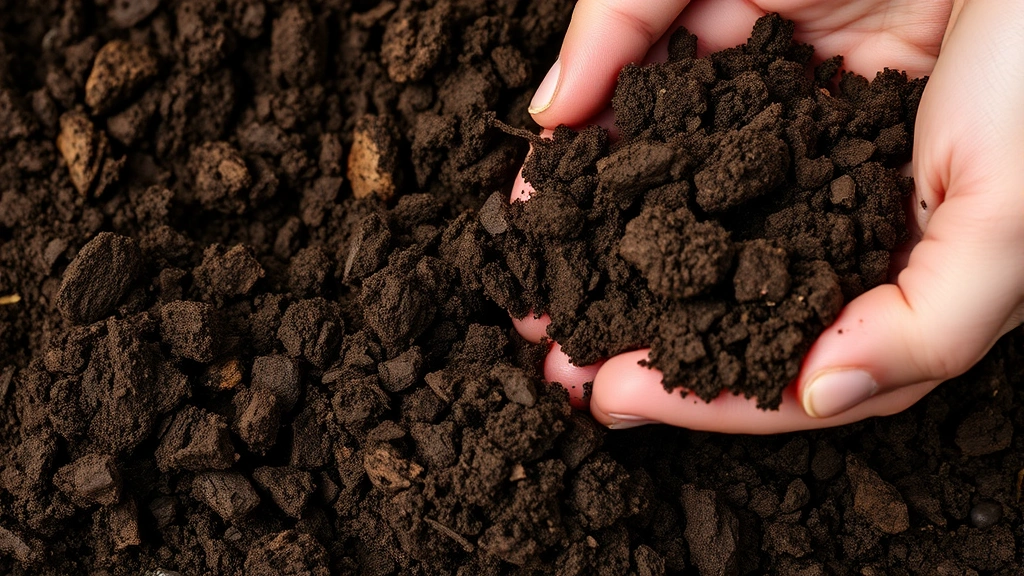
Begin by removing all rocks, sticks, and foreign objects from your planting area. Till or dig the soil to a depth of at least 12 inches, preferably 18 inches for longer varieties. If your native soil is heavy clay or compacted, amend it extensively with compost, aged manure, or peat moss to improve drainage and structure. A ideal carrot bed should feel crumbly and light, allowing roots to penetrate easily without resistance.
Test your soil pH before planting; carrots prefer slightly acidic to neutral conditions between 6.0 and 6.8. If your soil tests below 6.0, add lime; if above 7.0, add sulfur according to test recommendations. Mix 2-3 inches of high-quality compost into the top 8-10 inches of soil to boost organic matter content and nutrient availability. For container gardening, fill pots with a mixture of 60% quality potting soil and 40% compost, ensuring excellent drainage. This Old House provides excellent soil preparation guidelines for root vegetables.

Planting Carrots: Timing and Spacing
Timing your carrot planting correctly ensures you harvest at peak flavor and texture. Carrots are cool-season crops that germinate best in soil temperatures between 50-75°F. In most regions, direct-seed carrots in spring 2-3 weeks before the last frost date, or in late summer for a fall harvest crop. Many gardeners plant carrots in succession every 2-3 weeks for continuous harvests throughout the season.
Carrot seeds are extremely small and notoriously difficult to handle, making proper spacing challenging for beginners. Mix seeds with sand or use a seed tape to achieve better spacing control. Sow seeds directly into prepared beds at a depth of ¼ inch, spacing them approximately ½ inch apart in rows 12-18 inches apart. You’ll thin seedlings later as they develop, so initial spacing doesn’t need to be perfect.
Keep the seeded area consistently moist until germination occurs, typically 10-21 days depending on soil temperature and moisture. Use a fine mist or drip irrigation to avoid displacing tiny seeds. Once seedlings develop their first true leaves, thin them to appropriate spacing based on your carrot variety: Nantes varieties need 2-3 inches between plants, while shorter types require 1-2 inches. Remove thinned seedlings gently and save them for salads or replanting elsewhere.
For year-round production, calculate your local first and last frost dates, then plan successive plantings accordingly. Spring plantings typically mature before summer heat arrives, while fall plantings develop through cool autumn weather, often producing sweeter roots. Understanding your local growing zone and frost dates helps optimize planting schedules.

Watering and Moisture Management
Consistent moisture is essential for growing high-quality carrots, yet overwatering creates its own problems. Carrots need approximately 1-1.5 inches of water weekly, delivered through deep, infrequent watering rather than daily light sprinkling. Deep watering encourages strong root development and helps carrots develop their characteristic sweetness and texture.
Water early in the morning using drip irrigation or soaker hoses to deliver moisture directly to the soil, minimizing foliage wetness that promotes fungal diseases. Avoid overhead sprinklers that leave leaves wet and create disease-friendly conditions. Check soil moisture 2-3 inches deep; it should feel like a wrung-out sponge, neither soggy nor completely dry.
Inconsistent watering causes numerous problems, including cracked, bitter roots and increased pest susceptibility. During dry spells, increase watering frequency to maintain consistent soil moisture. Mulching around plants with 1-2 inches of straw or compost helps regulate soil temperature and moisture while suppressing weeds. Leave a small gap around the carrot tops to prevent rot and pest issues.
Fertilizing Your Carrot Plants
Carrots are moderate feeders that perform well in properly prepared soil without excessive fertilization. Over-fertilizing, particularly with nitrogen-heavy formulas, produces excessive foliage and forked roots. If your soil received compost during preparation, minimal additional fertilizer is needed.
For poor soils or to boost production, apply a balanced fertilizer like 5-10-10 when seedlings develop their second set of true leaves. Use approximately 1 tablespoon per 10 feet of row, working it into the soil surface gently to avoid disturbing young plants. Alternatively, apply liquid fertilizer diluted to half strength every 3-4 weeks during the growing season.
Organic gardeners should rely on compost, aged manure, and natural mineral amendments. Kelp and fish emulsion provide trace minerals and gentle nutrition without promoting excessive foliage growth. Avoid fresh manure, which can cause forking and disease issues. Consistent, moderate nutrition produces better results than heavy feeding applications.
Managing Pests and Diseases
Carrot rust flies and wireworms represent the most common pest challenges, though overall pest pressure remains relatively low compared to other vegetables. Carrot rust flies lay eggs in soil near carrot plants; emerging larvae tunnel into roots, creating rusty tunnels and making carrots unpalatable. Row covers placed immediately after planting prevent adult flies from accessing plants, protecting the critical first 6-8 weeks.
Wireworms, the larvae of click beetles, tunnel through carrot roots and are particularly problematic in newly converted garden beds. Crop rotation, removing plant debris, and maintaining good soil drainage reduce wireworm populations over time. Beneficial nematodes applied to soil can help control wireworm populations naturally.
Disease issues are less common in carrot crops but include Alternaria leaf blight, bacterial leaf spot, and root rot. Prevent these problems through proper spacing to ensure air circulation, avoiding overhead watering, and removing affected foliage promptly. Rotate carrot crops to different locations each year, as soil-borne pathogens can persist in the same spot.
Companion planting enhances pest management naturally. Plant garlic, onions, or chives near carrots to deter rust flies. Marigolds attract beneficial insects that prey on carrot pests. Avoid planting carrots near fennel or dill, which attract pests and compete for nutrients. For more comprehensive pest management strategies, consult Family Handyman’s carrot growing guide.
Harvesting and Storage
Carrots reach harvest maturity 60-90 days after planting, depending on variety and growing conditions. Young carrots can be harvested at any size for tender, sweet flavor, while mature carrots develop deeper color and store better. Check maturity by gently brushing soil away from the carrot crown; color should be vibrant and uniform for your variety.
Harvest carrots by grasping the green tops near the soil line and pulling gently while wiggling side to side. If soil is compacted, loosen it with a garden fork before pulling to prevent breaking. Harvest during cool morning or evening hours when plants are fully hydrated, maximizing crispness and shelf life.
Remove green tops immediately after harvest, as they continue drawing moisture from roots, reducing storage life. Wash carrots gently under cool water and allow them to air-dry completely. Store carrots in the refrigerator’s crisper drawer wrapped in paper towels to absorb excess moisture, where they remain fresh for 3-4 weeks. For longer storage, layer carrots in damp sand in a cool basement or root cellar, where they keep for several months.
Some gardeners leave carrots in the ground through winter in cold climates, harvesting as needed after mulching heavily to prevent freezing. This technique works best in areas with reliable snow cover and temperatures not dropping below -10°F. Alternatively, Lowe’s gardening resource center offers storage preservation techniques.
FAQ
How deep should carrot soil be?
Carrot soil should be prepared to a depth of at least 12 inches, preferably 18 inches for longer varieties. Loose, well-draining soil at this depth allows roots to develop straight and penetrate fully without encountering compacted layers that cause forking and deformities.
Can I grow carrots in containers?
Yes, carrots thrive in containers filled with quality potting soil. Use pots at least 12 inches deep for standard varieties, or 8 inches for shorter types. Ensure excellent drainage by adding drainage holes and using a potting mix rather than garden soil, which compacts in containers.
Why are my carrots forked or deformed?
Forked and deformed carrots result from compacted soil, rocks, or debris obstructing root growth. Ensure thorough soil preparation, removing all obstacles and tilling deeply. Inconsistent watering and overcrowding also contribute to misshapen roots, so maintain proper spacing and consistent moisture.
When should I thin carrot seedlings?
Thin carrot seedlings when they develop 2-3 true leaves, typically 3-4 weeks after planting. Thin to appropriate spacing based on variety: 2-3 inches for standard types, 1-2 inches for shorter varieties. Remove thinned seedlings gently to avoid disturbing remaining plants.
How often should I water carrots?
Water carrots deeply once or twice weekly, providing 1-1.5 inches total weekly. Adjust frequency based on rainfall and soil conditions; soil should feel like a wrung-out sponge 2-3 inches deep. Deep, infrequent watering encourages strong root development better than daily light watering.
Can I succession plant carrots?
Absolutely! Succession planting every 2-3 weeks provides continuous harvests throughout the season. Plant spring crops 2-3 weeks before the last frost, summer crops for fall harvest, and plan plantings to mature before extreme heat or cold arrives in your region.

Related Posts

Superscript in Google Docs: Expert Tips

Strikethrough in Excel: Easy Steps for Beginners
