
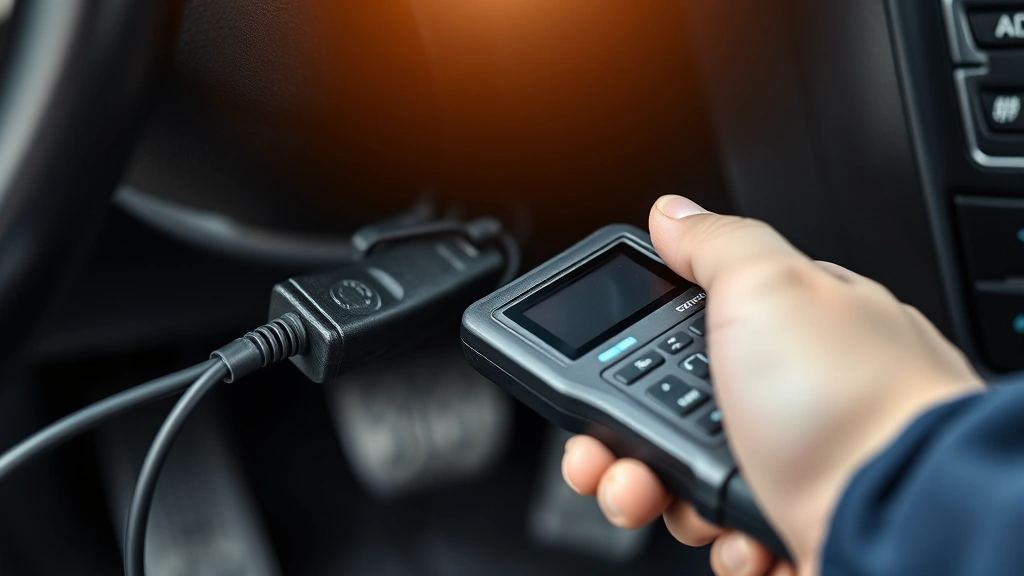
How to Clear Check Engine Codes: Expert Guide
How to Clear Check Engine Codes: Expert Guide
That little amber light on your dashboard isn’t just a suggestion—it’s your car’s way of saying something needs attention. The check engine light can trigger anxiety in even the most seasoned car owners, but here’s the good news: understanding what it means and how to clear those codes is entirely within your reach. Whether you’re dealing with a minor sensor hiccup or a more significant issue, this guide will walk you through everything you need to know about clearing check engine codes like a pro.
The check engine light (also called the malfunction indicator lamp or MIL) illuminates when your vehicle’s onboard diagnostic system detects a problem. The codes stored in your vehicle’s computer are essentially messages about what went wrong. Some are simple fixes, others require professional attention, but the process of clearing them follows a logical path. Let’s dive into the methods, tools, and knowledge you’ll need to handle this common automotive challenge.
Understanding Check Engine Codes
Before you can effectively clear check engine codes, you need to understand what they actually are. Your vehicle runs on a sophisticated computer system that monitors dozens of components and sensors. When something falls outside normal operating parameters, the system generates a diagnostic trouble code (DTC). These codes follow a standardized format: a letter followed by four numbers.
The letter indicates the system affected: P for powertrain (engine, transmission), B for body systems, C for chassis systems, and U for undefined/network codes. The first number after the letter tells you whether it’s a standard code or manufacturer-specific. Understanding this framework helps you interpret what your vehicle is actually reporting.
Common codes you might encounter include P0300 (random misfire detected), P0171 (system too lean), and P0505 (idle air control system malfunction). Each code represents a specific diagnostic pathway. Some codes are serious warnings that require immediate attention, while others are informational messages about minor issues that have already self-corrected.
The critical distinction is between permanent codes and temporary codes. A temporary code (also called a pending code) appears when the system detects an issue but hasn’t confirmed it yet. These often clear themselves after a few drive cycles. Permanent codes stick around because the problem persists or keeps recurring. You won’t be able to clear permanent codes until you’ve actually fixed the underlying issue.
Using an OBD2 Diagnostic Scanner
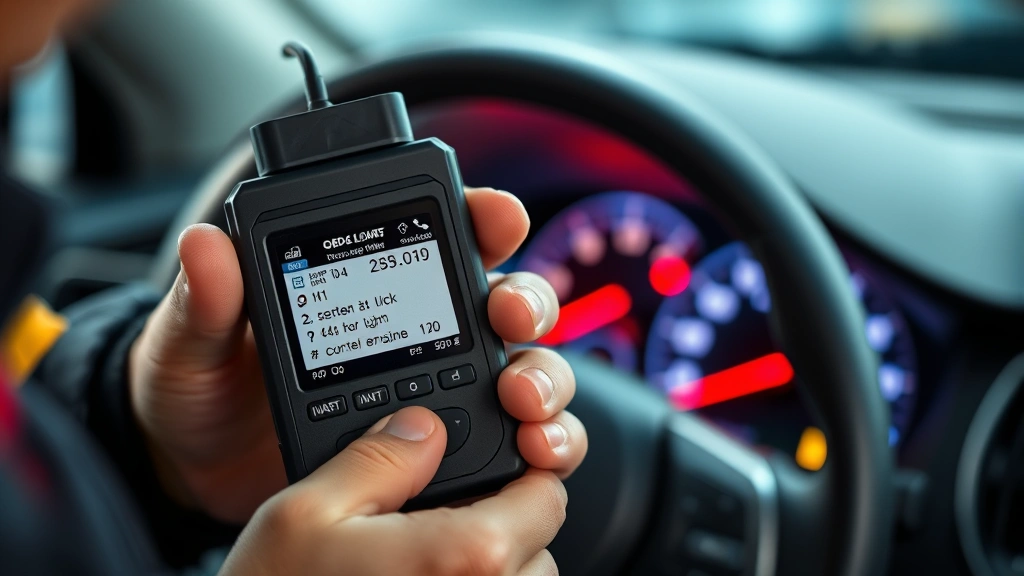
The most efficient way to read and clear check engine codes is with an OBD2 (On-Board Diagnostic 2) scanner. This device connects to your vehicle’s diagnostic port, typically located beneath the steering column or dashboard. Every vehicle manufactured after 1996 in the United States has a standardized OBD2 port, making this method universal.
You have several scanner options, each with different capabilities. Basic code readers are affordable ($25-75) and show you the trouble codes and their definitions. Mid-range scanners ($75-200) offer additional features like live data streaming. Professional-grade scanners ($300+) provide advanced diagnostics and can access manufacturer-specific codes. For most DIY enthusiasts, a basic to mid-range scanner provides everything you need.
To use a diagnostic scanner, locate your OBD2 port and plug the scanner in firmly. Turn on your vehicle’s ignition without starting the engine. The scanner will power up and establish communication with your vehicle’s computer. Navigate to the menu option for reading codes—this typically takes 10-30 seconds. The scanner will display all stored codes and their descriptions.
Write down the codes before attempting any fixes. This documentation helps you track patterns and verify that your repairs actually resolved the issue. Some scanners can clear codes directly from the device with a menu option. Others require you to use alternative methods. Check your scanner’s manual for specific clearing procedures.
Methods to Clear Codes
Several legitimate methods exist for clearing check engine codes, each with different advantages and considerations. The method you choose depends on your tools, the nature of the code, and whether you’ve actually addressed the underlying problem.
Using Your Diagnostic Scanner
The most straightforward approach is using your OBD2 scanner to clear codes directly. Most mid-range and professional scanners have a “clear codes” or “erase codes” function in their menu. This method is quick, reliable, and doesn’t require additional tools or knowledge. The scanner communicates with your vehicle’s computer and instructs it to clear all stored codes and turn off the check engine light.
After clearing codes with your scanner, drive your vehicle through various conditions—highway driving, city streets, and idle time—to complete a full drive cycle. If the underlying problem persists, the code will return within a few drive cycles. If it doesn’t return, you’ve successfully resolved the issue.
The Gas Cap Trick
Sometimes the simplest solution works. A loose or damaged gas cap can trigger a code related to your vehicle’s evaporative emissions system. Check your fuel door, remove the cap, and inspect it for cracks or a worn seal. Tighten it firmly or replace it if damaged. Drive your vehicle for several drive cycles to see if the light clears on its own. This method works for codes like P0440 or P0455.
Temporary Code Clearing Through Normal Operation
Pending or temporary codes often clear themselves without intervention. Drive your vehicle through normal conditions for several days. Temporary codes typically disappear after 3-7 days of normal driving if the problem doesn’t recur. This passive approach works well when you suspect a one-time glitch rather than a persistent issue.
The Battery Disconnect Method
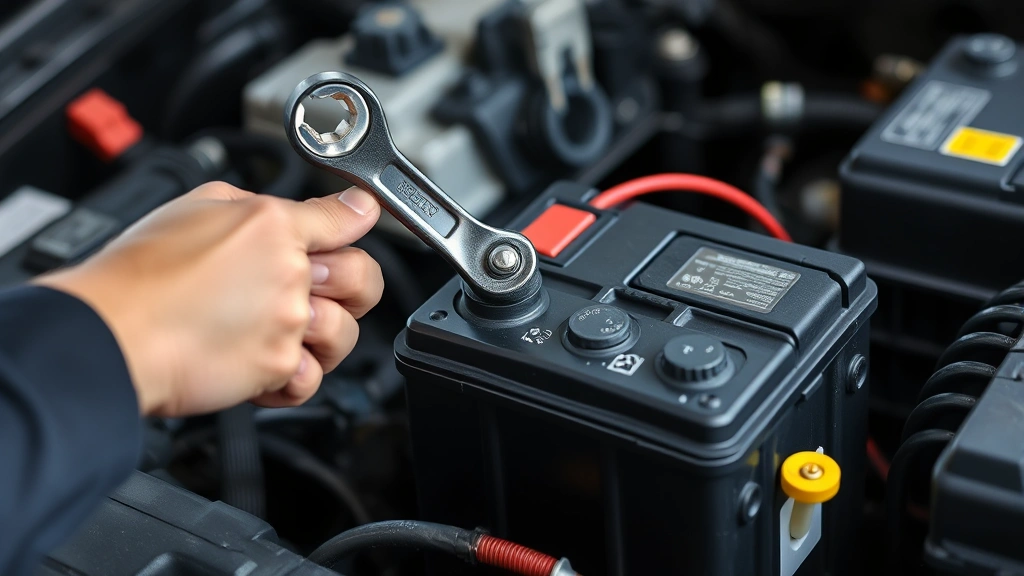
One of the oldest tricks in automotive maintenance is disconnecting your vehicle’s battery to clear codes. While this method works, it’s worth understanding why and when to use it. When you disconnect the negative battery terminal, you’re cutting power to your vehicle’s computer, which resets the diagnostic system and clears stored codes.
Here’s how to do it properly: First, disconnect your car battery by loosening the negative terminal bolt. Let the vehicle sit for 15-30 minutes to ensure the system fully powers down. Reconnect the terminal and start your vehicle. The check engine light should be gone, and your computer will be in a learning state.
However, this method has significant drawbacks. You’ll lose all stored codes, including valuable diagnostic information that could help identify recurring problems. Your vehicle’s computer will need to relearn various parameters, which might cause rough idle or poor performance for a few drive cycles. Additionally, disconnecting the battery clears all codes indiscriminately—both the current problem and any history of issues.
More importantly, understanding your battery’s role in your vehicle’s electrical system helps you appreciate why this method should be a last resort. If you do disconnect the battery, you might also need to check your engine oil afterward, as your vehicle may have lost electronic settings related to maintenance reminders.
Use the battery disconnect method only when you don’t have access to a diagnostic scanner and you’re confident you’ve resolved the underlying issue. For most situations, a scanner provides a cleaner, more informative approach.
Preventing Future Check Engine Lights
The best way to deal with check engine codes is preventing them in the first place. Regular maintenance is your first line of defense. Follow your manufacturer’s recommended service schedule for oil changes, filter replacements, and fluid checks. Keeping your engine properly serviced prevents many common issues that trigger codes.
Regular Maintenance Practices
Stay on top of routine maintenance tasks. Checking your engine oil regularly ensures proper lubrication and prevents sensor codes related to oil pressure. Keep your fuel system clean by using quality fuel and occasionally adding fuel system cleaner. Changing your transmission fluid at recommended intervals prevents transmission-related codes from appearing.
Sensor Care and Attention
Your vehicle has multiple sensors that feed data to the computer. Oxygen sensors, mass airflow sensors, and catalytic converter efficiency sensors are common culprits for check engine codes. Keep your engine properly tuned, use the correct fuel octane rating, and avoid driving with a clogged air filter. These practices keep sensors functioning properly and prevent false codes.
Address Warning Signs Early
Don’t ignore subtle symptoms. If your vehicle is running rough, has poor fuel economy, or hesitates during acceleration, investigate the cause before a code appears. Early intervention prevents small problems from cascading into major issues that trigger multiple codes.
Secure Your Fuel Cap
It sounds trivial, but a loose fuel cap causes countless check engine lights. After refueling, ensure your cap is tightened firmly until you hear a click. Regular vehicle inspections, including checking your fuel cap during routine maintenance, prevent these unnecessary codes.
When to Seek Professional Help
While clearing check engine codes yourself is often straightforward, certain situations warrant professional diagnosis and repair. Understanding when to call a mechanic saves time, money, and prevents vehicle damage.
If the check engine light is flashing rather than steady, stop driving immediately. A flashing light indicates a severe misfire or catalytic converter issue that can cause expensive damage if ignored. Get professional help right away. Similarly, if your vehicle is showing multiple codes simultaneously or if a code returns repeatedly after you’ve cleared it, professional diagnosis is necessary.
Some codes are manufacturer-specific and require specialized knowledge or equipment to diagnose properly. Complex systems like your vehicle’s emission control system, transmission computer, or advanced engine management systems often need professional attention. When in doubt, consult automotive diagnostic resources or visit a qualified mechanic.
Professional mechanics have access to advanced diagnostic equipment that can pinpoint issues quickly. They can also perform necessary repairs and verify that your fix actually resolved the problem. For safety-critical codes or complex electrical issues, professional service is the smart choice.
Frequently Asked Questions
Can I drive with the check engine light on?
It depends on the code. If the light is steady, you can usually drive to a mechanic or auto parts store for diagnosis. If it’s flashing, indicating a severe misfire, stop driving immediately to prevent catalytic converter damage. A flashing light means your engine is misfiring badly enough to damage expensive emissions equipment.
Will clearing codes fix my vehicle?
Clearing codes addresses the symptom, not necessarily the cause. If you haven’t fixed the underlying problem, the code will return. Always diagnose the issue before clearing codes. Use your scanner to read the code, research what it means, fix the problem if possible, then clear the code. If it doesn’t return after several drive cycles, you’ve successfully resolved the issue.
How much does it cost to clear a check engine code professionally?
Professional diagnostics typically cost $75-150, though many auto parts stores offer free code reading. If you need repairs, costs vary dramatically depending on the issue. A loose gas cap might cost nothing, while transmission problems could exceed $1,000. Getting a professional diagnosis helps you understand the true cost before committing to repairs.
Should I buy a diagnostic scanner?
If you own your vehicle long-term and enjoy DIY maintenance, a basic OBD2 scanner ($30-50) is a worthwhile investment. It pays for itself after one professional diagnostic visit. Many auto parts stores also offer free code reading, which is a good first step before investing in your own equipment.
Why does my check engine light come back after I clear it?
The code returns because the underlying problem persists. Your vehicle’s computer continuously monitors systems and will regenerate a code if the condition reoccurs. This is actually helpful—it tells you your fix didn’t work or the problem is more complex than expected. Investigate further or seek professional help if codes keep returning.
Can a faulty sensor cause a false check engine code?
Absolutely. Oxygen sensors, mass airflow sensors, and other diagnostic sensors can malfunction and generate codes for problems that don’t exist. A professional scanner can often help identify sensor issues through live data monitoring. If a code persists despite your best troubleshooting efforts, the sensor itself might be faulty.
Is it safe to clear codes without fixing the problem?
Technically yes, but it’s not advisable. Clearing codes without addressing the underlying issue means the problem continues damaging your vehicle. For safety-critical issues like emission system problems or engine misfires, continued operation can cause expensive damage. It’s better to diagnose and fix the problem properly than to repeatedly clear codes.

Related Posts

How Long to Boil Lobster Tails: Cooking Guide

How Long to Fly from New York to London? Travel Times
