
Clear Histamine Naturally? Expert Tips Inside!
How to Clear Histamine from Your Body: Expert Tips Inside
Histamine is a chemical compound your body produces naturally, playing crucial roles in immune response, stomach acid regulation, and sleep-wake cycles. However, when histamine levels become elevated due to dietary intake, stress, or certain health conditions, you may experience uncomfortable symptoms like headaches, digestive issues, skin reactions, and fatigue. Understanding how to clear histamine from your body naturally can help restore balance and improve your overall wellness.
Whether you’re dealing with histamine intolerance or simply want to optimize your body’s natural detoxification processes, this comprehensive guide explores evidence-based strategies to reduce histamine accumulation. From dietary modifications to lifestyle changes and natural remedies, we’ll walk you through practical steps you can implement today. Many people find that combining multiple approaches yields the best results, so read through all sections to develop a personalized plan.

Understanding Histamine and Why Levels Rise
Histamine functions as a neurotransmitter and signaling molecule throughout your body. Your immune cells release histamine during allergic reactions, while your stomach produces it to regulate acid for digestion. Your brain uses histamine to regulate sleep patterns and appetite. The problem arises when histamine accumulates faster than your body can break it down.
Your body eliminates histamine primarily through two enzymes: diamine oxidase (DAO) in your digestive tract and histamine-N-methyltransferase (HNMT) in your cells. When these enzymes function poorly—due to genetics, nutrient deficiencies, medications, or gut health issues—histamine builds up. Additionally, certain foods naturally contain high histamine levels because they’ve undergone fermentation, aging, or bacterial processes.
Common symptoms of elevated histamine include migraines, brain fog, anxiety, hives, digestive problems, and sleep disturbances. If you suspect histamine intolerance, consult a healthcare provider who can test your DAO levels and recommend appropriate interventions. Many people benefit from combining practical how-to approaches with professional medical guidance.
The Low-Histamine Diet Approach
The most direct way to reduce histamine levels is eliminating high-histamine foods from your diet. This approach works by reducing the external histamine load your body must process, giving your natural detoxification systems breathing room to clear accumulated histamine.
Foods to Avoid
High-histamine foods include:
- Fermented foods: Sauerkraut, kimchi, soy sauce, miso, tempeh, kombucha
- Aged foods: Aged cheeses, cured meats, salami, pepperoni, ham
- Seafood: Tuna, mackerel, sardines, shellfish (especially if not fresh)
- Processed meats: Hot dogs, deli meats, bacon, sausage
- Alcohol: Red wine, beer, champagne contain high histamine
- Vinegar-based products: Ketchup, mustard, salad dressings, pickles
- Leftovers: Cooked food stored more than 24 hours develops histamine
- Certain vegetables: Tomatoes, eggplant, spinach, avocado, mushrooms
- Nuts: Cashews and peanuts (other nuts typically safe)
- Chocolate and cocoa products
The key is eating fresh foods prepared shortly before consumption. When you cook chicken, beef, or vegetables, consume them within a few hours rather than storing them. This prevents bacterial overgrowth that produces histamine.
Foods to Emphasize
Fresh, unprocessed foods are your allies:
- Freshly cooked meat, poultry, and fish
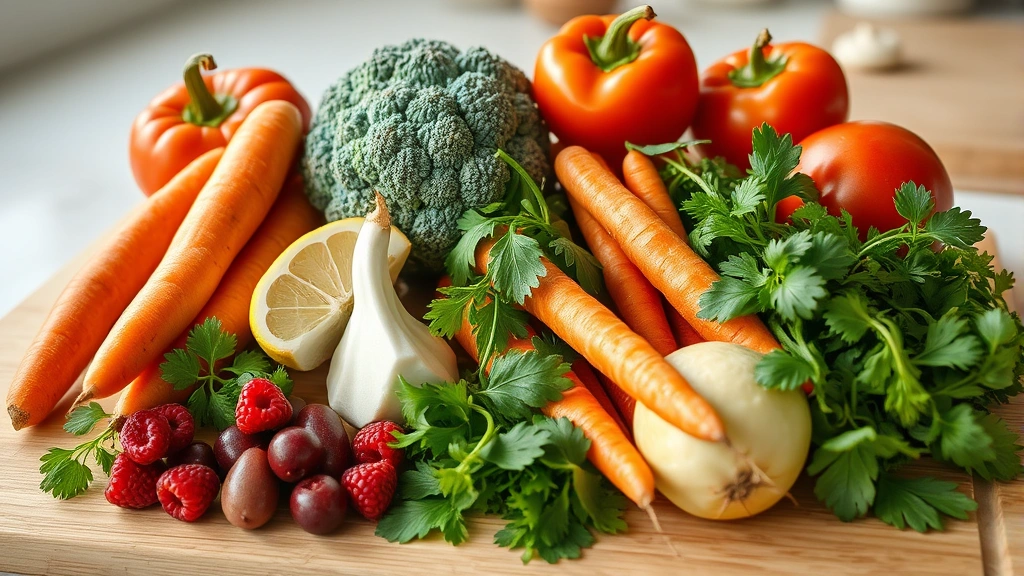
- Fresh vegetables (except those listed above): broccoli, cauliflower, green beans, zucchini, carrots
- Fresh fruits: apples, berries, pears, watermelon
- Rice, quinoa, and fresh grains
- Fresh herbs: basil, oregano, parsley
- Coconut oil and olive oil
- Bone broth made fresh
- Grass-fed dairy (if tolerated)
Many people find that following a strict low-histamine diet for 4-6 weeks helps them identify whether histamine intolerance is their primary issue. After symptoms improve, you can gradually reintroduce foods to determine your personal tolerance threshold.
Supporting DAO Enzyme Production
Since DAO is your primary histamine-breakdown enzyme in the digestive tract, supporting its production is essential. DAO requires specific cofactors and nutrients to function optimally.
Essential Nutrients for DAO Function
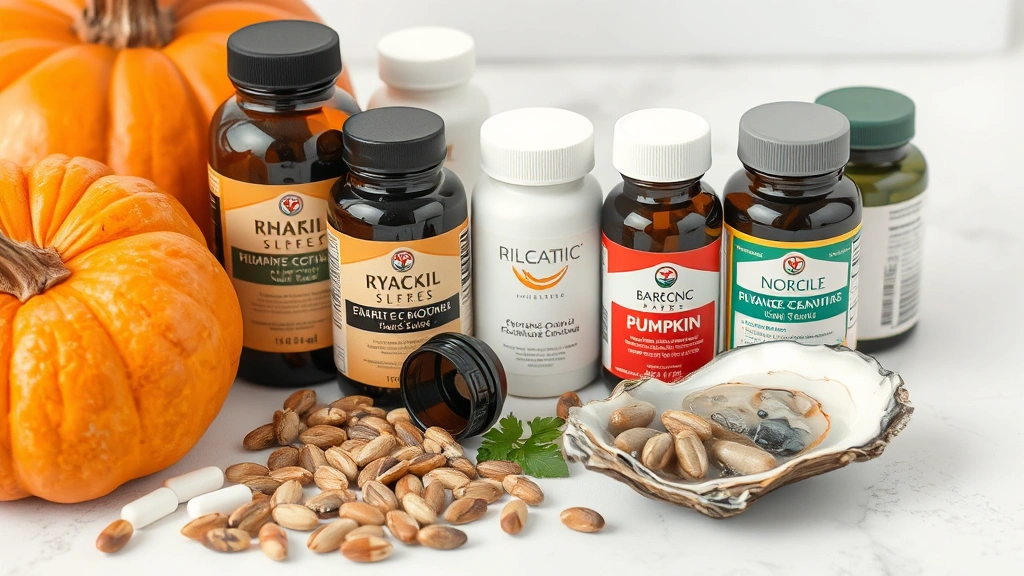
Copper: DAO absolutely requires copper as a cofactor. Copper-rich foods include oysters, beef liver, cashews, and sunflower seeds. Many people with histamine intolerance are deficient in copper.
Vitamin B6: This vitamin supports DAO enzyme synthesis. Include sources like chickpeas, salmon, potatoes, and chicken. B6 supplementation can be particularly helpful, typically 25-50mg daily.
Vitamin C: Acts as a cofactor for DAO. Fresh citrus, kiwi, and bell peppers provide vitamin C, though supplements may be necessary for optimal levels.
Zinc: Supports overall enzyme function and immune regulation. Pumpkin seeds, beef, and oysters are excellent sources.
Gut Health Connection
DAO is produced in your small intestine lining. If your gut is damaged or inflamed, DAO production suffers. Healing your gut involves:
- Eliminating inflammatory foods and processed products
- Taking a quality probiotic (ensuring the strain doesn’t produce histamine)
- Consuming bone broth for collagen and amino acids
- Reducing stress, which damages gut barrier function
- Staying hydrated to support mucous membrane health
Some people benefit from L-glutamine supplementation (5-10 grams daily) to repair intestinal lining. This amino acid is the preferred fuel source for intestinal cells and can help restore DAO-producing cells.
Natural Remedies and Supplements
Beyond dietary changes, several natural compounds help reduce histamine levels and support your body’s detoxification pathways.
Quercetin
This bioflavonoid acts as a natural antihistamine by stabilizing mast cells (immune cells that release histamine). Quercetin is found in onions, apples, and tea, but supplementation (typically 500-1000mg daily) often provides more therapeutic benefit. Research published by the National Institutes of Health demonstrates quercetin’s effectiveness in reducing histamine release.
DAO Enzyme Supplements
Products like Histame contain supplemental DAO enzyme taken immediately before meals. This provides extra enzyme capacity to break down dietary histamine. While some people report significant relief, results vary based on your body’s ability to absorb the supplemental enzyme.
Vitamin B Complex
Beyond individual B vitamins, a comprehensive B complex supports HNMT (the other histamine-breakdown enzyme). Take a complex containing B1, B2, B3, B5, B6, B12, and folate. Many people with histamine issues are deficient in multiple B vitamins.
Probiotics and Prebiotics
Specific probiotic strains help: Lactobacillus plantarum, Bifidobacterium longum, and Lactobacillus rhamnosus. Avoid strains known to produce histamine like Lactobacillus casei. Prebiotics like partially hydrolyzed guar gum feed beneficial bacteria without promoting histamine-producing strains.
Methylation Support
HNMT requires methyl groups to function. Supporting methylation involves:
- Trimethylglycine (TMG) supplements: 1-3 grams daily
- Methylated B vitamins (methylcobalamin, methylfolate)
- Choline-rich foods: eggs, salmon, broccoli
- SAMe supplements for advanced support
Lifestyle Changes for Histamine Management
Your daily habits significantly impact histamine accumulation. Making strategic lifestyle modifications complements dietary and supplement approaches.
Stress Reduction
Chronic stress triggers mast cell degranulation, releasing stored histamine. Implement stress-management practices:
- Daily meditation or mindfulness (even 10 minutes helps)
- Deep breathing exercises: 4-7-8 breathing technique
- Progressive muscle relaxation before bed
- Regular exercise: yoga, walking, or swimming
- Nature exposure and grounding practices
When you’re stressed, your cortisol levels rise, which paradoxically suppresses DAO enzyme function while simultaneously triggering histamine release. This creates a vicious cycle that breaking requires consistent stress management.
Sleep Optimization
Poor sleep increases histamine production and decreases DAO function. Histamine regulates your sleep-wake cycle, so improving sleep helps normalize histamine levels:
- Maintain consistent sleep schedule (bed and wake times)
- Keep bedroom cool (around 65-68°F)
- Eliminate blue light 1-2 hours before bed
- Avoid caffeine after 2 PM
- Use blackout curtains
- Consider magnesium glycinate (200-400mg) for sleep support
Exercise Timing
While exercise is beneficial, intense workouts can trigger histamine release through mast cell activation. Consider:
- Moderate exercise: 30 minutes walking, swimming, or cycling
- Avoid strenuous workouts during high-stress periods
- Exercise in morning or early afternoon, not evening
- Allow adequate recovery between intense sessions
Environmental Factors
Reduce exposure to environmental triggers that activate mast cells:
- Air quality: Use HEPA filters to reduce particulates
- Temperature: Avoid extreme heat, which triggers histamine release
- Humidity: Maintain 40-50% humidity to prevent mold growth
- Chemical exposure: Reduce perfumes, cleaning products, and synthetic fragrances
- Allergen exposure: Control dust mites and pet dander
Medication Review
Certain medications block DAO enzyme function or trigger histamine release:
- NSAIDs (ibuprofen, naproxen)
- Some antidepressants
- Antihistamines (paradoxically, long-term use can worsen tolerance)
- Certain blood pressure medications
- Antibiotics like cephalosporins
If you take these medications, discuss alternatives with your healthcare provider rather than stopping abruptly. Sometimes switching to a different medication class resolves histamine issues.
Hydration and Detoxification
Adequate hydration supports your body’s natural detoxification processes:
- Drink half your body weight in ounces of water daily (minimum)
- Add electrolytes (sodium, potassium, magnesium) to prevent dilution
- Herbal teas like chamomile and ginger support digestion
- Limit caffeine, which can trigger histamine release
Some people benefit from gentle detoxification support through sauna use (2-3 times weekly for 15-20 minutes) or dry brushing to support lymphatic drainage. However, ensure you’re addressing the root cause rather than just treating symptoms.
FAQ
How long does it take to clear histamine from your body?
This varies considerably based on your DAO enzyme function, gut health, and histamine load. Most people notice symptom improvement within 2-4 weeks of strict low-histamine diet combined with supportive supplements. Full histamine clearance and tolerance restoration may take 8-12 weeks or longer. Some individuals need to maintain low-histamine eating indefinitely, while others eventually tolerate more foods.
Can you have histamine intolerance without allergies?
Absolutely. Histamine intolerance is distinct from allergies. Allergies involve IgE immune response, while histamine intolerance reflects your body’s inability to metabolize dietary and endogenous histamine. You can have histamine intolerance without any allergic conditions, though some people have both.
Are all probiotics safe for histamine intolerance?
No. Many common probiotic strains actually produce histamine. Saccharomyces boulardii, Lactobacillus plantarum, and Bifidobacterium longum are generally safe choices. Avoid Lactobacillus casei, Lactobacillus reuteri, and Lactobacillus histidine decarboxylase. Work with a healthcare provider to select appropriate strains.
What’s the relationship between histamine and MCAS?
Mast Cell Activation Syndrome (MCAS) is a condition where mast cells inappropriately release histamine and other mediators. While related to histamine intolerance, MCAS is more serious and requires specialized medical management. If you suspect MCAS, seek evaluation from a specialist in immunology or allergology.
Can exercise help clear histamine?
Moderate, consistent exercise supports overall detoxification and stress reduction, which indirectly helps histamine management. However, intense exercise can trigger acute histamine release through mast cell activation. Focus on gentle, regular movement like walking, swimming, or yoga rather than high-intensity workouts while managing histamine levels.
Should I do a histamine elimination diet permanently?
Most people use strict low-histamine eating as a therapeutic intervention for 4-12 weeks, then gradually reintroduce foods to identify personal tolerance thresholds. Some people with severe intolerance need to maintain restrictions long-term, while others eventually tolerate most foods. Work with a nutritionist to develop a sustainable approach tailored to your needs.
How does the pharmacology of histamine metabolism affect supplement choices?
Understanding that DAO and HNMT are your primary histamine-breakdown pathways helps you select appropriate supplements. DAO supplements, B vitamins, copper, and vitamin C directly support enzyme function. This biochemical knowledge guides supplement selection beyond generic antihistamine products.
Can dental work or infections trigger histamine spikes?
Yes. Bacterial infections and tissue trauma trigger immune response and mast cell degranulation, releasing stored histamine. Dental procedures, urinary tract infections, or any infection can cause temporary histamine elevation. This is why stress management and immune support are crucial during these periods.
What role does the gut microbiome play?
Your gut bacteria produce histamine, regulate DAO production, and influence intestinal barrier function. An imbalanced microbiome with excessive histamine-producing bacteria perpetuates the problem. Restoring microbial balance through appropriate probiotics, prebiotics, and dietary changes is fundamental to resolving histamine issues long-term.

Related Posts

Superscript in Google Docs: Expert Tips

Strikethrough in Excel: Easy Steps for Beginners
