

Clean Solar Panels? Expert Tips for Efficiency
Clean Solar Panels? Expert Tips for Efficiency
Solar panels are a fantastic investment in renewable energy, but like any outdoor equipment, they require regular maintenance to perform at their peak. Dust, dirt, bird droppings, and environmental debris can significantly reduce your solar panel efficiency—sometimes by as much as 20-25%. Learning how to clean solar panels properly ensures your system continues generating maximum power while protecting your investment for years to come.
Whether you’re a DIY enthusiast or considering professional cleaning services, this comprehensive guide covers everything you need to know about maintaining your solar panels. We’ll walk through the best practices, safety considerations, and step-by-step instructions to keep your panels sparkling and efficient.
Why Regular Solar Panel Cleaning Matters
Your solar panels work by converting sunlight into electricity through photovoltaic cells. When dirt, dust, pollen, or other debris accumulates on the glass surface, it blocks sunlight from reaching these cells, directly reducing energy production. Research from EnergySage indicates that dirty solar panels can lose 15-25% of their efficiency, translating to hundreds of dollars in lost energy production annually.
Different environments experience varying levels of soiling. If you live in a dusty area, near agricultural land, close to the ocean (salt spray), or where birds are common, your panels will accumulate debris faster. Even in relatively clean areas, seasonal pollen and occasional bird droppings require attention. Regular cleaning isn’t just about maintaining aesthetics—it’s about protecting the return on your solar investment.
Think of solar panel maintenance similarly to how you’d maintain other valuable outdoor equipment. Just as you’d regularly service an HVAC system or maintain your roof, solar panels deserve consistent attention. When properly maintained, solar panels can operate efficiently for 25-30 years, making cleaning a small price for such long-term benefits.
Best Time to Clean Solar Panels
Timing is crucial when learning how to clean solar panels effectively. The ideal conditions include:
- Early morning or late afternoon: Cooler temperatures prevent water from evaporating too quickly, allowing better cleaning action. Avoid midday when panels are hot, as rapid temperature changes from cool water can potentially damage the glass.
- Cloudy days: Perfect for cleaning since panels aren’t generating electricity actively, and you won’t lose production time. Additionally, cloud cover prevents water spots from forming as quickly.
- After rain: Light rain naturally rinses away some debris, making your cleaning job easier. However, heavy rain followed by dust storms will require more thorough cleaning.
- Seasonal considerations: Spring cleaning removes winter accumulation, while fall cleaning addresses pollen and debris. In dusty climates, monthly inspections might reveal cleaning needs.
Avoid cleaning during extreme weather conditions like high winds, thunderstorms, or intense heat. Safety should always be your primary concern when working on elevated surfaces.
Essential Tools and Materials
Before starting your solar panel cleaning project, gather the following supplies:
- Soft-bristled brush or squeegee: Essential for gentle scrubbing without scratching the glass. Avoid wire brushes or abrasive materials that could damage the panel coating.
- Deionized or distilled water: Regular tap water contains minerals that leave spots. Deionized water prevents residue buildup and streaking.
- Mild detergent: A few drops of dish soap mixed with water creates an effective cleaning solution. Some homeowners prefer specialized solar panel cleaning solutions.
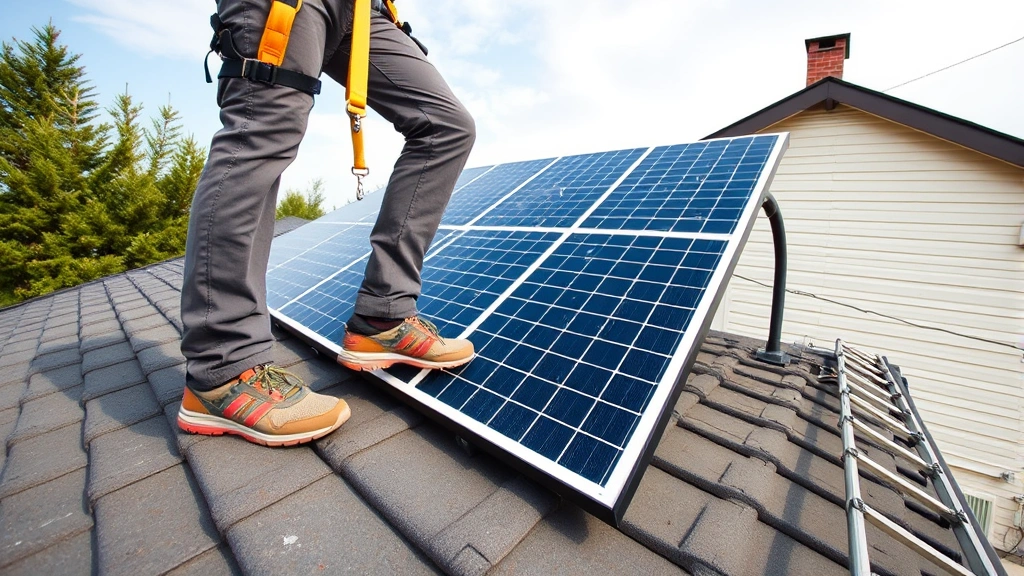
- Safety equipment: Harness, non-slip shoes, and a stable ladder are non-negotiable. Never skip safety gear regardless of how simple the task seems.
- Extension pole or wand: Allows you to reach panels from the ground or safely from a ladder without overextending.
- Bucket: For mixing your cleaning solution and rinsing your brush.
- Chamois cloth or microfiber towel: For drying panels and preventing water spots.
- Hose with spray nozzle: For initial rinsing and final rinse. Use low to medium pressure to avoid forcing water into panel seals.
For those interested in learning additional cleaning techniques, our guide on how to clean silver at home discusses specialized cleaning solutions that demonstrate similar gentle-yet-effective principles applicable to delicate surfaces.
Safety Considerations Before You Start
Working at heights presents inherent risks that demand serious attention. Before touching your solar panels, consider these safety protocols:
- Check your roof condition: Ensure your roof is structurally sound and can safely support your weight plus equipment. Damaged or deteriorating roofing should be repaired first.
- Use proper fall protection: Wear a safety harness connected to a secure anchor point. Many professionals recommend hiring professionals if your roof has a steep pitch or poor access.
- Turn off your system: Contact your solar provider or electrician if you’re unsure how to safely disconnect your system. Working on live electrical equipment is dangerous.
- Avoid power lines: Keep your ladder and tools at least 10 feet away from electrical lines. Electrocution risks are serious when working at height.
- Check weather conditions: Never work during storms, high winds, or when the roof is wet or icy. Slippery surfaces dramatically increase accident risk.
- Have someone nearby: Always inform someone of your activities. In case of emergency, having a person aware of your location could save your life.
- Consider professional help: For steep roofs, difficult access, or if you’re uncomfortable with heights, hiring professionals is the safer choice. The cost is minimal compared to potential injury.
According to OSHA guidelines, falls from heights represent one of the leading causes of serious workplace injuries. Residential applications require the same safety rigor.
Step-by-Step Cleaning Instructions
Follow this comprehensive process for effective solar panel cleaning:
- Inspect your panels: Before wetting anything, examine your panels closely. Look for bird droppings, tree sap, or stubborn debris that requires extra attention. Note any damage or concerns to discuss with your installer.
- Prepare your cleaning solution: Mix deionized water with a few drops of mild dish soap in your bucket. Stir gently to distribute the soap evenly. Avoid using high-concentration detergents that leave residue.
- Rinse the panels lightly: Use your hose on low to medium pressure to rinse away loose dust and debris. Start from the top and work downward, allowing water to flow naturally. This initial rinse prevents you from grinding dirt into the glass during scrubbing.
- Scrub gently with your brush: Dip your soft-bristled brush into the cleaning solution and gently scrub the panel surface using circular motions. Pay special attention to corners and edges where debris accumulates. Apply moderate pressure—you’re cleaning, not sanding.
- Address stubborn spots: For bird droppings or tree sap, let your cleaning solution sit for a few minutes to loosen the debris. Gently scrub again rather than applying excessive force. Patience beats aggression when dealing with delicate solar glass.
- Rinse thoroughly: Use your hose to rinse away all soap residue. Incomplete rinsing leaves streaks and reduces light transmission. Make sure water runs clear with no visible soap bubbles.
- Dry the panels: Use a chamois cloth or microfiber towel to dry the panels completely. This prevents water spots and mineral deposits from forming as water evaporates. Wipe in one direction for best results.
- Document your work: Take photos of clean panels and note the date. This record helps you track cleaning frequency and monitor how quickly debris accumulates in your specific environment.
The entire process typically takes 1-3 hours depending on panel quantity and debris accumulation. Most homeowners find the task manageable with proper preparation and safety measures.

Common Mistakes to Avoid
Learning what NOT to do is equally important as knowing proper techniques:
- Using high-pressure washers: Pressure washers can damage panel seals and force water into electrical connections. Stick with gentle hose pressure and hand washing.
- Cleaning during peak sun: Hot panels and cool water create thermal stress. Wait for cooler times of day or cloudy weather.
- Using abrasive materials: Scouring pads, wire brushes, or harsh chemicals scratch the protective coating on panels, reducing efficiency permanently.
- Ignoring safety equipment: Skipping harnesses or ladders because “it’s just a quick job” is how accidents happen. Always prioritize safety over convenience.
- Using tap water: Mineral-heavy tap water leaves deposits that reduce light transmission. Invest in deionized water for optimal results.
- Overcleaning: Excessive cleaning can wear panels prematurely. Establish a schedule based on your environment rather than cleaning constantly.
- Mixing incompatible products: Some cleaning chemicals react negatively with solar panel materials. Stick with mild soap and water unless using manufacturer-approved solutions.
Much like how proper technique matters when you’re learning how to clean jewelry, solar panel cleaning requires gentleness and appropriate materials to avoid damage.
Maintenance Schedule and Frequency
Establishing a regular maintenance schedule keeps your panels performing optimally:
- Dusty or agricultural areas: Clean monthly or as needed. Dust accumulation happens quickly in these environments.
- Urban areas with moderate pollution: Clean quarterly (every three months). Seasonal pollen and urban dust require regular attention.
- Rural areas with low dust: Clean 2-3 times yearly. Spring and fall cleanings address seasonal debris.
- Coastal areas: Clean every 2-3 months due to salt spray accumulation. Salt deposits are particularly corrosive and reduce efficiency significantly.
- Areas with heavy bird activity: Clean as needed, potentially monthly. Bird droppings are acidic and require prompt removal.
Many homeowners perform a quick visual inspection monthly and schedule thorough cleaning based on observed debris levels. Some solar providers include maintenance in their service agreements, while others recommend professional cleaning annually.
For additional insights into maintaining valuable items, check out our resources on FixWiseHub Blog for comprehensive home maintenance strategies. You might also find our guide on how to clean leather couch helpful for understanding surface-specific cleaning approaches applicable to various home maintenance projects.
FAQ
How often should I clean my solar panels?
Cleaning frequency depends on your environment. Dusty areas need monthly attention, while moderate climates require quarterly cleaning. Most homeowners find 2-4 cleanings annually sufficient, but monitor your specific situation and adjust accordingly.
Can I use a pressure washer on solar panels?
No, pressure washers can damage panel seals and force water into electrical connections. Stick with gentle hose pressure and hand washing with soft brushes for safe, effective cleaning.
What’s the best time of day to clean solar panels?
Early morning or late afternoon works best when panels are cooler. Avoid midday when panels are hot, as rapid temperature changes from cool water can stress the glass. Cloudy days are ideal since you won’t interrupt electricity generation.
Can I clean my solar panels myself, or should I hire professionals?
DIY cleaning is possible if you’re comfortable with heights and have proper safety equipment. However, if your roof is steep, access is difficult, or you’re uncomfortable working at elevation, professional services are worth the investment. Safety should always be your priority.
What should I use to clean solar panels?
Use deionized water mixed with a few drops of mild dish soap. Avoid tap water (mineral deposits), harsh chemicals, and abrasive materials. A soft-bristled brush and chamois cloth complete your toolkit. Never use high-pressure washers or scouring pads.
How much efficiency can I regain by cleaning my panels?
Dirty panels can lose 15-25% efficiency. Regular cleaning can restore this lost production, translating to hundreds of dollars annually in recovered energy generation. The ROI on cleaning is excellent compared to the minimal cost and effort required.
Will cleaning my solar panels void the warranty?
Proper cleaning shouldn’t void warranties. However, damage from pressure washers, harsh chemicals, or improper techniques might. Always follow manufacturer guidelines and use gentle methods. When in doubt, contact your solar provider before cleaning.
Is there a best season for solar panel cleaning?
Spring and fall are ideal for seasonal cleanings. Spring removes winter accumulation, while fall clears summer dust and debris. In areas with harsh winters or heavy pollen seasons, additional cleanings may be necessary.

Related Posts

Superscript in Google Docs: Expert Tips

Strikethrough in Excel: Easy Steps for Beginners
