
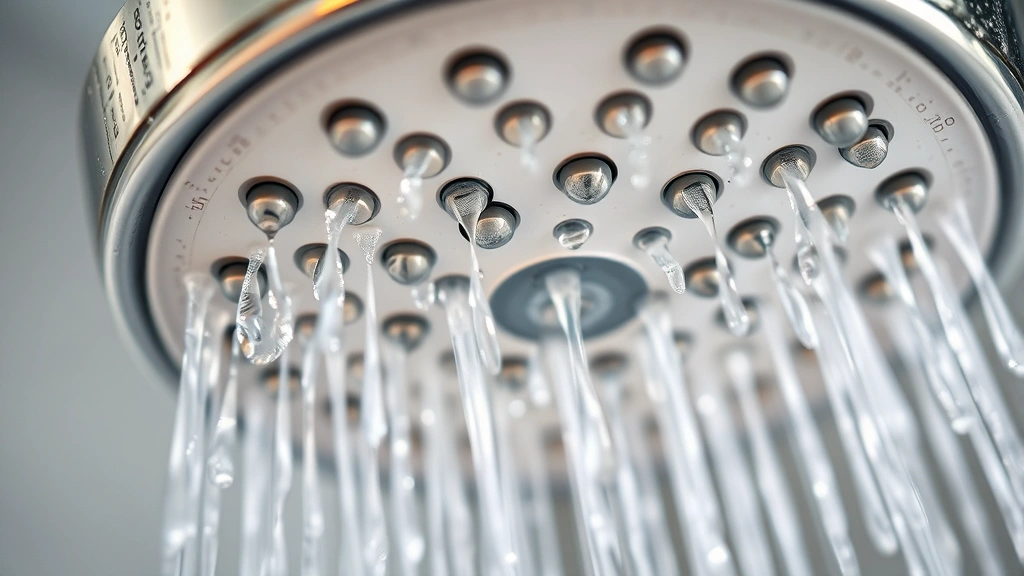
How to Clean a Shower Head: Expert Guide
How to Clean a Shower Head: Expert Guide
There’s nothing quite like stepping into a hot shower after a long day, except when you realize your shower head is spraying water like a broken sprinkler system. Mineral deposits, sediment, and buildup are the silent culprits turning your relaxing shower experience into a frustrating one. The good news? Cleaning your shower head is one of the easiest home maintenance tasks you can tackle, and you probably already have everything you need in your kitchen cabinet.
Most people don’t realize how much gunk accumulates inside their shower heads until they actually look. Hard water minerals, soap residue, and bacteria create a perfect storm that gradually reduces water pressure and can even affect water quality. The best part about learning how to clean a shower head is that it takes minutes, costs almost nothing, and can dramatically improve your daily shower experience.
Whether you’re dealing with weak water pressure, uneven spray patterns, or just general maintenance, this guide will walk you through multiple proven methods that work on virtually any shower head style. Let’s get that shower head sparkling again.
Why Cleaning Your Shower Head Matters
Before you roll your eyes at the thought of shower head maintenance, consider this: a clogged shower head doesn’t just reduce water pressure—it can harbor bacteria and mold that directly impact your hygiene. Hard water mineral deposits like calcium and magnesium build up over time, creating blockages in the tiny holes that distribute water. In some cases, this buildup can be so severe that water flows out unevenly or in concentrated streams rather than a gentle spray.
Regular cleaning also extends the life of your shower head. When mineral deposits accumulate, they can corrode the internal components and the finish on the outside. By maintaining your shower head, you’re investing in its longevity and ensuring consistent water pressure throughout your home’s plumbing system.
The connection between bathroom cleanliness and overall home maintenance is stronger than most people think. When you’re learning about deep cleaning one area, you’re often applying the same principles elsewhere. For instance, the same mineral-removal techniques work wonderfully when you need to clean brass fixtures throughout your home.

The Vinegar Soak Method
This is the gold standard for shower head cleaning, and it’s almost embarrassingly simple. White vinegar is nature’s miracle worker for mineral deposits, and it’s non-toxic, affordable, and readily available. Here’s exactly how to do it:
- Gather your supplies: You’ll need white vinegar (distilled is best), a plastic bag, a rubber band or twist tie, and optionally a small brush or old toothbrush.
- Fill the bag: Pour white vinegar into a plastic bag—you need enough to completely submerge the shower head’s holes. A gallon-sized freezer bag works perfectly.
- Secure the bag: Carefully position the bag around the shower head so it’s fully immersed in vinegar. Use a rubber band to hold it in place. Make sure the seal is tight enough that the vinegar stays put, but not so tight that you damage the fixture.
- Let it soak: Leave the vinegar-filled bag on your shower head for at least 2-4 hours. For heavily calcified shower heads, overnight soaking delivers better results. The acetic acid in vinegar dissolves mineral deposits without any scrubbing required.
- Remove and rinse: Take off the bag and run hot water through the shower head for 30 seconds to rinse away loosened deposits. You should immediately notice improved water pressure.
- Optional scrubbing: If stubborn deposits remain, use an old toothbrush to gently scrub the shower head openings. The vinegar will have softened the deposits, making them much easier to remove.
The vinegar method works so well because it targets the chemical composition of mineral buildup. Unlike harsh commercial cleaners, vinegar is gentle on chrome, brass, and plastic finishes while being absolutely ruthless on calcium deposits.

Removing and Deep Cleaning Your Shower Head
If your shower head is severely clogged or if the vinegar soak didn’t fully solve the problem, you might need to remove it completely for a more thorough cleaning. This approach also lets you inspect the internal components and address any issues with the shower arm itself.
Tools you’ll need:
- Adjustable wrench or pliers
- White vinegar
- Small bowl or container
- Old toothbrush or small cleaning brush
- Teflon tape (for reinstallation)
- Cloth or rag
Step-by-step removal process:
- Turn off the water: While not absolutely necessary, it’s smart to turn off your shower’s water supply before starting. This prevents accidental spraying and gives you more control.
- Locate the connection point: Find where the shower head connects to the shower arm. This is typically where you’ll see a hex nut or threaded connection.
- Loosen the connection: Use your wrench or pliers to gently turn the connection counterclockwise. Don’t force it—if it’s stuck, apply a penetrating oil and wait 15 minutes before trying again. Wrap a cloth around the fixture first to protect the finish from wrench marks.
- Remove the shower head: Once loosened, you should be able to unscrew it by hand. Set it aside on a clean surface.
- Inspect the shower arm: While you have access, check the shower arm for any debris or buildup. This is also a good time to address any issues you might have with your shower drain since you’re already in maintenance mode.
- Deep soak: Place your removed shower head in a bowl filled with white vinegar and let it soak for 4-8 hours, or overnight for best results.
- Scrub the holes: After soaking, use your toothbrush to scrub around and through each spray hole. You might be amazed at how much buildup comes loose.
- Rinse thoroughly: Rinse the shower head under running water, holding it up to the light to ensure all holes are clear and open.
- Reinstall with care: Before reinstalling, wrap the threaded connection with Teflon tape (also called plumber’s tape). This creates a watertight seal and makes future removal easier. Screw the shower head back onto the arm by hand first, then use your wrench to tighten gently—you want it snug, not cranked down hard.
- Test for leaks: Turn the water back on and check for any leaks at the connection point. If water drips, tighten slightly more.
This method is particularly useful if you’re also dealing with issues elsewhere in your plumbing. The techniques you learn here apply to general fixture maintenance throughout your home, similar to how you’d approach cleaning stainless steel fixtures in the kitchen.
Alternative Cleaning Solutions
While white vinegar is the MVP of shower head cleaning, several other solutions work well depending on what you have available and the severity of the buildup.
Baking Soda Paste
Mix baking soda with a small amount of water to create a thick paste. Apply this directly to the shower head holes and let it sit for 30 minutes. The mild abrasive nature of baking soda combined with its alkaline properties makes it effective for moderate mineral deposits. Use a toothbrush to work the paste into the holes, then rinse thoroughly. This method is gentler than vinegar and works well if you prefer a non-acidic approach.
Citric Acid Solution
Citric acid is more powerful than vinegar and works faster on heavy deposits. Mix one tablespoon of citric acid powder with one cup of hot water. Soak your shower head in this solution for 2-3 hours. This method is particularly effective in areas with very hard water. You can find citric acid in the canning section of most grocery stores or online.
Commercial Lime and Mineral Removers
Products specifically designed for mineral deposit removal often contain stronger acids than vinegar. Home Depot and similar retailers carry several options. Always follow the manufacturer’s instructions carefully, as these products can be harsh. They’re best reserved for severe buildup that other methods haven’t fully addressed.
Denture Tablet Method
This might sound unconventional, but denture cleaning tablets contain mild acids that dissolve mineral deposits. Drop your shower head in a cup of water with a denture tablet and let it soak for several hours. This works surprisingly well and smells much better than vinegar.
The beauty of having multiple methods in your arsenal is that you can choose based on what you have available. Much like how different situations call for different approaches when you’re cleaning a dishwasher, shower head maintenance benefits from flexibility.
Prevention and Maintenance Tips
Once you’ve cleaned your shower head to perfection, you’ll want to keep it that way without constant deep cleaning sessions. Prevention is always easier than cure, especially with something as simple as shower head maintenance.
Monthly Vinegar Rinses
Once a month, do a quick 30-minute vinegar soak on your shower head. This prevents mineral buildup from accumulating to problematic levels. It takes five minutes to set up and requires no scrubbing, making it the easiest preventative measure you can implement.
Install a Water Softener
If you live in an area with hard water (characterized by high mineral content), installing a water softening system can dramatically reduce mineral buildup throughout your home. While this is a larger investment, it benefits your entire plumbing system, not just your shower head. Hard water also affects appliances like dishwashers and washing machines, so the investment pays dividends across your home.
Use a Shower Filter
Shower filters are affordable devices that attach between your shower arm and shower head. They filter out chlorine, sediment, and some minerals, reducing the buildup that accumulates on your shower head. They’re particularly useful if you’re renting and can’t install a whole-home water softener.
Dry Your Shower Head After Use
This is simple but effective: after your shower, quickly dry the shower head with a cloth. This prevents water from evaporating and leaving mineral deposits behind. It sounds tedious, but it takes seconds and significantly extends the time between deep cleanings.
Check Your Shower Head Regularly
Make it a habit to notice water pressure changes. If you detect a decrease, address it immediately with a quick vinegar soak rather than waiting until it becomes a major problem. Regular inspection is how you catch small issues before they require serious intervention—the same principle applies when maintaining hardwood floors or any other home feature.
Consider Upgrading Your Shower Head
If you’re constantly battling mineral buildup, your current shower head might be particularly susceptible. Some shower heads have larger spray holes or better internal designs that resist clogging. High-quality fixtures often have replaceable rubber nozzles that you can simply pinch to dislodge deposits without any soaking required.
Frequently Asked Questions
How often should I clean my shower head?
In areas with soft water, quarterly cleaning is usually sufficient. With hard water, monthly maintenance prevents significant buildup. If you notice decreased water pressure or uneven spray patterns, that’s your signal to clean immediately.
Can I use bleach to clean my shower head?
While bleach kills bacteria and mold, it’s not effective for mineral deposits and can damage certain finishes. Vinegar is a better all-purpose choice. If you’re specifically concerned about mold or mildew, you can use a bleach solution after the vinegar soak, but always rinse thoroughly.
What if my shower head won’t come off?
Apply a penetrating oil like WD-40 to the connection point and let it sit for 15-30 minutes. This loosens corrosion and makes removal easier. Wrap a cloth around the fitting to protect it, then use your wrench with steady, gentle pressure rather than sudden force.
Is it safe to use white vinegar on all shower head materials?
White vinegar is safe on chrome, brass, stainless steel, and plastic. It won’t damage most finishes when used as directed. However, if your shower head has a specialty coating or finish, check the manufacturer’s specifications first. When in doubt, test the vinegar on a hidden area first.
Can I prevent mineral buildup entirely?
Complete prevention depends on your water supply. In areas with hard water, some buildup is inevitable. However, regular maintenance, water softening, and shower filters can reduce it significantly. The key is addressing it consistently rather than waiting for major problems.
Why does my shower head have black spots after cleaning?
Black spots are typically mold or mildew, not mineral deposits. These thrive in the damp environment of shower heads. After your vinegar soak, soak again in a solution of one part bleach to ten parts water for 30 minutes, then rinse thoroughly. To prevent recurrence, dry your shower head after each use.
What’s the difference between hard water and soft water?
Hard water contains high levels of dissolved minerals, primarily calcium and magnesium. Soft water has low mineral content. Hard water creates more visible buildup in shower heads and leaves spots on glass, while soft water requires less frequent cleaning but can feel slippery.
Can I use the vinegar method on rainfall shower heads?
Yes, but you might need a larger bag or container since rainfall heads are bigger. The principle remains the same—full immersion in vinegar for several hours. For very large rainfall heads, you might prefer the removal method for more thorough cleaning.
Is it necessary to turn off water before cleaning?
Not absolutely necessary, but it’s convenient. Turning off the water prevents accidental spraying and allows you to work more carefully. If you can’t locate your water shut-off valve, simply work quickly or use your hand to block water flow while cleaning.

Related Posts

How Long to Boil Lobster Tails: Cooking Guide

How Long to Fly from New York to London? Travel Times
