
How to Clean Retainers: Expert Tips and Tricks
How to Clean Retainers: Expert Tips and Tricks
Your retainer is like the unsung hero of your smile—it works overtime to keep those perfectly straight teeth exactly where your orthodontist positioned them. But here’s the thing: nobody tells you that retainers require just as much attention as your teeth do. A dirty retainer isn’t just gross; it can harbor bacteria, cause bad breath, and potentially damage your teeth and gums. The good news? Cleaning your retainer doesn’t require a degree in dentistry or fancy equipment you don’t have lying around.
Whether you’re rocking a fixed wire retainer or a removable clear one, the maintenance routine shouldn’t be complicated. Most people either neglect their retainers entirely or use methods that actually damage them. We’re here to set the record straight with practical, expert-backed strategies that keep your retainer fresh, clear, and functional for years to come.
Think of retainer maintenance the same way you’d approach keeping any valuable item in top condition. Just like you’d learn proper techniques for cleaning stainless steel pans to avoid damage, retainers deserve a thoughtful cleaning approach. Let’s dive into everything you need to know.
Why Clean Your Retainer Regularly
Your retainer spends hours inside your mouth, which is essentially a warm, moist environment teeming with bacteria and food particles. Without regular cleaning, your retainer becomes a breeding ground for microorganisms that can cause everything from unpleasant odors to serious oral health issues. Studies show that dirty retainers can harbor harmful bacteria like Streptococcus mutans and Candida albicans, which contribute to tooth decay and fungal infections.
Beyond the health implications, a clean retainer simply works better. Buildup and plaque create a film that can cause your retainer to become less effective at maintaining tooth alignment. Plus, let’s be honest—nobody wants to put a smelly, discolored retainer in their mouth every night. Regular cleaning ensures your investment in orthodontic care continues to pay dividends long after your braces come off.
The consistency of your cleaning routine directly impacts how long your retainer lasts. A well-maintained retainer can serve you for years, while a neglected one might need replacement much sooner, costing you hundreds of dollars. It’s one of those situations where a little preventative effort saves you significant money and hassle down the road.
Types of Retainers and Their Cleaning Needs
Not all retainers are created equal, and understanding which type you have is crucial for proper care. The three main categories each have slightly different cleaning requirements and vulnerabilities.
Hawley Retainers are the traditional wire-and-acrylic variety that’s been around for decades. These durable workhorses can handle more aggressive cleaning methods than their modern counterparts. The acrylic base and wire construction means you can use a bit more elbow grease without worry.
Clear Plastic Retainers (often called Essix or Vivera retainers) look like invisible aligners and require gentler handling. These thermoplastic wonders are prone to scratching and warping with heat, so your cleaning approach needs to be more delicate. They’re also more susceptible to staining, which means you’ll notice discoloration faster.
Fixed Bonded Retainers are permanently cemented to your teeth and can’t be removed for cleaning. These require special attention during your regular oral hygiene routine, as they’re trickier to clean around but don’t need separate soaking or scrubbing.
Understanding your retainer type helps you avoid costly mistakes. For instance, the aggressive scrubbing technique that works perfectly on a Hawley retainer could scratch a clear retainer beyond recognition. Similarly, hot water that cleans a Hawley retainer can warp a plastic one permanently.
Daily Cleaning Routine for Your Retainer
Your everyday cleaning routine should be simple enough that you’ll actually stick with it. Consistency matters more than complexity when it comes to retainer maintenance.
The Basic Daily Rinse
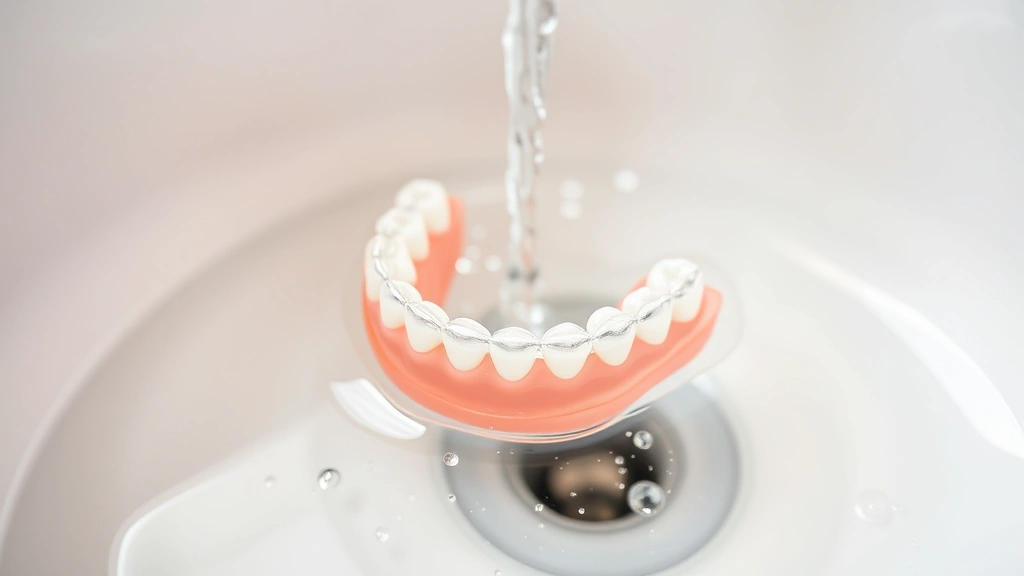
Every time you remove your retainer, rinse it under lukewarm running water. This simple step removes loose debris and prevents bacteria from settling in. Use your fingers to gently wipe away any visible particles. Avoid hot water, as it can warp clear retainers—think of it like how you’d be careful with delicate items rather than throwing them in boiling water like you might when cleaning a dishwasher.
Toothbrush Cleaning
Once daily, preferably before bed, use a soft-bristled toothbrush to gently brush your retainer. Use the same gentle technique you’d use on your teeth—circular motions, light pressure. For Hawley retainers, you can be a bit more thorough. For clear retainers, treat it like you’re brushing a delicate surface. Avoid toothpaste, as the abrasive particles can scratch clear retainers. Instead, use a small dab of dish soap or specialized retainer cleaner.
Soaking Solution
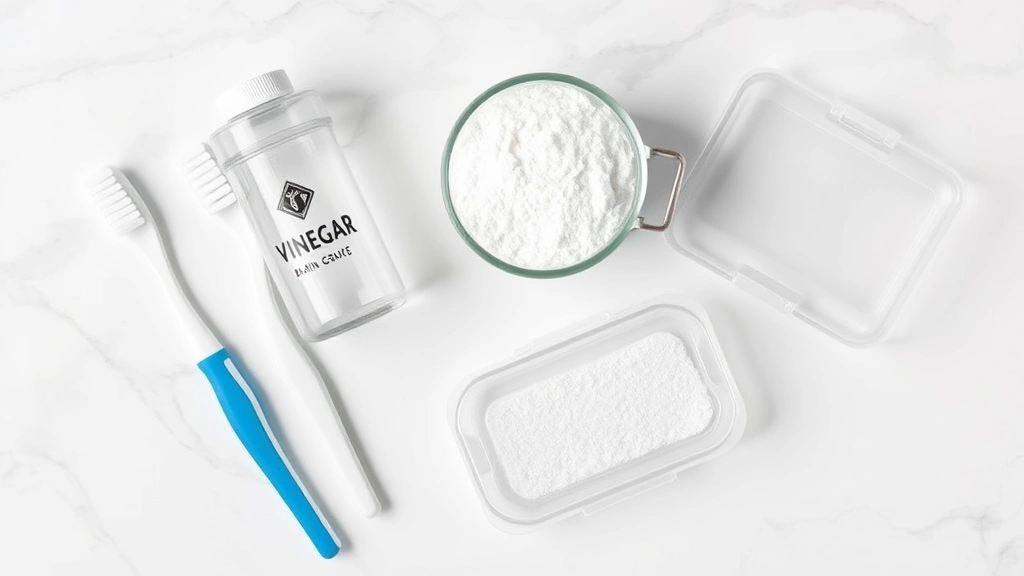
Prepare a simple soaking solution using equal parts white vinegar and lukewarm water, or use a specialized retainer cleaning tablet. Soak your retainer for 15-30 minutes daily. This breaks down bacteria and mild buildup without requiring vigorous scrubbing. For stubborn stains or odors, extend the soak to an hour. This method is similar in principle to how you’d soak delicate items—letting the solution do the work rather than applying force.
Deep Cleaning Methods That Actually Work
Weekly deep cleaning keeps your retainer in pristine condition and prevents the buildup that daily routines alone can’t tackle.
Vinegar and Baking Soda Treatment
Mix equal parts white vinegar and lukewarm water with a tablespoon of baking soda to create a paste-like solution. Soak your retainer for 30 minutes, then gently brush with a soft toothbrush. The combination works like a one-two punch—the vinegar kills bacteria while the baking soda acts as a mild abrasive that removes stubborn deposits. Rinse thoroughly under running water. This approach mirrors the principles you’d use when cleaning brass, where natural ingredients provide effective cleaning without harsh chemicals.
Denture Tablet Method
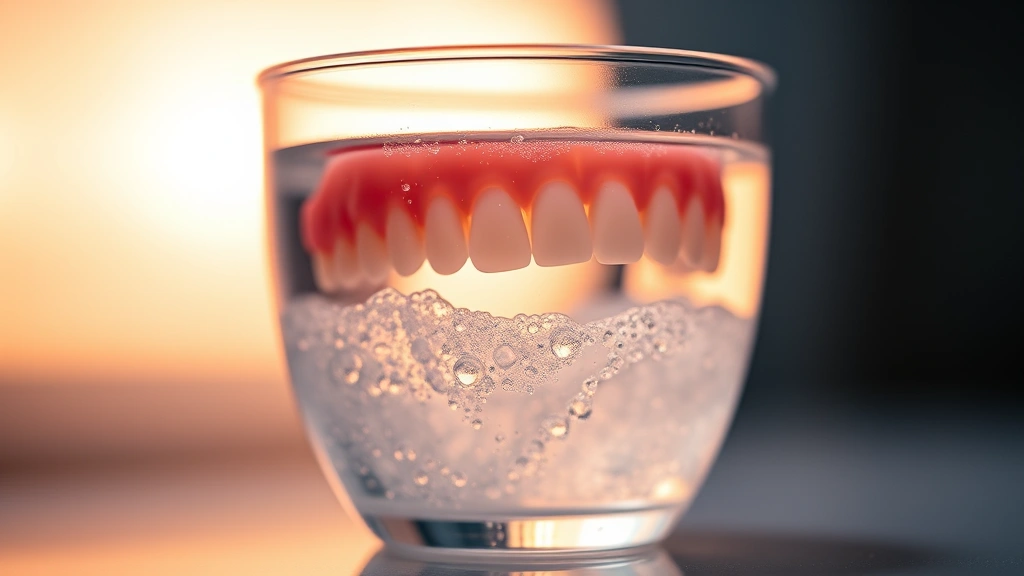
Retainer cleaning tablets (like Efferdent or Polident) are specifically formulated for removable oral appliances. Drop your retainer in a cup of lukewarm water with one tablet and let it soak for the recommended time—usually 15-30 minutes. The fizzing action helps dislodge stubborn debris and bacteria. This is probably the easiest deep-cleaning method and requires zero effort on your part.
Professional Ultrasonic Cleaning
If you have access to an ultrasonic cleaner, use it monthly for a professional-level clean. These devices use sound waves to create microscopic bubbles that blast away debris from every crevice. Your orthodontist’s office often has one available, and many will clean your retainer for free or a small fee. This method is particularly effective for removing buildup from hard-to-reach areas.
Hydrogen Peroxide Soak
For a powerful yet gentle deep clean, soak your retainer in a 3% hydrogen peroxide solution for 30 minutes. This is especially effective for clear retainers that have become discolored. The peroxide breaks down stains at a molecular level without damaging the material. Follow with a rinse and gentle brush to remove any remaining particles.
What NOT to Do When Cleaning Retainers
Understanding what damages your retainer is just as important as knowing what cleans it. Many common cleaning methods seem logical but can actually destroy your retainer.
Avoid Hot Water
This is the number one mistake people make. Hot water warps clear plastic retainers permanently. Even if it looks fine immediately after, the structural integrity is compromised. Use only lukewarm water—think of it like the temperature you’d use for a delicate garment. If you can’t comfortably hold your hand in the water for 10 seconds, it’s too hot for your retainer.
Skip the Dishwasher
The dishwasher is not your friend here. High temperatures, harsh detergents, and the intense spray pressure can damage both wire and plastic retainers. The same care you’d apply when cleaning Uggs—keeping them away from extreme heat and harsh treatments—applies to retainers.
Don’t Use Abrasive Toothpaste
Regular toothpaste contains particles that scratch clear retainers, making them cloudy and less effective at being invisible. If you must use toothpaste, choose a non-abrasive formulation or better yet, stick with dish soap or retainer-specific cleaners.
Avoid Harsh Chemicals
Bleach, alcohol-based mouthwash, and other harsh chemicals can damage the material and kill your retainer’s structural integrity. These are too aggressive for the delicate materials used in modern retainers. Stick with natural solutions or products specifically designed for retainers.
Don’t Scrub with Hard Bristles
Hard-bristled toothbrushes can scratch plastic retainers and damage the acrylic on Hawley retainers. Always use soft bristles and gentle pressure. Think of it as similar to how you’d handle delicate surfaces—respecting the material rather than forcing the issue.
Never Leave It Dry
Storing your retainer without moisture can cause it to crack and become brittle. Always keep it in a wet environment or at least store it in a case with a damp cloth. This is particularly important for clear retainers, which become fragile when completely dry.
Storage and Maintenance Between Cleanings
Proper storage is half the battle when it comes to retainer maintenance. Where and how you keep your retainer directly impacts its longevity.
The Right Storage Case
Invest in a dedicated retainer case—preferably one with ventilation holes to prevent moisture buildup that encourages bacterial growth. Keep it clean by rinsing it weekly and letting it air dry. Don’t use a closed container for extended periods, as the trapped moisture creates an ideal environment for mold and bacteria. Your retainer case deserves the same attention you’d give to any storage solution, similar to how you’d properly maintain hardwood floor storage areas.
Location Matters
Store your retainer away from direct sunlight, heat sources, and pets. Sunlight can cause discoloration and material degradation over time. Heat from radiators, heating vents, or sunny windowsills can warp plastic retainers. And let’s be honest—if your dog gets hold of your retainer, you’re looking at a replacement.
Moisture Management
While your retainer needs to stay hydrated, excessive moisture promotes bacterial growth. If you store it in water or a wet case, change the water or moisture daily. Some people prefer storing retainers in a slightly damp cloth rather than standing water, which offers the best of both worlds—hydration without stagnant water.
Regular Professional Check-ups
Visit your orthodontist or dentist every six months to have your retainer professionally inspected and cleaned. They can spot damage you might miss and provide professional cleaning that goes beyond what you can do at home. According to the American Dental Association, professional maintenance extends retainer lifespan significantly.
Know When to Replace
Even with perfect care, retainers eventually need replacement. Clear retainers typically last 2-3 years, while Hawley retainers can last 10+ years. If you notice cracks, significant discoloration that won’t clean off, or if your retainer no longer fits comfortably, it’s time for a new one. Continuing to wear a damaged retainer can actually damage your teeth.
Frequently Asked Questions
How often should I clean my retainer?
Clean your retainer daily with a soft toothbrush and mild soap. Soak it daily in a cleaning solution. Perform a deep clean weekly using vinegar and baking soda or denture tablets. This routine prevents buildup and keeps your retainer fresh.
Can I use regular toothpaste to clean my retainer?
It’s best to avoid regular toothpaste on clear retainers because the abrasive particles scratch the plastic, making it cloudy. For Hawley retainers, a small amount of non-abrasive toothpaste is acceptable, but dish soap is still preferable. Specialized retainer cleaners are your safest bet.
What’s the best way to remove stains from a clear retainer?
A hydrogen peroxide soak for 30 minutes is highly effective for stain removal. For stubborn stains, try a vinegar and baking soda paste applied gently with a soft brush. If stains persist after these methods, your orthodontist may have professional-grade solutions available.
Is it safe to use an ultrasonic cleaner on my retainer?
Yes, ultrasonic cleaners are generally safe for both Hawley and clear retainers and are excellent for deep cleaning. However, avoid leaving your retainer in the ultrasonic cleaner for extended periods. Limit use to 10-15 minutes at a time to prevent potential damage from prolonged vibrations.
Can I sleep with my retainer without cleaning it first?
While not ideal, sleeping with a retainer you’ve worn all day won’t cause immediate damage. However, you’re sleeping with bacteria and food particles against your teeth. For optimal oral health, clean your retainer before bed. At minimum, give it a quick rinse under running water.
Why does my retainer smell bad even after cleaning?
Persistent odor usually indicates bacterial growth in hard-to-reach areas or mold in your storage case. Try soaking in hydrogen peroxide or a specialized retainer cleaner. Also, replace your storage case and ensure you’re cleaning it regularly. If the smell persists, consult your orthodontist—it might be time for a replacement.
What should I do if my retainer cracks?
Stop wearing it immediately. Continued use of a cracked retainer can damage your teeth and allow bacteria to enter the crack. Contact your orthodontist for a replacement. Temporary fixes like super glue aren’t safe for something going in your mouth.
Is it necessary to remove my fixed bonded retainer for cleaning?
No, fixed retainers can’t be removed. Clean around them carefully with a soft toothbrush, using floss threaders to get underneath the wire. Your orthodontist may recommend a water flosser for easier cleaning. Professional cleanings become even more important with fixed retainers.

Related Posts

How Long to Boil Lobster Tails: Cooking Guide

How Long to Fly from New York to London? Travel Times
