
How to Clean a Bong? Expert Tips & Tricks
How to Clean a Bong: Expert Tips & Tricks for Pristine Water Pipes
Keeping your bong clean is essential for maintaining its functionality, extending its lifespan, and ensuring a smooth smoking experience. A dirty bong accumulates resin buildup, mineral deposits, and bacteria that can affect both the taste and safety of your sessions. Whether you’re a casual user or a dedicated enthusiast, understanding proper bong cleaning techniques will save you time and frustration while protecting your investment.
Cleaning a bong doesn’t require expensive commercial products or complicated procedures. With common household items like isopropyl alcohol and salt, you can restore your water pipe to like-new condition in minutes. This comprehensive guide walks you through multiple cleaning methods, preventative maintenance strategies, and expert tips that professional headshop employees use to keep display pieces spotless.
Why Regular Bong Cleaning Matters
Many users underestimate the importance of regular bong maintenance. Over time, resin accumulates inside the chamber and stem, creating a thick, sticky coating that harbors bacteria and mold. This buildup not only looks unsightly but also affects the taste of your sessions and can pose health risks. Proper glass cleaning techniques apply directly to water pipe maintenance.
A clean bong provides several advantages. First, it delivers better flavor since there’s no stale resin interfering with taste. Second, it functions more efficiently with improved water flow and smoke filtration. Third, maintaining your bong prevents permanent staining and damage that becomes increasingly difficult to reverse. Think of it like keeping your coffee maker clean—regular maintenance prevents buildup that becomes impossible to remove later.
The frequency of cleaning depends on usage. Daily users should clean their bongs at least 2-3 times per week, while occasional users can manage weekly cleanings. Establishing a consistent routine prevents resin from hardening into thick, stubborn deposits.
Essential Cleaning Supplies You’ll Need
Before starting any cleaning project, gather the right materials. Having everything prepared makes the process faster and more effective. Here are the essential supplies for professional-grade bong cleaning:
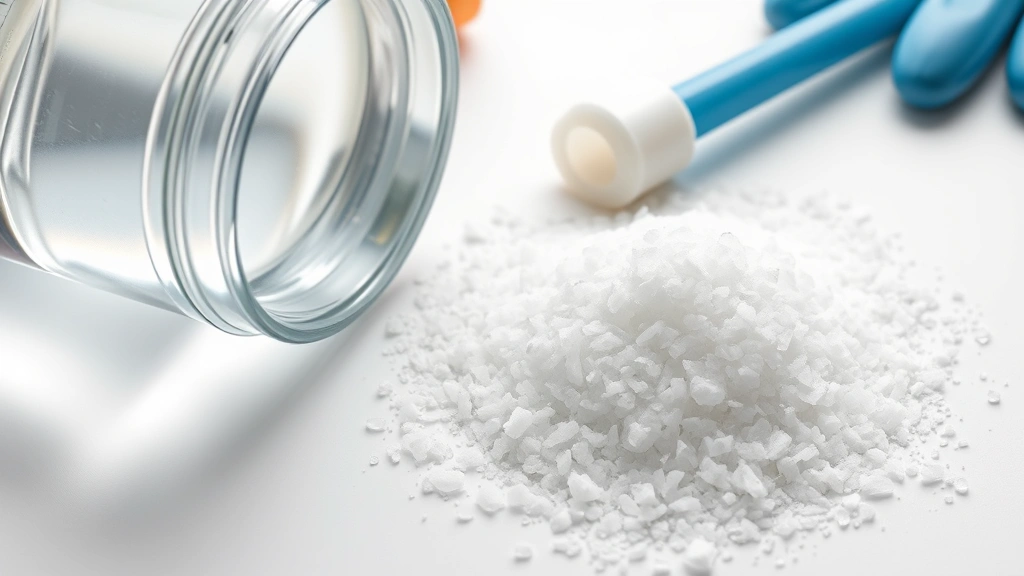
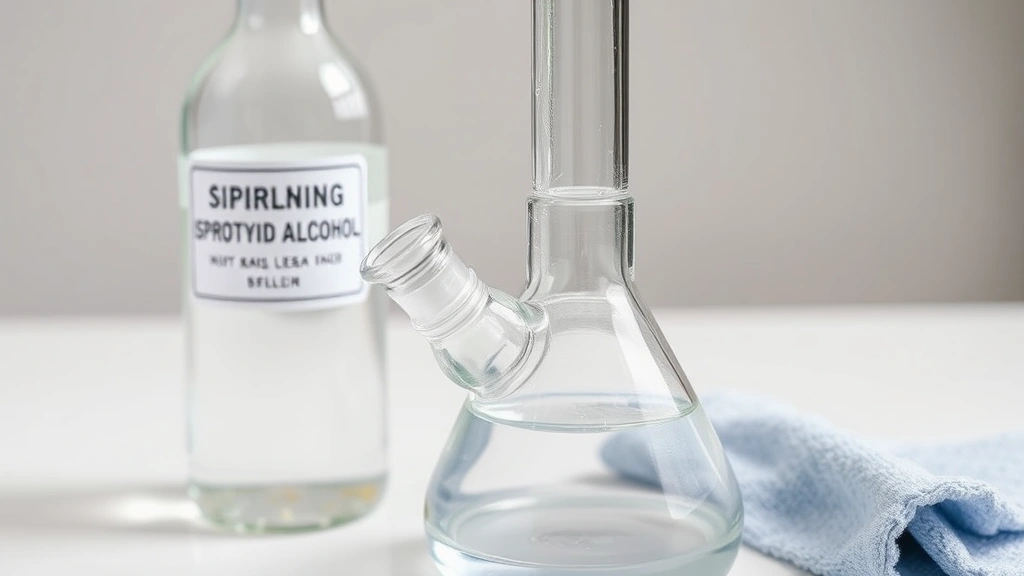
- Isopropyl Alcohol (91% or higher): This is the gold standard for bong cleaning. Higher concentrations work faster and leave fewer residues. You can find it at pharmacies, hardware stores, or online retailers.
- Coarse Salt: Rock salt or kosher salt works best due to its larger crystals. The abrasive texture helps scrub away stuck-on resin without damaging glass.
- Pipe Cleaners or Bottle Brushes: These tools reach into narrow stems and hard-to-access areas. Specialty bong cleaning brushes are available at headshops and online.
- Rubber Stoppers or Plugs: Use these to seal openings while shaking your bong during cleaning, preventing liquid from spilling.
- Paper Towels or Cleaning Cloths: Microfiber cloths work exceptionally well for drying without leaving lint.
- Rubber Gloves: Protect your hands from alcohol and resin residue.
- Dish Soap: Optional but helpful for removing oil residues and rinsing thoroughly.
Optional advanced supplies include specialized bong cleaning solutions, acetone for extremely stubborn deposits, and denture tablets for soaking. However, the basic salt and alcohol method handles 95% of cleaning situations effectively.
The Salt and Alcohol Method
This tried-and-true technique is the most popular and effective approach for routine bong cleaning. It’s safe, inexpensive, and works on all glass bong types. Here’s the step-by-step process:
- Empty the bong completely: Remove all water and knock out any remaining material from the bowl. Rinse with hot water to loosen resin.
- Prepare your cleaning solution: Pour 91% or higher isopropyl alcohol into the bong chamber until it’s about one-third full. Add a generous handful of coarse salt—approximately 2-3 tablespoons for standard-sized bongs.
- Seal the openings: Use rubber stoppers or plugs to cover the bowl hole and the mouthpiece opening. This allows you to shake vigorously without spillage.
- Shake aggressively: Hold the sealed bong firmly and shake it for 2-3 minutes. The salt crystals scrub the interior walls while alcohol dissolves resin. You’ll see the liquid turn brown or black as resin releases.
- Focus on the stem: After shaking the main chamber, fill the stem with the alcohol-salt mixture and use a pipe cleaner to scrub vigorously. Push and pull the cleaner through the stem repeatedly.
- Empty and inspect: Pour out the dirty solution and examine the interior. Repeat the process if significant resin remains.
- Rinse thoroughly: Rinse with hot water multiple times until no alcohol smell remains. This step is crucial for safety.
- Dry completely: Use paper towels or microfiber cloths to dry the interior and exterior. Air drying for 30 minutes ensures complete moisture removal.
For a visual reference on proper cleaning techniques, This Old House’s glass cleaning guide provides excellent principles applicable to water pipes.
Deep Cleaning Stubborn Resin Buildup
Sometimes regular cleaning isn’t enough, especially if your bong has been neglected for extended periods. Hardened resin requires more aggressive tactics. Here are advanced techniques for tackling stubborn deposits:
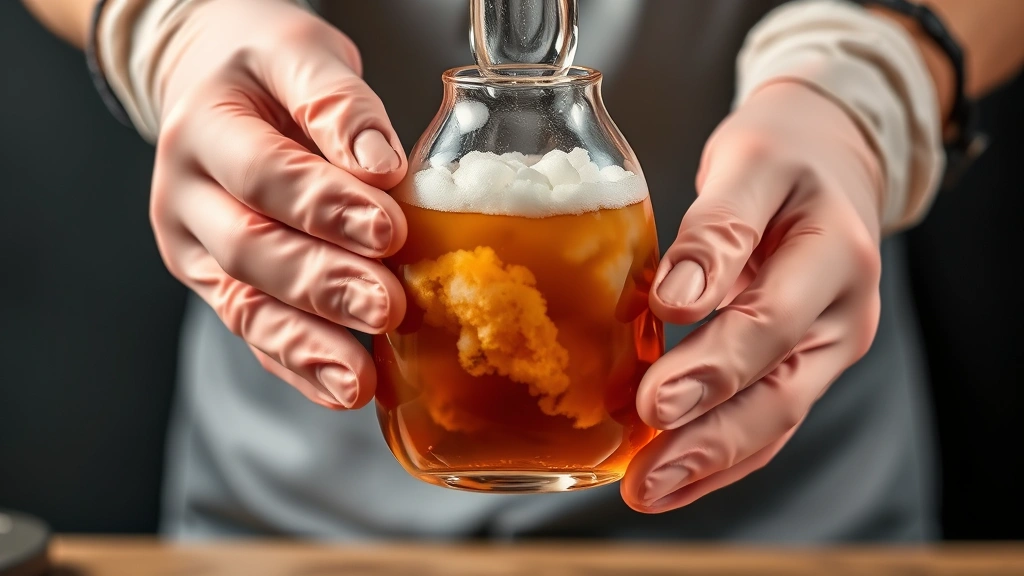
The Acetone Soak Method: For extremely stubborn buildup, acetone (found in nail polish remover or hardware stores) dissolves resin more effectively than alcohol. Pour acetone into the bong and let it soak for 30-60 minutes. Use pipe cleaners to scrub loosened resin. Rinse extensively with water afterward, as acetone is toxic.
Hot Water and Vinegar Technique: Boil water and mix it with white vinegar in a 3:1 ratio. Pour the hot mixture into your bong and let it soak for 1-2 hours. The heat and acidity help break down mineral deposits and resin. Scrub with a bottle brush, then rinse thoroughly with cool water.
Denture Tablet Method: Drop 2-3 denture cleaning tablets into your bong filled with warm water. Let it soak overnight. The tablets’ cleaning enzymes work on resin similarly to how they clean teeth. This method is gentler than alcohol for delicate glass.
Boiling Method (Use Caution): Some users boil their bongs in water to loosen resin, but this risks thermal shock and cracking. If attempting this, place the bong in cold water first, then slowly heat it. Never place a cold bong directly into hot water.
Combine multiple methods for maximum effectiveness. Start with soaking, follow with the salt and alcohol method, then finish with vinegar rinses. This comprehensive approach handles even years of accumulated buildup.
Cleaning Glass Bongs vs Other Materials
While glass is the most common bong material, different materials require slightly adjusted cleaning approaches. Understanding these differences prevents damage and ensures optimal results.
Glass Bongs: Glass is durable and tolerates aggressive cleaning methods well. The salt and alcohol approach works perfectly. Avoid extreme temperature changes that can cause cracking. Glass doesn’t absorb odors or residues, making it the preferred choice for serious users.
Silicone Bongs: Silicone is more delicate than glass and shouldn’t be exposed to acetone or boiling water. Stick with warm water, mild dish soap, and isopropyl alcohol. Silicone can retain odors, so regular cleaning is especially important. Some users soak silicone bongs in baking soda solution overnight to eliminate smells.
Ceramic and Wooden Bongs: These materials are porous and absorb resin and odors. Never use harsh chemicals or boiling water on wood. Clean ceramic with mild soap and water, avoiding soaking. These decorative bongs require gentler treatment and more frequent cleaning to prevent permanent staining.
Acrylic Bongs: Acrylic scratches easily and can become cloudy with harsh cleaning. Use only warm soapy water and soft brushes. Avoid alcohol and salt scrubbing, which damages the surface. While affordable, acrylic bongs require more careful maintenance than glass.
For general cleaning principles applicable to various household items, reference our guide on removing rust from stainless steel for insights into tackling stubborn deposits on different surfaces.
Preventative Maintenance Tips
The best cleaning strategy involves prevention. Minimizing buildup reduces the frequency and intensity of deep cleaning sessions. Here are expert maintenance tips:
Change Water Regularly: Replace bong water after every 3-4 uses, or daily for frequent users. Fresh water prevents bacterial growth and keeps your sessions tasting better. This simple habit dramatically reduces resin accumulation.
Use Filters and Screens: High-quality bowl screens prevent material from entering the water chamber. Screens catch debris before it becomes problematic. Replace screens frequently—they’re inexpensive and replaceable.
Store Properly: Keep your bong in a cool, dry location away from direct sunlight. UV exposure can fade glass and accelerate resin hardening. Store upright to prevent water from sitting in the stem.
Rinse Between Sessions: Spend 30 seconds rinsing your bong with hot water after each use. This removes loose material before it hardens. It’s the easiest way to maintain cleanliness without extra effort.
Weekly Alcohol Rinse: Even if you don’t do full cleaning, a quick 2-minute shake with alcohol and salt weekly prevents buildup. This maintenance cleaning takes minimal time but provides maximum benefit.
Use Percolators Wisely: Bongs with multiple percolators require more thorough cleaning due to increased surface area. Consider the cleaning commitment before purchasing complex designs.
Quick Daily Cleaning Routine
For those who use their bongs frequently, establishing a quick daily routine maintains cleanliness without requiring lengthy sessions. This approach parallels maintaining other household items like cleaning battery terminals—regular small efforts prevent major problems.
The 5-Minute Daily Clean: After your final session of the day, empty water from the bong. Fill the chamber halfway with warm water and add a small amount of isopropyl alcohol. Shake for 1-2 minutes. Rinse thoroughly with hot water and dry with paper towels. This quick process keeps your bong fresh and prevents resin from hardening.
The Weekly Deep Clean: Once weekly, perform the full salt and alcohol method described earlier. This comprehensive cleaning removes any buildup the daily routine might miss.
Monthly Intensive Clean: Once monthly, use advanced methods like vinegar soaking or denture tablets. This ensures mineral deposits and stubborn resin don’t accumulate over time.
Consistency is key. Users who follow this three-tiered approach never deal with heavily soiled bongs and spend minimal time on maintenance overall. It’s far easier to maintain cleanliness than to restore a neglected bong to pristine condition.
For additional insights on maintaining household items, check out our article on checking oil in your car, which emphasizes the importance of regular maintenance preventing costly problems.
Frequently Asked Questions
How often should I clean my bong?
Daily users should clean their bongs 2-3 times weekly with the salt and alcohol method. Change water daily regardless of cleaning frequency. Occasional users can manage weekly cleanings. The key is preventing resin from hardening into stubborn deposits.
Is it safe to use isopropyl alcohol for bong cleaning?
Yes, isopropyl alcohol is safe when used properly. Always rinse thoroughly with water afterward to remove all alcohol residue. Never ingest alcohol-soaked bongs without extensive rinsing. The 91% concentration or higher is most effective.
Can I use regular table salt instead of rock salt?
While table salt works, rock salt or kosher salt is superior due to larger crystals that provide better abrasive action. Table salt dissolves too quickly and doesn’t scrub as effectively. Invest in proper salt for better results.
What if my bong has a fixed downstem I can’t remove?
Fill the bong with the alcohol-salt mixture and shake vigorously for extended periods—5+ minutes. Use a thin pipe cleaner to scrub the interior of the downstem. For stubborn buildup, soak with vinegar overnight before attempting the salt and alcohol method.
Are there eco-friendly bong cleaning alternatives?
Yes. Vinegar and baking soda work well for light to moderate buildup. Boiling water loosens resin, though it risks glass damage. Denture tablets provide enzyme-based cleaning. However, isopropyl alcohol remains the most effective and environmentally responsible option when disposed of properly.
Can I clean my bong in the dishwasher?
Most dishwashers don’t reach temperatures high enough to dissolve resin effectively. Additionally, some bongs have decorative elements or seals damaged by dishwashers. Hand cleaning provides superior results and protects your investment.
How do I remove water stains and mineral deposits?
White vinegar is highly effective for mineral deposits. Soak your bong in a vinegar-water solution (1:1 ratio) for 1-2 hours, then scrub with a bottle brush. For stubborn stains, use a paste of baking soda and vinegar. Repeat until deposits dissolve.
What’s the best way to dry my bong after cleaning?
Use microfiber cloths or paper towels to absorb moisture. Stand the bong upright and allow air circulation for 30 minutes. Ensure the stem and chamber are completely dry before use to prevent water spots and bacterial growth. Never store a damp bong.

Related Posts

Superscript in Google Docs: Expert Tips

Strikethrough in Excel: Easy Steps for Beginners
