
Remove Rust from Skillet? Expert Cleaning Tips
How to Clean a Rusty Cast Iron Skillet: Expert Tips for Restoration
Cast iron skillets are kitchen workhorses that can last generations with proper care, but rust can quickly develop when moisture meets bare metal. Whether you inherited a neglected skillet from a garage sale or accidentally left yours exposed to the elements, removing rust is entirely possible without damaging the cookware. The good news is that you don’t need expensive commercial products or specialized equipment—most rust removal methods use common household items and basic techniques that any home cook can master.
Rust on cast iron forms when iron oxidizes in the presence of water and oxygen, creating that telltale reddish-brown coating. The severity of rust varies from light surface discoloration to deep pitting that requires more aggressive treatment. Understanding the rust level on your skillet determines which cleaning method works best. Light surface rust often responds to simple scrubbing, while heavy rust may need vinegar soaks or mechanical removal. This comprehensive guide walks you through every restoration technique, from gentle approaches for lightly rusted pans to heavy-duty methods for severely damaged cookware.
Assess Your Skillet’s Rust Level
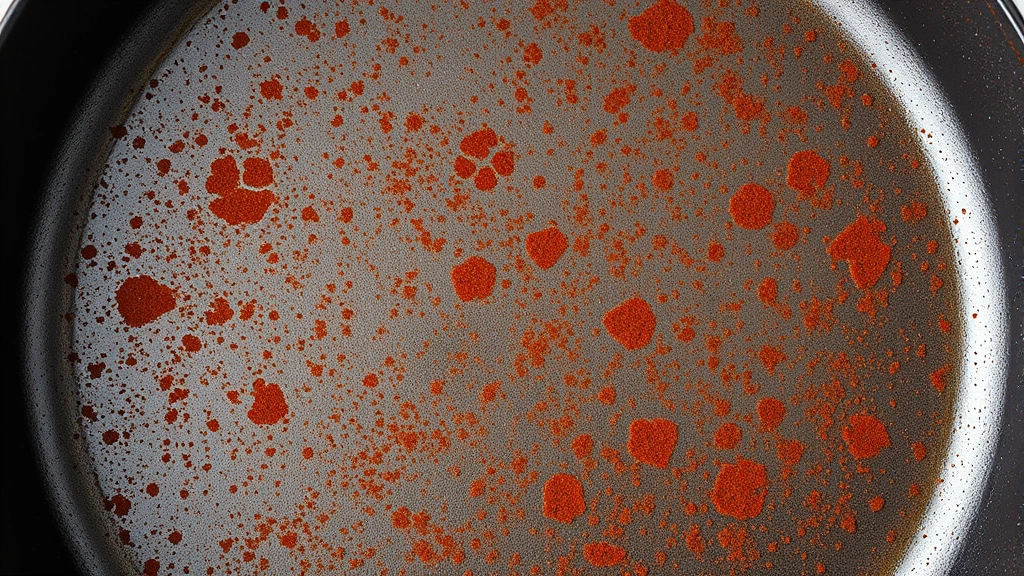
Before diving into rust removal, determine how severely your cast iron is affected. Light surface rust appears as a thin reddish coating that hasn’t penetrated deeply into the metal. You can often feel it slightly rough under your finger, but the underlying iron remains intact. Light rust typically comes off with minimal effort and responds well to gentle cleaning methods.
Moderate rust covers larger surface areas and may show some flaking or scaling. The discoloration appears darker and more pronounced, sometimes with small pits visible in the metal. This level requires more aggressive scrubbing or a vinegar soak to fully remove. Heavy rust involves deep pitting, significant flaking, and rust that has eaten noticeably into the metal surface. Severely rusted skillets may have rust in the interior, exterior, and even on the handle. These require extended soaking or mechanical removal tools like wire brushes or sandpaper.
Inspect both the cooking surface and exterior of your skillet. Some pans develop rust only on the outside while the cooking surface remains relatively clean. Pay special attention to corners, crevices, and the underside where moisture tends to collect. Look for any structural damage—deep pits or thin spots indicate the rust has compromised the skillet’s integrity. Most rust can be successfully removed even from heavily affected skillets, restoring them to excellent cooking condition.
The Vinegar Soak Method
White vinegar is one of the most effective and gentle rust removal solutions for cast iron. The acetic acid in vinegar reacts with rust, breaking down the oxidation without harming the underlying metal. This method works particularly well for moderate rust and is safer than harsher chemical approaches. The vinegar soak requires patience but minimal physical effort, making it ideal if you prefer a low-labor restoration process.
Start by filling a container or sink with white vinegar—enough to completely submerge your skillet. For small skillets, a bucket works fine; larger pans may need a bathtub or kiddie pool. Submerge the skillet completely and let it soak. Check progress every 30 minutes to 2 hours depending on rust severity. Light rust may loosen in 30 minutes, while moderate rust needs 2-8 hours. Heavy rust might require overnight soaking or multiple soaking sessions. The longer the soak, the more rust dissolves, but don’t leave skillets in vinegar indefinitely—extended exposure can cause pitting.
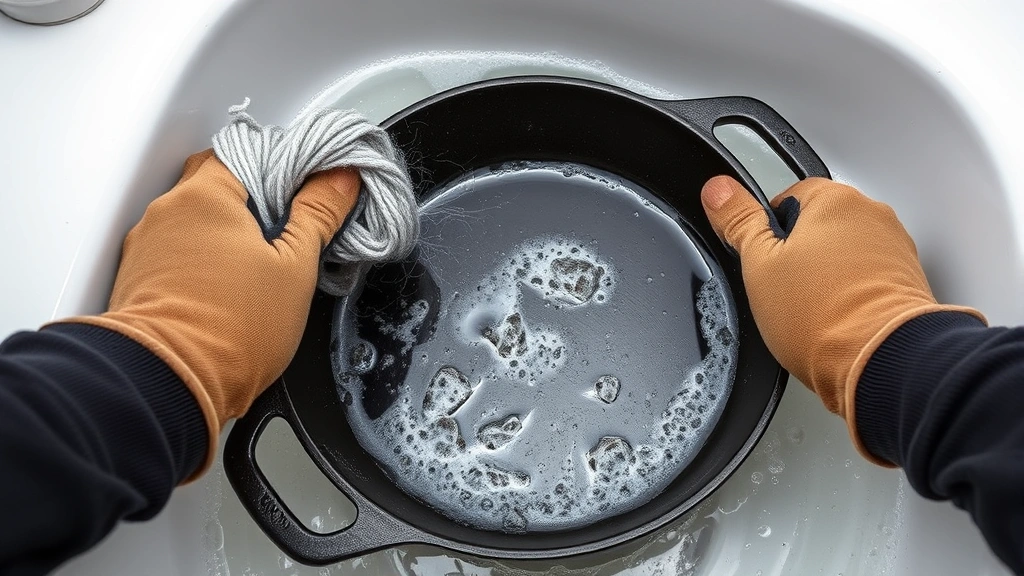
As you check on your skillet, gently scrub the loosened rust with a soft brush or steel wool. You’ll notice the vinegar turning orange or brown as it dissolves rust particles. After soaking, remove the skillet and scrub with a brush or abrasive pad to remove remaining rust. Rinse thoroughly with water and immediately dry completely with a clean cloth. Any remaining moisture can cause new rust to form, so don’t skip the drying step. If rust remains after the first soak, repeat the process or try combining vinegar soaking with mechanical scrubbing for better results.
Scrubbing Techniques for Rust Removal
Physical scrubbing removes rust mechanically by breaking apart the oxidized layer and lifting it away from the metal surface. Different scrubbing tools work for different rust levels—using the right tool prevents unnecessary damage while maximizing cleaning effectiveness. Start with gentler tools and progress to more aggressive options only if needed.
For light rust, begin with a soft-bristled brush or plastic scrubbing pad. These tools remove surface rust without scratching the seasoning or underlying metal. Scrub in circular motions, applying moderate pressure. A non-abrasive sponge with warm soapy water often works for minimal rust. As you scrub, you’ll see rust particles lifting away. Rinse frequently and inspect your progress. Sometimes light rust comes off faster than expected with consistent scrubbing.
Moderate rust requires steel wool or medium-grit abrasive pads (000 or 0000 grade). Steel wool is particularly effective because the fine metal strands physically break apart rust while being gentler than wire brushes. Use steel wool with vinegar or water to reduce dust and improve effectiveness. Scrub firmly in circular motions, paying special attention to pitted areas where rust hides in crevices. Rinse frequently to see your progress and remove rust particles that can scratch the underlying metal if you continue scrubbing over them.
Heavy rust may need wire brushes or high-grit sandpaper. Wire brushes effectively remove thick rust layers and work well on heavily pitted surfaces. Be aware that aggressive scrubbing can remove more metal than necessary—use controlled pressure and check frequently to avoid over-scrubbing. After mechanical removal, follow up with vinegar soaking or gentler scrubbing to remove any remaining rust particles. This two-step approach combines mechanical power with chemical assistance for maximum effectiveness.
Using Baking Soda Paste
Baking soda creates an effective rust-removing paste when combined with water or vinegar. This method is gentler than pure mechanical scrubbing while still providing good rust removal power. The mild abrasive quality of baking soda works on light to moderate rust without damaging your skillet’s underlying metal or compromising future seasoning.
Mix baking soda with a small amount of water to create a thick paste—consistency should be spreadable but not runny. You want enough paste to coat the rusted areas while staying in place during scrubbing. Apply the paste directly to rust spots and let it sit for 15-30 minutes. This waiting period allows the mild alkaline properties of baking soda to begin breaking down rust. For enhanced effectiveness, add a few drops of vinegar to the paste—the combination of baking soda and vinegar creates a chemical reaction that helps dissolve rust more efficiently.
After the paste has set, scrub gently with a soft brush or steel wool using circular motions. The paste acts as a lubricant while the baking soda particles provide mild abrasive action. Scrub until rust lifts away and the metal underneath shows through. Rinse thoroughly with water and dry immediately with a clean cloth. Baking soda paste works particularly well for rust in crevices and hard-to-reach areas since you can work it into tight spaces. This method is also food-safe, making it ideal for cookware—any residual baking soda won’t harm your skillet or future meals.
Mechanical Removal Options
For heavily rusted skillets, mechanical removal tools provide powerful rust elimination. These methods physically remove rust through grinding, sanding, or wire brushing. While more aggressive than chemical methods, mechanical removal is sometimes necessary for severely compromised cast iron. The key is using appropriate tools and techniques that remove rust without excessive metal loss.
A rotary tool with a wire wheel attachment efficiently removes heavy rust from large surface areas. This power tool spins a wire wheel at high speed, effectively grinding away rust. Wear safety glasses and work in a well-ventilated area since this method creates rust dust and metal particles. Keep the tool moving constantly to avoid creating hot spots or uneven removal. Work on one section at a time, checking frequently to avoid over-scrubbing. A rotary tool removes rust quickly but requires careful control to prevent damage.
An angle grinder with a wire wheel works for extremely heavy rust on the exterior of skillets. This tool is more aggressive than rotary tools and should only be used by experienced DIYers. Wear appropriate safety equipment including eye protection and dust mask. The angle grinder removes rust rapidly but can easily remove too much metal if not handled carefully. Start with light pressure and let the tool do the work. This method is ideal for skillet exteriors but should be avoided on cooking surfaces unless absolutely necessary.
Hand-held wire brushes provide good control for mechanical rust removal without power tools. They’re ideal for targeting specific rust spots or working on seasoned surfaces where you want to preserve the existing seasoning layer. Wire brushes work slowly compared to power tools but offer superior control. They’re also safer and quieter, making them suitable for detailed work on intricate areas like handles or rims.
After mechanical removal, follow up with vinegar soaking or gentle scrubbing to remove any remaining rust particles or residue. Mechanical methods often leave the metal surface rough and ready for seasoning, which is actually beneficial for developing a strong new seasoning layer.
Seasoning After Rust Removal
Once you’ve successfully removed rust from your cast iron skillet, seasoning is essential to prevent future rust and restore the non-stick cooking surface. Seasoning creates a protective polymerized oil layer that shields bare metal from moisture and oxygen. A properly seasoned skillet is naturally non-stick and develops better flavor over time as oil layers accumulate.
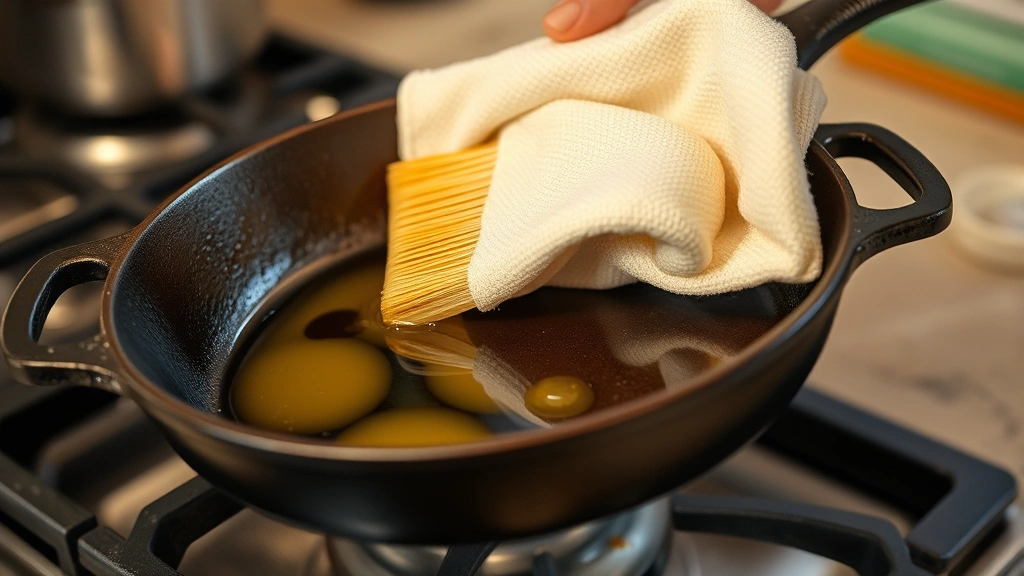
Start with a clean, completely dry skillet. Any remaining moisture will prevent proper seasoning and can cause new rust to form. Heat the skillet in a 200°F oven for 15 minutes to ensure it’s bone-dry and to open the metal pores. Remove the skillet carefully using oven mitts. While still warm, apply a thin layer of high-smoke-point oil like vegetable, canola, or grapeseed oil. Use a paper towel or cloth to spread the oil evenly across the entire surface—cooking surface, sides, bottom, and handle. The oil layer should be barely visible; too much oil creates a sticky residue rather than seasoning.
Wipe away excess oil thoroughly with a clean cloth. This step is crucial—excess oil becomes sticky and doesn’t polymerize properly. Your skillet should look almost dry after wiping. Place the oiled skillet in a 500°F oven for 1 hour. During this heating, the oil polymerizes, creating a hard protective layer. The oven will smell smoky—this is normal and indicates proper polymerization. After an hour, turn off the oven and let the skillet cool completely inside (usually 2-3 hours).
Repeat this seasoning process 3-6 times for best results. Each layer builds on the previous one, creating a more durable non-stick surface. After the final seasoning session, your skillet is ready to use. Start with fatty foods like bacon or burgers, which add additional seasoning layers. Avoid acidic foods initially as they can strip newly applied seasoning. With regular use and proper care, your restored skillet will develop a seasoning layer that rivals vintage cast iron.
Prevention Tips for Future Rust
Preventing rust is far easier than removing it, so developing proper cast iron care habits protects your investment. The key to rust prevention is keeping moisture away from bare metal. After every use, wash your skillet in hot water with a small amount of dish soap. Despite old myths about never using soap on cast iron, modern soaps are mild and won’t strip seasoning. Use a soft brush or cloth—avoid steel wool unless you’re specifically removing stuck food particles.
Dry your skillet immediately after washing using a clean cloth. Don’t let it air-dry or sit in the sink. Some cast iron enthusiasts heat the skillet on the stovetop for a minute after washing to ensure complete dryness. This extra step removes any hidden moisture in crevices or the handle. Never put cast iron in the dishwasher, where prolonged water exposure and harsh detergents promote rust formation.
Store your skillet in a dry location with good air circulation. Avoid damp basements or cabinets under the sink where humidity accumulates. Some people store skillets with a paper towel inside to absorb any stray moisture. In very humid climates, applying a very thin oil layer before storage provides extra protection. Don’t store cast iron stacked directly against other skillets without protection, as trapped moisture between pans causes rust.
Use your skillet regularly. Cooking with fat builds seasoning layers and keeps the surface protected. Skillets that sit unused for extended periods are more prone to rust, especially in humid environments. If you won’t use a skillet for several months, apply a thin protective oil layer before storage. Check stored skillets periodically for any signs of rust development, especially if stored in damp locations.
For skillets used frequently, occasional maintenance seasoning extends their life. After washing and drying, apply a tiny amount of oil and buff it away completely with a cloth. This quick step refreshes the seasoning layer without requiring oven time. Proper maintenance prevents rust from developing in the first place, keeping your cast iron ready for cooking whenever you need it.
FAQ
Can I use vinegar and baking soda together for rust removal?
Yes, combining vinegar and baking soda creates a chemical reaction that enhances rust removal. Mix baking soda with vinegar to form a paste and apply it to rusted areas. Let it sit for 15-30 minutes, then scrub gently. The combination works well for moderate rust and is safe for cast iron. This method is particularly effective for rust in crevices and hard-to-reach areas where paste stays in place better than liquid vinegar.
How long should I soak cast iron in vinegar?
Soak duration depends on rust severity. Light rust may loosen in 30 minutes to 1 hour. Moderate rust typically needs 2-8 hours. Heavy rust might require overnight soaking or multiple sessions. Check every 30-60 minutes and gently scrub loosened rust. Don’t soak longer than 24 hours continuously, as extended vinegar exposure can cause pitting. If rust remains after one soak, remove the skillet, dry it completely, and repeat the process.
Will removing rust damage my cast iron?
Proper rust removal techniques don’t damage cast iron. The metal beneath rust is solid and unaffected by gentle removal methods. Chemical methods like vinegar work on rust specifically without harming the underlying iron. Mechanical removal using appropriate tools removes rust without excessive metal loss. The key is using controlled pressure and checking frequently. Even heavily rusted skillets restore to excellent condition when treated properly.
What oil should I use for seasoning cast iron?
Use oils with high smoke points for seasoning, such as vegetable oil, canola oil, grapeseed oil, or avocado oil. Avoid butter, olive oil, and coconut oil, which have lower smoke points and create sticky residue rather than seasoning. The oil must withstand oven temperatures around 500°F without smoking excessively. Grapeseed oil is particularly popular because it polymerizes well and creates a durable seasoning layer. Consistency matters more than the specific oil choice—any high-smoke-point oil works effectively.
Can I use commercial rust removers on cast iron?
Commercial rust removers designed for cast iron are effective alternatives to household methods. These products typically contain phosphoric acid, which converts rust into a stable coating. Follow manufacturer instructions carefully and ensure the product is food-safe for cookware. Some commercial removers require soaking, while others are spray-on formulas. Always rinse thoroughly after using commercial products and season your skillet afterward. Household methods like vinegar are equally effective and more economical for most situations.
Why does rust return after I clean my skillet?
Rust returns if moisture isn’t completely removed or if the skillet isn’t properly seasoned. Always dry your skillet immediately after washing, including heating it briefly to remove hidden moisture. Ensure your seasoning layer is complete by applying multiple coats. Store in a dry location with good air circulation. Use your skillet regularly—cooking with fat builds protective seasoning layers. If rust returns quickly, investigate your storage conditions for excess humidity or moisture sources.

Related Posts

Superscript in Google Docs: Expert Tips

Strikethrough in Excel: Easy Steps for Beginners
