
How to Check Transmission Fluid Level: Expert Tips
How to Check Transmission Fluid Level: Expert Tips
Your transmission is one of the hardest-working components in your vehicle, quietly managing power delivery while you focus on the road. Yet many car owners treat it like a forgotten stepchild, neglecting one of the simplest preventative maintenance tasks available: checking the transmission fluid level. Think of it this way—your transmission fluid is the lifeblood of your transmission system, keeping everything lubricated, cool, and functioning smoothly. Ignoring it? That’s a recipe for expensive repairs down the line.
The good news is that checking your transmission fluid is genuinely straightforward. You don’t need a mechanic’s certification or fancy diagnostic equipment. What you do need is about ten minutes, a basic understanding of your vehicle, and the willingness to get your hands slightly dirty. In this guide, we’ll walk you through the process step-by-step, covering everything from preparation to interpretation, so you can confidently monitor one of your car’s most critical systems.
Regular fluid checks catch problems early—whether it’s a slow leak, oxidation, or contamination—before they escalate into transmission failure territory. Plus, knowing your fluid’s condition gives you peace of mind and helps you plan maintenance around your schedule rather than having your transmission fail unexpectedly.
Why Checking Transmission Fluid Matters
Your transmission fluid serves multiple critical functions that most drivers never think about. It lubricates hundreds of moving parts inside your transmission, reduces friction and heat, provides hydraulic pressure to shift gears, and carries away debris and contaminants. When fluid levels drop or quality deteriorates, these functions suffer immediately.
Low transmission fluid causes delayed shifts, slipping gears, overheating, and eventual transmission damage. Contaminated fluid—whether from oxidation, metal particles, or water intrusion—accelerates wear on internal components. Some transmission problems start so subtly that you might not notice them until something catastrophic happens. Regular monitoring catches these issues when they’re still manageable.
Unlike checking your engine oil (which most people do occasionally), transmission fluid often goes unchecked for years. This neglect is partly due to confusion about access—not all transmissions have easily accessible dipsticks anymore—but mostly due to simple oversight. Making it a habit, though, is one of the easiest ways to extend your transmission’s lifespan and avoid a repair bill that could rival a used car payment.
Before You Start: Safety and Preparation
Before you pop the hood and start investigating, take a few safety precautions. First, park on level ground and engage the parking brake. Your car should be on flat pavement, not on a slope, because an incline will give you an inaccurate fluid level reading. If your vehicle has been running, let it idle for a minute or two, then turn off the engine. This circulates the fluid throughout the system and gives you the most accurate reading.
Here’s where timing matters: some manufacturers recommend checking cold (before driving), while others want the fluid warm (after light driving). Check your owner’s manual for the specific recommendation—this detail is crucial for accuracy. If your manual isn’t handy, many manufacturers post this information online or through their website’s support section.
Gather your supplies before starting. You’ll need:
- Clean paper towels or lint-free rags
- A flashlight if you’re working in dim lighting
- Your vehicle’s owner’s manual (for model-specific instructions)
- Optional: transmission fluid of the correct type for top-ups
If you’re uncomfortable working under the hood or your vehicle uses a sealed transmission without a dipstick, this is a perfect time to understand your vehicle’s electrical systems before attempting more complex maintenance. Knowing these basics prevents accidental damage.
Locating Your Transmission Dipstick
Not all transmissions have dipsticks anymore, and this is where things get tricky. Older vehicles (pre-2000s) almost universally have transmission dipsticks. Newer vehicles increasingly use sealed transmissions with electronic sensors instead. Before you search, check your owner’s manual first—it’ll save you frustration.
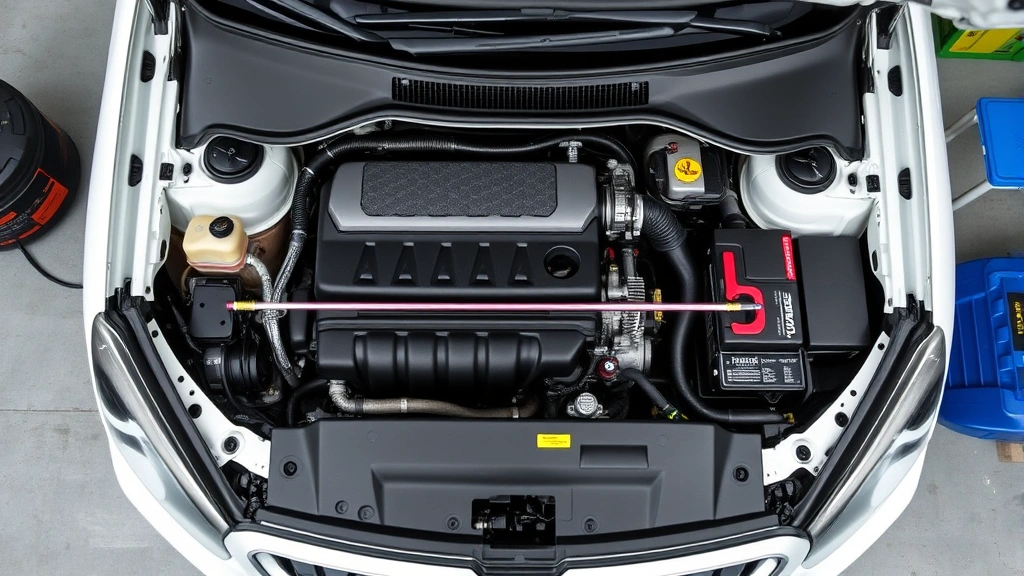
If your vehicle has a dipstick, it’s typically located near the engine block, often toward the rear or side. The handle is usually bright red, yellow, or orange for visibility. It resembles an engine oil dipstick but is typically longer and positioned differently. Look carefully; sometimes it hides behind other components.
For vehicles with sealed transmissions (many modern automatics and nearly all CVTs), you won’t find a traditional dipstick. Instead, manufacturers use electronic fluid-level sensors that feed data to your vehicle’s computer. In these cases, checking the level requires diagnostic equipment or a visit to a dealer. However, you can still monitor your transmission’s health by watching for warning signs like shifting delays, unusual noises, or fluid leaks underneath your vehicle.
When you’re learning how to check transmission fluid properly, understanding your specific transmission type is the foundation for everything that follows. Different transmissions have different requirements, and getting this step right prevents frustration later.
The Step-by-Step Checking Process
Now for the actual procedure. Open your hood and locate the transmission dipstick. Grasp the handle firmly—it might be stuck due to age or heat—and pull it straight up with steady pressure. Don’t jerk or twist; slow and steady wins here.
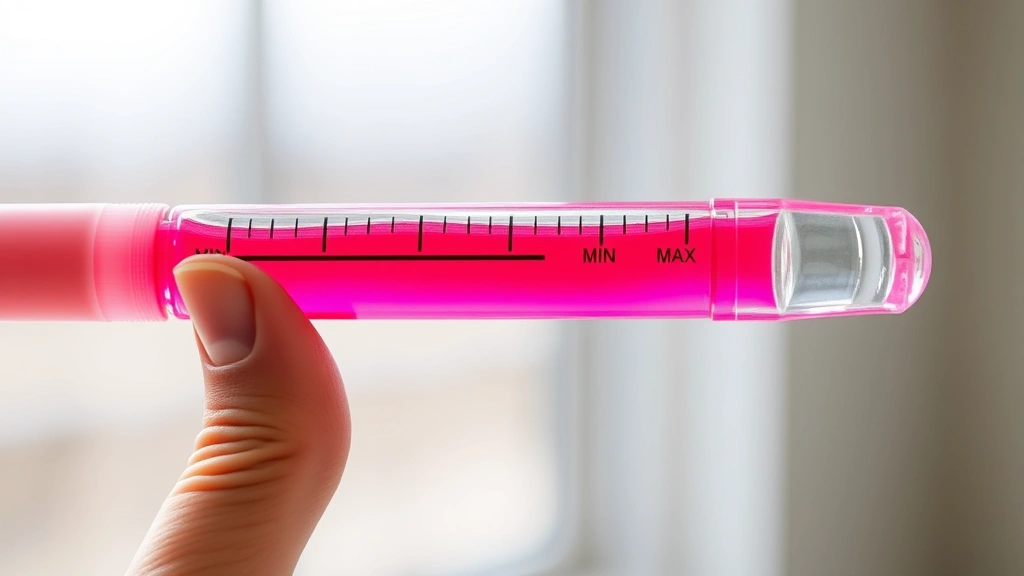
Once the dipstick is out, wipe it clean with a paper towel or clean rag. This removes old fluid residue and gives you a clear view of the level markings. Look at the stick carefully; you’ll see minimum and maximum lines, usually labeled “MIN” and “MAX” or with corresponding hash marks.
Reinsert the dipstick all the way into its tube until it seats completely. You’ll feel slight resistance as it bottoms out. Wait a moment, then pull it out again and check the level. The fluid should cling to the stick, showing you exactly where it sits between the minimum and maximum marks.
Here’s the critical part: the level should be at or near the maximum line when the transmission is at operating temperature (after light driving) or at the cold mark if checking before driving. Anywhere between minimum and maximum is typically acceptable, but closer to maximum is ideal. If it’s below minimum, you have a leak or significant consumption issue that needs attention.
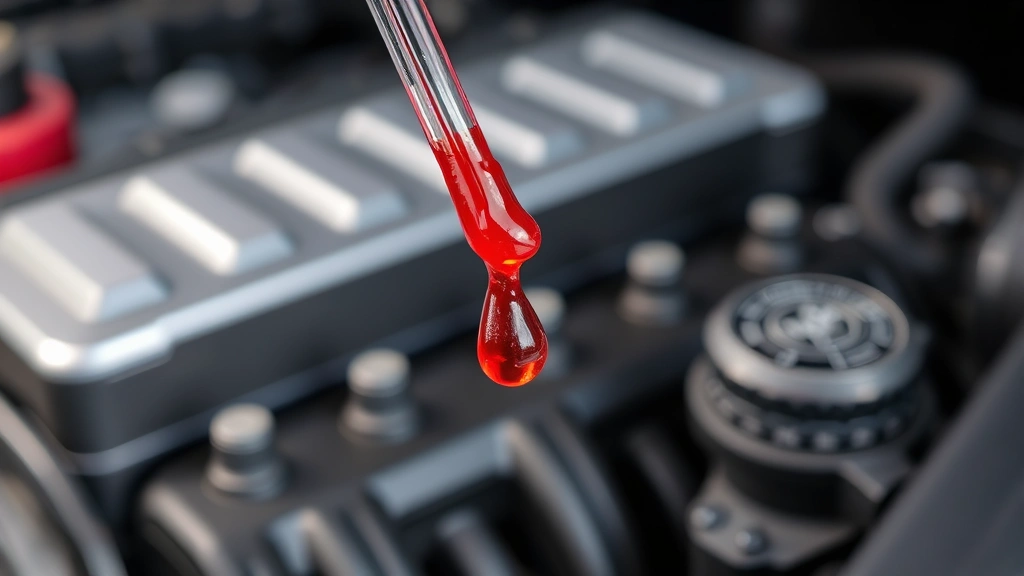
While you have the dipstick out, inspect the fluid itself. Healthy transmission fluid is bright red or pink and relatively clear. Dark red or brown fluid suggests oxidation or overheating. Murky or milky fluid indicates water contamination. A burnt smell (similar to burnt toast) signals overheating or internal damage. Any of these conditions warrant further investigation or professional service.
If your level is low, don’t immediately top it off. Low fluid usually indicates a leak somewhere in the system. Find and fix the leak first, then add fluid. Topping off a leaking transmission is like bailing water from a sinking boat—you’re treating the symptom, not the problem.
Reading and Interpreting Your Results
Understanding what your dipstick is telling you separates confident DIYers from those just going through the motions. The level markings on your dipstick are precise; they account for the fact that transmission fluid expands and contracts with temperature. This is why the cold and warm marks differ—sometimes by as much as a half-quart.
If your fluid is at the maximum mark, congratulations. Your transmission is well-lubricated and protected. If it’s between minimum and maximum, you’re fine for normal driving, but monitor it closely. If it’s at or below the minimum mark, something needs attention. Before you panic, though, consider whether you recently had transmission service done. Sometimes shops don’t fill the fluid completely during certain procedures.
Color tells a story too. Bright red fluid means the fluid is fresh and doing its job. As transmission fluid ages, it oxidizes and darkens. This is normal to a point—even relatively new fluid can be medium red or burgundy. However, very dark red or brown fluid that’s noticeably darker than what you remember suggests the fluid is due for a change. If you’re considering how to change transmission fluid, dark color is often the deciding factor.
Cloudiness or a milky appearance is never normal. This indicates water contamination, which damages transmission seals and internal components. If you see this, have the transmission serviced immediately. Burnt smell is similarly urgent—it suggests the transmission is running too hot or internal components are failing.
Keep a simple record of your checks. Note the date, mileage, fluid level, color, and any observations. Over time, this log shows you consumption patterns. If your transmission suddenly starts consuming fluid rapidly, that’s a red flag for developing problems.
Common Transmission Fluid Problems
Understanding what can go wrong helps you catch problems early. The most common issue is low fluid level, usually caused by leaks. Transmission pans, seals, gaskets, and lines can all develop slow leaks that drain fluid over weeks or months. If you notice red spots under your parked vehicle, investigate immediately.
Fluid oxidation occurs when transmission fluid breaks down from heat and age. This darkens the fluid and reduces its lubricating properties. Modern transmission fluids are designed to last longer than older formulations, but they still have limits. Following your manufacturer’s recommended fluid change intervals prevents this issue.
Water contamination happens when moisture enters the transmission system, usually through a faulty seal or breather. This causes fluid to turn milky and damages the transmission’s internal components. It’s one of the most serious fluid problems and requires immediate professional attention.
Metal particles in the fluid indicate internal wear. While some microscopic particles are normal, visible metallic shimmer suggests accelerated wear or failing internal components. This is another reason to inspect your fluid’s appearance carefully during checks.
If you notice transmission problems developing, understanding how other vehicle systems work helps contextualize the issue. For instance, a failing alternator can cause electrical problems that affect transmission shifting. Knowing how to how to charge a car battery and manage your vehicle’s electrical system helps you understand the bigger picture of vehicle maintenance.
Maintenance Schedule and Best Practices
How often should you check your transmission fluid? Ideally, monthly as part of your routine vehicle maintenance. This takes five minutes and costs nothing but catches problems early. Some people check quarterly or every other month—any regular schedule beats never checking.
For fluid changes, manufacturer recommendations vary widely. Some older vehicles needed fluid changes every 30,000 miles. Modern vehicles with synthetic transmission fluid might go 100,000 miles or more. Your owner’s manual specifies the interval for your vehicle. If you’ve lost the manual, the manufacturer’s website has this information.
Heavy-duty driving—towing, frequent stop-and-go traffic, or driving in hot climates—accelerates fluid degradation. If you regularly tow or drive in extreme conditions, consider changing fluid more frequently than the standard interval. The investment in preventative maintenance is tiny compared to transmission repair costs.
When topping off fluid between changes, use only the fluid type specified in your owner’s manual. Different transmission types require different fluid formulations—mixing them causes problems. The manual specifies whether your transmission needs ATF (automatic transmission fluid), CVT fluid, or another specialized type.
Just as understanding your engine’s needs through how to check engine oil helps you maintain your engine, regular transmission fluid checks keep your transmission healthy. Both are simple habits with enormous payoff.
Keep detailed records of your maintenance. When you service your transmission, note the date, mileage, work performed, and fluid type used. This documentation is valuable if you sell the vehicle and helps you spot patterns over time. It also ensures you don’t accidentally repeat services too soon or leave them too long.
Frequently Asked Questions
Can I check transmission fluid while the engine is cold?
Some manufacturers recommend cold checks, while others want warm fluid. Check your owner’s manual for the specific requirement. Generally, if checking cold, look for the “cold” mark on the dipstick. If checking warm (after light driving), use the “hot” mark. The difference can be a half-quart or more, so accuracy depends on following the correct procedure for your vehicle.
What should I do if my transmission fluid is dark or smells burnt?
Dark fluid suggests oxidation and age; it’s time for a fluid change. Burnt smell indicates overheating or internal damage and warrants immediate professional inspection. Don’t ignore this—driving on burnt transmission fluid accelerates damage and can lead to complete transmission failure.
My dipstick shows low fluid, but I don’t see leaks. What’s happening?
Some consumption is normal in older vehicles, especially with higher mileage. However, sudden significant loss suggests a slow leak you might not see immediately. Check under your vehicle periodically and look for fluid on your driveway. Small leaks develop into large problems, so address this sooner rather than later.
Do all modern cars have transmission dipsticks?
No. Many modern vehicles, particularly those with sealed transmissions or CVTs, don’t have traditional dipsticks. Instead, they use electronic sensors. If your vehicle doesn’t have a dipstick, consult your owner’s manual or contact your dealer about checking fluid levels.
Can I use the wrong type of transmission fluid?
You should not. Different transmissions require different fluid types—using the wrong type causes shifting problems, seal damage, and transmission failure. Always use the exact type specified in your owner’s manual. When in doubt, contact your vehicle’s manufacturer or a qualified transmission specialist.
How much transmission fluid should I add if it’s low?
Add small amounts and recheck frequently. Transmission fluid expands significantly when warm, so adding too much causes problems. Generally, the difference between minimum and maximum marks is about a quart, but this varies by vehicle. Add a quarter to half-quart at a time and recheck until you reach the proper level.
Is transmission fluid flammable?
Transmission fluid is combustible but not highly flammable under normal conditions. Still, keep it away from open flames and hot surfaces. Store it properly in a cool, dry place away from children and pets.

Related Posts

How Long to Boil Lobster Tails: Cooking Guide

How Long to Fly from New York to London? Travel Times
