
Check Power Steering Fluid: Expert Tips Inside
How to Check Power Steering Fluid: Expert Tips Inside
Your vehicle’s power steering system is one of those critical components that makes driving effortless and safe. Without proper power steering fluid levels, you’ll notice your steering wheel becoming stiff and difficult to turn, especially at low speeds. Learning how to check power steering fluid is a straightforward maintenance task that takes just five to ten minutes and can save you from costly repairs down the road.
Power steering fluid is the lifeblood of your steering system. It transmits pressure from the pump to the steering gear, allowing you to control your vehicle with minimal effort. Over time, this fluid can become contaminated, leak out, or simply deplete due to normal wear and tear. Regular checks ensure your steering remains responsive and your system stays healthy. This guide will walk you through every step of the process, from locating the reservoir to interpreting fluid condition.
Understanding Your Power Steering System
Before diving into the checking process, it’s helpful to understand what you’re actually looking at. Your power steering system consists of several key components: the pump (driven by your engine’s serpentine belt), the reservoir (where fluid is stored), the steering gear, hoses, and control valves. The fluid circulates through this entire system, maintaining pressure that assists your steering input.
Power steering fluid serves multiple purposes beyond lubrication. It acts as a hydraulic medium to transfer force, a coolant to dissipate heat from the pump, and a protective agent that prevents corrosion and wear inside the system. When fluid levels drop or quality deteriorates, every component in the system is affected. This is why regular checks are essential for maintaining your vehicle’s steering response and preventing premature component failure.
Tools and Materials You’ll Need
The beauty of checking power steering fluid is that you don’t need specialized equipment. Here’s what you’ll gather before starting:
- Clean lint-free cloth or paper towels – Essential for wiping the dipstick without leaving fibers
- Flashlight or headlamp – Helps you see inside the reservoir clearly
- Your vehicle’s owner’s manual – Contains specific instructions and fluid specifications
- The correct power steering fluid type – Keep a bottle on hand for top-ups (refer to your manual for the exact type)
- A small funnel – Makes adding fluid cleaner and easier
- Gloves – Optional but recommended to keep your hands clean
Having these items ready before you start prevents interruptions and ensures a smooth, efficient process. Many of these items are likely already in your garage or home.
Preparing Your Vehicle
Proper preparation is crucial for an accurate fluid level reading. Start by parking your vehicle on a level surface. This is non-negotiable—checking fluid on an incline will give you a false reading. Allow your engine to cool for at least five minutes if you’ve been driving. Hot fluid can expand and provide an inaccurate measurement.
Once the engine is cool, open your hood and take a moment to familiarize yourself with the engine bay. Locate the serpentine belt and the various components connected to it. This helps you understand how the power steering pump operates and where the reservoir is likely positioned. Unlike checking how to check oil in car, which requires the engine to be warm, power steering fluid checks are best done when everything has cooled down slightly.
Locating the Power Steering Reservoir
The power steering reservoir’s location varies depending on your vehicle’s make and model. In most modern cars, it’s a translucent plastic container positioned near the front of the engine bay, often toward the driver’s side or passenger’s side. The reservoir typically has a distinctive shape with a filler cap on top.
To locate it, look for a cylindrical or oval-shaped plastic container with a cap that might have a steering wheel symbol or the words “Power Steering Fluid” printed on it. If you can’t find it immediately, consult your owner’s manual—it includes a diagram of your engine bay showing the exact location. Some luxury vehicles and older models may have the reservoir in less obvious locations, sometimes hidden behind other components.
Once you’ve located the reservoir, examine it for any visible cracks, leaks, or damage. If the container appears compromised, you may need to address that issue before proceeding. Check around the base of the reservoir and along the hoses for wet spots or drips, which indicate potential leaks that need attention.
Checking Fluid Level and Condition
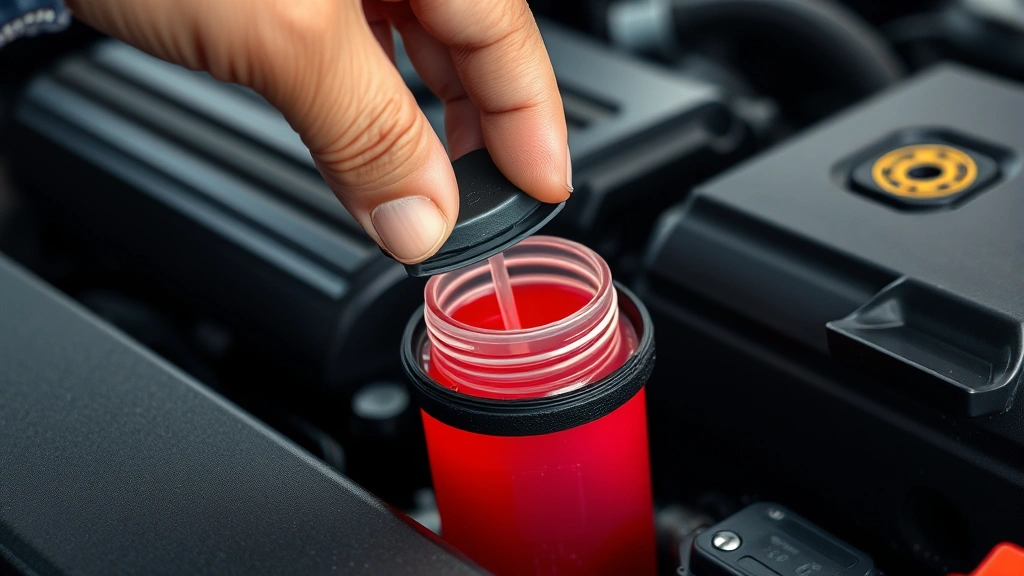
Now for the actual checking process. Remove the filler cap from the top of the power steering reservoir by turning it counterclockwise. Some caps are simply unscrewed, while others have a dipstick attached to the underside—this is your measurement tool.
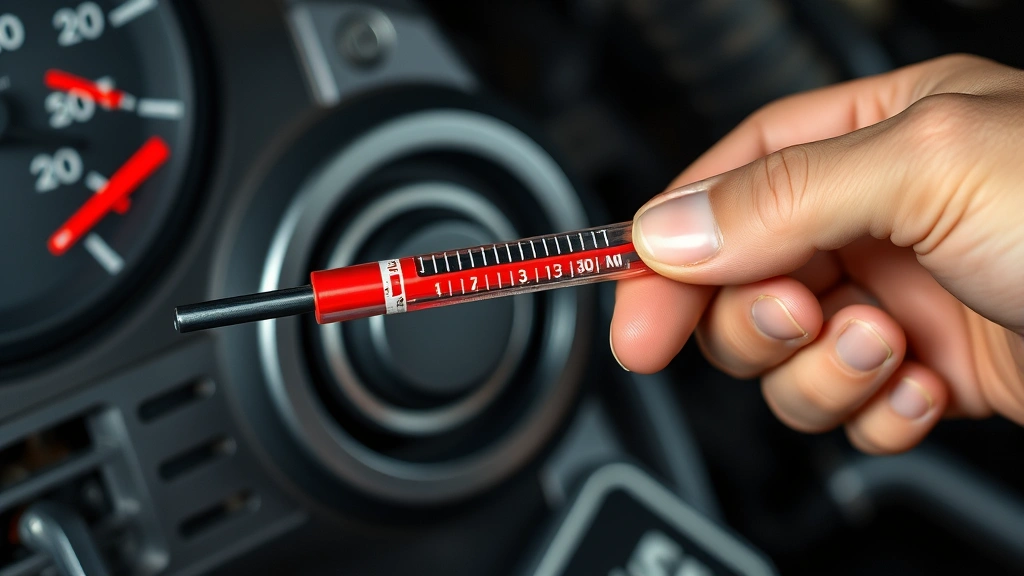
If your reservoir has a dipstick attached to the cap, wipe it clean with your lint-free cloth. Reinsert the cap fully (you’ll feel it seat), then remove it again. The fluid that clings to the dipstick shows your current level. Most dipsticks have minimum and maximum markings. Your fluid level should be at or very close to the maximum line.
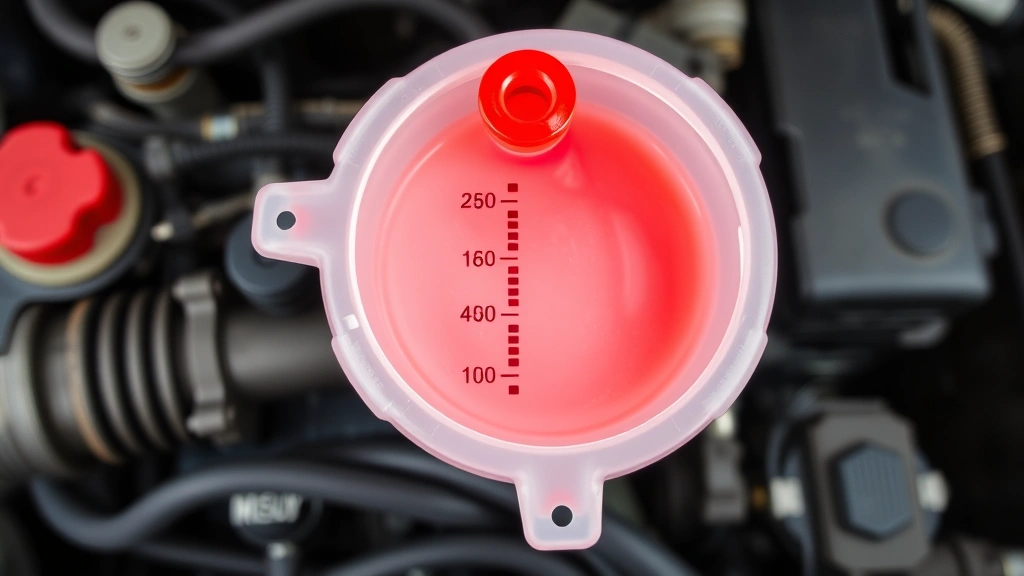
If your reservoir doesn’t have a built-in dipstick, look for minimum and maximum lines printed directly on the translucent plastic container. Use your flashlight to peer inside and check where the fluid level sits relative to these markings. The fluid should be between these lines, ideally closer to the maximum.
While checking the level, assess the fluid’s condition. Fresh power steering fluid is typically bright red or amber, depending on the type. If your fluid appears dark brown or black, contains particles, or smells burnt, it’s time for a complete fluid change. Contaminated fluid can damage your power steering pump and other components. Compare your fluid’s appearance to how to check oil guidelines—discolored fluid in either system indicates it needs replacement.
Interpreting Your Results
Understanding what you’ve found is critical. If your fluid level is at or near the maximum line and appears bright red or amber without particles, congratulations—your system is in good shape. Simply replace the cap securely and close your hood.
If the level is between the minimum and maximum lines, you have a few options. Some manufacturers recommend topping off even when fluid is within the acceptable range, especially if you notice it has dropped since your last check. Others consider this normal and only require action when it drops below the minimum line. Your owner’s manual provides specific guidance for your vehicle.
Low fluid levels that fall below the minimum line require immediate attention. Add the correct type of power steering fluid using your funnel, then recheck the level. If the level drops again within a short period, you likely have a leak that needs professional diagnosis. Leaks can occur in hoses, seals, or the pump itself—all require specialized repair.
Dark or discolored fluid indicates your system needs flushing. This process involves removing old fluid and replacing it with fresh fluid, and is best left to professionals who have the proper equipment. Attempting this without proper tools can introduce air into the system, causing steering problems.
Common Issues and Solutions
Low Fluid Level
The most common issue is low fluid, which usually means either a leak or normal evaporation over time. Small leaks around hoses or connections can develop gradually. If you notice puddles under your car or wet spots in the engine bay, that’s your clue. Top off the fluid and monitor levels over the next few weeks. If it drops again, have a professional inspect the system.
Discolored or Burnt-Smelling Fluid
This indicates overheating or contamination. Power steering fluid breaks down when exposed to excessive heat, which happens if your pump is working overtime or if the system is contaminated with debris. A complete fluid flush is necessary. This is more involved than simply topping off, so professional service is recommended.
Foamy or Bubbly Fluid
If your fluid appears foamy when you check it, air has entered the system. This can happen after topping off fluid or due to a leak that allows air in. Air in the power steering system causes sponginess in your steering wheel and can damage the pump. Bleed the air by turning your steering wheel fully left and right several times with the engine running, then recheck. If foaming persists, professional service is needed.
Steering Wheel Stiffness Despite Adequate Fluid
If your fluid level is good but your steering feels stiff, the issue might be something other than fluid level. Check how to check tire pressure to rule out underinflated tires, which can make steering harder. Other causes include a failing pump, blocked hoses, or a problem with the steering gear itself. These require professional diagnosis.
Maintenance Schedule
How often should you check your power steering fluid? Most manufacturers recommend checking at least once a month as part of your regular vehicle maintenance routine. This is similar to checking your how to check transmission fluid schedule. Some vehicles with sealed systems may not require frequent checks, but reviewing your owner’s manual provides definitive guidance.
Additionally, check your fluid whenever you notice steering problems, such as stiffness, noise, or a grinding sensation. Prompt attention to these symptoms can prevent expensive damage. If you’ve recently had power steering work done, check the level more frequently during the first few weeks to ensure no leaks developed during the service.
For how to change car battery and other major maintenance tasks, consider having your power steering system inspected at the same time. Many service shops include a power steering fluid check as part of routine maintenance packages. Fluid flushes are typically recommended every 50,000 to 100,000 miles, depending on your vehicle and driving conditions.
Consult the FixWiseHub Blog – How-To Guides and Tutorials for additional vehicle maintenance information and step-by-step guides for other essential checks and services.
FAQ
Can I check power steering fluid with the engine running?
It’s best to check with the engine off and cool. Hot fluid expands and gives inaccurate readings. However, some manufacturers recommend checking with the engine running at idle. Always consult your owner’s manual for specific instructions, as procedures vary by vehicle.
What type of power steering fluid should I use?
Never guess on fluid type. Using the wrong fluid can damage your system. Your owner’s manual specifies the exact type required—it might be ATF (automatic transmission fluid), Dexron, Mercon, or a proprietary synthetic blend. Check your manual or the cap itself, which often has the specification printed on it.
Is it normal for power steering fluid to change color over time?
Some color change is normal as fluid ages, but dramatic darkening indicates contamination or overheating. If your fluid has changed from bright red to dark brown or black, it needs replacement. Don’t wait—degraded fluid can damage your pump.
How much does it cost to replace power steering fluid?
A simple top-off with fluid you already have costs nothing. A professional fluid flush typically ranges from $150 to $300, depending on your vehicle and location. Repairing leaks or replacing a pump is significantly more expensive, which is why regular checks and prompt attention to problems save money long-term.
What causes power steering fluid to leak?
Common causes include worn hose connections, cracked hoses, failing seals in the pump, and damage to the steering gear. Age and exposure to extreme temperatures accelerate deterioration. Small leaks often start at connection points and gradually worsen. Regular checks catch problems early.
Can I drive with low power steering fluid?
Technically yes, but you shouldn’t. Low fluid causes the pump to work harder, generates heat, and increases wear on all components. Severe depletion makes steering dangerously stiff. Top off the fluid as soon as you notice it’s low and investigate the cause of the loss.
How do I know if my power steering pump is failing?
Signs include whining or groaning noises when turning the wheel, stiff steering, fluid leaks near the pump, and fluid that’s dark or burnt-smelling. A failing pump requires professional replacement. Regular fluid checks and maintenance extend pump life significantly.

Related Posts

Superscript in Google Docs: Expert Tips

Strikethrough in Excel: Easy Steps for Beginners
