
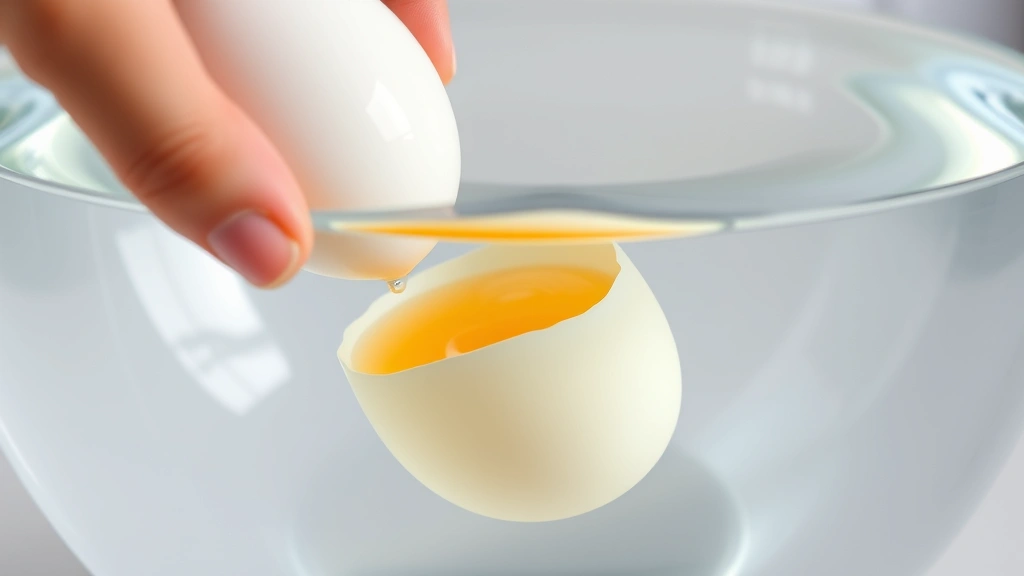
How to Check If Eggs Are Good: Expert Tips
How to Check If Eggs Are Good: Expert Tips for Smart Shopping and Storage
There’s nothing quite like cracking open an egg and discovering it’s past its prime—that distinctive sulfurous smell hits you before you’ve even finished the motion. It’s a kitchen disaster that’s surprisingly easy to prevent. Whether you’re a casual cook or someone who takes their breakfast seriously, knowing how to check if eggs are good is an essential skill that saves money, prevents food waste, and keeps your family safe from foodborne illness.
The tricky part? Eggs don’t always announce their decline with obvious signs. A carton might look perfectly fine on the outside while the contents tell a different story. That’s why we’ve compiled this comprehensive guide to help you master egg assessment from purchase to consumption. You’ll learn multiple verification methods, understand storage best practices, and discover exactly when it’s time to toss those eggs out.
Let’s crack into the details and ensure you’re never caught off guard by a questionable egg again.
Understanding Egg Expiration Dates
The carton sitting in your refrigerator likely has several dates printed on it, and decoding them is your first line of defense. Most egg cartons display a “sell by” date, “best by” date, or “expiration” date—and these aren’t interchangeable terms. The USDA mandates that egg producers include a pack date, which is the day the eggs were graded, washed, and packed into the carton. This number runs from 1 to 365, with 1 representing January 1st.
The “sell by” date typically falls within 30 days of the pack date, meaning stores should pull eggs from shelves after that point. However, this doesn’t mean the eggs go bad immediately. Properly stored eggs remain edible for approximately three to five weeks beyond the pack date. Many people get confused thinking that a “sell by” date means the eggs must be consumed by then—it’s actually just a guideline for retailers.
Understanding how to tell if eggs are still good goes beyond just reading dates on the carton. You need to verify the actual condition of the eggs themselves, as storage conditions, temperature fluctuations, and handling can all impact freshness regardless of what the calendar says. That’s where hands-on inspection methods become invaluable.
The Water Test Method
If you want a reliable, foolproof way to assess egg freshness, the water test is your best friend. This simple technique has been used for generations and works based on the principle that as eggs age, they lose moisture and the air cell inside the egg grows larger. Here’s exactly how to perform it:
- Fill a bowl or glass with cool water deep enough to fully submerge an egg—about 3 to 4 inches works perfectly.
- Gently place the egg into the water without cracking it. Be deliberate and careful with your movement.
- Observe what happens: A fresh egg will sink straight to the bottom and lay on its side. A moderately aged egg (still perfectly fine to eat) will stand upright on the bottom. An old egg will float to the surface or hover near the top.
The reason this works is simple physics. Fresh eggs have a small air pocket at the broad end. As the egg ages, moisture evaporates through the porous shell, making that air pocket progressively larger. The larger the air pocket, the more buoyant the egg becomes. When the egg floats, it’s typically because the air cell has expanded significantly—a sign that the egg should be discarded rather than consumed.
This test is particularly useful when you’ve got a carton of eggs from an unknown source or when you’re unsure about storage conditions. It takes 30 seconds and gives you complete peace of mind. Many home cooks prefer this method because it’s visual, requires no special equipment, and provides an immediate answer.
Visual Inspection Techniques
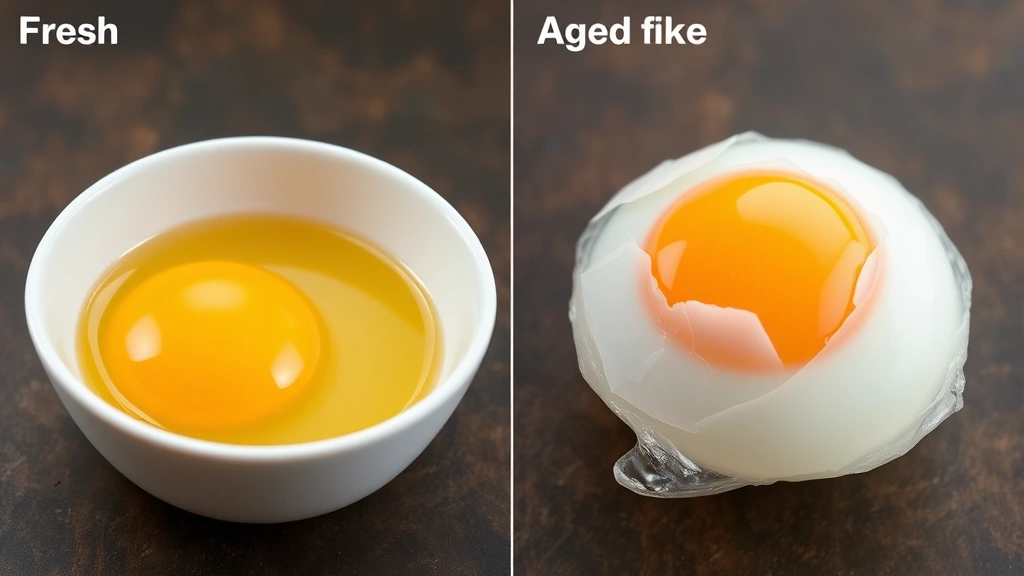
Before you even get to the water test, a careful visual inspection can reveal plenty about an egg’s condition. Start by examining the exterior shell for cracks, dents, or breaks. Even tiny fractures compromise the shell’s protective barrier and allow bacteria to enter. When you crack an egg into a bowl or pan, take a moment to really look at what you’re working with.
For raw eggs, the yolk should be firm and rounded, with a vibrant, uniform color—typically golden yellow or orange depending on the hen’s diet. The white should be clear and relatively thick, not watery or overly runny. If you notice the white is excessively thin or the yolk breaks apart easily, that’s a sign of age. Fresh egg whites have a slightly cloudy appearance due to the presence of carbon dioxide that hasn’t yet escaped; as eggs age, they become more transparent.
When you’re learning how to tell if eggs are bad, color changes are important red flags. Any pink, green, or iridescent tint to the white indicates bacterial growth and means the egg must be discarded immediately. Similarly, if you notice any unusual discoloration on the yolk or any dark spots that look like mold, don’t take chances—throw it out.
The candling method, traditionally used by egg producers, involves holding the egg up to a bright light to examine the interior. While you won’t have professional equipment at home, you can use a flashlight or hold the egg up to a lamp to get a glimpse of what’s inside. This reveals the size of the air cell at the broad end and can show you any unusual contents that wouldn’t be visible otherwise.
The Smell and Sound Tests
Your nose is an incredibly sensitive detector of egg freshness. Before cooking, crack the egg into a separate bowl rather than directly into your pan or mixing bowl. This simple precaution lets you inspect it fully and prevents one bad egg from ruining an entire meal or batter. Take a good sniff—fresh eggs have a neutral, slightly sweet smell. Any sulfurous odor, ammonia-like scent, or anything remotely “off” means the egg is spoiled.
The smell test is particularly important for cooked eggs. If you crack open a hard-boiled egg and detect that strong, rotten smell, it’s definitely time to toss it. This smell comes from hydrogen sulfide gas produced by bacterial growth, and it’s your body’s way of telling you not to eat it. Trust your instincts—if something smells wrong, it probably is.
You can also perform a simple shake test with uncooked eggs still in their shells. Hold the egg close to your ear and gently shake it. A fresh egg will feel solid with minimal movement inside. An older egg might slosh slightly because the contents have separated and there’s more air space. While this isn’t as definitive as other methods, combined with other checks, it provides additional confirmation.
Storage Guidelines for Maximum Freshness
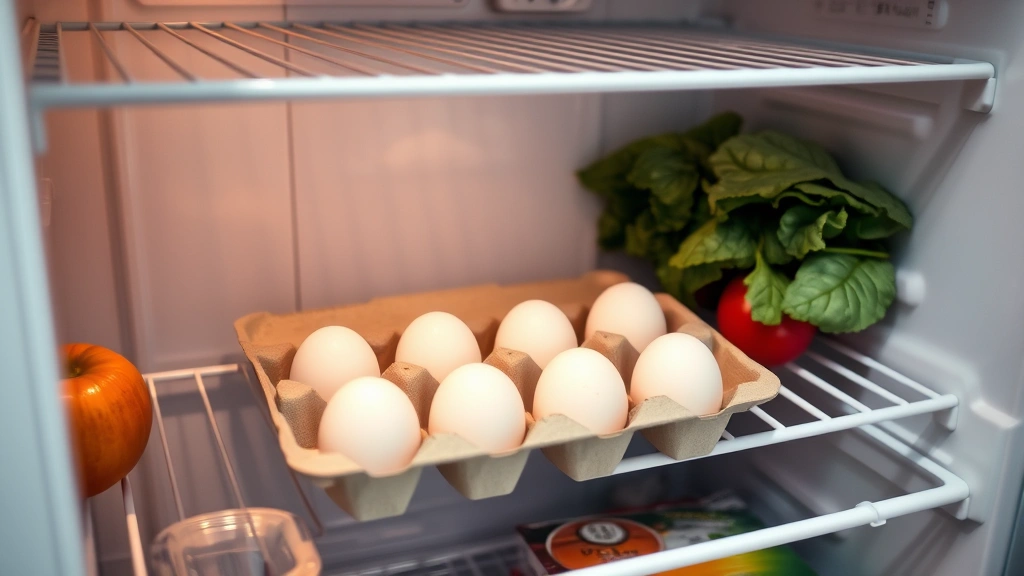
How you store eggs dramatically impacts their longevity. The refrigerator is non-negotiable—eggs should never sit on your kitchen counter at room temperature for extended periods. Store them in their original carton on a shelf in the main part of your refrigerator, not in the door. Why? Door storage exposes eggs to temperature fluctuations every time you open and close the fridge, which accelerates spoilage. The main refrigerator shelf maintains a consistent cold temperature around 35-40°F, which is ideal.
The original carton isn’t just for convenience—it’s actually protective. Eggshells are porous and absorb odors and bacteria from surrounding foods. The carton creates a barrier and also helps prevent moisture loss. If you’ve transferred eggs to a different container, consider moving them back to their original carton for optimal storage.
Temperature consistency is crucial. Eggs that experience repeated warming and cooling (like being left on the counter for an hour, then refrigerated) deteriorate faster than eggs kept consistently cold. If you’re meal prepping and need how to make sunny side up eggs or other egg dishes in advance, store the cooked eggs in airtight containers and consume them within three to four days.
For those who buy eggs in bulk or want to extend storage time significantly, freezing is an option. You can freeze raw eggs by cracking them into ice cube trays, freezing until solid, then transferring to freezer bags. Label them with the date and number of eggs. Frozen eggs keep for up to four months and work perfectly in baking and cooking applications, though they’re not suitable for frying. Thawed frozen eggs should be used immediately and never refrozen.
When to Throw Eggs Away
Knowing when to discard eggs is just as important as knowing how to check if they’re good. Here are the definitive signs that an egg has outstayed its welcome:
- Floats in the water test: If it bobs to the surface, it’s past its prime and should be discarded.
- Cracked or damaged shell: Even small cracks allow bacteria entry. Don’t risk it.
- Any unusual odor: Sulfur, ammonia, or any smell that makes you hesitate means it’s time to toss it.
- Discoloration in the white or yolk: Pink, green, black, or iridescent colors indicate bacterial contamination.
- Excessively runny whites: While some runiness is normal in older eggs, extremely thin whites suggest advanced age.
- Blood spots or meat spots: While these aren’t dangerous, they indicate the egg came from a stressed hen and some people prefer to discard them.
- Mold or visible contamination: Any growth or foreign matter means immediate disposal.
- Beyond the expiration window: If an egg is more than five weeks past the pack date and you haven’t verified its condition through other methods, err on the side of caution.
Remember, the cost of a single carton of eggs is minimal compared to the risk of foodborne illness. When in doubt, throw it out. Salmonella and other bacteria can cause serious illness, particularly for young children, elderly individuals, or those with compromised immune systems. It’s simply not worth the gamble.
Understanding how to tell if eggs are good gives you confidence in the kitchen and prevents wasteful mistakes. You’ll know exactly which eggs to use in your recipes and which ones deserve a one-way trip to the compost.
Frequently Asked Questions
How long do eggs last in the refrigerator?
Properly stored eggs in their original carton typically last three to five weeks from the pack date. The “sell by” date on the carton usually falls within the first month, but eggs often remain fresh well beyond that date if stored correctly. Always verify freshness using the water test or visual inspection rather than relying solely on dates.
Can you eat eggs after the expiration date?
It depends on the type of date listed. If it’s a “sell by” date, eggs may still be good for several weeks afterward. If it’s a true “expiration” or “best by” date, you should use them by that date or verify their freshness first. The water test and smell test are your best tools for making this determination.
Why does the water test work for checking egg freshness?
As eggs age, they lose moisture through their porous shells, causing the air cell inside to expand. This increased air pocket makes older eggs more buoyant. A fresh egg sinks because the air cell is tiny; an older egg floats because the air cell has grown significantly. It’s a simple application of physics that reliably indicates freshness.
What should I do if I accidentally crack a bad egg into my bowl?
If you notice the smell or appearance immediately, discard the entire contents of the bowl and wash it thoroughly with hot soapy water. Don’t attempt to cook it—the bacteria and toxins present won’t be eliminated by cooking. This is why the practice of cracking eggs into a separate bowl before adding them to your recipe is so valuable.
Are brown eggs fresher than white eggs?
No, egg color is determined by the breed of hen and has nothing to do with freshness, nutrition, or quality. Both brown and white eggs follow the same aging process and should be evaluated using the same freshness tests. Choose based on your preference and availability, not perceived freshness.
Can you freeze eggs to extend their shelf life?
Yes, absolutely. Raw eggs can be frozen for up to four months by cracking them into ice cube trays or freezer bags. Label them clearly with the date. Thaw frozen eggs in the refrigerator and use them immediately in baking or cooking applications. They’re not suitable for frying after thawing but work perfectly in omelets, scrambles, and baked goods.
What’s the difference between a blood spot and a meat spot in an egg?
A blood spot is a small spot of blood on the yolk, usually from a blood vessel in the hen’s ovary. A meat spot is a small piece of tissue or shell fragment. Neither indicates the egg is unsafe to eat, though some people prefer to remove them or discard the egg. They’re simply remnants of the laying process and are more common in brown eggs than white eggs.
Is it safe to eat raw eggs?
This is a matter of personal risk tolerance. Consuming raw or undercooked eggs carries a small risk of salmonella infection, particularly for vulnerable populations. If you choose to eat raw eggs, use only the freshest eggs available, verified through the water test and visual inspection. Pasteurized eggs are a safer option if you’re consuming them raw.

Related Posts

How Long to Boil Lobster Tails: Cooking Guide

How Long to Fly from New York to London? Travel Times
