
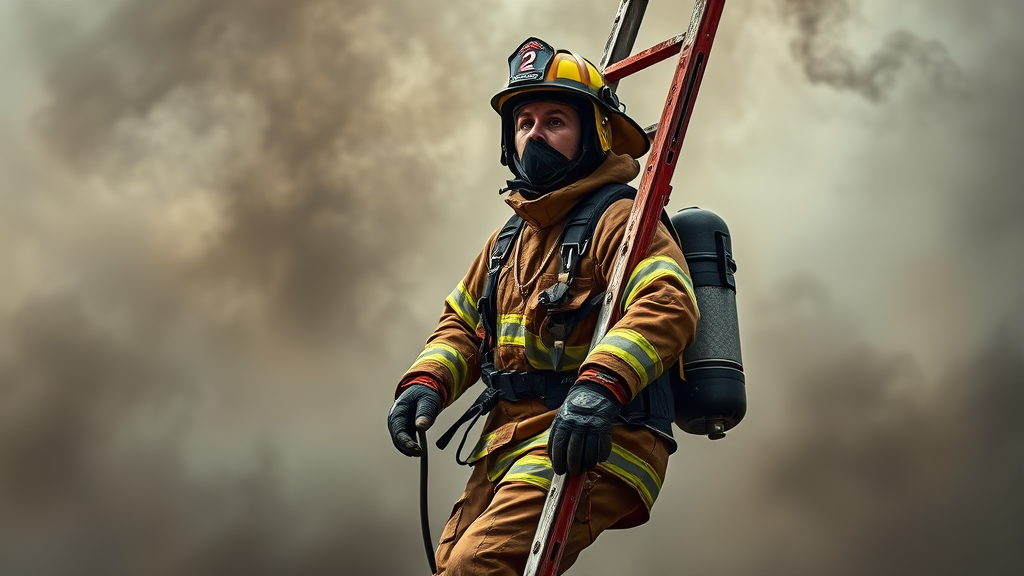
Become a Firefighter: Steps to Ignite Your Dream Career
Becoming a firefighter is one of the most rewarding and challenging career paths available today. These brave men and women dedicate their lives to protecting communities, saving lives, and responding to emergencies ranging from house fires to medical crises. The profession offers not only the satisfaction of public service but also excellent benefits, job security, and opportunities for advancement.
The path to becoming a firefighter requires dedication, physical fitness, and extensive training. Modern firefighters are highly skilled professionals who must master everything from advanced life support techniques to hazardous materials handling. If you’ve ever wondered how to become a firefighter, this comprehensive guide will walk you through every step of the journey, from initial requirements to career advancement opportunities.
Basic Requirements and Qualifications
The first step in understanding how to become a firefighter involves meeting the basic eligibility requirements. Most fire departments across the United States have similar fundamental requirements, though specific details may vary by location and department size.
Age requirements typically range from 18 to 35 years old, with some departments extending the upper limit to 40. Candidates must be U.S. citizens or legal residents with authorization to work. A high school diploma or equivalent (GED) is mandatory, and many departments now prefer candidates with some college education or military experience.
Background checks are thorough and include criminal history, driving records, and credit checks. A clean driving record is particularly important since firefighters often drive emergency vehicles. Any felony convictions or serious misdemeanors typically disqualify candidates, though some departments may consider rehabilitation and time elapsed since incidents.
Vision and hearing requirements are strictly enforced. Candidates must have uncorrected vision no worse than 20/100 that corrects to 20/20, and normal color vision is essential for safety reasons. Hearing must be adequate to communicate effectively in emergency situations, particularly when wearing protective equipment.
Education and Training Requirements
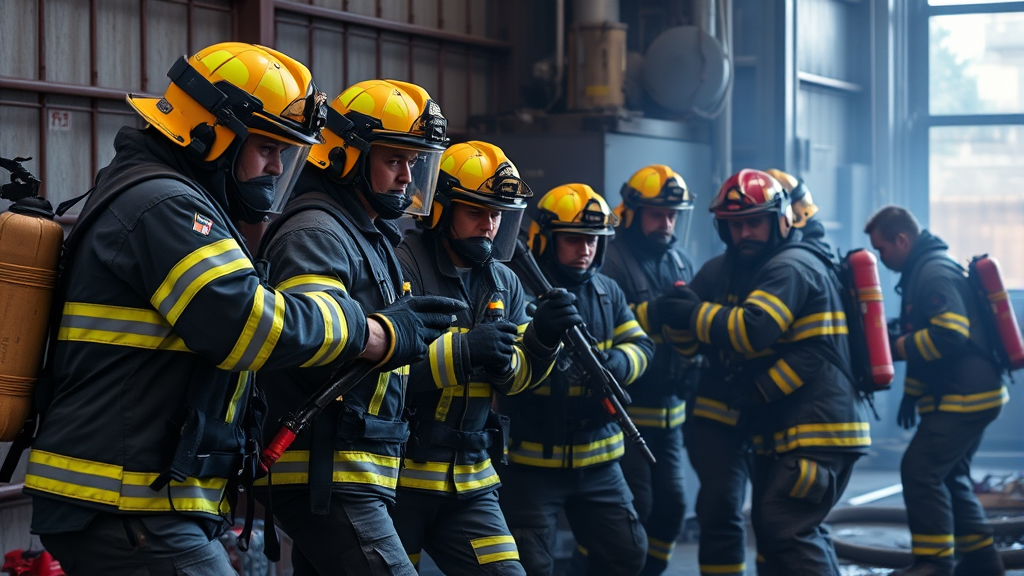
While a high school diploma is the minimum educational requirement, pursuing additional education can significantly enhance your candidacy. Many successful firefighters hold associate or bachelor’s degrees in fire science, emergency management, or related fields. These programs provide foundational knowledge in fire behavior, building construction, hazardous materials, and emergency medical services.
Community colleges often offer fire science programs specifically designed for aspiring firefighters. These typically include courses in fire prevention, fire investigation, building codes, and public safety. Some programs also include internship opportunities with local fire departments, providing valuable hands-on experience.
Emergency Medical Technician (EMT) certification is increasingly required or strongly preferred by fire departments. Since firefighters respond to medical emergencies as frequently as fires, EMT training is essential. Basic EMT certification can typically be completed in a few months, while advanced certifications like Paramedic may take 1-2 years.
Additional certifications that enhance candidacy include CPR certification, first aid training, and specialized courses in hazardous materials handling. The National Incident Management System (NIMS) training is also valuable, as it’s widely used in emergency response coordination.
Physical Fitness and Health Standards
Physical fitness is absolutely critical for firefighters, who must perform demanding tasks while wearing heavy protective equipment in dangerous conditions. Fire departments have strict physical and medical standards that candidates must meet and maintain throughout their careers.
The Candidate Physical Ability Test (CPAT) is widely used to evaluate physical readiness. This standardized test includes eight events that simulate fireground tasks: stair climbing with equipment, hose dragging, equipment carrying, ladder raising, forcible entry, search and rescue, ceiling breach and pull, and ventilation. Candidates must complete all events within a specified time limit while wearing a 50-pound vest.
Medical examinations are comprehensive and include cardiovascular screening, pulmonary function tests, and musculoskeletal evaluations. Candidates must demonstrate they can safely perform job duties without posing risks to themselves or others. Regular fitness assessments, including proper measurement techniques like how to measure waist circumference for health monitoring, may continue throughout a firefighter’s career.
Vision, hearing, and respiratory health are particularly important. Firefighters work in environments with poor visibility, loud noises, and potential respiratory hazards. Any conditions that could impair performance or be worsened by firefighting duties may be disqualifying.
The Application and Hiring Process
The firefighter hiring process is typically lengthy and competitive, often taking 6-18 months from application to hire. Understanding each step helps candidates prepare effectively and increases their chances of success.
Applications are usually accepted during specific windows, and departments may only hire every few years depending on staffing needs. Written examinations test reading comprehension, mechanical reasoning, mathematics, and spatial relations. Some departments use computer-based testing, while others still use traditional paper tests.
Oral interviews assess communication skills, decision-making abilities, and suitability for teamwork. Panel interviews typically include current firefighters, supervisors, and sometimes community representatives. Common questions focus on scenarios, motivation for the career, and examples of leadership or teamwork.
Background investigations are thorough and can take several months. Investigators contact references, employers, neighbors, and conduct financial reviews. Honesty throughout this process is crucial, as inconsistencies or attempts to hide information are often disqualifying.
Psychological evaluations assess mental fitness for the demanding and stressful nature of firefighting. Licensed psychologists evaluate candidates’ ability to handle stress, work in teams, and make decisions under pressure. The evaluation typically includes written tests and interviews.
Fire Academy Training Program
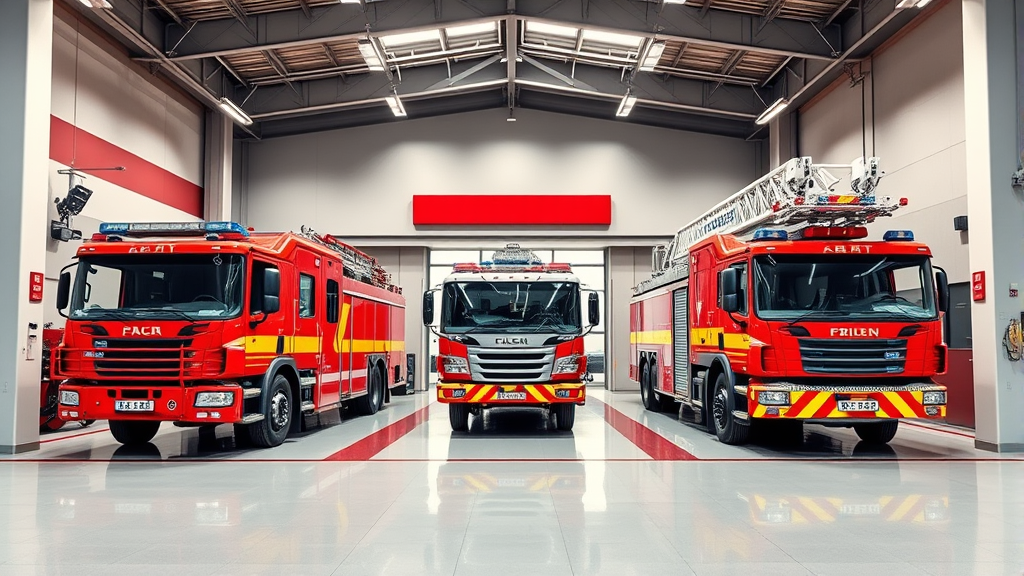
Fire academy training is where aspiring firefighters develop the skills and knowledge necessary for their careers. These intensive programs typically last 12-24 weeks and combine classroom instruction with hands-on practical training.
Classroom instruction covers fire behavior and suppression, building construction, ventilation techniques, water supply systems, and emergency medical procedures. Students learn about different types of fires, appropriate suppression agents, and safety protocols. Building construction knowledge is crucial for understanding how structures behave during fires and identifying potential collapse hazards.
Practical training includes live fire exercises, rescue simulations, and equipment operation. Students practice advancing hose lines, conducting searches in smoke-filled environments, and performing ventilation operations. Ladder operations, both ground and aerial, are extensively practiced. Emergency medical training includes patient assessment, CPR, and trauma care.
Vehicle operations training covers driving emergency apparatus under various conditions. Students learn to operate pumpers, aerial trucks, and rescue vehicles safely while responding to emergencies. Many academies also include training on checking engine oil and other routine maintenance procedures for emergency vehicles.
Hazardous materials training prepares firefighters for chemical emergencies, spills, and exposures. This specialized training follows OSHA HAZWOPER standards and may include certification levels from awareness to technician.
Career Advancement and Specializations
The fire service offers numerous opportunities for career advancement and specialization. Promotional opportunities typically follow a structured hierarchy: Firefighter, Engineer/Operator, Lieutenant, Captain, Battalion Chief, and Fire Chief.
Promotional processes usually require written examinations, oral interviews, and performance evaluations. Many departments require additional education for promotion, with bachelor’s degrees becoming increasingly common for officer positions. Leadership training and incident command courses are essential for advancement.
Specialized roles within fire departments include Fire Inspector, Fire Investigator, Training Officer, and Emergency Medical Services Coordinator. These positions often require additional certification and training but offer variety and advancement opportunities within the fire service.
Technical rescue specializations include confined space rescue, high-angle rescue, water rescue, and urban search and rescue. These specialized teams respond to unique emergencies and require extensive additional training and equipment proficiency.
Some firefighters pursue careers in fire prevention, working as inspectors or public education specialists. These roles focus on preventing fires through code enforcement, public education, and community outreach programs. Fire investigators specialize in determining fire causes and may work closely with law enforcement on arson cases.
Salary Expectations and Benefits
Firefighter compensation varies significantly based on location, department size, and experience level. According to the Bureau of Labor Statistics, the median annual salary for firefighters is approximately $52,500, with significant variation between regions.
Urban fire departments typically offer higher salaries than rural departments, but cost of living differences must be considered. Entry-level firefighters might start around $35,000-$45,000 annually, while experienced firefighters in major metropolitan areas can earn $80,000 or more.
Benefits packages are often excellent and include health insurance, dental and vision coverage, retirement plans, and paid time off. Many departments offer defined benefit pension plans, which are increasingly rare in other industries. Life insurance and disability coverage are typically provided given the inherent risks of the profession.
Overtime opportunities are common due to the 24/7 nature of fire protection. Many firefighters work 24-hour shifts followed by 48 or 72 hours off, allowing time for second jobs or education. Some firefighters supplement their income with part-time work in related fields like EMT services or fire equipment sales.
Professional development opportunities are extensive, with many departments supporting continued education and specialized training. Tuition reimbursement programs help firefighters pursue degrees in fire science, emergency management, or other relevant fields.
Frequently Asked Questions
How long does it take to become a firefighter?
The timeline to become a firefighter typically ranges from 6 months to 2 years, depending on your preparation and the hiring process. This includes time for education (EMT certification, fire science courses), physical preparation, application and testing processes, and academy training. Some candidates spend additional time gaining experience or education to be more competitive.
Do I need a college degree to become a firefighter?
While most fire departments only require a high school diploma or GED, having a college degree significantly improves your competitiveness. Many departments prefer candidates with associate or bachelor’s degrees in fire science, emergency management, or related fields. College education is often required for promotional opportunities and specialized positions.
What is the most challenging part of becoming a firefighter?
The physical demands and competitive hiring process are typically the most challenging aspects. The Candidate Physical Ability Test (CPAT) requires excellent physical conditioning, and the hiring process can be lengthy and competitive with hundreds of applicants for few positions. Academy training is also intensive, combining academic study with demanding physical training.
Can I become a firefighter if I have a criminal record?
Background requirements vary by department, but felony convictions typically disqualify candidates. Some departments may consider rehabilitation, time elapsed since incidents, and the nature of offenses for minor misdemeanors. Honesty during the background investigation is crucial, as attempts to hide information are often more disqualifying than the actual offense.
What are the physical fitness requirements for firefighters?
Firefighters must pass rigorous physical ability tests like the CPAT, which includes eight events simulating fireground tasks. Ongoing fitness requirements may include annual fitness assessments, proper health monitoring including measuring inseam for proper equipment fitting, and maintaining cardiovascular and muscular fitness standards throughout their career.
How dangerous is being a firefighter?
Firefighting involves inherent risks including exposure to smoke, chemicals, extreme temperatures, and structural collapse hazards. However, modern safety equipment, training protocols, and procedures have significantly reduced injury and fatality rates. According to the U.S. Fire Administration, firefighter safety continues to improve through better equipment and training standards.
What other duties do firefighters perform besides fighting fires?
Modern firefighters respond to medical emergencies, motor vehicle accidents, hazardous materials incidents, water rescues, and natural disasters. Many departments report that medical calls comprise 60-70% of their responses. Firefighters also conduct fire inspections, provide public education, maintain equipment, and perform routine vehicle maintenance including checking transmission fluid on emergency apparatus.

Related Posts

How Long to Boil Lobster Tails: Cooking Guide

How Long to Fly from New York to London? Travel Times
