

Become a Dental Assistant: Expert Tips & Guide
Become a Dental Assistant: Expert Tips & Guide
Pursuing a career as a dental assistant offers rewarding opportunities in the healthcare field with competitive benefits and job security. Whether you’re starting your career journey or considering a career change, becoming a dental assistant requires specific education, training, and certification. This comprehensive guide walks you through every step of the process, from understanding the role to landing your first position in a dental practice.
The dental field continues to grow, with the U.S. Bureau of Labor Statistics projecting steady demand for dental professionals. As a dental assistant, you’ll play a crucial role in patient care, clinical support, and practice management, making it an excellent career choice for those passionate about healthcare and helping others maintain their oral health.
Understanding the Dental Assistant Role
Before committing to this career path, it’s important to understand what dental assistants actually do on a daily basis. Dental assistants perform both clinical and administrative duties in dental offices, supporting dentists and dental hygienists while ensuring smooth patient experiences. Your responsibilities will vary depending on the practice type, whether it’s a general dentistry office, specialty practice, or dental clinic.
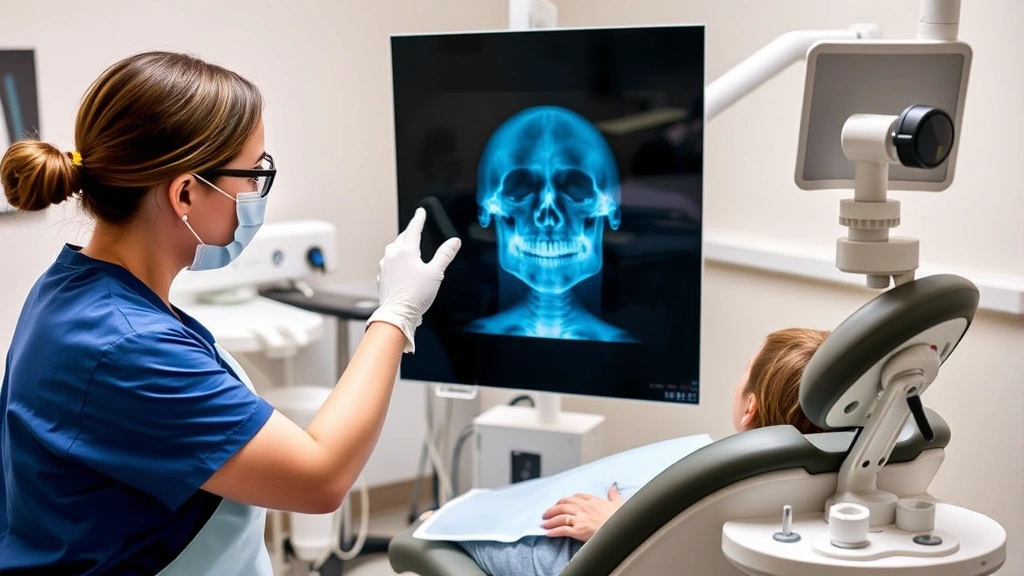
Clinical duties typically include preparing treatment rooms, sterilizing instruments, taking patient X-rays, assisting during procedures, and managing patient records. Administrative tasks encompass scheduling appointments, handling billing, managing inventory, and communicating with patients. This combination of clinical and office work makes the position dynamic and engaging for those who enjoy variety in their daily responsibilities.
The role requires strong attention to detail, excellent communication skills, and the ability to work efficiently under pressure. You’ll interact with anxious patients, manage multiple tasks simultaneously, and maintain strict infection control protocols. Understanding these demands helps you assess whether this career aligns with your strengths and interests before investing time and resources in training.
Educational Requirements and Training Programs
Most dental assistant positions require at least a high school diploma or GED. However, completing a formal dental assistant training program significantly improves your employment prospects and earning potential. These programs are available through various educational institutions and typically take between 6 months to 2 years to complete, depending on whether you pursue a certificate or associate degree.
Dental assistant programs cover essential topics including oral anatomy, dental terminology, infection control, patient communication, clinical procedures, and office management. Many programs include both classroom instruction and hands-on clinical training. When selecting a program, look for Commission on Dental Accreditation (CODA) accredited programs, which meet national standards and are recognized by employers nationwide.
You can pursue dental assistant training through community colleges, vocational schools, dental schools, or private dental assistant programs. Community colleges often offer more affordable options and flexible scheduling, including evening and weekend classes for working professionals. Some dental offices also offer on-the-job training for entry-level assistants, though formal education provides stronger foundational knowledge and certification eligibility.
When evaluating programs, consider factors such as accreditation status, curriculum comprehensiveness, instructor qualifications, clinical training opportunities, job placement assistance, and cost. Many programs partner with local dental practices to provide real-world experience, which can lead directly to employment opportunities upon graduation.
Certification and Licensing
While certification isn’t always legally required, most employers prefer or require dental assistants to hold certification credentials. The Certified Dental Assistant (CDA) credential, administered by the Dental Assisting National Board (DANB), is the most widely recognized certification in the field. Earning your CDA demonstrates professional competency and commitment to the profession.
To qualify for the CDA exam, you typically need to meet one of these pathways: complete an accredited dental assistant program, have two years of full-time work experience as a dental assistant, or complete a high school diploma combined with specific work experience. The exam covers general chairside assisting, infection control, and radiation health and safety. Passing this comprehensive exam validates your knowledge and skills to employers and patients alike.
Some states have specific licensing requirements for dental assistants, particularly for those performing expanded functions like taking X-rays or applying sealants. Research your state’s regulations through the state dental board to understand local requirements. States like California, Texas, and New York have varying credential requirements, so compliance is essential for legal practice.
Beyond the CDA credential, you may pursue additional certifications such as the Restorative Dental Assistant (RDA) or Orthodontic Assistant (OA) credentials to specialize in specific areas. These advanced certifications can increase your earning potential and career opportunities. Many employers provide support for continuing education and certification maintenance, recognizing that certified assistants provide superior patient care.
Developing Essential Skills
Successful dental assistants possess a combination of technical, interpersonal, and organizational skills. Technical skills include understanding dental procedures, sterilization protocols, instrument identification, and X-ray operation. These skills are typically developed through formal training programs and on-the-job experience under supervision.
Patient communication skills are equally important as technical abilities. You’ll interact with nervous patients, children, and individuals from diverse backgrounds. Developing empathy, active listening, and the ability to explain procedures in understandable terms helps ease patient anxiety and builds trust. Clear communication with the dental team ensures smooth workflow and optimal patient outcomes.
Organizational and time management skills are critical in a fast-paced dental environment. You’ll manage multiple patients, coordinate schedules, maintain inventory, and handle administrative tasks simultaneously. Developing systems for managing information and staying organized prevents errors and improves practice efficiency. Strong attention to detail is essential for maintaining accurate patient records and following infection control protocols.
Computer proficiency is increasingly important in modern dental practices. Most offices use digital patient records, appointment scheduling software, and billing systems. Familiarity with these technologies streamlines your work and makes you a more valuable team member. Consider taking basic computer courses or practicing with common dental software to enhance your technological competency.
Cultural competence and sensitivity are vital skills in today’s diverse communities. Understanding different cultural perspectives on healthcare, communication styles, and dental beliefs helps you provide respectful, patient-centered care. This skill set improves patient satisfaction and helps you work effectively with colleagues from various backgrounds.

Gaining Practical Experience
Practical experience is invaluable for developing clinical competency and determining whether this career is right for you. Most dental assistant programs include clinical externships where you work in actual dental offices under professional supervision. These placements provide real-world experience with patient interaction, clinical procedures, and office operations.
If your program doesn’t include an externship, seek volunteer opportunities at dental clinics, community health centers, or dental schools. Many facilities welcome motivated volunteers, offering exposure to the profession while serving underserved populations. This volunteer experience strengthens your resume, develops your skills, and often leads to employment opportunities.
Entry-level positions as a dental assistant often serve as extended training periods. Many practices hire enthusiastic individuals without prior experience and provide on-the-job training. Starting in a supportive practice environment with experienced mentors accelerates your learning curve significantly. Be proactive in seeking feedback, asking questions, and observing experienced assistants to maximize this learning opportunity.
Networking within the dental community opens doors to opportunities and mentorship. Join professional organizations like the American Dental Assistants Association (ADAA), attend dental conferences, and connect with professionals at continuing education events. These relationships provide job leads, professional guidance, and ongoing support throughout your career.
Building a portfolio documenting your skills, certifications, and clinical experience strengthens your job applications. Include your CDA certificate, training program diploma, any specialized certifications, letters of recommendation from supervisors, and a summary of clinical competencies. This comprehensive presentation demonstrates your qualifications to prospective employers.
Job Search and Career Advancement
Once you’ve completed your training and earned relevant certifications, begin your job search strategically. Dental positions are advertised through multiple channels including dental practice websites, job boards like Indeed and LinkedIn, professional associations, and dental staffing agencies. Many practices prefer hiring through referrals, so leverage your network and inform contacts that you’re seeking employment.
Tailor your resume and cover letter for each position, highlighting relevant skills and experience that match the specific practice’s needs. Research the practice beforehand to understand their focus—whether general dentistry, orthodontics, pediatrics, or specialty areas—and emphasize relevant experience. Customize your application materials to show genuine interest in the particular position and practice.
During interviews, prepare to discuss your clinical skills, patient care philosophy, and experience managing challenging situations. Practice answering common questions about your motivation for the career, handling difficult patients, and working as a team member. Research the practice’s values and culture to explain why you’re interested in joining their specific team.
Career advancement opportunities for dental assistants include transitioning to specialized areas like orthodontics, oral surgery, or endodontics, where higher salaries typically apply. Some assistants advance to office manager positions, managing scheduling, billing, and administrative operations. Others pursue further education to become dental hygienists or dental therapists, expanding their clinical responsibilities and earning potential.
Continuing education maintains your certifications and develops new skills throughout your career. Many states require annual continuing education hours for license maintenance. Beyond compliance, pursuing courses in areas like advanced chairside assisting, digital dentistry, or patient communication keeps you current with evolving practices and makes you valuable to employers.
Professional development through the ADAA and state dental assistant associations provides networking, educational resources, and advocacy support. These organizations offer conferences, webinars, and publications keeping you informed about industry trends. Active involvement in professional communities enhances your career trajectory and job satisfaction.
FAQ
How long does it take to become a dental assistant?
The timeline varies based on your educational path. A certificate program typically takes 6-12 months of full-time study, while an associate degree takes 2 years. If pursuing on-the-job training without formal education, expect 1-2 years to develop competency. Adding certification exam preparation adds 2-4 weeks of focused study.
Do I need a license to work as a dental assistant?
Licensing requirements vary by state. Some states don’t require licensing for basic dental assistant duties, while others mandate registration or licensing for expanded functions like X-ray operation or sealant application. Check your state’s dental board regulations to understand specific requirements. Certification through DANB is voluntary but widely preferred by employers.
What’s the difference between a dental assistant and dental hygienist?
Dental assistants support the dentist with clinical and administrative tasks, while dental hygienists perform direct patient care including cleanings, X-rays, and patient education. Hygienists require more extensive education (typically 2-4 years) and have independent licensing requirements. Hygienists have greater clinical autonomy and typically earn higher salaries.
How much do dental assistants earn?
According to the Bureau of Labor Statistics, the median annual salary for dental assistants is approximately $40,000-$45,000, with variations based on location, experience, and practice type. Specialized areas like oral surgery typically pay more. Certification and advanced skills can increase earning potential by 15-25%.
What qualities make a successful dental assistant?
Successful dental assistants combine technical competency with excellent interpersonal skills. Essential qualities include attention to detail, patience with anxious patients, ability to work efficiently under pressure, strong communication skills, physical stamina for standing during procedures, and commitment to infection control. A genuine desire to help others and improve oral health is fundamental.
Can I advance my career after becoming a dental assistant?
Yes, numerous advancement opportunities exist. You can specialize in specific dental areas, pursue office management positions, or continue education to become a dental hygienist or therapist. Many assistants build long-term careers in dental practices, developing expertise and leadership roles. Continuing education and professional development support career progression.

Related Posts

Superscript in Google Docs: Expert Tips

Strikethrough in Excel: Easy Steps for Beginners
