
Attract Hummingbirds: Expert Tips & Tricks
Attract Hummingbirds: Expert Tips & Tricks for Your Backyard
Hummingbirds are among nature’s most captivating creatures, with their iridescent feathers and incredible aerial acrobatics. Watching these tiny dynamos hover around your garden is a magical experience that can transform your outdoor space into a living sanctuary. Whether you’re a seasoned birder or a casual nature enthusiast, learning how to attract hummingbirds to your property is an achievable goal that requires understanding their needs and preferences.
These remarkable birds have extraordinary metabolisms, consuming up to half their body weight in sugar daily to fuel their rapid wingbeats—up to 80 times per second. This means providing the right food sources, plants, and environmental conditions is essential for drawing them to your yard. In this comprehensive guide, we’ll explore proven strategies to create an irresistible haven for hummingbirds, from setting up feeders to planting native flowers that naturally attract these jeweled visitors.
Understanding Hummingbird Behavior and Needs
Before you can effectively attract hummingbirds, you need to understand what motivates these fascinating birds. Hummingbirds are primarily attracted to areas that offer abundant nectar sources, suitable perching spots, and shelter from predators. They’re highly territorial creatures, and once they discover a reliable food source, they’ll return repeatedly and defend that territory fiercely.
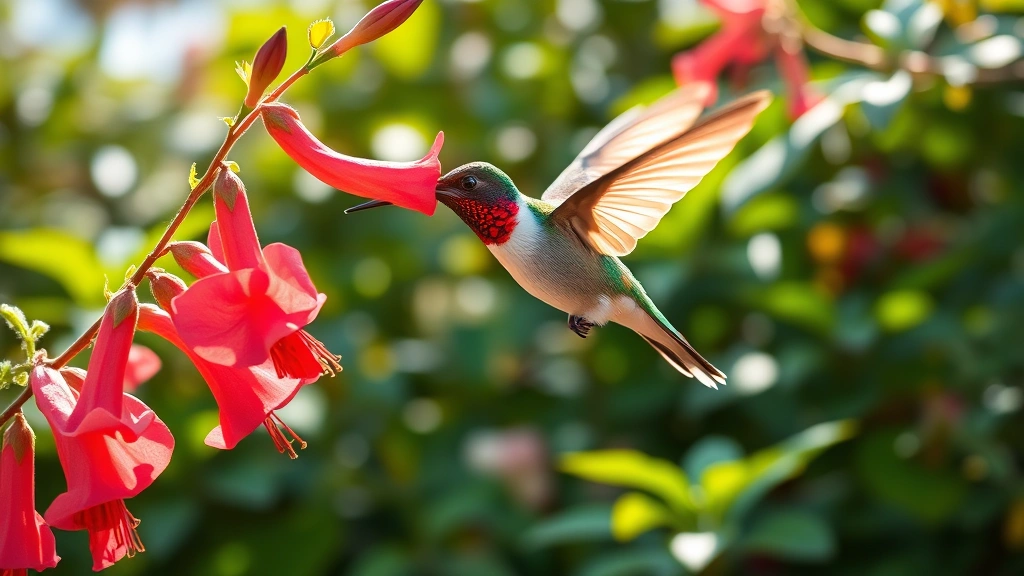
Different hummingbird species have distinct preferences, though most are drawn to the color red and trumpet-shaped or tubular flowers. The Ruby-throated Hummingbird is the most common eastern species, while the Anna’s Hummingbird dominates the western regions. Understanding which species are native to your area is crucial for tailoring your attraction efforts. You can research birding guides and resources to identify local species and their migration patterns.
Hummingbirds require specific environmental conditions to thrive. They need temperatures between 45-85 degrees Fahrenheit to function properly, which means timing your feeder setup with migration seasons is critical. During spring and fall migrations, these birds are actively searching for food sources to fuel their long journeys, making these peak seasons for attracting them to your yard.
Set Up Hummingbird Feeders Properly
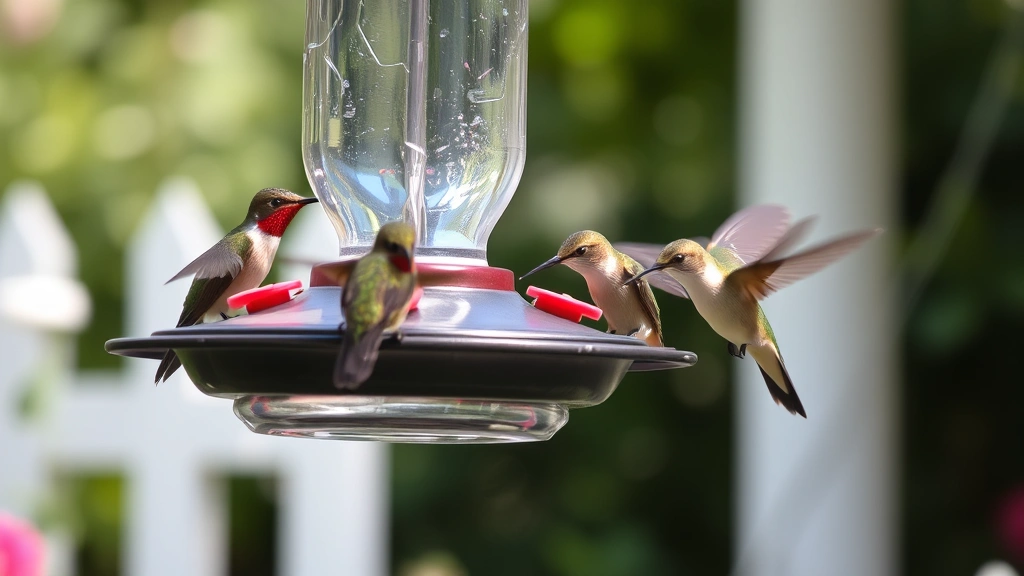
Installing hummingbird feeders is often the most effective way to attract these birds to your property. The right feeder setup can make the difference between occasional visits and regular sightings. When selecting feeders, look for models with red coloring and multiple feeding ports—most hummingbirds are naturally attracted to red, which mimics the flowers they seek in nature.
The nectar solution you use is just as important as the feeder itself. Mix one part white granulated sugar to four parts water—this ratio closely matches the sucrose content of natural flower nectar. Never use honey, artificial sweeteners, or red dye, as these can be harmful to hummingbirds. Boil the water before mixing to remove impurities and extend the solution’s shelf life. Allow the mixture to cool completely before filling your feeders.
Placement of your feeders significantly impacts their effectiveness. Position feeders near flowering plants and shrubs that provide shelter, but ensure they’re visible from open areas where hummingbirds can spot them. Mount feeders 4-6 feet high to protect them from ground predators while keeping them accessible. Spread multiple feeders throughout your yard at least 10-12 feet apart to reduce territorial conflicts and allow more birds to feed simultaneously.
Maintenance is crucial for feeder success. Change the nectar solution every 3-5 days in warm weather and every 5-7 days in cooler temperatures. Clean feeders thoroughly with hot water (never use soap or harsh chemicals) to prevent mold and bacterial growth that can harm hummingbirds. A small bottle brush is invaluable for cleaning narrow feeding tubes. Regular maintenance demonstrates your commitment to providing a safe feeding environment, which builds trust with visiting hummingbirds.
Plant Native Flowers They Love
While feeders provide concentrated nutrition, native flowering plants offer natural nectar sources and create a more authentic hummingbird habitat. Native plants are adapted to your local climate and soil conditions, requiring less maintenance while providing superior benefits for hummingbirds and other wildlife.
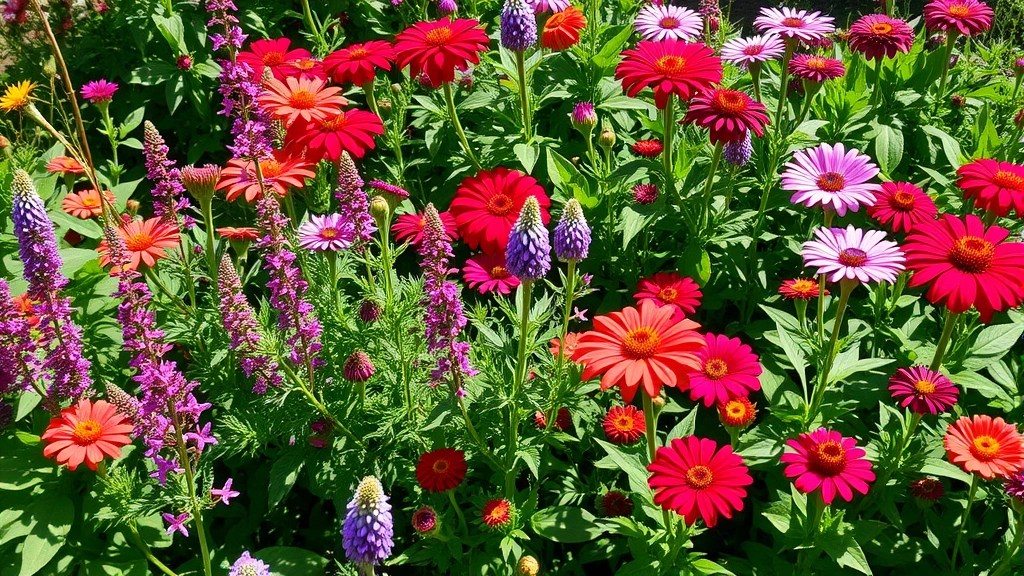
Hummingbirds favor tubular or trumpet-shaped flowers in shades of red, orange, and purple. Some excellent native choices include:
- Trumpet Vine – A vigorous climber with bright red-orange flowers that hummingbirds find irresistible
- Bee Balm – Produces clusters of tubular flowers in red, pink, or purple, blooming mid-summer
- Salvia – Available in many varieties with tubular flowers in various red shades
- Cardinal Flower – A striking perennial with tall spikes of brilliant red flowers
- Columbine – Delicate, nodding flowers in red and yellow attract hummingbirds effectively
- Honeysuckle – Fragrant tubular flowers provide abundant nectar throughout the season
- Zinnias – Easy-to-grow annuals with clustered flowers in red and orange
- Fuchsia – Elegant hanging flowers with extended tubes perfect for hummingbird feeding
Create planting zones at different heights to maximize your garden’s appeal. Plant tall flowers (3-6 feet) in back, medium-height plants (2-3 feet) in the middle, and low-growing flowers (6-12 inches) in front. This tiered approach provides feeding opportunities at various levels and creates visual depth while offering shelter at multiple heights.
Time your plantings to provide continuous blooms throughout the season. Early spring bloomers like columbine transition to summer performers like bee balm, which then give way to fall bloomers like asters. This succession ensures hummingbirds find food sources from early spring through late fall, especially important during migration periods when they need substantial energy reserves.
Create the Ideal Habitat
Beyond feeders and flowers, hummingbirds need specific habitat features to feel safe and comfortable in your yard. Creating the ideal environment involves thoughtful landscape design that addresses their shelter, perching, and safety needs.
Shelter and perching are essential components of hummingbird habitat. These birds need small branches and twigs where they can rest and preen between feeding sessions. Maintain trees and shrubs with fine branching structures, particularly in the 4-8 foot height range. Willows, dogwoods, and small ornamental trees provide excellent perching opportunities. Spider webs are also valuable—they use them to line their nests and catch small insects, so avoid removing all webs from your landscape.
Hummingbirds require tiny insects and spiders for protein, which they can’t obtain from nectar alone. Encourage insect populations by avoiding pesticides and maintaining diverse plantings. Small insects are particularly important during nesting season and for feeding nestlings. A pesticide-free yard naturally supports the insect populations hummingbirds depend on, creating a more complete food source than feeders alone can provide.
Water features attract hummingbirds and provide essential bathing and drinking opportunities. A shallow birdbath, misting system, or small fountain creates an irresistible draw. Hummingbirds particularly enjoy misting and will fly through water spray to bathe. If you install a fountain or mister, keep water depth between 1-2 inches—hummingbirds are tiny and can drown in deeper water. Place water features near shelter so birds feel safe while bathing.
Minimize threats from predators and collisions. Position feeders away from dense vegetation where cats might hide and away from window reflections that cause fatal collisions. Maintain clear sightlines so hummingbirds can spot approaching threats. Window decals or screens near feeders reduce collision risks while maintaining visibility for human observers.
Maintain a Clean and Safe Environment
Creating a safe environment is as important as providing food and shelter. Hummingbirds are vulnerable to numerous threats, and your yard’s cleanliness directly impacts their health and survival.
Feeder hygiene cannot be overstated. Mold, bacteria, and fungal growth in feeders can cause fatal infections in hummingbirds. Inspect feeders daily for discoloration, cloudiness, or visible growth. If you notice any contamination, discard the solution immediately and clean the feeder thoroughly. In humid climates, you may need to change solutions every 2-3 days. Store unused nectar in the refrigerator for up to two weeks, but never reuse old solution.
Window safety is critical in hummingbird-friendly yards. Hummingbirds can’t distinguish between open space and glass reflections, leading to fatal collisions. Apply decals, screens, or netting to windows near feeders and flowering areas. Maintain clear sightlines from multiple angles so birds can see through windows to the other side. Some experts recommend positioning feeders within 3 feet of windows or farther than 10 feet away to reduce collision risks.
Chemical-free gardening protects hummingbirds and the insects they depend on. Pesticides, herbicides, and fungicides can poison hummingbirds directly or eliminate the insects they need for protein. Embrace organic gardening practices including composting, mulching, and companion planting. If you must address pest problems, use targeted, low-toxicity solutions and apply them carefully to minimize impact on non-target species.
Maintain your yard’s cleanliness to prevent disease transmission. Remove fallen fruit, spilled seed, and debris that attract insects and rodents carrying diseases. Keep feeders and water features clean and position them away from ground clutter. A tidy yard reduces breeding habitat for mosquitoes and other disease vectors while making it easier to monitor your hummingbird visitors.
Seasonal Strategies for Year-Round Appeal
Hummingbird attraction strategies should adapt to seasonal changes and migration patterns. Understanding these patterns helps you provide food and habitat when hummingbirds need them most.
Spring arrival marks the beginning of hummingbird season for most regions. Males arrive first, establishing territories and seeking food sources. Have your feeders cleaned, filled, and ready by mid-March in southern regions and mid-April in northern areas. Plant early bloomers like hellebores and pulmonaria to provide natural nectar sources as soon as temperatures warm. This early preparation often determines whether hummingbirds establish territories in your yard.
During summer months, hummingbirds focus on feeding, defending territories, and raising young. Maintain feeders consistently and keep blooming plants well-watered and healthy. Deadhead spent flowers to encourage continuous blooming, and provide supplemental watering during dry periods. The peak summer season offers the best opportunities for observing hummingbird behavior, including territorial displays and courtship rituals.
Fall migration is particularly critical for hummingbird survival. These birds must accumulate fat reserves for their long journeys south, sometimes traveling over 2,000 miles. Keep feeders filled through October and November, even if you see fewer birds—migrants passing through will depend on your resources. Maintain flowering plants as long as possible, and consider leaving seed heads on late-blooming perennials for additional food sources.
In winter months, most hummingbirds migrate south, but some species like Anna’s Hummingbirds remain in western regions year-round. If you live in a mild climate where hummingbirds overwinter, maintain at least one feeder throughout winter. Use a heated feeder or change solutions more frequently to prevent freezing. Provide shelter through evergreen shrubs and trees that offer protection from cold and wind. Winter feeding can be the difference between survival and starvation for these remarkable birds.
For those interested in complementary wildlife projects, you might explore attracting other bird species to create a diverse backyard ecosystem. Different bird species offer unique observation opportunities and ecological benefits.
FAQ
What color should hummingbird feeders be?
Red is the most attractive color for hummingbirds, as it mimics the flowers they naturally seek. Many feeders include red bases or feeding ports that immediately catch hummingbirds’ attention. However, once hummingbirds discover a feeder, they’ll return regardless of color, so the initial red attraction is most important for first-time visitors.
How often should I change hummingbird nectar?
Change nectar every 3-5 days in warm weather (above 70°F) and every 5-7 days in cooler temperatures. In extremely hot conditions or humid climates, every 2-3 days may be necessary. Always change the solution if you notice cloudiness, discoloration, or mold growth, regardless of how recently you filled it.
Can I use honey or food coloring in hummingbird nectar?
No. Honey can promote fungal growth that causes fatal infections in hummingbirds. Red food coloring is unnecessary and potentially harmful. Plain white sugar and water in a 1:4 ratio is the safest, most effective solution. This mixture closely matches natural flower nectar composition.
When should I put out hummingbird feeders?
Put feeders out 1-2 weeks before expected arrival in your region. In southern states, this means mid-March; in northern regions, mid-to-late April. Keep feeders up through October or November to support fall migrants. In mild climates where hummingbirds winter, maintain feeders year-round.
What plants attract hummingbirds most effectively?
Native trumpet or tubular flowers in red, orange, and purple shades are most attractive. Top choices include trumpet vine, bee balm, salvia, cardinal flower, and columbine. Planting a succession of bloomers ensures continuous nectar availability throughout the season, maximizing hummingbird visits.
How do I prevent window collisions with hummingbirds?
Apply window decals, screens, or netting to windows near feeders and flowering areas. Position feeders within 3 feet of windows or farther than 10 feet away. Avoid placing feeders where they create reflections of open space that hummingbirds might attempt to fly through.
Do hummingbirds need water?
Yes, hummingbirds need water for drinking and bathing. A shallow birdbath, misting system, or fountain with 1-2 inches of water provides essential hydration and bathing opportunities. Hummingbirds particularly enjoy misting and will fly through water spray repeatedly.
What should I do if I find an injured or exhausted hummingbird?
Keep the bird in a dark, quiet, warm space (around 75°F) in a ventilated container. Offer sugar water on a cotton swab or small dish if the bird is conscious. Contact a local wildlife rehabilitator for professional care. Never attempt to force-feed or handle the bird more than necessary, as stress can be fatal.

Related Posts

Superscript in Google Docs: Expert Tips

Strikethrough in Excel: Easy Steps for Beginners
