
Attract Crows to Your Yard: Expert Tips
Attract Crows to Your Yard: Expert Tips for Creating a Crow-Friendly Environment
Crows are among the most intelligent birds you can invite to your yard. These remarkable creatures demonstrate problem-solving abilities, long-term memory, and even playful behavior that make them fascinating to observe. Unlike many backyard birds that simply eat and leave, crows can become regular visitors that interact with their environment and potentially with you over time. If you’ve ever watched a crow manipulate an object or work cooperatively with other birds, you understand why so many homeowners want to attract these clever companions.
Creating an inviting space for crows requires understanding their dietary preferences, habitat needs, and behavioral patterns. The good news is that attracting crows doesn’t demand expensive equipment or complicated setups. With the right approach to food, water, and yard design, you can transform your outdoor space into a crow haven. This comprehensive guide walks you through every aspect of crow attraction, from initial setup to long-term management strategies that keep these intelligent birds coming back season after season.
Understanding Crow Behavior and Preferences
Before you begin how to attract crows to your specific yard, you need to understand what drives these birds. Crows are opportunistic omnivores, meaning they eat nearly everything. However, they have clear preferences for certain foods over others. They’re also highly social creatures that communicate extensively with other crows, sharing information about food sources and threats. This social structure means that once you attract a few crows, word spreads through the local population, and you’ll likely see increasing numbers over time.
Crows are diurnal, meaning they’re most active during daylight hours. They typically forage in the early morning and late afternoon, so timing your food offerings accordingly increases the likelihood of attracting them. These birds are also cautious and intelligent, so they’ll observe your yard carefully before committing to regular visits. Patience is essential—it may take several weeks before crows become comfortable enough to visit consistently.
The intelligence of crows cannot be overstated. Research has shown that crows can recognize individual human faces, remember people who have treated them kindly, and even hold grudges against those who’ve threatened them. This means your behavior toward crows influences their willingness to visit your property. Unlike many wildlife attraction strategies, home improvement and wildlife guides suggest that consistent, gentle treatment creates the strongest crow populations.
Setting Up Food Stations
Food is the primary motivator for attracting crows. The key to success is offering foods they genuinely prefer while maintaining a consistent feeding schedule. Crows will quickly learn when to expect food and will adjust their daily routines accordingly. Start by establishing a dedicated feeding area, preferably on a platform or tray that elevates food slightly off the ground. This setup protects food from moisture and makes it easier for crows to access while keeping their vigilance high for predators.
Best foods for attracting crows:
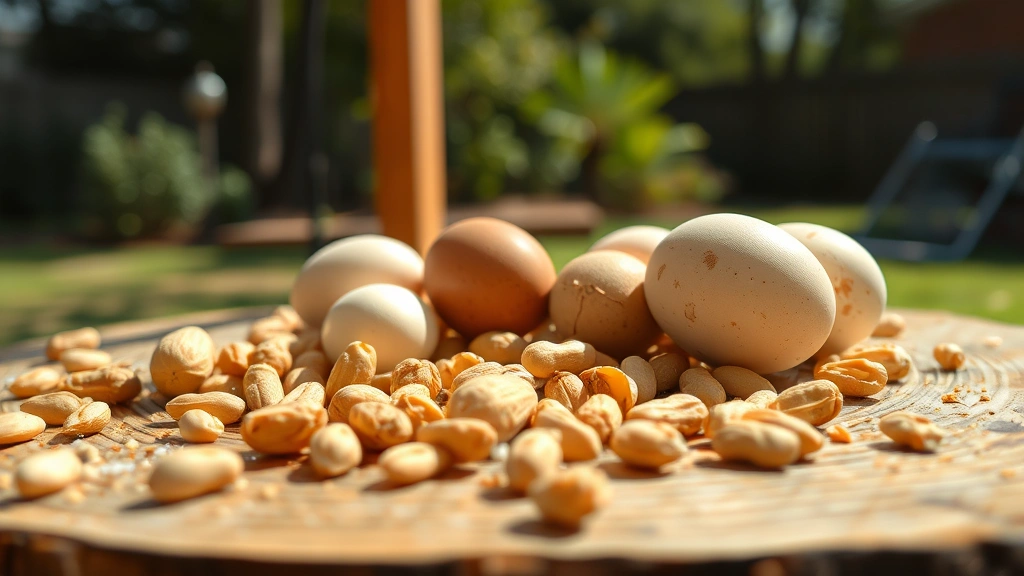
- Peanuts (unsalted, out of shell): Crows love peanuts more than almost any other food. Unsalted peanuts are healthier for birds than salted varieties. The outer shell provides enrichment as crows work to crack them open, which also exercises their powerful beaks and minds.
- Eggs and egg shells: Crows find eggs irresistible, especially during breeding season when they need extra protein. Cooked eggs are safer than raw ones. Crushed eggshells also provide essential calcium for egg-laying females.
- Meat scraps: Unseasoned chicken, beef, or other meat pieces attract crows effectively. Avoid heavily seasoned or processed meats that may contain harmful additives. Remove any remaining meat after a few hours to prevent spoilage and pest attraction.
- Suet cakes: Commercial suet designed for birds provides concentrated nutrition. Choose varieties without artificial ingredients. Place suet in wire cages to control portion sizes and minimize mess.
- Corn (fresh, frozen, or dried): Dried corn is an economical option that crows enjoy, though they prefer fresh or frozen corn when available. Scatter corn on the ground or in shallow trays.
- Berries and fruits: Blueberries, raspberries, and other soft fruits appeal to crows, particularly during seasons when natural berry crops are scarce. Dried fruit also works well.
Establish a regular feeding schedule—ideally the same time each morning and evening. Crows have excellent memories and will learn your routine quickly. Start with small portions and gradually increase as more crows discover your yard. Overfeeding can lead to dependency and behavioral problems, so aim for supplemental feeding rather than complete nutrition provision.
Location matters significantly when setting up food stations. Place feeders in open areas where crows can see approaching threats from multiple directions. Crows are prey for eagles and hawks, so they appreciate clear sightlines. However, position feeders within reasonable distance of trees or shrubs where crows can retreat quickly if danger appears. A distance of 15-25 feet from cover provides the ideal balance between safety and accessibility.
Keep your feeding area clean and organized. Remove uneaten food daily to prevent mold, spoilage, and pest attraction. Wash feeding trays and platforms regularly with mild soap and water. This hygiene practice prevents disease transmission among visiting crows and maintains a healthy feeding environment. Crows are intelligent enough to recognize and avoid contaminated food sources, so cleanliness directly impacts your success in attracting them.
Water Sources Crows Need
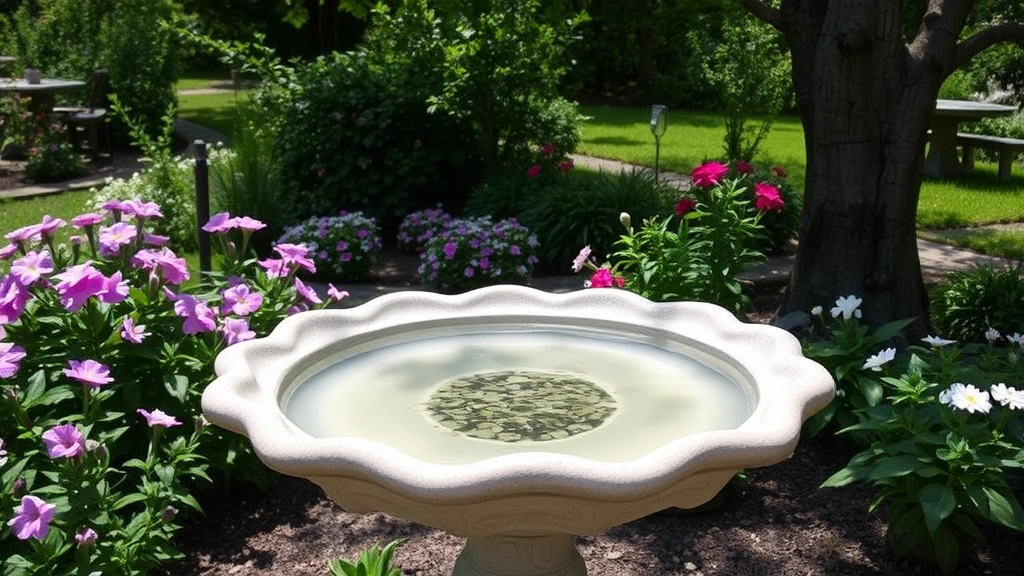
Water is just as important as food for attracting crows. These birds need water for drinking and bathing, and providing reliable water sources significantly increases your yard’s appeal. Unlike some birds that are satisfied with small water dishes, crows prefer deeper water where they can fully submerge for bathing. A shallow bird bath works, but a larger basin or small pond is more attractive.
Install water features in visible, accessible locations. A ceramic or plastic bird bath works well for basic water provision. Fill it daily with fresh water, and clean the basin regularly to prevent algae growth and bacterial contamination. Change water every two to three days at minimum, even if the bath appears clean. Crows will quickly learn the location of your water source and visit regularly.
For more elaborate setups, consider a small fountain or ground-level basin. Moving water attracts more birds than still water because the sound and movement are more noticeable. Fountains also help keep water cleaner by promoting circulation. Position water sources where you can observe them easily—this is one of the most rewarding aspects of crow attraction, as watching them bathe and interact with water is genuinely entertaining.
During winter, maintaining unfrozen water becomes critical. In cold climates, heated bird baths keep water liquid even when temperatures drop significantly. The warmth from these baths attracts crows during harsh weather when natural water sources freeze over. Your yard becomes a valuable resource during winter, encouraging crows to establish it as part of their regular foraging territory.

Creating Suitable Habitat
Beyond food and water, crows need appropriate habitat features that provide shelter, roosting sites, and nesting opportunities. Mature trees form the foundation of crow-friendly habitat. Large trees with sturdy branches offer roosting sites where crows sleep safely at night, away from ground predators. If your yard lacks large trees, planting new ones is a long-term investment that pays dividends in wildlife attraction.
Evergreen trees are particularly valuable because they provide year-round shelter and protection from weather. Crows use dense foliage to hide from predators and to stay warm during cold seasons. Deciduous trees offer additional benefits during growing season when they’re fully leafed out. If possible, maintain a mix of both types to maximize habitat value across all seasons.
Shrubs and understory vegetation provide additional shelter and food sources. Native shrubs that produce berries offer natural food supplementation that reduces crow dependence on your feeders. This encourages more natural behavior and creates a self-sustaining ecosystem. Research native plants suited to your climate zone and incorporate them into your landscaping plan.
Dead trees or snags, if they’re safe to maintain, provide excellent habitat features. Crows use dead trees for roosting, and the decaying wood often hosts insects that crows hunt for protein. If removing dead trees for safety reasons, consider leaving a large stump or installing a tall pole that serves similar functions.
Minimize pesticide and herbicide use in your yard. These chemicals can poison crows directly or reduce insect populations that provide natural nutrition. Crows hunt extensively for grubs, beetles, and other invertebrates. A yard with abundant insects supports healthier crow populations than one treated with chemical controls. This approach also benefits your overall landscape health and supports numerous other wildlife species.
Building Trust and Interaction
One of the most rewarding aspects of attracting crows is the possibility of building trust with individual birds. Crows can recognize human faces and remember interactions for years. Consistent, gentle behavior encourages them to view you as a reliable, non-threatening presence. Over time, some crows may become comfortable enough to eat from your hand or land close to you while you’re present.
Establish a predictable routine and stick to it religiously. Feed crows at the same times each day, and try to be visible during these times. Crows notice your presence and learn your patterns. Speak softly and avoid sudden movements that might startle them. Many crow enthusiasts develop specific calls or sounds that signal feeding time. Crows learn these signals and respond by gathering when they hear them.
Never attempt to touch crows or force interaction. Let them approach you on their own terms. Some crows will become comfortable with human presence faster than others. Patience and consistency are far more effective than any aggressive approach. Respect their boundaries, and they’ll reward you with increasingly confident behavior over time.
Document your observations and interactions. Keeping notes about which crows visit, their behaviors, and their preferences helps you understand the individuals in your yard better. Some people photograph or video record their crows, creating lasting memories of these interactions. This documentation also helps track population changes and behavioral patterns throughout the year.
Share your experience with others interested in wildlife. If you’re following our how-to guides and tutorials approach, you understand the value of detailed observation and documentation. Crow enthusiasts around the world share their experiences and learn from each other, contributing to our collective understanding of these remarkable birds.
Seasonal Considerations
Crow behavior and needs vary significantly throughout the year. Spring and summer bring breeding season, when crows require extra protein for egg production and chick rearing. Increase offerings of eggs, meat, and other high-protein foods during these months. Crows also become more protective of their territory during breeding season, so expect more defensive behavior near nests.
Fall is preparation season for crows. They’re naturally driven to cache food for winter, and they’ll eagerly collect peanuts and other foods you provide. This is an excellent time to increase feeding quantities and establish strong relationships with your local crow population. The fall abundance helps crows prepare for the leaner winter months ahead.
Winter demands consistent feeding because natural food sources become scarce. Crows depend heavily on supplemental feeding during harsh winters, so maintaining your feeding stations is more important than ever. Increase portion sizes and ensure water remains accessible. Your yard becomes a critical survival resource for local crows during this season.
Summer presents unique challenges because crows have abundant natural food sources. They may visit your feeders less frequently than during other seasons. Don’t take this personally—it’s natural behavior. Continue offering food consistently, and crows will return when natural supplies diminish in late summer and fall.
Common Mistakes to Avoid
Many well-intentioned people make mistakes when attempting to attract crows. Understanding these pitfalls helps you avoid them and achieve better results. One common error is offering inappropriate foods. Moldy food, heavily processed meats, or foods containing avocado, chocolate, or excessive salt can harm or kill crows. Always verify that foods are safe before offering them.
Inconsistency is another major mistake. Crows learn your feeding schedule quickly. If you feed them regularly for weeks then suddenly stop, they become confused and may not return when you resume. Commit to a consistent feeding schedule before starting, or accept that you’re making a long-term commitment to your crow population.
Overcrowding is a subtle but serious problem. While crows are social, extremely large populations in small yards can lead to stress, aggression, and disease transmission. If your yard becomes overwhelmed with crows, consider reducing feeding portions or moving feeders to multiple locations to distribute the population.
Failing to maintain hygiene creates health risks for crows. Contaminated food and water sources spread disease rapidly through bird populations. Invest time in regular cleaning and fresh food provision. This responsibility is part of the commitment you make when you begin attracting wildlife.
Using pesticides or herbicides poisons crows and destroys their natural food sources. If you want a healthy crow population, commit to chemical-free yard management. This benefits crows and creates a healthier environment for your entire family.
Attempting to hand-feed crows too aggressively can backfire. Some people try to force interactions before crows are ready, which frightens them away. Patience is essential. Allow crows to approach you gradually, and they’ll eventually become comfortable with closer proximity.
FAQ
How long does it take to attract crows to my yard?
Timeline varies depending on local crow populations and your yard’s features. In areas with established crow populations, you may see visitors within 2-4 weeks of consistent feeding. In areas where crows are less common, it may take 2-3 months. Consistency is more important than speed—maintain your feeding schedule regardless of initial results.
Are crows dangerous or aggressive?
Crows are generally not dangerous to humans. They’re intelligent enough to recognize that humans represent potential threats, and they maintain respectful distance. Aggressive behavior typically occurs only when crows are protecting nests or if they’ve been harassed. Treat crows with respect, and they’ll reciprocate by ignoring you or being mildly curious rather than aggressive.
Will attracting crows cause problems with other wildlife?
Crows may compete with other bird species for food, but this is generally not a significant problem. Offer diverse foods and multiple feeding stations to accommodate different species. Crows and smaller birds typically coexist peacefully, though dominant crows may monopolize certain feeders. Adjust your setup to ensure all species have access to food.
What should I do if crows become too numerous?
If your crow population becomes overwhelming, reduce feeding quantities or frequency. Move feeders to different locations to distribute birds across a larger area. Never resort to harming crows—this is illegal in most jurisdictions and ethically problematic. Simply reducing food availability encourages crows to forage elsewhere while maintaining your core population.
Can I attract crows year-round?
Yes, crows are present year-round in most climates. Winter feeding is particularly important because natural food sources become scarce. Maintain consistent feeding throughout the year for best results. Crows will adjust their visiting patterns seasonally, but regular feeding ensures they remain part of your yard’s ecosystem.
What’s the best way to observe crows without disturbing them?
Position yourself indoors where you can watch through windows without being visible. Crows are less wary of stationary humans behind glass. Alternatively, move slowly and speak softly if you’re outside. Avoid making eye contact initially—direct staring can make crows nervous. As they become accustomed to your presence, they’ll tolerate closer observation.
Should I provide nesting materials for crows?
Crows are excellent builders and gather their own nesting materials. Providing twigs, straw, or other materials isn’t necessary and may encourage problematic nesting near your home. If you want to support breeding crows, ensure your yard has suitable trees and minimal disturbance during spring breeding season.
How do I prevent crows from damaging my property?
Crows occasionally dig in gardens or yards searching for grubs and insects. If this becomes problematic, install protective netting over garden areas during vulnerable seasons. Alternatively, accept minor damage as the cost of hosting these intelligent birds. Many crow enthusiasts find the trade-off worthwhile given the benefits of observation and interaction.

Related Posts

Superscript in Google Docs: Expert Tips

Strikethrough in Excel: Easy Steps for Beginners
