
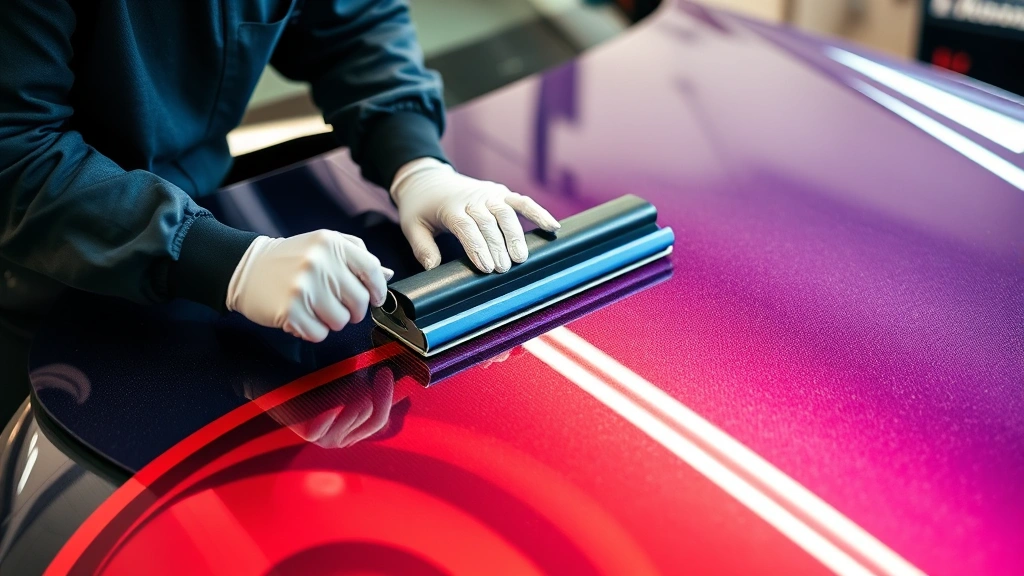
How Much Does It Cost to Wrap Your Car? Expert Guide
How Much Does It Cost to Wrap Your Car? Expert Guide
Your car’s exterior is the first thing people notice. Whether you’re looking to refresh your vehicle’s appearance, protect its original paint, or make a bold statement on the road, a car wrap offers a versatile and increasingly popular solution. But before you commit to this transformation, you’re probably wondering about the financial investment involved. The answer isn’t as straightforward as you might hope, because several factors influence the final price tag.
Car wraps have evolved from a niche customization option into a mainstream choice for vehicle owners who want flexibility without the permanence of a fresh paint job. Some people wrap their cars for aesthetic reasons, others for business branding, and many appreciate the protective benefits that come with it. Understanding the cost breakdown helps you make an informed decision and avoid surprises when you get quotes from local installers.
This comprehensive guide walks you through everything that affects pricing, from material quality to installation complexity, so you can budget accurately for your project.
What Factors Affect Car Wrap Costs
The price of wrapping your car depends on multiple variables that work together to determine your final bill. Understanding each component helps you compare quotes and identify where you might have flexibility in your budget.
Vehicle Size and Coverage plays the most obvious role. A compact sedan costs significantly less to wrap than a full-size SUV or truck, simply because there’s less surface area to cover. If you’re only wrapping specific sections—like the hood, roof, or doors—you’ll pay less than a complete wrap. Most professionals charge per square foot, so a Honda Civic and a Ford F-150 will have dramatically different price points.
Vinyl Quality matters tremendously. Budget vinyl wraps start around $2-3 per square foot, while premium brands like 3M or Avery Dennison command $4-8 per square foot. The difference isn’t just about durability; premium vinyl offers better color vibrancy, easier installation, superior UV protection, and longer lifespan. Think of it like comparing house paint—the cheapest option might look good initially but won’t age as gracefully.
Design Complexity significantly impacts labor costs. A simple solid color wrap takes far less time than intricate graphics, custom artwork, or multi-color designs. If your design requires precise cutting around windows, door handles, or body contours, installers charge more because it demands greater skill and attention to detail. Some shops charge hourly labor rates ranging from $50-150 depending on experience level and location.
Surface Preparation requirements can add to your total cost. Your car’s paint needs thorough cleaning, and any existing damage, dents, or rust must be addressed before wrapping. Some installers include basic prep in their quote, while others charge separately. If your vehicle needs significant bodywork beforehand, that’s an additional expense to factor in.
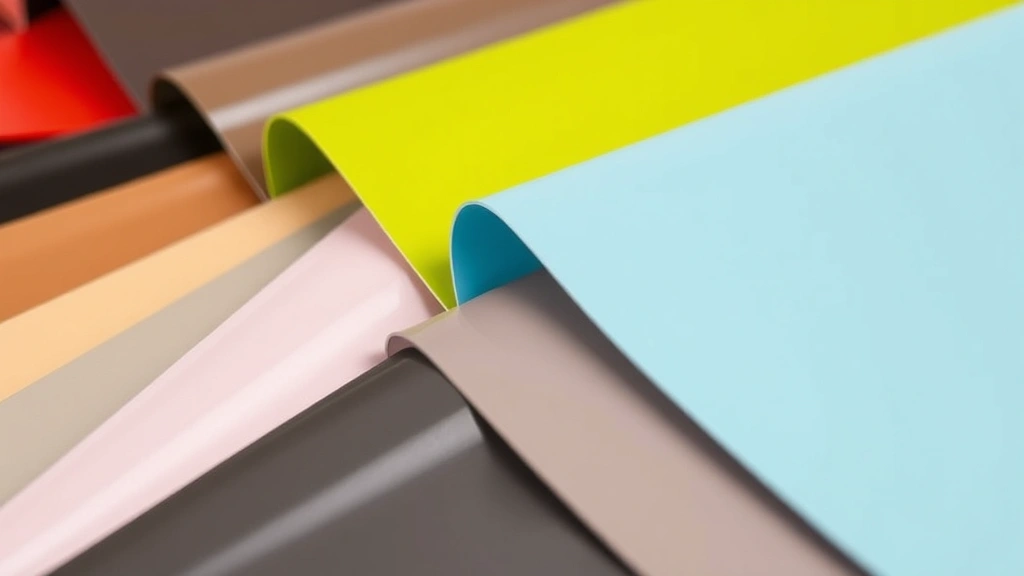
Types of Car Wraps and Their Prices
Not all car wraps are created equal. The type you choose dramatically affects both cost and final appearance.
Full Wraps cover your entire vehicle from bumper to bumper. This is the most expensive option, typically ranging from $2,500-$5,000 for an average sedan using mid-range vinyl, or $5,000-$15,000 with premium materials and complex designs. Full wraps offer maximum impact and protection but require the most material and labor.
Partial Wraps cover specific sections of your vehicle. Common partial wrap configurations include hood and roof wraps (around $800-$1,500), side wraps (approximately $1,000-$2,000), or rear quarter panels ($600-$1,200). Partial wraps let you make a statement without the full investment, and they’re perfect if you want to preserve your original paint on certain sections or test a design before committing to full coverage.
Custom Graphics and Paint Protection wraps serve different purposes. Paint protection film wraps focus on durability and longevity, often costing $1,500-$3,000 for full coverage. Custom graphic wraps designed specifically for business branding or personal expression can range from $2,000-$8,000 depending on design intricacy and the designer’s fees if you hire someone to create original artwork.
When considering how much it costs to wrap a car, remember that the type directly correlates with your intended outcome. A business owner wanting maximum visibility might justify a full wrap investment, while a car enthusiast wanting a subtle accent might prefer a partial approach.
Professional Installation vs. DIY
This decision involves more than just cost—it’s about quality and long-term satisfaction.
Professional Installation runs $1,500-$6,000 or more depending on the factors mentioned above. Professional installers bring expertise, specialized equipment, and accountability. They know how to handle complex curves, cut precise patterns, and ensure bubbles and wrinkles don’t compromise the final product. If something goes wrong, most reputable shops warrant their work. For most people, professional installation is the sensible choice because a poorly installed wrap looks amateur and deteriorates quickly.
DIY Installation might seem budget-friendly until you consider the learning curve. Materials cost $500-$2,000 depending on quality and coverage, but you’ll also need to invest in application tools—squeegees, heat guns, cutting tools—adding another $200-$500 to your startup costs. The real expense is your time and the risk of costly mistakes. Improper installation leads to peeling edges, visible seams, and trapped moisture that damages your paint. Most DIY attempts result in either a complete redo or learning to live with visible imperfections.
If you’re mechanically inclined and have patience, knowing how to disconnect your car battery and handle detailed prep work helps, but wrapping is genuinely different from other DIY projects. The margin for error is unforgiving, and vinyl doesn’t forgive sloppy technique. Unless you’re an experienced automotive customizer, professional installation is worth the investment.
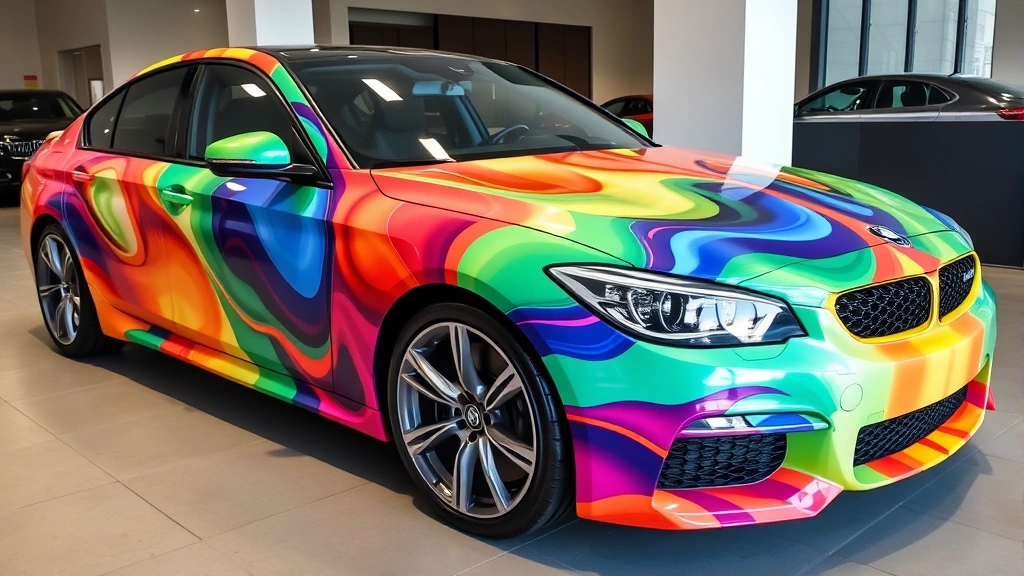
Maintenance and Longevity Costs
Your wrap’s lifespan depends on material quality, installation quality, and how you care for it. This affects your true cost of ownership.
Budget vinyl wraps typically last 3-5 years before fading, peeling, or cracking becomes problematic. Mid-range vinyl holds up for 5-7 years with proper care. Premium vinyl can last 7-10 years or longer. These timelines assume your vehicle spends time outdoors and you practice basic maintenance.
Maintenance Requirements are minimal but important. Hand wash your wrapped vehicle with mild soap and water—never use aggressive scrubbing or pressure washers. Avoid automatic car washes with brushes, as they can catch wrap edges and cause peeling. Wax isn’t necessary and can actually cause adhesion problems. Proper washing costs nothing beyond your time, but neglect accelerates deterioration. If you live in harsh climates with intense sun, salt air, or extreme temperature swings, your wrap ages faster.
Repair Costs emerge when damage occurs. Small tears or peeling edges might cost $50-$200 to repair depending on location and severity. Damage affecting large sections might require replacing an entire panel (hood, door, etc.) at $300-$800. These aren’t guaranteed expenses, but they’re worth considering when calculating long-term costs.
Regional Pricing Variations
Where you live significantly impacts wrap pricing. Major metropolitan areas typically charge more than rural regions. A full wrap in Los Angeles or New York City might run $4,500-$6,500, while the same vehicle wrapped in a smaller Midwest city could cost $2,500-$3,500. Cost of living, shop overhead, and local competition all factor into pricing.
Urban shops with high overhead and strong reputations charge premium prices. Rural installers with lower operating costs offer better deals but might have longer wait times or less design sophistication. Your best approach is getting quotes from multiple local shops rather than assuming national averages apply to your situation. A detailed cost breakdown for car wrapping from local professionals is far more reliable than generic pricing guides.
Some regions have thriving car customization communities with abundant shops competing on price and quality. Other areas have limited options, which reduces competition and potentially increases pricing. If you’re in a remote location, you might need to travel to a larger city for professional installation, which adds travel time and logistics considerations.
Removal and Aftercare Expenses
Eventually, you’ll want to remove or replace your wrap. Understanding removal costs and aftercare helps with long-term planning.
Professional Removal typically costs $500-$1,500 depending on how well the wrap adheres and how long it’s been installed. Older wraps that have been on for years sometimes require more careful removal to avoid damaging the underlying paint. Some shops include removal in their warranty, while others charge separately. Always ask about removal policies when getting initial quotes.
Paint Inspection After Removal is crucial. Once your wrap comes off, you’ll discover how well your original paint held up underneath. Minor imperfections might need touch-up paint ($50-$200), while more significant issues could require professional detailing or paint correction ($300-$1,000). This is one reason investing in quality installation matters—professional installers are more careful about paint protection during the wrapping process.
Replacement vs. Removal is a strategic decision. If you want a new wrap design, sometimes it’s cheaper to wrap over the existing wrap than to remove it first. Your installer can advise whether this is feasible for your specific situation. However, wrapping over an old wrap reduces adhesion quality and might not last as long, so this is a short-term cost-saving measure rather than a long-term solution.
Consider that regular vehicle maintenance like tire rotation should continue regardless of your wrap, so factor ongoing maintenance costs into your overall car ownership budget. A wrap doesn’t eliminate other expenses—it’s an additional consideration.
Storage and Climate Control during winter months or harsh seasons can extend wrap life. If you have garage space, parking your wrapped vehicle indoors protects it from UV exposure and extreme weather. This isn’t an additional cost for most people who already park in garages, but it’s worth considering if you’re deciding between garage and outdoor parking.
Frequently Asked Questions
How much does a basic car wrap cost?
A basic partial wrap typically costs $1,000-$2,000, while a simple full wrap using budget vinyl runs $2,500-$3,500. These prices assume straightforward design and average vehicle size with minimal surface preparation needed.
Is a car wrap cheaper than repainting?
Yes, significantly. A quality paint job costs $3,000-$10,000 or more, while wrapping typically runs $2,500-$5,000 for comparable coverage. Wrapping also offers the advantage of being temporary and reversible, whereas paint is permanent.
How long do car wraps last?
Quality wraps last 5-10 years depending on material grade and climate conditions. Budget vinyl lasts 3-5 years, mid-range vinyl 5-7 years, and premium vinyl 7-10+ years. Proper maintenance and garage storage extend lifespan significantly.
Can I get a car wrap with a payment plan?
Many professional shops offer payment plans or financing options, especially for larger projects. Ask about payment flexibility when requesting quotes. Some accept credit cards with promotional financing periods, while others partner with financing companies.
What’s included in the wrap installation cost?
Most quotes include vinyl material, labor, and basic surface preparation. Some shops include removal of protective film or initial maintenance instructions. Clarify what’s included before committing, as some shops charge separately for design consultation, complex prep work, or warranty coverage.
Does a wrap protect my car’s paint?
Yes, wraps provide UV protection and shield paint from minor scratches and road debris. However, they don’t protect against major impacts or extreme damage. Think of it as a protective layer rather than armor plating.
Can I wrap my car myself?
Technically yes, but practically it’s challenging. DIY wrapping requires significant skill, patience, and proper tools. Most amateur attempts result in visible bubbles, wrinkles, or poor seam placement. Unless you have prior experience with vinyl application, professional installation is recommended.
What’s the difference between a wrap and a paint job?
Wraps are temporary, reversible, and typically cheaper. Paint jobs are permanent and offer unlimited design possibilities but cost more and take longer. Wraps work better for changing appearance frequently, while paint suits those wanting a lasting color change.

Related Posts

How Long to Boil Lobster Tails: Cooking Guide

How Long to Fly from New York to London? Travel Times
