
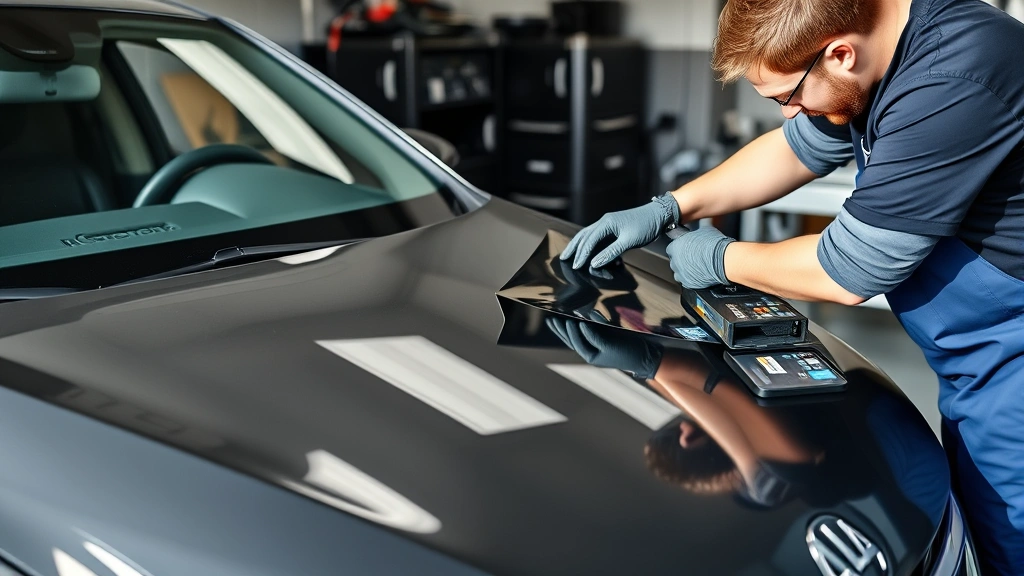
How Much Does Car Wrapping Cost? Expert Guide
How Much Does Car Wrapping Cost? Expert Guide to Pricing and Value
Car wrapping has evolved from a niche customization option into a mainstream way to transform your vehicle’s appearance without the commitment of a permanent paint job. Whether you’re looking to rebrand a business vehicle, protect your car’s original paint, or simply give your ride a fresh aesthetic, understanding the true cost of car wrapping is essential before diving in.
The price tag on a professional car wrap isn’t as straightforward as you might think. It depends on numerous factors—from the size and condition of your vehicle to the complexity of the design and the quality of materials used. In this comprehensive guide, we’ll break down exactly what influences pricing, what you can expect to pay, and whether the investment makes sense for your situation.
Beyond just the financial aspect, we’ll explore how car wrapping compares to traditional paint jobs, discuss the longevity of wraps, and provide insider tips on maximizing your investment. If you’re serious about giving your car a stunning new look while keeping your original paint pristine, this guide will answer every question you have.
Average Car Wrap Costs by Vehicle Type
When asking “how much does it cost to wrap your car,” the answer typically ranges from $1,500 to $5,000 for a full wrap on a standard sedan. However, this baseline shifts considerably depending on your vehicle’s size and complexity.
Compact cars and sedans usually fall on the lower end, averaging $1,500 to $3,000 for a complete wrap. These vehicles have less surface area and fewer complex curves, making them quicker and easier for installers to work with.
SUVs and crossovers typically cost between $3,000 and $4,500 due to their increased surface area and more challenging geometry. The additional vinyl material and labor time required push prices higher than sedans.
Trucks and larger vehicles can range from $4,000 to $5,500 or more. Full-size pickup trucks, in particular, present significant installation challenges due to their expansive surfaces and multiple angles.
Luxury and exotic vehicles often exceed $6,000 because they demand specialized expertise and premium materials. High-end brands frequently have complex body lines and custom curves that require experienced installers.
Partial wraps—covering just the hood, roof, or doors—typically cost $300 to $1,500, making them an excellent entry point if you’re budget-conscious or want to test the concept before committing to a full wrap.
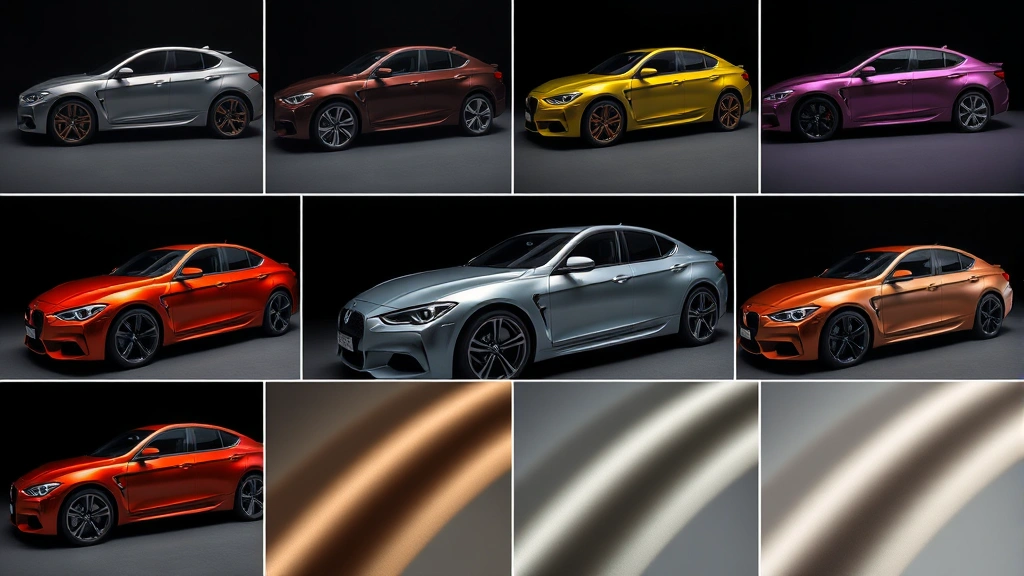
Key Factors That Influence Wrap Pricing
Understanding what drives car wrap costs helps you make informed decisions and avoid surprises when getting quotes. Several interconnected factors determine your final bill.
Vehicle condition and preparation plays a surprisingly significant role. A car with dents, rust spots, or damaged clear coat requires extensive prep work before the wrap can be applied. Professional installers often charge $200 to $500 extra for vehicles needing significant surface preparation. Think of it like preparing a wall before painting—the better the foundation, the better the result.
Design complexity dramatically impacts pricing. A simple solid color wrap costs far less than a custom design featuring gradients, cut-outs, or photorealistic graphics. Custom designs require design consultation, digital mockups, and precision cutting, all of which add labor costs. If you’re using a professional design service, expect to pay an additional $300 to $1,000 for custom artwork.
Vinyl material quality represents one of the most significant cost variables. Premium vinyl brands like 3M, Avery Dennison, and HEXIS offer superior durability, color retention, and warranty coverage compared to budget alternatives. The difference between budget and premium vinyl can add $500 to $1,500 to your total cost, but the longevity often justifies the investment.
Geographic location affects labor rates substantially. Urban areas with higher cost-of-living typically charge 20-40% more than rural regions. A wrap that costs $2,500 in a small town might run $3,500 in a major metropolitan area.
Installation difficulty varies based on your specific vehicle model. Cars with straightforward body lines install faster than those with complex curves, deep body lines, or multiple angles. Sports cars and vehicles with aggressive styling often cost more to wrap due to these challenges.
Rush orders incur premium fees. If you need your wrap completed urgently, installers often charge 25-50% surcharges to accommodate expedited timelines.
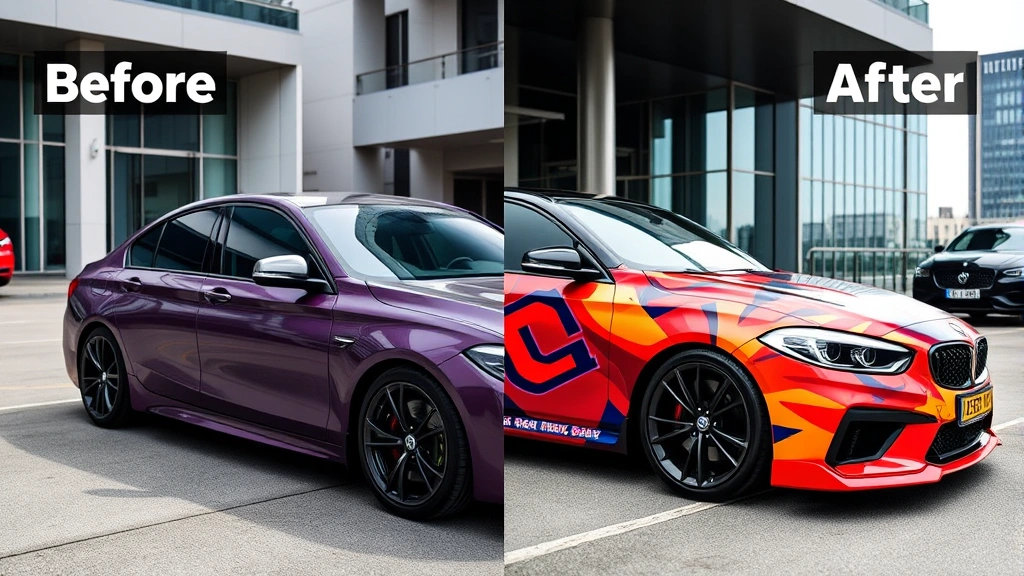
Different Wrap Types and Their Price Range
Not all car wraps are created equal. Understanding the various types available helps you choose the right option for your needs and budget.
Matte finish wraps cost approximately $2,000 to $4,000 for a full vehicle. This popular option provides a sophisticated, modern appearance that doesn’t show fingerprints or dust as readily as glossy finishes. The understated elegance appeals to professionals and enthusiasts alike.
Gloss finish wraps typically range from $2,000 to $3,500 and deliver that showroom shine people love. The vibrant, reflective quality makes colors pop, though these wraps require more careful maintenance to keep them looking pristine.
Metallic and chrome wraps command premium prices, usually $3,500 to $5,500 for full coverage. These eye-catching options use special effects vinyl that creates stunning visual depth and catches light uniquely. The premium materials and complex installation process justify the higher cost.
Satin finish wraps fall in the mid-range at $2,500 to $4,000, offering a sophisticated compromise between matte and gloss. This finish provides subtle sheen while maintaining elegance and minimizing maintenance needs.
Textured wraps (carbon fiber, brushed metal, leather) range from $2,800 to $4,500. These specialty finishes add tactile dimension and premium appeal, though they’re more challenging to install and maintain.
Color-shifting wraps represent the premium tier, costing $4,000 to $6,000 or more. These high-tech vinyl products change color depending on viewing angle and lighting conditions, creating truly show-stopping results.
When considering your options, remember that the actual cost to wrap a car extends beyond material selection into installation expertise and long-term durability considerations.
DIY vs. Professional Installation
The temptation to save money by wrapping your car yourself is understandable, but this approach carries significant risks worth carefully considering.
Professional installation costs typically represent 40-50% of your total wrap expense. A $3,000 full wrap might break down to $1,500 in materials and $1,500 in labor. This labor investment ensures proper application, warranty coverage, and professional-quality results.
DIY wrapping challenges include air bubble removal, precise cutting around complex curves, and maintaining proper tension during application. Even experienced DIYers often struggle with door handles, mirrors, and curved body panels. One mistake can waste hundreds of dollars in vinyl material.
Tools and equipment required for proper installation add up quickly. You’ll need heat guns, precision cutting tools, squeegees, and cleaning supplies—often totaling $200 to $400 if you don’t already own them. Professional shops amortize these costs across numerous projects, but home DIYers absorb the full expense for a single vehicle.
Warranty considerations matter significantly. Professional installers typically guarantee their work for 3-5 years, protecting you against peeling, fading, or adhesion failure. DIY installations come with no warranty, leaving you responsible for any issues that arise.
Time investment shouldn’t be overlooked. Professional installation takes 1-3 days depending on complexity. DIY wrapping typically requires 5-10+ days of dedicated work, and rushed jobs often produce subpar results.
If you’re handy with projects like rotating tires regularly or basic vehicle maintenance, you might consider attempting a partial wrap on a simple vehicle. However, full wraps on complex vehicles are best left to professionals.
Long-Term Maintenance and Care Costs
Understanding the complete cost picture requires factoring in ongoing maintenance expenses throughout your wrap’s lifespan.
Cleaning and care supplies represent minimal ongoing costs. You’ll need pH-neutral car wash soap and soft microfiber cloths—typically $20 to $40 initially, with minimal replacement costs. Avoid harsh chemicals, abrasive scrubbers, and high-pressure washers that can damage the vinyl.
Protective coatings are optional but recommended. Ceramic coatings designed for vinyl wraps cost $150 to $400 and provide additional UV protection and hydrophobic properties, extending your wrap’s life and maintaining its appearance longer.
Touch-up and repair costs occasionally arise. Minor scratches or small peeling areas can be patched for $50 to $200. Larger damage affecting multiple panels might require a $300 to $800 repair. Most professional shops offer these services at reasonable rates.
Removal and replacement when your wrap reaches end-of-life typically costs $500 to $1,500 depending on the wrap’s condition and your vehicle’s size. Properly applied wraps remove cleanly without damaging paint, but the labor-intensive process commands fair pricing.
Paint protection underneath becomes relevant if you’re wrapping a vehicle to protect its original paint. While this doesn’t directly add maintenance costs, understanding that your original paint remains protected can justify the wrap investment, especially if you’re concerned about preserving resale value.
Car Wrap vs. Paint Job: Cost Comparison
Many vehicle owners wonder whether wrapping or repainting makes more financial sense. The answer depends on your priorities and timeline.
Professional paint job costs range from $3,000 to $10,000+ depending on quality level. A basic single-color repaint costs $3,000 to $5,000, while premium multi-layer finishes with clear coat protection run $8,000 to $15,000. High-end custom paint jobs can exceed $20,000.
Paint durability typically exceeds wrap longevity. Quality paint jobs last 10-15 years or longer with proper care, while wraps typically last 5-7 years. However, paint can chip, fade, and requires ongoing maintenance like waxing.
Reversibility factor strongly favors wraps. Paint is permanent, while wraps can be removed to reveal your original paint. If you like changing your vehicle’s appearance or plan to sell, wraps offer flexibility paint cannot match.
Customization options are vastly superior with wraps. You can achieve photorealistic graphics, complex patterns, and color-shifting effects with wraps that would be exponentially more expensive with custom paint. Changing your wrap’s design is also far easier than repainting.
Timeline considerations matter for business applications. A paint job requires days or weeks of curing time and vehicle downtime. A professional wrap installation typically takes 1-3 days, getting your vehicle back on the road quickly.
Resale value impact differs between options. A high-quality paint job can enhance resale value by preserving or improving the vehicle’s appearance. A wrap’s impact depends on buyer preferences—some appreciate the protection of original paint, while others prefer a vehicle in its factory state.
For most vehicle owners, maintaining your vehicle properly with a professional wrap offers better value than expensive custom paint, especially if you value flexibility and reversibility.
Business owners benefit significantly from wraps’ marketing value. A vehicle wrap functions as mobile advertising, and the cost-per-impression often justifies the investment compared to traditional advertising methods combined with a paint job.
Frequently Asked Questions
How long does a car wrap typically last?
Quality vinyl wraps usually last 5-7 years with proper care and maintenance. Premium vinyl from brands like 3M and Avery Dennison often extends toward the upper end of this range. Factors like climate, sun exposure, and how frequently you wash your vehicle influence longevity. Vehicles parked in shaded areas or garages consistently outlast those exposed to harsh UV rays and weather.
Can I wrap a car with existing paint damage or rust?
Professional installers can work with minor imperfections, though significant damage requires repair first. Rust, deep dents, and paint chips need addressing before wrapping, as the vinyl won’t adhere properly to compromised surfaces. Budget an additional $200 to $800 for surface preparation if your vehicle requires extensive prep work.
Will a car wrap damage my original paint?
When properly applied and removed by professionals, wraps don’t damage original paint. The adhesive is designed to stick firmly but release cleanly. However, improper removal or low-quality vinyl can potentially cause issues. This is another reason choosing experienced installers matters—they understand proper application and removal techniques.
Can I wash my car normally with a wrap?
Yes, but with some precautions. Use hand washing with pH-neutral soap and soft cloths rather than automated car washes with harsh brushes. Avoid high-pressure washers directed at wrap edges, as they can force water underneath. Most wrap damage from washing stems from aggressive techniques, so gentle care preserves your investment.
What’s the difference between a wrap and a paint protection film?
Paint protection film (PPF) is transparent and designed to protect original paint from damage. Wraps are opaque vinyl designed for aesthetic transformation. PPF typically costs $800 to $2,500 for full coverage, while wraps cost $2,000 to $5,000. Some vehicle owners use both—PPF on high-impact areas like the hood and front bumper, plus a wrap for aesthetic appeal.
Can wraps be applied to leased vehicles?
This depends on your lease agreement. Most leasing companies prohibit permanent modifications, but removable wraps are often acceptable. Always check with your leasing company before proceeding. The removability of wraps makes them ideal for leased vehicles compared to paint modifications.
How do I find a reputable car wrap installer?
Research local installers through online reviews, portfolio examination, and warranty offerings. Reputable shops provide references, show previous work, and offer written warranties on their installations. Request quotes from multiple installers—typically 3-5—to compare pricing and services. The cheapest option isn’t always the best; installer experience and quality standards matter tremendously.
Is there a best time of year to wrap a car?
Spring and fall typically offer ideal conditions for wrap installation. Temperatures between 50-85°F provide optimal adhesive performance. Winter installations in cold climates can be problematic, as cold reduces vinyl flexibility and adhesive effectiveness. Summer heat can be manageable but requires careful timing to avoid excessive ambient temperatures during installation.
Can I partially wrap my car to save money?
Absolutely. Partial wraps covering specific areas like the hood, roof, or side panels cost $300 to $1,500 and provide significant visual impact at reduced expense. Many vehicle owners start with partial wraps to test the concept before committing to full coverage.
How much does wrap removal cost?
Professional removal typically costs $500 to $1,500 depending on your vehicle’s size and the wrap’s condition. Properly applied wraps remove cleanly without damaging paint. Some installers include removal in their warranty or offer discounts if you’re replacing an old wrap with a new one.
Beyond aesthetic customization, maintaining your vehicle comprehensively—like changing transmission fluid on schedule—ensures your investment in a wrap protects a well-maintained vehicle.
For comprehensive information on vehicle customization and professional installation standards, consult resources like Family Handyman’s car wrapping guide, which provides additional perspective on DIY considerations and professional techniques. Additionally, This Old House offers broader home and vehicle improvement insights, while Home Depot’s paint and protective coating section provides information on surface preparation and protection products relevant to vehicle maintenance. For manufacturer specifications and vinyl care instructions, consult 3M’s official vehicle wrap documentation to ensure proper maintenance of premium vinyl products.

Related Posts

How Long to Boil Lobster Tails: Cooking Guide
How Long to Fly from New York to London? Travel Times
