
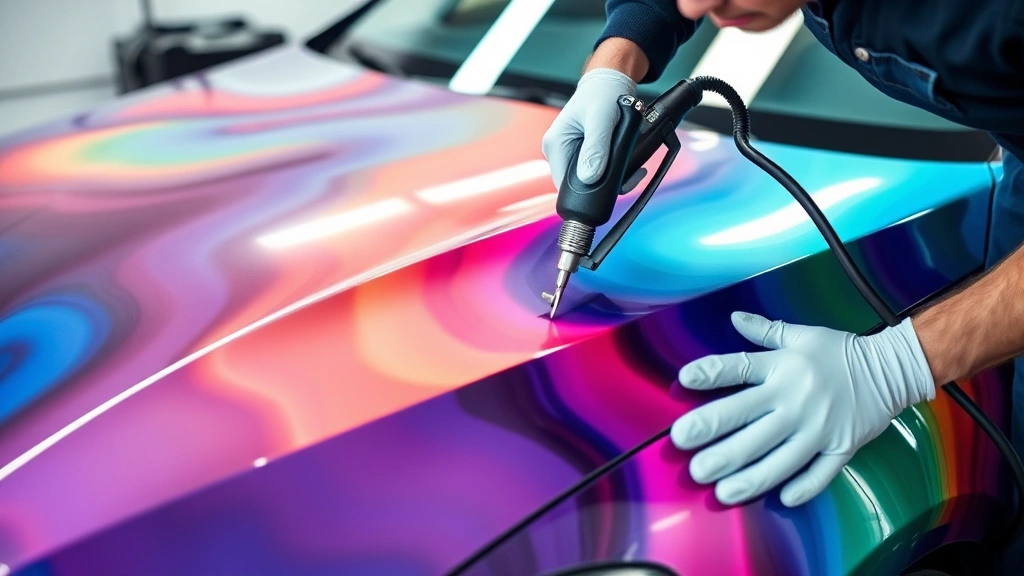
How Much Does It Cost to Wrap a Car? Expert Guide
How Much Does It Cost to Wrap a Car? Expert Guide to Pricing and ROI
Car wraps have evolved from a niche customization trend into a mainstream way to transform your vehicle’s appearance without the permanent commitment of a fresh paint job. Whether you’re looking to rebrand a business vehicle, protect your car’s original finish, or simply express your personal style, understanding the true cost of a car wrap is essential before you dive in.
The price of wrapping a car isn’t as straightforward as you might think. It depends on numerous factors—from the quality of the vinyl material to the complexity of your design and the expertise of the installer. We’ve put together this comprehensive guide to help you navigate the pricing landscape and make an informed decision about whether a car wrap makes sense for your situation.
Think of a car wrap as the middle ground between a full paint job and a quick cosmetic fix. It’s more affordable than repainting, more durable than most aftermarket decals, and infinitely more customizable than factory colors. But before you commit your budget, let’s break down exactly what you’re paying for.
Understanding the Cost Breakdown
A typical full car wrap in the United States costs between $2,500 and $5,500 for a standard sedan or compact vehicle. However, this is just the headline number. What you’re actually paying for breaks down into several distinct components.
The vinyl material itself usually accounts for 20-30% of the total cost. Premium-grade wrap vinyl from manufacturers like 3M or Avery Dennison costs more than budget alternatives, but the difference in durability and appearance is significant. Labor typically represents 50-70% of your final bill, which makes sense when you consider that professional installation requires 20-40 hours of meticulous work depending on vehicle complexity.
Additional costs include design fees (if you’re not providing pre-made artwork), surface preparation, and removal of any existing decals or trim. Many shops also charge for color-matching or special effects like metallic finishes or carbon fiber textures, which can add $500-$1,500 to your total.
When you’re budgeting for a wrap, don’t forget to factor in the cost of vehicle maintenance before installation. You might want to check your engine oil and ensure your vehicle is in good condition, as a wrap won’t hide mechanical issues. Similarly, regular maintenance like rotating your tires should be done before the wrap goes on.
Key Factors Affecting Wrap Pricing
Vehicle Size and Complexity
A compact car requires significantly less vinyl than an SUV or truck. A Tesla Model 3 might cost $2,500-$3,500 to wrap, while a full-size pickup truck could easily run $4,500-$6,500. Vehicles with complex body lines, multiple curves, and hard-to-wrap areas like door handles and trim pieces require more skilled labor, which increases the price.
Luxury vehicles and sports cars often cost more because installers need specialized knowledge to work around carbon fiber accents, sensor systems, or unique design elements. A BMW M4 or Mercedes-AMG wrap requires a different level of expertise than wrapping a Honda Civic.
Wrap Coverage Percentage
You don’t have to wrap your entire vehicle. Partial wraps covering just the hood, roof, or side panels cost significantly less—typically $800-$2,500 depending on the coverage area. A half wrap (usually the lower half of the vehicle) runs $1,500-$3,000. Full wraps obviously command the highest price but offer the most dramatic transformation.
Design Complexity and Customization
A single solid color wrap is the most affordable option. Custom designs with multiple colors, gradients, or intricate graphics increase the cost. If you’re creating a unique design from scratch, expect to pay $300-$1,500 in design fees alone. Pre-made designs or simple color changes cost less because they require minimal design work.
Vinyl Quality and Type
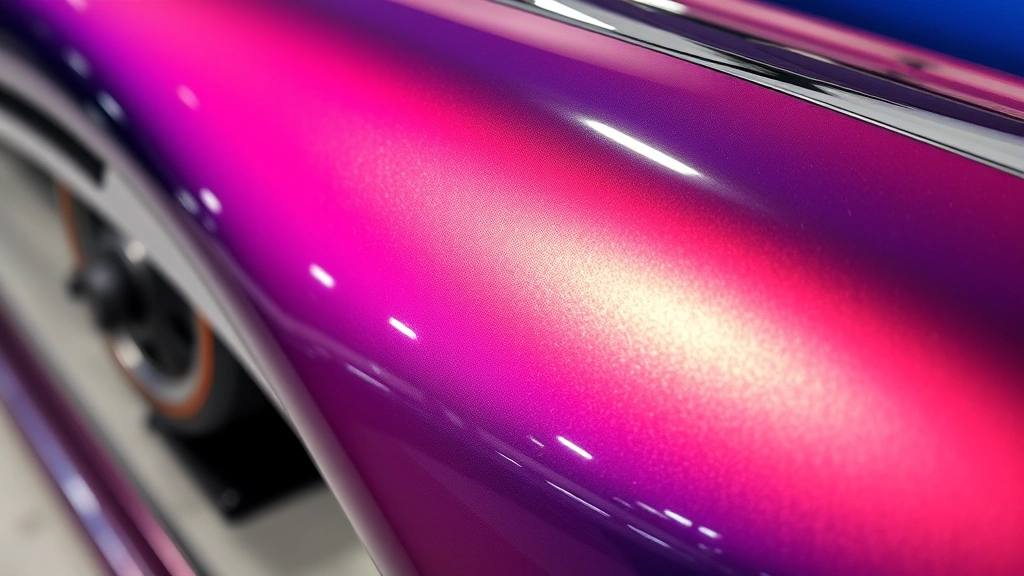
Budget vinyl wraps ($0.50-$1.00 per square foot) might last 3-5 years, while premium vinyl ($1.50-$3.00 per square foot) can last 7-10 years. The difference in cost for a full wrap might be $500-$1,500, but you’re investing in longevity and better color retention. Specialty vinyls like chrome, matte, satin, or textured finishes cost more than standard gloss finishes.
Geographic Location and Shop Reputation
Wrap prices vary significantly by region. Urban areas with high cost of living typically charge more than rural locations. A wrap that costs $3,000 in a major metropolitan area might run $2,000-$2,500 in a smaller city. Established shops with excellent reputations and extensive portfolios command premium prices, but they often deliver superior results and warranty protection.
Types of Car Wraps and Their Costs
Full Wraps
Full vehicle wraps cover the entire exterior surface and represent the most common type. For a standard sedan, expect to pay $2,500-$5,500. This includes coverage of the hood, roof, doors, side panels, bumpers, and trim pieces. Full wraps offer maximum visual impact and complete protection of your original paint.
Partial Wraps
Partial wraps are economical alternatives that cover specific sections of your vehicle. A hood and roof wrap might cost $600-$1,200. Door panel wraps typically run $300-$700 per door. These options are perfect if you’re working with a limited budget or want to highlight specific areas of your vehicle.
Specialty Wraps
Racing stripes, accent wraps, and geometric designs fall into this category. Costs vary widely depending on coverage and complexity, ranging from $400-$3,000. These wraps add personality without breaking the bank and are increasingly popular among enthusiasts.
Commercial Fleet Wraps
Businesses wrapping multiple vehicles often negotiate bulk discounts. A single fleet vehicle might cost $2,000-$4,000, but wrapping 10-20 vehicles could reduce the per-vehicle cost by 15-25%. This is where understanding service industry pricing practices becomes relevant—volume discounts are standard in the wrap industry.

DIY vs. Professional Installation
Professional Installation Benefits
Professional installers bring specialized equipment, years of experience, and warranty protection. They know how to work around complex body panels, avoid air bubbles, and ensure seams are virtually invisible. A professional wrap typically lasts 7-10 years with proper care, while a poorly installed DIY wrap might fail in 2-3 years.
Professional shops also handle the prep work correctly. They’ll properly clean the vehicle surface, remove protective films from sensors, and take precautions with components like disconnecting your car battery if necessary around electrical systems. This attention to detail protects your vehicle during the installation process.
DIY Wrapping Considerations
If you’re experienced with vinyl application, DIY wrapping can save significant money. Materials for a full wrap might cost $800-$1,500, representing a 60-70% savings compared to professional installation. However, this assumes you have proper tools (heat gun, squeegee, cutting tools), a clean workspace, and realistic expectations about your results.
DIY wraps are prone to bubbles, creases, and improper seams if you lack experience. Mistakes with expensive vinyl are costly—you might need to purchase replacement material and start over. Many people find that the learning curve isn’t worth the risk, especially on vehicles they care about.
Hybrid Approach
Some people opt for a middle ground: purchasing premium vinyl and hiring professionals for complex areas while handling simpler sections themselves. This hybrid approach can reduce costs by 20-30% while ensuring critical areas receive professional attention.
Maintenance and Long-Term Costs
Car wrap maintenance is straightforward but essential for longevity. Regular hand washing with mild soap and water costs nothing but time. Avoid high-pressure washers, which can damage vinyl seams. Most wrap owners spend minimal time on maintenance beyond standard car care.
Protective coatings can extend wrap life by 2-3 years. A clear protective layer costs $200-$500 but adds significant durability, especially if your vehicle is parked outdoors. Consider this investment if you live in a harsh climate with intense UV exposure.
If your wrap needs repairs, a small damaged section typically costs $200-$500 to fix. Full replacement of a section might run $800-$1,500. These costs are still significantly lower than repainting, which is why wraps are so appealing for protection.
Before investing in a wrap, ensure your vehicle is properly maintained. You should regularly check your transmission fluid and perform other routine maintenance to ensure your vehicle’s value is protected underneath that beautiful new wrap.
ROI and Business Benefits
Business Vehicle Advertising
For business owners, a vehicle wrap is essentially mobile advertising. A commercial wrap costs $3,000-$5,000 but generates thousands of impressions monthly. Studies show vehicle wraps reach approximately 70,000 people per day, making the cost-per-impression remarkably affordable compared to traditional advertising.
If your wrap generates just 2-3 new customers monthly, it pays for itself within a year. Many service-based businesses (plumbers, contractors, electricians) see ROI within 6-12 months through increased customer inquiries directly referencing the wrapped vehicle.
Paint Protection Value
A quality wrap protects your original paint from UV damage, road salt, and minor abrasions. If you plan to sell your vehicle later, this protection preserves resale value. A well-maintained paint job can add $500-$2,000 to your vehicle’s value, which partially offsets wrap costs.
Personal Branding and Resale
For enthusiasts and collectors, a custom wrap adds personality without permanent modification. When you’re ready to sell, you can remove the wrap and restore the original paint, maintaining maximum resale value. This flexibility is a significant advantage over permanent paint modifications.
Frequently Asked Questions
How long does a car wrap typically last?
A quality professional wrap lasts 7-10 years with proper maintenance. Budget vinyl wraps might last 3-5 years, while premium vinyl from brands like 3M or Avery Dennison often reaches the 10-year mark. Lifespan depends on climate, UV exposure, and how well you maintain the wrap.
Can I remove a car wrap without damaging the paint?
Yes, professional removal rarely damages factory paint when done correctly. The wrap adhesive is designed to peel cleanly. However, improper removal or wraps left on too long (15+ years) might cause adhesive residue. Professional removal costs $500-$1,500 depending on vehicle size.
What’s the difference between matte and gloss wraps?
Gloss wraps have a shiny, reflective finish similar to painted cars. Matte wraps have a flat, non-reflective appearance. Matte finishes cost 10-15% more and require slightly different care (avoid waxing). Both are durable; the choice is purely aesthetic.
Can I wash my wrapped car immediately after installation?
Most shops recommend waiting 24-48 hours before washing to allow adhesive to fully set. After that period, gentle hand washing is fine. Avoid high-pressure washers and automatic car washes, which can damage seams and edges.
Is a wrap cheaper than a full paint job?
Generally, yes. A quality paint job costs $3,500-$8,000 or more, while wraps typically run $2,500-$5,500. Wraps also offer advantages like easier removal and better paint protection. However, wraps require more maintenance than paint and don’t last as long.
Can you wrap a damaged or rusty vehicle?
A wrap won’t hide significant damage, rust, or dents. The vinyl will conform to surface imperfections and may fail prematurely. Professional installers require vehicles to be in good condition before wrapping. Minor paint imperfections are acceptable, but rust and damage must be addressed first.
What warranty do wrap shops typically offer?
Reputable shops offer 3-5 year warranties covering installation defects, peeling, and fading. Some premium installers offer longer warranties. Always get warranty details in writing before committing to a wrap.
Can I apply a wrap over existing decals or paint protection film?
It’s not recommended. Wraps adhere best to clean, bare paint. Existing films or decals can cause adhesion problems and premature failure. Most professionals will remove them before installation, which might add $200-$500 to your bill.

Related Posts

How Long to Boil Lobster Tails: Cooking Guide
How Long to Fly from New York to London? Travel Times
