
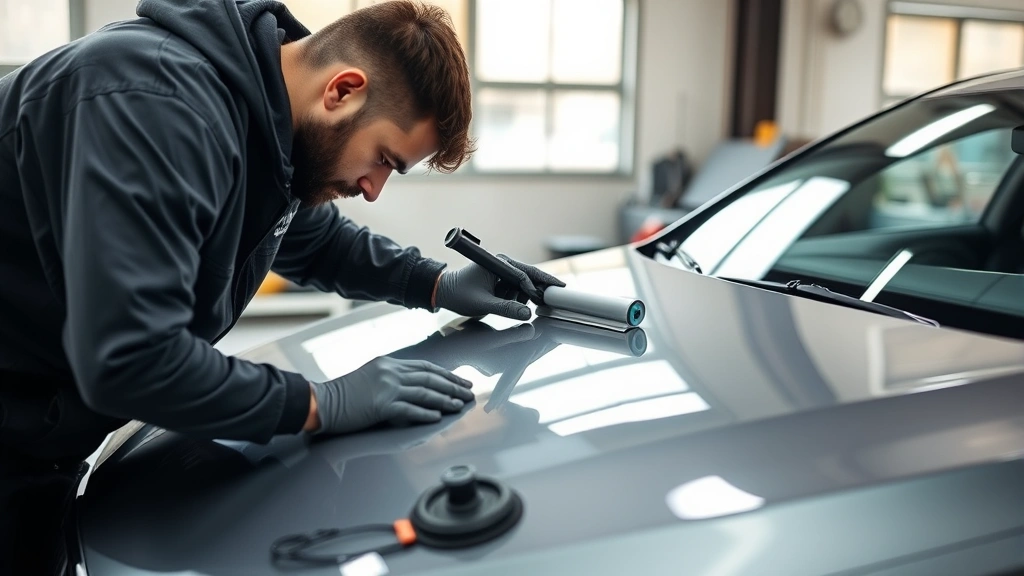
How Much Does It Cost to Wrap a Car? Expert Guide
How Much Does It Cost to Wrap a Car? Expert Guide
Car wraps have become the go-to solution for anyone wanting to transform their vehicle’s appearance without committing to a permanent paint job. Whether you’re looking to rebrand a business vehicle, protect your car’s original paint, or simply give your ride a fresh aesthetic, understanding the true cost of a car wrap is essential before you take the plunge. The reality? Pricing varies dramatically based on several factors, and what you pay depends on everything from your vehicle’s size to the complexity of the design.
The automotive customization industry has exploded in recent years, and car wraps sit right at the intersection of affordability and dramatic transformation. Unlike traditional paint jobs that can run $3,000 to $10,000 or more, wraps offer a compelling alternative that’s often reversible and surprisingly durable. But let’s be honest—there’s a massive difference between a basic single-color wrap and a fully custom design with intricate graphics and specialty finishes.
In this comprehensive guide, we’ll break down exactly what influences car wrap pricing, explore the different types of wraps available, and help you understand what you’re actually paying for. By the end, you’ll have the knowledge to make an informed decision and avoid overpaying for this popular automotive upgrade.
What Factors Influence Car Wrap Pricing
Understanding the cost of a car wrap requires examining the multiple variables that wrap installers consider when providing quotes. The single biggest factor is your vehicle’s size and surface area. A compact sedan requires significantly less material and labor than a full-size SUV or commercial truck. Similarly, the complexity of your vehicle’s shape matters—sports cars with aggressive curves and contours demand more skill and material waste than boxy sedans.
The quality and type of vinyl material you select plays a massive role in determining your final bill. Entry-level cast vinyl films might cost considerably less than premium brands like 3M or Avery, but they often sacrifice durability and finish quality. Premium vinyl wraps typically last three to five years with proper care, while budget options might start showing wear within 18 months. Think of it like choosing between standard and premium paint—the difference in upfront cost often pays dividends in longevity.
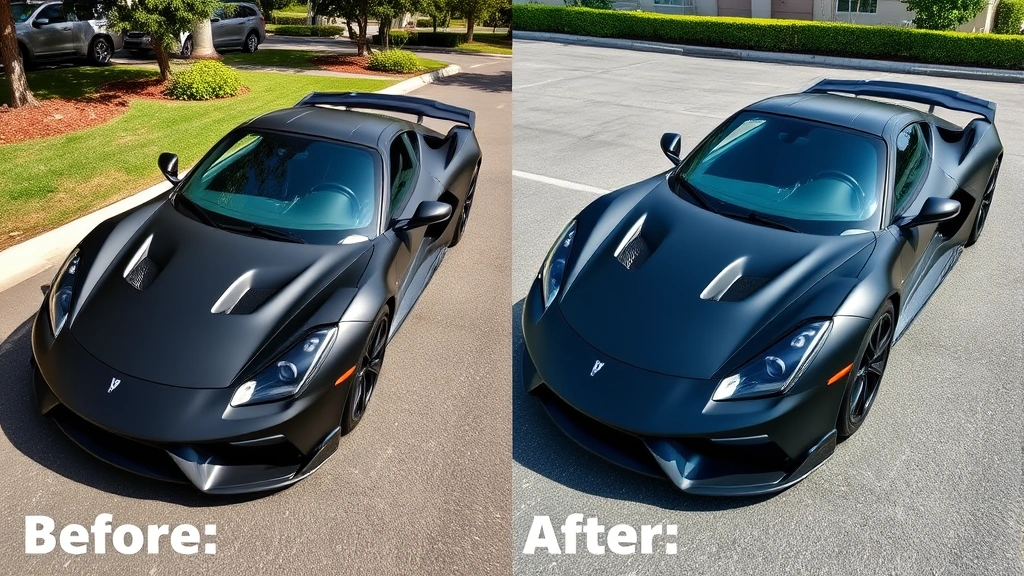
Design complexity is another critical pricing component. A single solid color or simple two-tone wrap costs far less than a custom design featuring photorealistic graphics, multiple colors, or specialty effects like chrome or matte finishes. Custom design work requires additional consultation time, digital rendering, and precision installation. Some shops charge separately for design services, while others bundle these costs into their overall quote.
Your geographic location significantly impacts pricing, as labor costs vary dramatically between rural areas and major metropolitan centers. Additionally, the installer’s experience level and reputation directly influence what they charge. Established shops with years of experience and a strong portfolio typically command premium prices compared to newer operations.
Types of Car Wraps and Their Costs
Car wraps come in several distinct categories, each with different price points and applications. Understanding these options helps you align your budget with your actual needs and expectations.
Solid Color Wraps represent the most affordable option, typically ranging from $1,500 to $3,500 for a full vehicle wrap. These straightforward applications use single-color vinyl and require minimal design complexity. They’re popular for business vehicles needing a clean, professional appearance or individuals seeking a dramatic color change without breaking the bank.
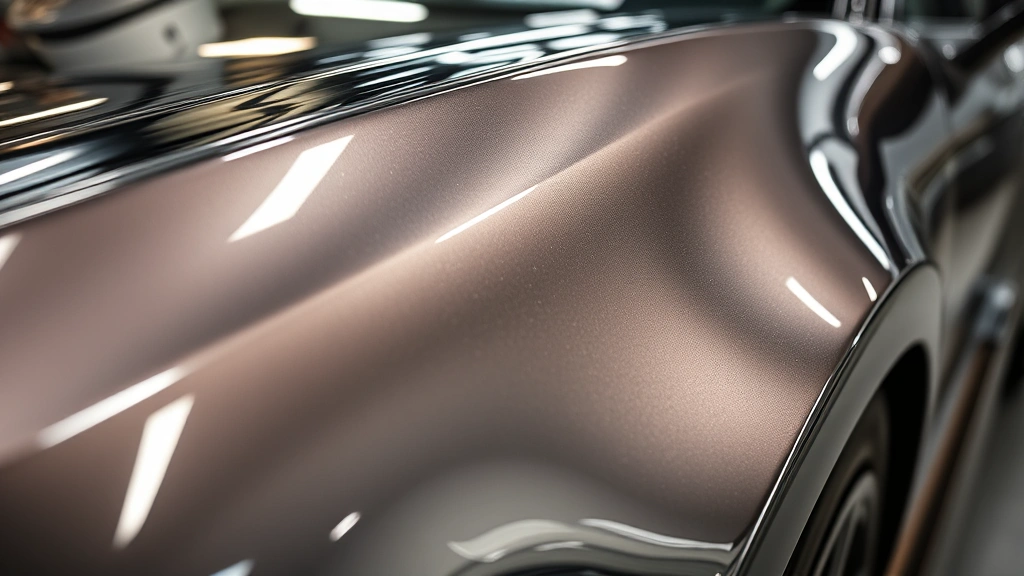
Metallic and Matte Finishes command a premium over basic solid colors, usually adding $500 to $1,500 to your total cost. Matte wraps offer that sophisticated, modern aesthetic that’s become increasingly popular, while metallic finishes provide eye-catching depth and dimension. These specialty finishes require more careful installation due to their sensitivity to light and viewing angles.
Custom Graphic Wraps are where pricing escalates significantly. Expect to invest $3,000 to $8,000 or more for designs incorporating custom artwork, photography, or complex graphics. This category includes vehicle wraps for businesses featuring logos, contact information, and branded imagery. The additional cost reflects design consultation, digital proofing, and the precision required during installation.
Chrome and Specialty Effect Wraps represent the luxury end of the spectrum, often ranging from $4,000 to $12,000 or beyond. These eye-popping finishes—including chrome, holographic, and color-shifting options—demand exceptional installation expertise and premium materials. They’re statement pieces designed to turn heads and typically appeal to enthusiasts and high-end vehicle owners.
Textured Wraps like carbon fiber or leather effects fall into the mid-to-premium range at $2,500 to $6,000. These wraps add tactile dimension and sophisticated styling without the extreme expense of true specialty effects.
Full Wrap vs. Partial Wrap: Breaking Down the Numbers
One of the most important decisions affecting your wrap budget is choosing between a full wrap and a partial wrap. This choice alone can reduce your costs by 40 to 60 percent.
Full Wraps cover your entire vehicle—all four sides, the hood, roof, rear hatch, and even door jambs. They provide complete visual transformation and maximum brand visibility for commercial applications. Full wraps typically cost $2,500 to $5,000 for basic solid colors on standard vehicles, with premium designs and specialty finishes reaching $8,000 to $15,000 or more. The comprehensive coverage means maximum material usage and labor time.
Partial Wraps cover specific sections of your vehicle, such as the hood, roof, side panels, or rear quarter panels. These targeted applications typically run $800 to $2,500 depending on coverage area and design complexity. Partial wraps are ideal for budget-conscious vehicle owners, businesses wanting modest branding, or anyone testing whether they’ll enjoy the wrapped aesthetic long-term. Many people don’t realize that a well-designed partial wrap can deliver impressive visual impact at a fraction of the cost.
Hood and Roof Wraps represent a popular middle ground, usually costing $400 to $1,200. These high-visibility areas make excellent candidates for custom graphics or bold designs without committing to full coverage.
Door and Side Panel Wraps typically run $300 to $800 per section and work beautifully for business branding or accent designs. This approach lets you add visual interest to specific areas while preserving your vehicle’s original appearance elsewhere.
When evaluating partial versus full wraps, consider your primary motivation. Business vehicles almost always justify full wraps due to maximum advertising value, while personal vehicles might benefit from strategic partial wraps that reduce costs while maintaining aesthetic appeal.
Regional Price Variations and Market Differences
Your location dramatically influences car wrap pricing, sometimes by 30 to 50 percent compared to other regions. Major metropolitan areas like New York, Los Angeles, and Chicago typically charge premium prices due to higher overhead costs, increased demand, and experienced installer availability. You might pay $4,000 to $6,000 for a full wrap in these markets where the same wrap costs $2,500 to $3,500 in smaller cities or rural areas.
Coastal regions generally command higher prices than inland areas, while densely populated urban centers exceed rural pricing. This reflects basic economic principles—higher cost of living translates to higher service pricing. Additionally, markets with strong custom car cultures (Southern California, Miami, Atlanta) often feature more competitive pricing due to higher volume and installer density, though this doesn’t always mean lower costs.
Regional material availability also plays a role. Shops in remote areas might charge premiums for specialty vinyl films due to shipping costs and limited supplier access. Conversely, major metropolitan areas with multiple suppliers often negotiate better material pricing, which may translate to customer savings.
Before assuming a quote is unreasonable, research local market rates by contacting multiple installers in your area. What seems expensive in rural Montana might be standard pricing in urban Boston. Understanding your regional market prevents frustration and helps you identify genuinely competitive offers.
Hidden Costs You Need to Know About
Smart car wrap shoppers understand that quoted prices often represent only part of the total investment. Several hidden costs can materialize during or after installation.
Design Services and Revisions frequently involve additional charges. Some installers include unlimited design revisions, while others charge $50 to $150 per revision round after the initial proofs. Clarify these terms upfront to avoid surprise bills. Complex custom designs might incur separate design fees ranging from $200 to $500 or more.
Surface Preparation occasionally requires additional work beyond standard cleaning. If your vehicle has existing damage, rust, or paint issues, shops might charge $200 to $500 for prep work like sanding, primer application, or minor repairs. This is why condition matters—well-maintained vehicles typically involve lower prep costs.
Removal of Existing Wraps costs $200 to $800 depending on the wrap’s age and condition. Old wraps that have bonded extensively to the paint require more careful removal to prevent damage. Always ask about removal pricing if you’re replacing an existing wrap.
Paint Protection and Protective Coatings add $150 to $400 to your total. Some installers recommend protective clear coat applications to extend wrap life and enhance appearance. While optional, these coatings genuinely do improve longevity and gloss.
Trim and Hardware Removal sometimes incurs extra charges. If your wrap design requires removing door handles, emblems, or trim pieces, expect $100 to $300 in additional labor. Some shops include this in their base price, while others charge separately.
Rush Fees and Expedited Service can add 15 to 25 percent to your total cost if you need the wrap completed quickly. Planning ahead allows you to avoid these premium charges.
When requesting quotes, explicitly ask installers to detail all included services and identify any potential additional charges. Transparent shops will provide itemized quotes breaking down labor, materials, and any ancillary services.
DIY vs. Professional Installation
The temptation to save money through DIY car wrapping is understandable, but this approach carries significant risks that often outweigh budget savings.
Professional Installation Advantages justify the cost through expertise, proper equipment, and quality guarantees. Professional installers have invested in heat guns, squeegees, cutting tools, and workspace designed for precision work. They understand how different vinyl behaves, how to handle complex curves and contours, and how to avoid common mistakes like air bubbles, wrinkles, and improper adhesion. Most reputable shops warranty their work for 2 to 3 years, protecting your investment against peeling or failure.
If you’re handling basic vehicle maintenance like learning how to disconnect car battery or understanding how to check engine oil, DIY car wrapping represents an entirely different skill level requiring specialized knowledge. The learning curve is steep, and mistakes are expensive.
DIY Wrapping Realities paint a cautionary picture. Materials alone cost $400 to $1,500 for a partial wrap or $1,500 to $3,000 for a full wrap. Add in specialized tools ($200 to $500 if you don’t already own them), and you’re already significant into the cost equation. The real expense comes from mistakes—improper installation can damage your vehicle’s paint, require professional removal and repair, and ultimately cost more than professional installation would have.
DIY wraps frequently exhibit visible flaws including air bubbles trapped under the vinyl, wrinkles along curves, uneven seams, and premature peeling at edges. These issues aren’t just cosmetic—they compromise the wrap’s protective qualities and longevity. What seemed like a money-saving decision becomes a frustrating, expensive lesson.
The only exception to this recommendation involves extremely simple applications like wrapping a single hood or roof section with solid-color vinyl if you have genuine patience and meticulous attention to detail. Even then, professional installation remains the safer choice.
Maintenance and Longevity Considerations
Understanding wrap maintenance directly impacts the true cost of ownership and longevity of your investment. A properly maintained wrap lasts three to five years, while neglected wraps deteriorate within 18 to 24 months.
Regular Washing is essential but requires specific techniques. Hand wash your wrapped vehicle using mild soap and soft cloths or sponges. Avoid automated car washes, pressure washers, and abrasive brushes that can lift edges or cause peeling. Washing every two weeks maintains appearance and prevents dirt accumulation that can damage the vinyl. This simple maintenance costs nothing but time.
Protective Measures extend wrap life significantly. Park in shade whenever possible, as UV exposure degrades vinyl over time. Similarly, avoid parking under trees where sap and bird droppings can damage the wrap. If you must park outdoors, consider a car cover specifically designed for wrapped vehicles. These covers cost $100 to $300 but can extend wrap life by a year or more.
Just as understanding how often to rotate tires helps your vehicle’s longevity, maintaining your wrap requires consistent attention. Avoid harsh chemicals and solvents that can degrade the vinyl adhesive.
Professional Maintenance Services available through quality wrap shops include protective coating applications and periodic inspections. These services typically cost $100 to $300 annually but can significantly extend wrap life and maintain appearance. Some shops offer maintenance packages bundled with the initial wrap installation.
Seasonal Considerations matter too. Extreme heat accelerates vinyl degradation, while harsh winter conditions including salt and road chemicals can damage edges and seams. In challenging climates, budget for more frequent inspections and maintenance.
Warranty Coverage varies by installer and material quality. Budget wraps might carry 1-year warranties, while premium installations often include 3-year warranties. Understanding what your warranty covers—and what it doesn’t—prevents surprise expenses down the road. Most warranties exclude damage from accidents, improper maintenance, or harsh environmental conditions.
When calculating the true cost of a wrap, factor in maintenance expenses and realistic longevity. A $3,000 wrap lasting five years with proper care costs $600 annually, while a $2,000 budget wrap lasting only two years costs $1,000 annually. The math often favors quality installations with premium materials.
Frequently Asked Questions
How much does a basic car wrap typically cost?
A basic solid-color full wrap on a standard sedan typically costs $1,500 to $3,500. This price includes material and professional installation but may not include design services or specialized finishes. Partial wraps cost significantly less, usually $500 to $1,500 depending on coverage area.
What’s the most expensive type of car wrap?
Chrome and color-shifting specialty wraps represent the premium end, often costing $8,000 to $15,000 or more for full vehicle coverage. These eye-catching finishes demand premium materials and expert installation expertise. Custom graphic wraps with complex designs also command high prices, typically $5,000 to $8,000 for full coverage.
Does wrap price vary by vehicle type?
Absolutely. Compact cars cost less to wrap than full-size SUVs or trucks due to reduced surface area. Vehicles with complex curves and contours cost more than boxy designs. Commercial trucks, buses, and specialty vehicles can range from $5,000 to $20,000 depending on size and design complexity.
How long do car wraps actually last?
Quality wraps with proper maintenance typically last three to five years. Budget wraps might last 18 to 24 months, while premium installations in ideal conditions can exceed five years. Longevity depends on material quality, installation expertise, climate conditions, and maintenance consistency. Understanding how to check transmission fluid is basic vehicle maintenance, but wrap maintenance requires different care.
Can I remove a wrap without damaging my paint?
Professional removal typically preserves your vehicle’s original paint if the wrap was properly installed. However, removal is more difficult on older vehicles or wraps that have bonded extensively to the paint. Professional removal costs $200 to $800 depending on wrap age and vehicle condition. Attempting DIY removal risks paint damage and expensive repairs.
Are there financing options for car wraps?
Many professional wrap shops offer payment plans or financing options, particularly for high-ticket custom wraps. Some accept credit cards with promotional financing. For business vehicles, wraps may be tax-deductible advertising expenses—consult your accountant. This financial flexibility makes wraps accessible to budget-conscious customers.
What’s the difference between cast and calendered vinyl?
Cast vinyl is premium material that conforms better to complex curves and lasts longer (3-5 years), typically costing more. Calendered vinyl is budget-friendly but less conformable and less durable (2-3 years). For intricate vehicle designs or long-term installations, cast vinyl justifies the premium pricing.
Do I need to maintain my wrapped vehicle differently?
Yes, wrapped vehicles require gentle hand washing, shade parking when possible, and avoidance of harsh chemicals or pressure washers. These simple maintenance practices cost nothing but extend wrap life significantly. Neglecting maintenance can reduce wrap lifespan from five years to two years or less.

Related Posts

How Long to Boil Lobster Tails: Cooking Guide

How Long to Fly from New York to London? Travel Times
