

Mobile Home Moving Costs: Expert Breakdown
Mobile Home Moving Costs: Expert Breakdown
Moving a mobile home is a significant undertaking that requires careful planning and understanding of the associated costs. Whether you’re relocating within the same state or across the country, the expenses can vary dramatically based on distance, home size, and local regulations. This comprehensive guide breaks down every cost factor you need to consider when budgeting for a mobile home move.
Mobile home relocation involves more than just hitching up and driving down the highway. You’ll need to factor in professional movers, permits, utility disconnections, foundation work, and potential inspections. Understanding these costs upfront helps you avoid unexpected expenses and make informed decisions about your move.

Average Mobile Home Moving Costs
The typical cost to move a mobile home ranges from $3,000 to $16,000, with most homeowners spending between $5,000 and $10,000. This wide range reflects the variables involved in each unique move. A single-wide mobile home moving locally might cost $3,000 to $5,000, while a double-wide home crossing state lines could exceed $15,000.
Professional mobile home movers typically charge based on a combination of factors including the home’s size, the distance traveled, and the complexity of the move. Some companies quote per mile, while others provide flat rates for specific routes. Getting multiple quotes from licensed mobile home movers is essential for understanding the true cost of your relocation.
Beyond the basic transportation fee, you’ll encounter additional charges that can substantially increase your total expenses. These include setup fees at the new location, disconnect and reconnect services, and various permits. When budgeting for your move, plan to allocate funds for these supplementary costs to avoid financial surprises.
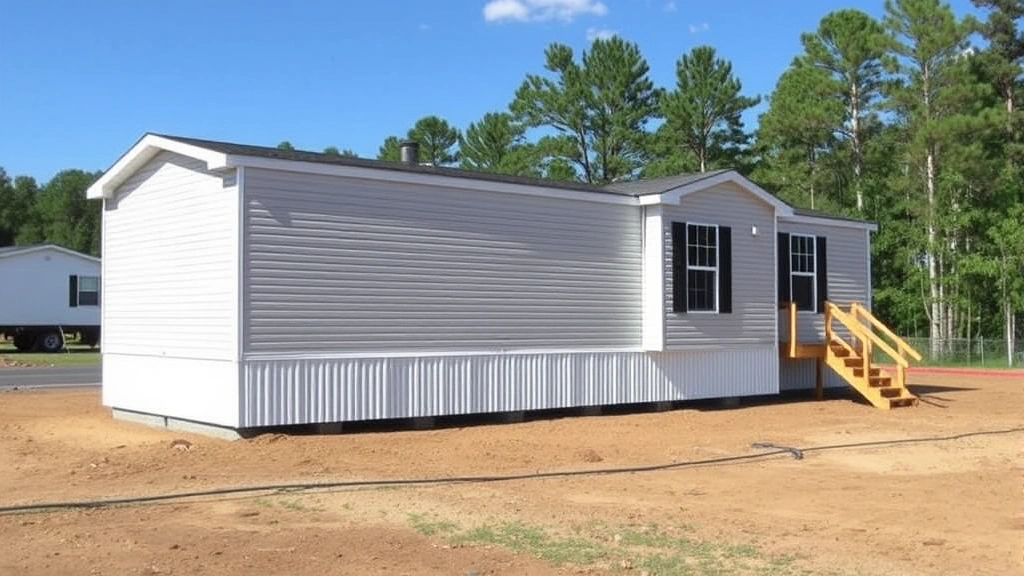
Distance and Transportation Expenses
Transportation represents the largest single expense in most mobile home moves. The cost per mile typically ranges from $3 to $10 per mile, though this varies based on several factors. Shorter local moves within 50 miles might cost $2 to $5 per mile, while long-distance moves across multiple states average $5 to $10 per mile.
Several factors influence the per-mile rate charged by professional movers. The size and weight of your mobile home directly affect fuel consumption and equipment requirements. A single-wide home (typically 14 feet wide and 60 feet long) costs less to move than a double-wide (28 feet wide or more). Triple-wide units represent the premium pricing tier for transportation.
The route complexity also impacts costs significantly. Moves requiring specialized equipment like pilot cars, wide-load permits, or navigation through mountainous terrain command higher prices. Rural destinations with limited road access may incur additional charges. When obtaining quotes, always provide accurate information about your home’s dimensions and the exact pickup and delivery locations.
Seasonal variations affect pricing as well. Summer months typically see higher rates due to increased demand for moving services. Winter moves often come with discounts, though weather conditions may create complications. Planning your move during the off-season can result in savings of 10-20% compared to peak season rates.
Permits and Legal Requirements
Securing proper permits is a non-negotiable part of mobile home relocation. Permit costs vary dramatically by location, ranging from $100 to $1,000 or more depending on your jurisdiction. Some states and counties have straightforward permit processes with minimal fees, while others impose substantial charges for wide-load transportation and route approvals.
Before moving your mobile home, contact your local Department of Transportation and your county assessor’s office to understand specific requirements. You’ll typically need a moving permit from the state transportation department, which authorizes your home to travel on public roads. Some jurisdictions require separate permits for each county your home passes through.
Width and height restrictions vary by state and region. Most standard single-wide homes (14 feet wide) travel without special permits, but any home wider than this requires wide-load permits and often pilot car services. These additional permits can cost $200 to $500 per state crossed. Research your specific route to understand all permit requirements before committing to a moving company.
Title transfer and re-registration fees must also be budgeted. When you move a mobile home to a new location, you’ll need to update your home’s title with the new county or state. These administrative fees typically range from $50 to $300, but requirements vary significantly by jurisdiction. Consult with your state’s Department of Motor Vehicles or equivalent agency for specific requirements.
Utility Disconnection and Reconnection
Disconnecting utilities at your current location and reconnecting them at your new site involves multiple service providers and associated costs. Plan to spend $500 to $2,000 on utility-related expenses, though this varies based on the services your home requires.
Electricity disconnection and reconnection typically costs $100 to $300 per location. You’ll need to schedule appointments with your local utility company well in advance of your move date. Some utilities charge a reconnection fee if your new location wasn’t previously serviced, which can increase costs significantly.
Water and sewer connections present unique challenges for mobile homes. If your current location uses well water, you may need to abandon that system properly, which can cost $200 to $500. Connecting to municipal water and sewer at your new location might require new lines and connections, potentially costing $300 to $800. If your new location also uses a septic system, costs may be lower, but proper abandonment of your old system is legally required.
Natural gas disconnection and reconnection typically costs $150 to $400 per location. Gas lines require certified professionals for safety reasons, so DIY options aren’t viable. Schedule these services through your gas utility provider. Propane tank removal and relocation costs $100 to $300, depending on tank size and your new location’s requirements.
Internet and cable services require separate technician visits costing $50 to $150 each. Coordinate these disconnections to occur after your move and reconnections to happen shortly after you arrive at your new location. Some providers offer package deals that can reduce overall costs.
Foundation and Setup Costs
Setting up your mobile home at its new location requires proper foundation work and site preparation. These costs range from $1,000 to $5,000 depending on soil conditions, site topography, and local building codes. Proper foundation work is essential for your home’s structural integrity and safety.
Before moving your home, the new site must be prepared with a proper foundation system. Mobile homes typically require either a concrete pad, concrete piers, or treated wood supports. Concrete slab foundations cost $1,500 to $3,000, while pier systems range from $800 to $2,500. The specific requirement depends on local building codes and soil conditions at your new location.
A professional foundation inspection before moving ensures your new site meets all requirements. This inspection costs $200 to $400 and provides documentation needed for permits and insurance. Skipping this step can result in costly corrections after your home is already in place.
Leveling your mobile home at the new location is critical for proper function of doors, windows, and utilities. Professional leveling services cost $200 to $500 and should be performed after your home is placed on its foundation. Many movers include basic leveling in their services, but verify this when obtaining quotes.
Skirting installation protects the underside of your mobile home from weather and pests. Vinyl skirting costs $1,200 to $2,500 for a typical single-wide home. Metal skirting offers a more durable option at $2,000 to $4,000. While not always required, skirting improves your home’s appearance and protects vulnerable components.
Insurance and Inspections
Insurance requirements during the move and inspections at your new location represent additional mandatory costs. Mobile home moving insurance typically costs $500 to $1,500 depending on your home’s value and the moving distance.
Most professional movers include basic liability coverage in their quotes, but this may be limited. Comprehensive moving insurance that covers your home’s full replacement value is recommended and costs $0.50 to $1.00 per $100 of declared value. For a $50,000 mobile home, this equals $250 to $500 for the move duration.
Pre-move inspections document your home’s condition before relocation. This inspection costs $200 to $400 and protects you by establishing a baseline condition. If damage occurs during the move, this documentation supports insurance claims.
Post-move inspections are required by most jurisdictions before your home can be legally occupied. These inspections verify that your home meets building codes and is safely set up. Inspection fees range from $100 to $300 depending on your location. Some counties require multiple inspections at different stages of setup.
Final occupancy permits, once all inspections pass, typically cost $50 to $200. This permit authorizes you to legally live in your mobile home at its new location. Without this permit, you may face fines or be required to move your home again.
Money-Saving Tips
Strategic planning can significantly reduce your mobile home moving costs. Start by obtaining at least three detailed quotes from licensed mobile home movers. Compare quotes carefully, ensuring each includes the same services and insurance coverage.
Timing your move strategically saves substantial money. Off-season moves (late fall through early spring, excluding holidays) typically cost 15-25% less than summer moves. Weekday moves cost less than weekend moves due to lower demand for equipment and personnel.
Moving your home yourself is theoretically possible but extremely risky and often illegal without proper licensing. Most states require mobile home movers to be licensed and insured. Attempting an unlicensed move can result in fines, permit violations, and liability issues if accidents occur. Professional movers are the safest and most cost-effective option.
Reducing the distance your home travels saves money directly. If possible, choose a new location closer to your current site. Moving from one county to an adjacent county costs significantly less than crossing multiple states.
Requesting quotes during low-demand periods and being flexible with your move date allows you to negotiate better rates. Some moving companies offer discounts for moves scheduled during their slower seasons. Ask about these discounts when requesting quotes.
Handling some tasks yourself reduces costs. For example, you can manage utility disconnections by scheduling appointments yourself rather than having the moving company coordinate them. However, ensure you don’t attempt any work requiring licensed professionals, such as gas line work or electrical reconnections.
Purchasing a used mobile home already located near your desired destination eliminates moving costs entirely. This option works well if you’re relocating far from your current home and don’t have strong attachment to your existing structure.
To better understand the financial aspects of home improvement and maintenance, check out our comprehensive how-to guides and tips for managing residential projects efficiently.
FAQ
How much does it cost to move a single-wide mobile home?
A single-wide mobile home typically costs $3,000 to $8,000 to move locally (under 100 miles). Long-distance moves can reach $10,000 to $15,000. The exact cost depends on distance, permits required, and foundation work at the new location.
What’s the cost difference between moving a single-wide and double-wide?
Double-wide homes cost 30-50% more to move than single-wide homes due to increased weight and width. A double-wide move typically ranges from $5,000 to $16,000, with long-distance moves potentially exceeding this range. The wider structure requires special permits and pilot car services in most jurisdictions.
Can I move my mobile home myself to save money?
Moving a mobile home yourself is illegal in most states without proper licensing and permits. Mobile home moving requires specialized knowledge, equipment, and insurance. Attempting an unlicensed move can result in fines, accidents, and liability issues. Professional movers are the only legal and safe option.
What permits do I need to move a mobile home?
You need a state transportation permit for moving your home on public roads. Wide-load permits are required if your home exceeds 14 feet in width. Some jurisdictions require separate county permits for each county your home passes through. Contact your state DOT and local authorities for specific requirements.
How long does a mobile home move typically take?
Local moves (under 50 miles) typically take 1-3 days including setup. Regional moves (50-500 miles) take 3-7 days. Long-distance moves (over 500 miles) can take 1-2 weeks depending on route and weather conditions. Additional time is needed for utility disconnection/reconnection and inspections.
Is mobile home moving insurance included in quotes?
Most quotes include basic liability coverage, but this may be limited. Comprehensive moving insurance that covers full replacement value is typically an additional charge of $500 to $1,500. Verify exactly what insurance is included in your quote and purchase additional coverage if needed.
What happens if my mobile home is damaged during the move?
If damage occurs during a professional move, file a claim with the moving company’s insurance immediately. Document all damage with photos and detailed descriptions. Provide your pre-move inspection report as evidence of the home’s condition before moving. Most insurance covers accidental damage, but intentional damage or pre-existing conditions may not be covered.
Can I negotiate mobile home moving costs?
Yes, moving costs are often negotiable. Get multiple quotes and use them as leverage for better pricing. Offer flexibility on move dates, request discounts for off-season moves, and ask about package deals that bundle services. Professional movers may reduce rates for straightforward moves or during slow periods.

Related Posts

Superscript in Google Docs: Expert Tips

Strikethrough in Excel: Easy Steps for Beginners
