
How Much Does It Cost to Climb Mount Everest?
How Much Does It Cost to Climb Mount Everest? A Complete Breakdown
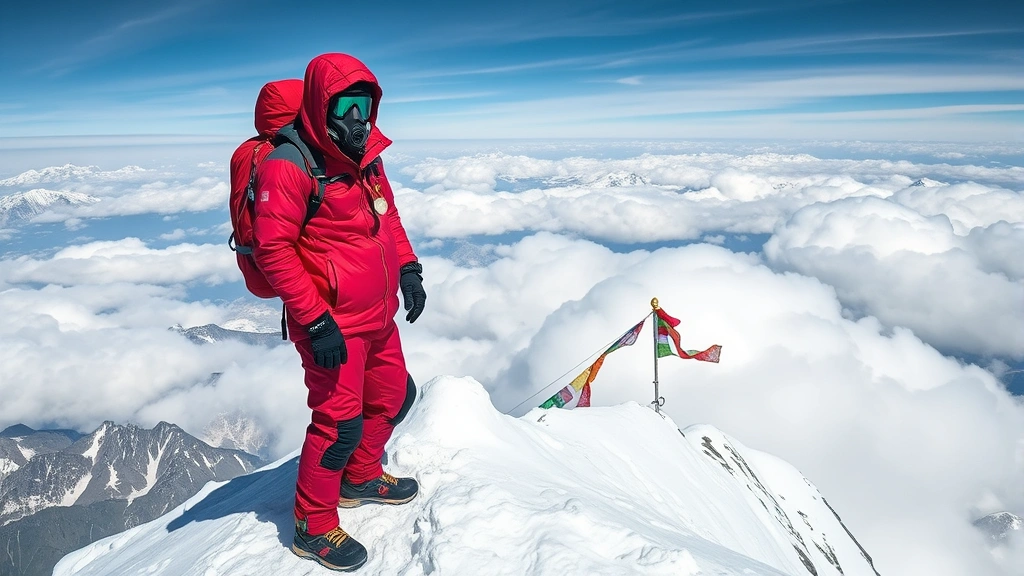
Mount Everest stands as the ultimate test of human ambition and endurance. At 29,032 feet, it’s not just the world’s highest peak—it’s a financial commitment that can rival a luxury home purchase. If you’re contemplating whether to attempt this legendary climb, understanding the true cost is essential before you lace up your boots and head to Nepal.
The price of summiting Everest varies wildly depending on your approach, experience level, and the services you choose. Some climbers have managed the feat for under $30,000, while others have spent over $200,000. The difference isn’t always about how hard you work—it’s about what you’re willing to sacrifice and what resources you’re prepared to invest.
This comprehensive guide breaks down every expense you’ll encounter on your journey to the top of the world. From guided expeditions to permits and equipment, we’ll explore the financial reality of pursuing one of mountaineering’s greatest achievements.
Guided Expedition Costs: The Major Investment
The largest chunk of your Everest budget typically goes toward hiring a guide service. These companies handle logistics, provide experienced mountaineers, arrange permits, and manage base camp operations. The cost ranges dramatically based on the company’s reputation and the services included.
Premium guiding companies like International Mountain Guides or Adventure Consultants charge between $65,000 and $100,000 or more. These expeditions include experienced lead guides, supplemental guides, Sherpa support, high-altitude porters, and comprehensive logistics management. You’re essentially paying for expertise accumulated over decades and the infrastructure required to move people safely up the world’s highest mountain.
Mid-range operators typically charge $40,000 to $65,000. These companies still provide solid guiding and Sherpa support but may have fewer resources or less extensive marketing. Budget operators exist at $25,000 to $40,000, though mountaineering experts often warn that bargain expeditions come with increased risks. The saying in climbing circles goes: “You can be cheap, or you can be safe. Rarely both.”
Understanding how long it takes to climb Mount Everest helps justify these expedition costs—the extended timeline means extended support, extended base camp operations, and extended guide availability.
Permits and Government Fees: Non-Negotiable Expenses
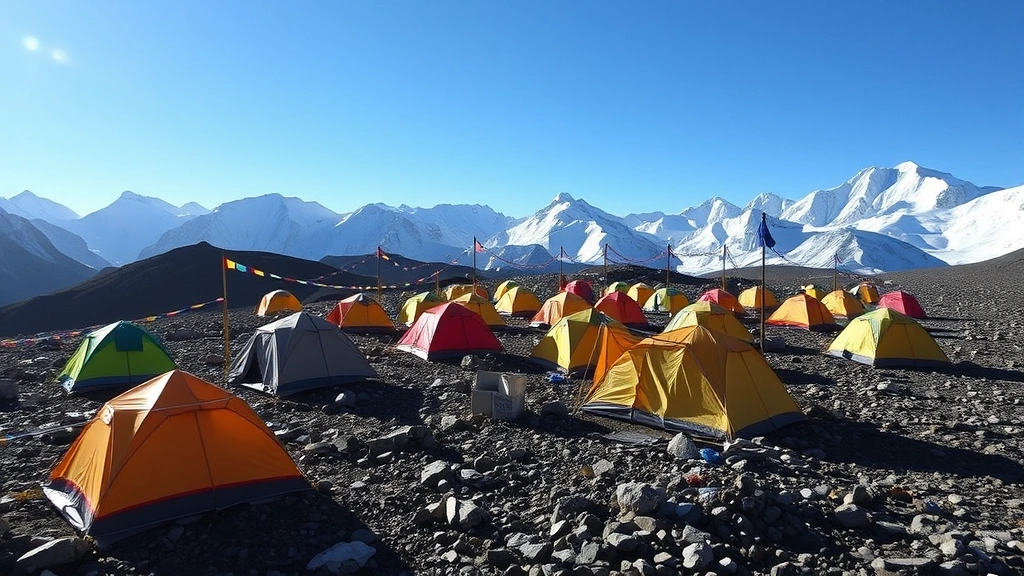
Nepal’s government charges a substantial permit fee for climbing Everest from the south side. As of recent years, the Sagarmatha (Everest) permit costs approximately $11,000 for foreign climbers. This is a fixed fee that every climber must pay—there’s no way around it, and it’s non-refundable if you don’t summit or must turn back.
If you’re attempting Everest from the Tibetan side (north face), China charges approximately $7,000 to $10,000, though you’ll need special permission and face additional bureaucratic requirements. Some climbers opt for this route to save money, but the logistics are considerably more complex.
Beyond the basic permit, expect to pay additional fees for rescue operations (approximately $4,000), environmental fees, and administrative costs through your guiding company. These add another $2,000 to $5,000 to your total.
Equipment and Gear Investment: Building Your Arsenal
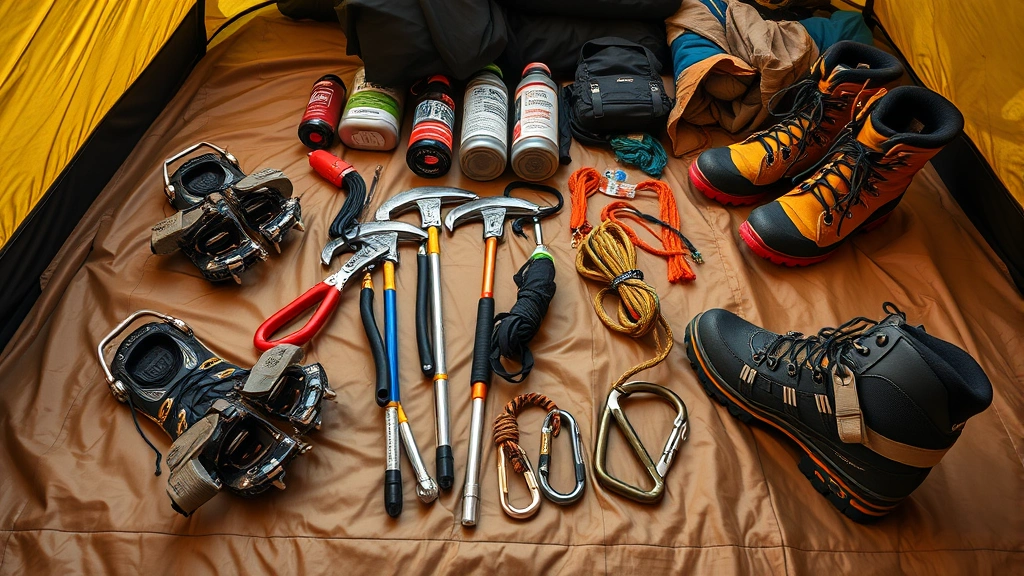
Attempting Everest without proper equipment is essentially suicide. You’ll need specialized gear designed for extreme altitude and temperatures that plunge to -40°F. If you’re starting from scratch, budget $15,000 to $25,000 for quality equipment.
The essential items include:
- Down suit: $1,500-$3,000 for a high-quality expedition-grade suit
- Climbing boots: $400-$800 for insulated, high-altitude boots
- Oxygen system: $3,000-$4,000 (nearly all modern climbers use supplemental oxygen above 26,000 feet)
- Tent and sleeping bag: $1,200-$2,000 combined
- Climbing hardware: $2,000-$3,000 for crampons, ice axes, harness, and protection gear
- Layers and accessories: $2,000-$4,000 for thermal underwear, gloves, goggles, and other protective gear
- Backpack: $300-$600 for expedition-grade models
Many climbers purchase used equipment to reduce costs, though high-altitude gear degrades with use. You can sometimes save 20-30% buying secondhand, but ensure critical items like boots and oxygen systems are in excellent condition.
Travel and Logistics: Getting There and Back
International flights from the United States to Kathmandu typically cost $800 to $1,500 round-trip. However, timing matters—booking during peak climbing season (March-April) can cost significantly more than off-season travel.
Once in Nepal, you’ll need domestic flights to Lukla (the gateway to the Khumbu region), accommodation in Kathmandu before and after the climb, and meals. Budget approximately $3,000 to $5,000 for all pre and post-climb logistics in Nepal.
If you’re considering alternative approaches, understanding comparative costs of major life expenses puts Everest spending in perspective. The total travel investment rivals purchasing a luxury vehicle.
Your guiding company typically handles transportation from Kathmandu to base camp, but you’ll still have miscellaneous expenses including tips for Sherpa staff (expected and appreciated at approximately $50-$100 per person), porter fees not covered by the expedition company, and emergency contingencies.
Training and Preparation Expenses: The Overlooked Budget Item
Serious Everest climbers invest heavily in preparation. This includes mountaineering courses, altitude acclimatization climbs, and professional coaching.
A comprehensive mountaineering course costs $2,000 to $5,000. Many experienced guides recommend climbing Kilimanjaro ($4,000-$7,000) or Mount Elbrus ($5,000-$10,000) as acclimatization peaks before Everest. These “warm-up” climbs help your body adapt to altitude and test your mental resilience.
Personal training with a mountaineering coach costs $50-$150 per hour. Most serious climbers invest 50-100 hours of coaching, adding $2,500 to $15,000 to their preparation budget. Gym memberships and specialized training facilities might add another $500-$2,000.
Insurance is critical but often overlooked. High-altitude mountaineering insurance costs $2,000 to $5,000 and covers evacuation, which could otherwise cost $50,000 or more if you need helicopter rescue at altitude.
Hidden Costs and Contingencies: The Financial Wildcards
Everest expeditions rarely go exactly to plan. Budget for contingencies that might include:
- Extended base camp stays: Bad weather delays are common. Budget $100-$200 per day for additional food and accommodation if your climb takes longer than expected
- Replacement gear: Equipment fails at altitude. Carry an extra $2,000-$5,000 for emergency replacements
- Medical expenses: Altitude sickness treatment, oxygen bottle replacements, and medical consultations add up quickly
- Evacuation costs: Even with insurance, deductibles and out-of-pocket costs could reach $10,000-$20,000
- Trip extensions: If you miss your summit window, you might need to wait weeks for the next opportunity, extending your Nepal stay
Experienced mountaineers recommend adding 20-30% to your total budget as a contingency cushion. If your planned budget is $50,000, realistically plan for $60,000-$65,000.
Budget-Friendly Alternatives and Cost-Saving Strategies
If the traditional Everest route seems financially prohibitive, several alternatives exist:
Commercial trekking to base camp: For approximately $2,000-$4,000, you can trek to Everest Base Camp without attempting the summit. This offers the Himalayan experience and Everest proximity without the extreme financial and physical commitment.
Climbing from the north side: Tibet-side expeditions sometimes cost 10-20% less than Nepal-side climbs, though they involve additional complexity and political considerations.
Self-guided expeditions: Some experienced mountaineers attempt Everest independently, hiring only essential Sherpa support. This can reduce costs to $30,000-$40,000, though it dramatically increases risk and requires exceptional mountaineering experience.
Group discounts: Some expedition companies offer reduced rates if you join a larger group, potentially saving $5,000-$10,000.
Interestingly, the financial commitment to Everest is comparable to other major life decisions. Just as moving internationally involves substantial costs, pursuing Everest requires similar financial and logistical planning.
Cost-saving gear strategies: Rent expensive items like oxygen systems ($500-$800 for the expedition) rather than buying. Many base camp operators offer rental equipment. Buy last season’s gear models at discounts. Join climbing clubs that offer group purchasing discounts on equipment.
Consider that understanding the true cost of achievement applies to mountaineering as much as any endeavor—sometimes the cheapest option proves most expensive when complications arise.
Frequently Asked Questions
What’s the absolute minimum cost to climb Mount Everest?
Experienced mountaineers with existing gear and connections might attempt Everest for $25,000-$30,000, primarily covering permits and basic guide services. However, this represents an extremely bare-bones approach with elevated risk. For most climbers, realistic minimum budgets start around $40,000-$50,000.
Does the permit fee get refunded if I don’t summit?
No, the Nepal government’s permit fee is non-refundable regardless of whether you reach the summit, turn back due to weather, or abandon the attempt due to illness. This is a fixed cost whether you succeed or not.
How much do Sherpa guides earn from Everest expeditions?
Sherpa guides typically earn $2,000-$4,000 per expedition season, plus tips. This represents significant income in Nepal but is substantially less than Western guides earn. Tips of $50-$100 per climber are customary and expected.
Can I save money by climbing during the off-season?
Technically yes, but not significantly. The climbing season (March-April and September-October) exists for safety reasons—weather outside these windows makes climbing exponentially more dangerous. The cost savings don’t justify the increased risk.
What’s typically included in a guided expedition cost?
Most guided expeditions include: permit fees, guide services, Sherpa support, base camp accommodation and meals, route fixing, supplemental oxygen (sometimes), and logistics management. They typically don’t include international flights, personal gear, or tips.
Is travel insurance included in the expedition cost?
Rarely. Most expedition companies don’t include comprehensive mountaineering insurance. You must purchase this separately, and it’s absolutely critical for covering high-altitude evacuation costs.
How much do oxygen bottles cost?
Oxygen bottles for Everest cost approximately $150-$250 each, and climbers typically use 2-4 bottles depending on their climbing strategy and summit approach. Some companies include oxygen in their package; others charge separately.

Related Posts

How Long to Boil Lobster Tails: Cooking Guide
How Long to Fly from New York to London? Travel Times
