
Barndominium Costs? Expert Insights and Breakdown
Barndominium Costs: Expert Insights and Complete Breakdown
A barndominium represents a unique intersection of agricultural heritage and modern living, transforming rustic barns into comfortable residential spaces. Whether you’re drawn to the aesthetic appeal of exposed beams and open floor plans or the practical benefits of combining agricultural operations with home living, understanding the financial commitment is essential before breaking ground.
The cost to build a barndominium varies dramatically based on location, size, materials, and local regulations. Most projects range from $100,000 to $500,000+, but the true expenses extend beyond basic construction. This comprehensive guide breaks down every cost category, helping you budget accurately and avoid expensive surprises.
Land and Site Preparation Costs
Your barndominium journey begins before construction—with land acquisition and site readiness. The land itself typically represents 10-25% of your total project cost, though this varies significantly by region. Rural properties in agricultural areas may cost $5,000-$15,000 per acre, while land closer to urban centers can exceed $50,000 per acre.
Site preparation involves clearing vegetation, removing existing structures, and grading the land for construction. Budget $3,000-$10,000 for clearing and demolition if you’re converting an existing barn. Grading and leveling can run $2,000-$8,000 depending on terrain difficulty. If your property lacks proper drainage, you may need to install a drainage system for $5,000-$15,000.
Soil testing is crucial and often overlooked. Poor soil conditions can compromise your foundation and inflate costs substantially. Expect to spend $500-$2,000 on soil analysis and geotechnical reports. Access roads must meet local standards—a proper driveway costs $1,500-$5,000 depending on length and materials.
Before purchasing land, verify that barndominium construction is permitted in your desired location. Zoning restrictions vary widely, and some agricultural zones prohibit residential use entirely. Consult with the local planning department (typically free) to understand setback requirements, lot size minimums, and any deed restrictions that might affect your project.
Foundation and Structural Work
A solid foundation is non-negotiable, representing 8-12% of total construction costs. Most barndominiums use either concrete slab-on-grade or pier-and-beam foundations. Concrete slabs cost $6-$12 per square foot, making a 2,000 sq ft foundation run $12,000-$24,000. Pier-and-beam systems offer better moisture control in wet climates but cost $8-$15 per square foot.
Structural reinforcement depends on your barn’s existing condition. If converting an old barn, you’ll likely need sistering (reinforcing) floor joists, replacing rotted beams, and installing proper load-bearing walls. This structural work can easily cost $15,000-$40,000. New construction allows you to build to code from the start, eliminating these expensive retrofits.
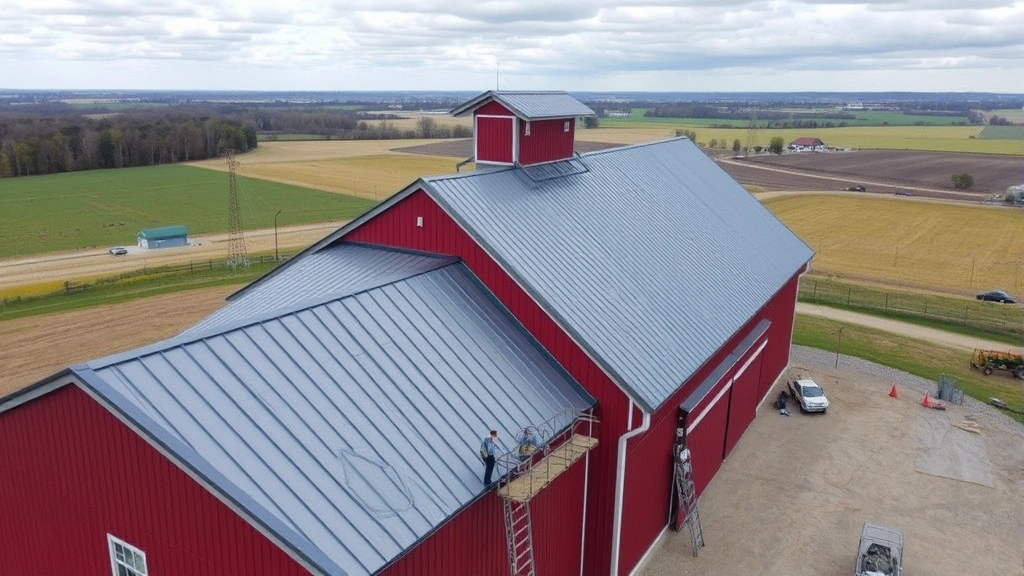
Roof replacement is often necessary, especially with older barns. Metal roofing costs $8-$15 per square foot installed, while asphalt shingles run $3-$8 per square foot. For a 2,500 sq ft roof, expect $20,000-$37,500 for metal or $7,500-$20,000 for shingles. Metal offers superior durability and aesthetic appeal for barndominiums.
Exterior wall systems require attention during planning. Original barn siding may be preserved for character, but modern insulation and weatherproofing must be added behind it. New wall systems with proper insulation cost $4-$8 per square foot. Consider how to maintain the rustic aesthetic while meeting modern energy codes—this balance often requires creative solutions worth the investment.
Building Materials and Labor Costs
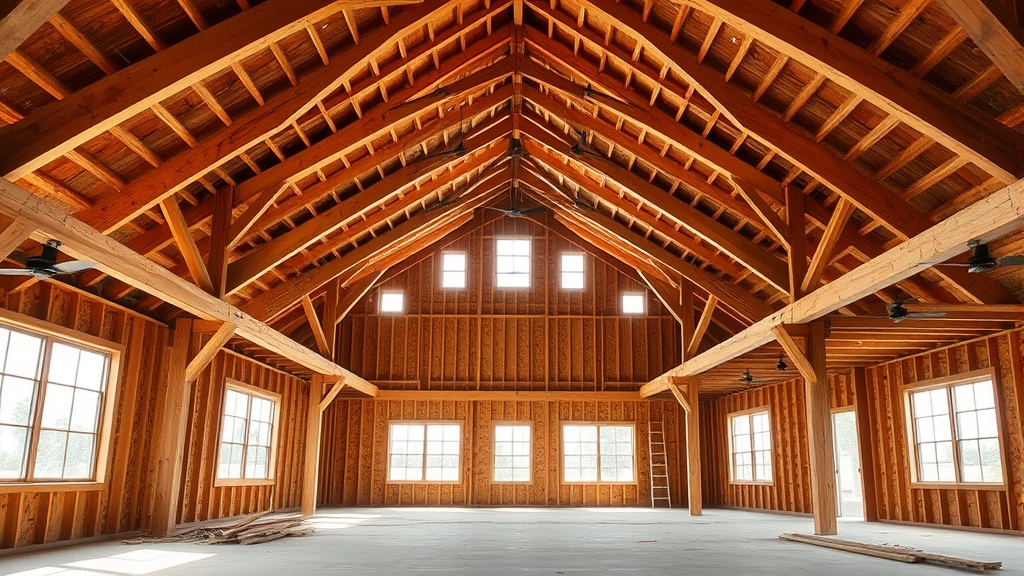
Labor represents 35-50% of total construction expenses. Skilled carpenters, electricians, and plumbers command $40-$80+ per hour depending on your region and market conditions. A typical barndominium requires 1,500-3,000 labor hours, translating to $60,000-$240,000 in labor alone.
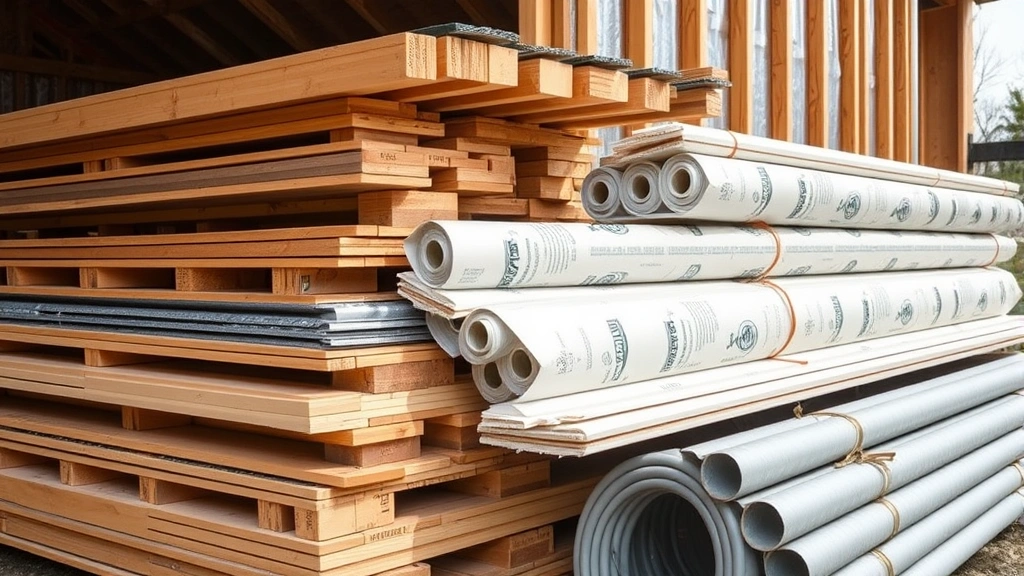
Material costs fluctuate with market conditions but generally account for 40-50% of construction budgets. Lumber prices have stabilized but remain elevated compared to pre-2020 levels. A 2,000 sq ft barndominium requires approximately 15,000-20,000 board feet of lumber, costing $8,000-$16,000. Framing materials, fasteners, and adhesives add another $3,000-$5,000.
Insulation is critical for comfort and energy efficiency. Spray foam insulation costs $1.50-$3.50 per square foot, while fiberglass batts run $0.50-$1.50 per square foot. For a 2,000 sq ft home, quality insulation investment ranges from $1,000-$7,000. The higher investment in spray foam provides superior air sealing and R-value consistency.
Drywall installation costs $1-$3 per square foot depending on complexity and finish quality. Open barndominium designs with high ceilings require scaffolding and specialized installation, increasing costs. Plan $2,000-$6,000 for drywall in a typical barndominium.
Flooring choices dramatically affect costs. Concrete polishing runs $3-$12 per square foot, creating an industrial aesthetic popular in barndominiums. Hardwood flooring costs $8-$15 per square foot installed. Luxury vinyl plank offers durability at $3-$8 per square foot. Many barndominiums combine materials—polished concrete in living areas with wood in bedrooms—optimizing both aesthetics and budget.
Utilities and Infrastructure Costs
Connecting utilities to remote rural properties represents a significant hidden cost. Electrical service installation ranges from $3,000 (if close to existing lines) to $20,000+ per mile for new lines. Most rural barndominiums budget $8,000-$15,000 for electrical infrastructure including service upgrade, panel installation, and rough-in wiring.
Water systems require careful planning. If municipal water isn’t available, you’ll need a well. Drilling costs $3,500-$8,000, plus $2,000-$5,000 for pump installation and pressure tank. Well water testing adds $200-$500. Alternatively, some properties use cisterns and rainwater harvesting ($5,000-$15,000 installed).
Septic systems are necessary where municipal sewer isn’t available. Installation costs $3,000-$10,000 depending on soil conditions and system type. Aerobic systems cost more ($5,000-$15,000) but require less land. Some jurisdictions require expensive engineered systems reaching $15,000-$25,000. Always obtain a perc test ($300-$800) before purchasing land to verify septic feasibility.
Propane or natural gas systems for heating run $2,000-$8,000 installed. HVAC systems are essential in barndominiums with open floor plans—expect $4,000-$12,000 for quality equipment and installation. Ductwork through high ceilings adds complexity and cost. Consider radiant floor heating ($8-$15 per sq ft) as an alternative that complements the industrial aesthetic while providing efficient heating.
Internet connectivity shouldn’t be overlooked. Rural broadband costs $50-$150 monthly, but initial installation (satellite, fixed wireless, or fiber trenching) can run $500-$3,000. This is essential for modern living and remote work considerations.
Interior Finishing and Design Costs
Interior finishing transforms raw space into livable home, typically consuming 25-35% of total budget. Kitchen installation is often the most expensive room. A mid-range kitchen runs $15,000-$30,000, while high-end kitchens exceed $50,000. Barndominiums benefit from open-concept kitchens showcasing exposed beams and soaring ceilings.
Bathroom fixtures and tiling are substantial line items. Each bathroom costs $5,000-$15,000 depending on finishes and fixture quality. Luxury master baths with heated floors and spa features push toward $20,000+. Consider the number of bathrooms carefully—a 2,000 sq ft barndominium typically includes 2-3 bathrooms.
Cabinetry and millwork deserve significant budget allocation. Custom cabinets cost $150-$300 per linear foot, while semi-custom options run $75-$150 per linear foot. Stock cabinets offer savings at $50-$100 per linear foot but provide limited design flexibility. Built-in shelving and storage, popular in barndominiums, cost $100-$200 per linear foot.
Lighting design is crucial in spaces with high ceilings and exposed beams. Pendant lighting, chandeliers, and recessed fixtures add $3,000-$8,000 to budgets. Task lighting for kitchen and work areas requires additional investment. Quality lighting transforms the barndominium aesthetic from industrial to refined.
Interior doors and hardware represent often-underestimated costs. Sliding barn doors (aesthetically appropriate for barndominiums) cost $500-$2,000 each, while traditional doors run $100-$400 each. Quality hardware adds $50-$200 per door. A typical barndominium with 8-12 interior doors budgets $2,000-$5,000 for doors and hardware.
Flooring finishes in living spaces require professional installation. Hardwood finishing and staining costs $3-$8 per square foot. Tile installation for bathrooms and kitchens runs $8-$20 per square foot including materials. Grout and sealant add another $1-$3 per square foot. Plan $5,000-$15,000 for quality flooring finishes throughout a typical barndominium.
Permits, Inspections, and Legal Fees
Building permits vary wildly by jurisdiction but typically cost 1-2% of project value. A $300,000 barndominium might require $3,000-$6,000 in permits. Some rural counties charge flat fees ($500-$2,000), while others base costs on square footage or estimated value. Contact your local building department early to understand fee structures.
Inspections occur at multiple stages: foundation, framing, electrical rough-in, plumbing rough-in, HVAC rough-in, and final inspection. Each inspection costs $50-$200, totaling $300-$1,200. Some jurisdictions bundle inspections into permit fees. Plan inspections into your timeline—delays cost money in labor and material storage.
Engineering and architectural services are often required for barndominiums, especially conversions. Structural engineers evaluate existing barns for safety and code compliance ($1,500-$5,000). Architects design custom homes ($3,000-$10,000+ depending on scope). Building designers offer more affordable alternatives ($1,000-$3,000) for straightforward projects.
Legal fees cover property surveys, title searches, deed review, and zoning verification. Budget $1,500-$3,000 for an attorney to review contracts and ensure compliance with local regulations. If your property has agricultural deed restrictions, legal review is essential to confirm barndominium construction is permitted.
Insurance costs are higher for barndominiums than traditional homes due to unique construction and potential agricultural operations. Expect 15-25% higher premiums than comparable conventional homes. Obtain insurance quotes before finalizing your budget—some insurers decline barndominiums entirely.
Hidden Costs and Contingencies
Experienced builders allocate 10-20% of total project cost as contingency for unexpected expenses. A $300,000 barndominium should reserve $30,000-$60,000 for surprises. This isn’t pessimism—it’s realistic planning.
Soil conditions often surprise builders. If soil tests reveal poor bearing capacity, you may need deep pilings, adding $5,000-$20,000. Groundwater issues require French drains or sump systems ($3,000-$8,000). Contaminated soil remediation can cost $10,000-$50,000+.
Existing structure defects discovered during renovation exceed initial estimates regularly. Hidden rot in beams, failing foundations, or asbestos-containing materials require professional remediation. Asbestos abatement alone costs $5,000-$15,000. Structural repairs can double or triple initial estimates.
Utility connection challenges emerge frequently. If the power company requires expensive pole installation or trenching, costs spike. Water and sewer connections may require longer lines than anticipated. Budget flexibility prevents these issues from derailing projects.
Financing costs add 3-8% to total project expenses when using construction loans. Interest rates, origination fees, and appraisal costs accumulate. A $300,000 project might incur $9,000-$24,000 in financing costs. Compare loan options carefully—some lenders specialize in barndominium financing with better terms.
Seasonal delays increase costs substantially. Winter weather halts outdoor work in cold climates. Material delivery delays cascade through schedules, extending timelines and labor costs. Planning projects for optimal seasons reduces these hidden expenses.
Professional project management services cost $5,000-$20,000 but often save more through efficient scheduling and vendor coordination. For first-time builders, this investment frequently pays dividends. Check our FixWiseHub Blog for how-to guides on project management basics.
Frequently Asked Questions
What’s the average cost per square foot for a barndominium?
Barndominium construction averages $80-$200 per square foot, compared to $100-$200 for traditional homes. This lower range reflects the simplicity of open floor plans and reduced interior wall complexity. However, unique features like exposed beams, high ceilings, and specialized conversions can push costs to $200-$300+ per square foot. Calculate your specific project by multiplying desired square footage by your regional cost average.
Is converting an existing barn cheaper than new construction?
Conversions are sometimes cheaper initially but often become expensive once hidden structural issues emerge. New construction allows building to code from the start, eliminating expensive retrofits. Conversions offer character and faster timelines but sacrifice cost predictability. Budget 10-15% more contingency for conversions to account for surprises.
How much does financing a barndominium cost?
Construction loans for barndominiums typically carry 1-3 points origination fee plus interest during construction (6 months to 2 years). A $300,000 project at 2 points costs $6,000 in origination fees, plus $9,000-$18,000 in interest during construction (assuming 6-7% rates and 18-month timeline). After completion, refinancing into permanent mortgages costs another $3,000-$8,000 in closing costs.
Can I build a barndominium myself to save money?
Owner-builder projects can reduce costs 15-25% by eliminating contractor markups. However, this requires substantial skill, time commitment, and assumes you handle complex work like electrical and plumbing. Many jurisdictions require licensed professionals for certain trades regardless, limiting savings. Factor in your hourly value—if you earn $50/hour professionally, spending 1,000 hours on DIY work costs $50,000 in opportunity cost, offsetting labor savings.
What financing options exist for barndominiums?
Construction loans are most common, with terms of 1-3 years during building. Upon completion, you refinance into permanent mortgages. Some banks offer barndominium-specific loans with better terms. USDA loans support rural property development, potentially offering favorable rates. Consult with lenders experienced in barndominium financing—traditional lenders often decline these projects due to perceived risk. Agricultural lenders and credit unions frequently offer better options.
How do zoning restrictions affect barndominium costs?
Restrictive zoning dramatically increases costs through variances, special permits, and potential legal challenges. Properties in agricultural zones allowing residential use cost significantly less than those requiring zoning changes. Some jurisdictions prohibit barndominiums entirely, making projects impossible regardless of budget. Always verify zoning compliance before purchasing land. Zoning changes can cost $2,000-$15,000 in legal and application fees, plus months of delays.
What utility costs should I budget for rural barndominiums?
Rural utilities represent 8-15% of total barndominium costs. Well drilling ($3,500-$8,000), septic installation ($3,000-$10,000), electrical service ($8,000-$15,000), and propane/HVAC systems ($6,000-$20,000) combine for $20,500-$53,000. Internet infrastructure ($500-$3,000) is increasingly essential. These costs vary dramatically by property location—always obtain utility quotes and feasibility assessments before purchasing land.
How much contingency should I budget?
Industry standard is 10-20% contingency, with 15% being most common. A $300,000 project budgets $45,000 for contingencies. Conservative builders increase this to 20% ($60,000) for conversions or complex projects. First-time builders should lean toward higher contingencies. Under-budgeting contingencies is the primary cause of project delays and incomplete work.
Understanding barndominium costs requires examining every category from land acquisition through final inspections. By breaking down expenses systematically and maintaining realistic contingency reserves, you’ll build accurate budgets and avoid costly surprises. The investment in planning and professional guidance early pays dividends throughout construction. Whether you’re pursuing this unique housing solution for lifestyle, agricultural operations, or investment potential, thorough cost analysis ensures your barndominium dream becomes a financially sound reality.

Related Posts

Superscript in Google Docs: Expert Tips

Strikethrough in Excel: Easy Steps for Beginners
