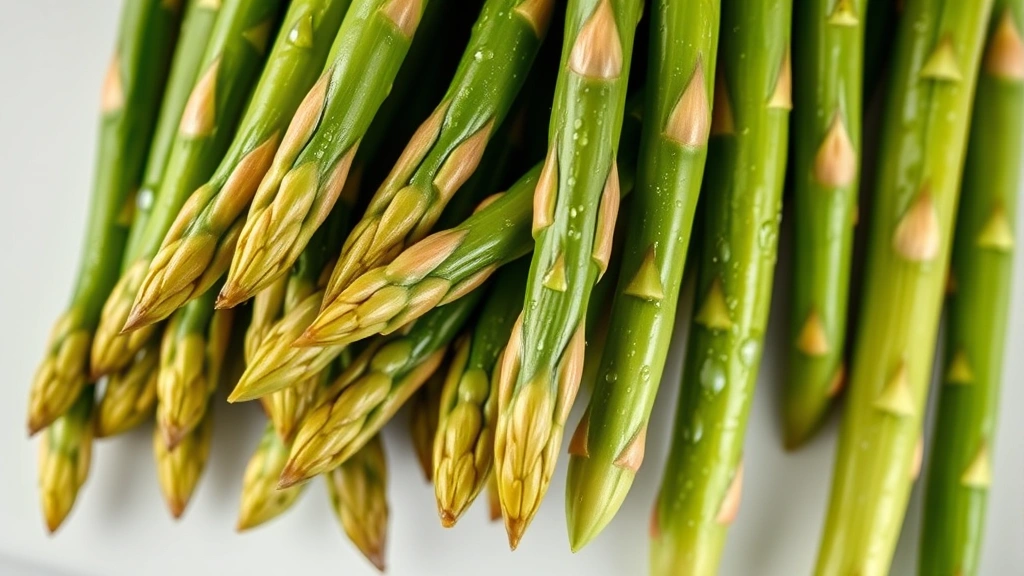
Steaming Asparagus: Expert Timing Tips
Steaming Asparagus: Expert Timing Tips for Perfect Results Every Time
Steaming asparagus is one of the simplest yet most rewarding cooking methods in the kitchen. Unlike boiling, which can leach nutrients and flavor, steaming preserves the vibrant green color, crisp-tender texture, and delicate taste that make asparagus such a beloved spring vegetable. Whether you’re preparing a weeknight side dish or impressing dinner guests, mastering the exact timing makes all the difference between perfectly tender spears and mushy disappointment.
The beauty of steamed asparagus lies in its versatility and speed. In just 4 to 8 minutes, you can transform fresh asparagus into a nutritious, restaurant-quality side dish. However, the exact cooking time depends on several factors: spear thickness, freshness, your specific steaming equipment, and personal preference for doneness. This comprehensive guide walks you through everything you need to know to steam asparagus like a professional chef, complete with timing strategies for different scenarios and expert troubleshooting tips.
Understanding Asparagus Steaming Basics
Steaming is a moist-heat cooking method that uses hot steam rather than direct contact with boiling water. This gentle approach cooks asparagus evenly while maintaining its nutritional integrity. Asparagus contains water-soluble vitamins like folate and vitamin C that dissolve in boiling water, but steaming keeps these nutrients locked inside the vegetable. Additionally, steaming prevents the sulfurous odors that develop when asparagus is boiled too long.
The fundamental principle of steaming asparagus is consistent: you need enough water to generate steam, proper spacing of the spears so steam circulates freely, and precise timing based on thickness. Unlike when you’re learning how long to blanch green beans, which requires ice baths after cooking, steamed asparagus reaches perfect tenderness without additional steps. The steam gently penetrates the spear, softening the fibrous texture while the tips remain delicate and flavorful.
Water temperature is critical. You want a rolling boil before placing asparagus in the steamer basket. Insufficient steam heat will result in limp, undercooked spears with a grainy texture. Conversely, aggressive steam doesn’t cook asparagus faster—it simply wastes energy and risks overcooking the tips while the thicker bases remain firm.
Selecting and Preparing Your Asparagus
Before steaming, proper selection and preparation determine your final results. Choose asparagus with bright green color, firm stalks, and tightly closed tips. Avoid spears that appear wilted, yellowed, or have mushy tips. Fresh asparagus from the farmers market or grocery store produce section steams more successfully than older bunches. If possible, use asparagus within two days of purchase for optimal flavor and texture.
The thickness of your asparagus bundle matters significantly for timing. Asparagus typically comes in three grades: pencil-thin (under ¼ inch diameter), medium (¼ to ½ inch), and thick (over ½ inch). Pencil-thin asparagus steams in 4 to 5 minutes, medium spears need 5 to 7 minutes, and thick asparagus requires 8 to 10 minutes. Sorting your bundle by thickness before cooking ensures even doneness—place thicker spears on the outside of your steamer basket where they receive more direct steam exposure.
Preparation is straightforward but essential. Rinse asparagus under cool running water to remove any dirt trapped between the tips. Using a vegetable peeler or sharp knife, trim the woody base from each spear. The exact amount removed depends on thickness: thin asparagus needs only ½ to 1 inch trimmed, while thick spears may require 2 to 3 inches removed. Bend each spear gently until it snaps naturally—this reveals where the tender portion begins and the tough, fibrous base ends. Discard the woody portions and pat the trimmed spears dry with paper towels.
Steaming Equipment Options
You have several equipment choices for steaming asparagus, each with distinct advantages. A traditional bamboo steamer basket is affordable, space-efficient, and delivers excellent results. These stackable baskets fit directly over a pot of boiling water, though you’ll need to ensure the pot diameter matches the basket size. Bamboo steamers distribute heat gently and are ideal for beginners.
A metal steamer basket or collapsible steamer insert works universally with various pot sizes. These adjustable baskets fit inside pots with boiling water and provide sturdy support for asparagus bundles. Metal steamers heat quickly and are highly durable, though they can occasionally conduct heat too aggressively if placed directly against the pot bottom—use a trivet or water-filled pot to prevent this issue.
Electric steamers offer precision and convenience, with built-in timers and temperature controls. These appliances are excellent if you steam vegetables frequently, as they maintain consistent steam temperature and eliminate guesswork. Some models have multiple tiers, allowing you to steam asparagus alongside other vegetables simultaneously.
For a quick improvisation, a makeshift steamer works in a pinch. Place a heatproof bowl or steaming rack inside a covered pot with ½ inch of boiling water. Set asparagus on top and cover tightly. While less elegant than dedicated steamers, this method produces perfectly steamed asparagus when proper timing is observed.
Regardless of equipment, ensure adequate ventilation and steam circulation. Overcrowding the steamer basket traps moisture and causes uneven cooking. Arrange asparagus in a single layer with tips pointing upward, allowing steam to surround each spear completely. If your bundle is large, steam in batches rather than packing them tightly together.

Exact Timing Guidelines by Thickness
Timing is where precision separates good steamed asparagus from exceptional results. Here’s a detailed breakdown by thickness category, assuming you’re starting with properly trimmed, room-temperature spears:
- Pencil-thin asparagus (under ¼ inch diameter): Steam for 4 to 5 minutes. These delicate spears cook quickly and risk becoming mushy if overdone. Check for doneness at 3 minutes and test frequently.
- Medium asparagus (¼ to ½ inch diameter): Steam for 5 to 7 minutes. This is the most common size found in grocery stores. Start checking at 4 minutes for your preferred tenderness level.
- Thick asparagus (over ½ inch diameter): Steam for 8 to 10 minutes. These substantial spears require longer cooking to penetrate the dense interior. The thicker base will finish cooking just as the tips become tender.
- Mixed-thickness bundles: Sort spears by thickness and steam separately, or position thicker spears toward the basket edges where they receive maximum steam exposure. Add thicker spears 2 to 3 minutes before thinner ones.
These times apply when using a pot with 1 to 2 inches of boiling water and a steamer basket positioned 1 to 2 inches above the water surface. Electric steamers may require slightly different timing—check your manufacturer’s guidelines and adjust based on initial results. Altitude also affects steaming time slightly; those at higher elevations may need an additional 1 to 2 minutes due to lower boiling temperatures.
Step-by-Step Steaming Instructions
Step 1: Prepare Your Equipment
Fill your pot with 1 to 2 inches of water. For a standard 2-quart pot, this is typically 2 to 3 cups of water. Place your steamer basket or insert inside the pot, ensuring it sits above the water level without touching the surface. Cover the pot with a lid and bring water to a rolling boil over high heat. You should see steady steam rising from beneath the lid—this indicates proper temperature.
Step 2: Prepare Asparagus
While water heats, rinse your asparagus thoroughly under cool running water. Pat dry with paper towels—excess moisture doesn’t affect steaming but helps spears cook more evenly. Trim the woody bases by bending each spear until it snaps naturally or using a knife to remove 1 to 3 inches depending on thickness. Arrange trimmed spears in a single layer on a clean plate, sorted by thickness if your bundle is mixed.
Step 3: Position Asparagus
Once steam is actively rising, carefully arrange asparagus in your steamer basket. Place spears with tips pointing upward and bases toward the outside edges. This positioning allows steam to circulate around all sides. Avoid overlapping or stacking spears—they should form a single, loose layer. If your basket is too small for your entire bundle, reserve half for a second batch rather than cramming them together.
Step 4: Cover and Steam
Place the lid back on the pot immediately after adding asparagus. Set a timer based on the thickness guidelines provided above. Keep the lid on throughout cooking—removing it frequently releases steam and extends cooking time unpredictably. You should hear steam hissing continuously; if this stops, check that your water level hasn’t dropped below the steamer basket.
Step 5: Test for Doneness
Begin testing 1 to 2 minutes before your estimated finish time. Pierce the thickest part of a spear with a fork or sharp knife. It should slide through with slight resistance—not mushy, but definitely not crunchy. If unsure, remove one spear, rinse under cool water to stop cooking, and taste it. Adjust remaining cooking time based on this test.
Step 6: Remove and Serve
When asparagus reaches your desired doneness, carefully remove the steamer basket from the pot (steam is very hot—use tongs and keep hands clear). Transfer asparagus to a serving plate or colander. If not serving immediately, drain any accumulated water. Serve hot, warm, or at room temperature depending on your recipe.

Testing for Perfect Doneness
Determining perfect doneness is subjective and depends on personal preference. Some people prefer asparagus with a slight crunch, while others like it tender throughout. However, there’s a sweet spot where the texture is crisp-tender—firm enough to hold its shape but soft enough to cut easily with a fork.
The fork test is the most reliable method. Pierce the thickest part of the asparagus base with the fork tines. Properly cooked asparagus should offer slight resistance—the fork should penetrate with gentle pressure but not slide through like butter. The tip should be tender enough to cut without excessive force. If the fork meets significant resistance, the asparagus needs more time. If it’s mushy and offers no resistance, cooking has gone too far.
The bend test works for thinner spears. Gently bend a cooked spear with your fingers. It should flex without breaking immediately but shouldn’t bend into a complete loop without cracking. This indicates the structure has softened appropriately without becoming mushy.
Visual cues help too. Properly steamed asparagus remains bright green, though the color may deepen slightly during cooking. Dull olive or yellowish-green indicates overcooking. The tips should still appear tightly closed and firm, not separated or drooping. Any browning or shriveling means steaming continued too long.
Temperature provides another indicator. Remove one spear and carefully touch it to your inner wrist (as you would test a baby’s bottle temperature). Properly cooked asparagus should feel hot but not painfully so. This also allows the spear to cool enough for a quick taste test without burning your mouth.
Flavor Enhancement Techniques
Plain steamed asparagus is delicious, but several enhancement techniques elevate it to impressive side-dish status. Consider these options based on your meal and preferences:
- Lemon and Garlic: Toss hot steamed asparagus with minced garlic that’s been briefly sautéed in olive oil, then finish with fresh lemon juice and zest. This classic combination brightens the asparagus flavor.
- Hollandaise Sauce: Serve steamed asparagus topped with traditional hollandaise or a quick blender version. This elegant pairing works perfectly for special dinners.
- Parmesan and Butter: Toss hot asparagus with melted butter and freshly grated Parmesan cheese. Add cracked black pepper for complexity.
- Balsamic Glaze: Drizzle cooked asparagus with balsamic reduction and a sprinkle of sea salt. The tangy sweetness complements the vegetable’s natural flavors.
- Sesame Oil and Soy: For an Asian-inspired side, toss steamed asparagus with toasted sesame oil, low-sodium soy sauce, and sesame seeds.
- Herb Infusion: Add fresh herbs like dill, tarragon, or chives to the steaming water. The aromatic steam imparts subtle flavor without overpowering the asparagus.
If you’re serving asparagus at a dinner where timing is critical—much like when you’re coordinating how long to smoke ribs at 225—prepare your flavor components in advance. Have your sauce ready or your garnish ingredients measured before steaming begins. This allows you to add finishing touches immediately while asparagus is still hot.
Common Mistakes to Avoid
Overcrowding the Steamer Basket
The most frequent mistake is packing too many asparagus spears into the basket. This prevents proper steam circulation, resulting in some spears cooking quickly while others remain undercooked. Steam requires space to surround each spear evenly. If your bundle is large, steam in two batches. Your first batch stays warm on a serving plate while you cook the second.
Insufficient Water or Steam
Starting with inadequate water in your pot means steam generation stops midway through cooking. Asparagus then finishes cooking in residual heat, often resulting in uneven doneness. Always start with at least 1 to 2 inches of water and monitor the pot during cooking. Add boiling water if the level drops significantly.
Not Trimming Properly
Leaving too much woody base on your asparagus is frustrating—diners end up with tough, inedible portions. Conversely, trimming too aggressively wastes edible vegetable. Find your spear’s natural breaking point by bending it gently until it snaps. This consistently identifies where tender portions begin.
Inconsistent Spear Thickness
Mixing pencil-thin and thick spears in the same batch creates timing challenges. Thin spears finish cooking while thick ones remain undercooked, or you cook long enough for thick spears and end up with mush on the thin ones. Sort by thickness and either steam separately or stagger them so thicker spears start cooking first.
Removing the Lid Repeatedly
Opening the pot to peek at asparagus releases steam and extends cooking time unpredictably. Set a timer and trust it. If you must check doneness, do so only once, near the end of estimated cooking time.
Cooking Asparagus Too Far in Advance
Steamed asparagus is best served immediately while still warm. If you must prepare it ahead, steam it until just barely tender, then shock it in ice water to stop cooking. Reheat gently in a warm oven (300°F for 5 minutes) or microwave (30 seconds) just before serving. This prevents overcooking during the cooling and reheating cycle.
Using Tap Water Directly
While not critical, using filtered or distilled water prevents mineral deposits from accumulating in your pot and steamer equipment. This extends your equipment’s lifespan and ensures consistent results.
Frequently Asked Questions
Can I steam asparagus without a steamer basket?
Yes. Create a makeshift steamer by placing a heatproof bowl or even crumpled aluminum foil in the bottom of a pot. Fill with ½ inch of water, place asparagus on top, cover tightly, and proceed with standard timing. Alternatively, use a metal colander placed inside a covered pot. The key is keeping asparagus above boiling water so steam—not liquid—cooks the vegetable.
What’s the difference between steaming and boiling asparagus?
Boiling submerges asparagus in water, which leaches water-soluble vitamins and minerals into the cooking liquid. Boiling also produces sulfurous odors and can result in mushy texture if timing is off by even a minute. Steaming uses moist heat without direct water contact, preserving nutrients, flavor, color, and texture control. Steaming is superior in almost every way.
How do I know if my asparagus is fresh enough to steam?
Fresh asparagus has firm, bright green spears with tightly closed tips. The cut base should appear moist and pale green, not dried out or brown. Avoid bundles with yellowing, wilting, or mushy tips. Fresh asparagus feels crisp when bent gently—old asparagus bends limply. Use asparagus within 2 to 3 days of purchase for best results, though properly stored asparagus lasts up to a week in the refrigerator.
Can I steam asparagus and other vegetables together?
Yes, but timing must align. Vegetables requiring similar cooking times work best together. For example, steam asparagus with green beans (similar 5-7 minute timing) or broccoli (5-8 minutes). Avoid pairing asparagus with root vegetables like carrots or potatoes, which require 15-20 minutes. If combining vegetables with different cooking times, add the longer-cooking ones first, then add asparagus 2-3 minutes before serving.
Is it better to steam asparagus hot or cold?
Serve steamed asparagus hot for the best flavor and texture. Hot asparagus has superior mouth-feel and flavor perception. However, room-temperature or chilled steamed asparagus works beautifully in salads or cold appetizers. If serving cold, steam until just barely tender (subtract 1-2 minutes from standard timing), then shock in ice water immediately to stop cooking. This prevents overcooking as it cools.
How long can I store steamed asparagus?
Refrigerate leftover steamed asparagus in an airtight container for up to 3 days. It can be reheated gently in a microwave (30-45 seconds) or warm oven (300°F for 5 minutes). Some people prefer it cold straight from the refrigerator. Steamed asparagus does not freeze well—the texture becomes mushy upon thawing.
What if my asparagus is still tough after steaming?
Return it to the steamer for 2-3 additional minutes. Tough asparagus indicates insufficient cooking, usually due to very thick spears or starting with older, thicker-stalked asparagus. In the future, select medium-thickness asparagus when possible, or trim more aggressively to remove tougher outer layers of very thick spears.
Can I add salt or seasonings to the steaming water?
Yes. Adding a pinch of salt to the steaming water seasons asparagus subtly from the inside out. Some cooks add a squeeze of lemon juice or a bay leaf for additional flavor. However, avoid adding so much seasoning that it becomes obvious—the asparagus flavor should remain primary. Start with ¼ teaspoon of salt per quart of water.

Related Posts

Pronounce “Pho”? A Quick Guide
How to Say “Love” in Japanese? Expert Tips