

How Long to Smoke Ribs? Expert Timing Guide
How Long to Smoke Ribs? Expert Timing Guide
There’s something almost magical about smoking ribs. The anticipation builds as smoke curls from your cooker, the aroma drifts through the neighborhood, and you know that in a few hours, you’ll be biting into meat so tender it falls off the bone. But here’s the thing: nailing the timing is what separates backyard barbecue enthusiasts from true pitmasters.
The question “how long to smoke ribs” doesn’t have a one-size-fits-all answer, and that’s exactly what makes it interesting. Variables like rib type, smoker temperature, ambient conditions, and your personal preference all play a role in determining the perfect cook time. Whether you’re working with baby backs, spare ribs, or St. Louis cuts, understanding the fundamentals will help you achieve consistent, restaurant-quality results every single time.
This guide breaks down everything you need to know about smoking ribs, from the initial prep work through the final rest. You’ll learn the timing strategies that actually work, the tricks professional barbecuers swear by, and how to troubleshoot when things don’t go exactly to plan.
Understanding Different Rib Types
Not all ribs are created equal, and understanding the differences is crucial for getting your timing right. Each cut has distinct characteristics that directly impact how long it takes to smoke.
Baby Back Ribs are the most popular choice for backyard smoking. These come from the upper portion of the rib cage and are smaller and more tender than other varieties. They typically weigh between 1.5 to 2.5 pounds and are the fastest option to smoke, usually taking 5 to 6 hours at 225°F.
Spare Ribs are larger and fattier than baby backs, cut from the lower portion of the rib cage. They contain more connective tissue and meat between the bones, which means they need more time to break down properly. Plan for 6 to 7 hours at 225°F for spare ribs to reach that ideal tender texture.
St. Louis Style Ribs fall somewhere in the middle. These are spare ribs that have been trimmed into a rectangular shape, making them more uniform and easier to cut. Cooking time is typically 5 to 6 hours at 225°F, similar to baby backs but with slightly more robust flavor due to the additional fat content.
Beef Ribs are a whole different beast. These massive bones can weigh several pounds each and require significantly longer smoking times, often 8 to 10 hours or more. If you’re curious about other smoking projects, you might also enjoy exploring how long to smoke a brisket, which shares similar low-and-slow principles.
Preparation and Setup
Before you even think about timing, proper preparation sets the stage for success. Skipping these steps or rushing through them will throw off your entire cook.
Trimming Your Ribs is the first step. Remove the thin membrane on the back of the ribs by sliding a butter knife under it and peeling it away. This allows smoke and seasoning to penetrate the meat more effectively. Trim any excessive fat, but leave a thin layer—it protects the meat and adds flavor.
Seasoning Strategy matters more than most people realize. Apply your dry rub generously at least 30 minutes before smoking, though overnight is even better. This allows the salt to begin breaking down the muscle fibers and creating a better bark. Some pitmasters prefer a light coating of mustard or oil before the rub, which helps everything adhere better and promotes better color development.
Smoker Preparation is non-negotiable. Get your smoker to the target temperature 15 to 20 minutes before placing the ribs on the grates. Use a reliable thermometer—not the one built into your smoker, as they’re often inaccurate. Place the thermometer at grate level where the ribs will sit. Consistency in temperature is more important than hitting it perfectly; aim for a range of 225 to 250°F.
Wood Selection influences both timing and flavor. Different woods burn at different rates and produce varying smoke intensities. Hickory, oak, and apple are classic choices that won’t overpower the ribs. Avoid softwoods like pine or spruce, which create acrid smoke and can affect timing unpredictably.
Popular Smoking Methods and Timelines
There’s no single “correct” way to smoke ribs, but certain methods have proven themselves over decades of barbecuing. Each approach offers different advantages and slightly different timing considerations.
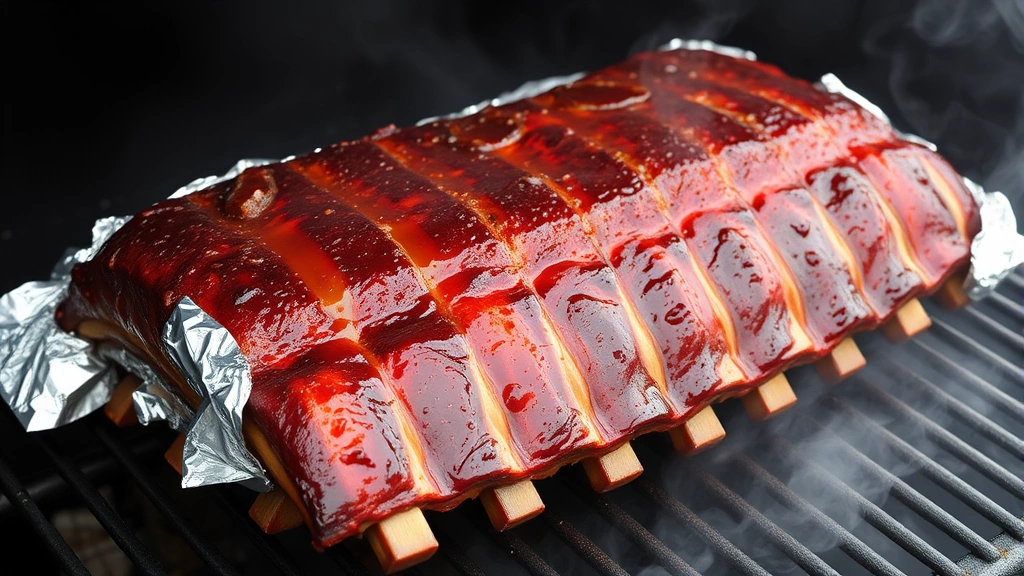
The 3-2-1 Method is perhaps the most famous approach, especially for baby back ribs. Smoke for 3 hours unwrapped, then wrap in foil with butter and brown sugar for 2 hours, and finally finish unwrapped for 1 hour. This method produces tender ribs with a nice bark and typically yields excellent results. The wrapping phase is crucial—it creates a steaming environment that accelerates the breakdown of connective tissue, significantly reducing total cooking time compared to smoking unwrapped the entire duration.
The 2-2-3 Method works well for spare ribs and produces slightly different results. Smoke for 2 hours, wrap for 2 hours, then finish for 3 hours. The longer final phase allows the bark to develop more thoroughly and the exterior to firm up slightly, creating better texture and bite.
Low-and-Slow Unwrapped is the traditional approach that some purists prefer. This method skips the wrapping phase entirely and lets the ribs smoke at 225°F for the full duration—typically 6 to 8 hours depending on rib type. While this takes longer, it produces a thicker, crunchier bark and more pronounced smoke ring. This method requires patience but rewards you with exceptional flavor complexity.
The Hot and Fast Method is gaining popularity among those short on time. Smoking at 275 to 300°F reduces cooking time to 4 to 5 hours for baby backs. While this produces good results, some enthusiasts argue it doesn’t develop quite the same depth of flavor as lower-temperature smoking. The faster rendering of fat means you need to monitor more closely to prevent drying out.
Temperature and Timing Chart
Here’s a practical reference for different rib types and smoking methods:
- Baby Back Ribs at 225°F: 5-6 hours (unwrapped) or 3-2-1 method (6 hours total)
- Spare Ribs at 225°F: 6-7 hours (unwrapped) or 2-2-3 method (7 hours total)
- St. Louis Ribs at 225°F: 5-6 hours (unwrapped) or 3-2-1 method (6 hours total)
- Baby Back Ribs at 250°F: 4.5-5.5 hours (unwrapped) or 2.5-2-1 method (5.5 hours total)
- Spare Ribs at 250°F: 5.5-6.5 hours (unwrapped)
- Baby Back Ribs at 275°F: 4-5 hours (hot and fast method)
- Beef Ribs at 225°F: 8-10 hours (unwrapped)
These times are starting points. Actual cooking time depends on rib thickness, meat quality, smoker consistency, and outside temperature. During winter smoking, add 30 to 45 minutes to account for heat loss. In summer, you might shave off 15 to 30 minutes if your smoker runs hot.
How to Tell When Ribs Are Done
Stop watching the clock and start using these proven methods to determine actual doneness. This is where experience beats timing guides every time.
The Bend Test is the most reliable indicator. Using tongs, pick up the rack in the middle. If the ribs bend easily and the meat starts to tear but doesn’t completely separate, they’re done. If they’re still rigid, they need more time. If they fall apart completely, you’ve cooked them too long (though many people actually prefer this level of tenderness).
The Toothpick Test works surprisingly well. Slide a toothpick between the bones into the meat. It should slide through with minimal resistance, similar to inserting it into butter. If you feel significant resistance, the ribs need more time.
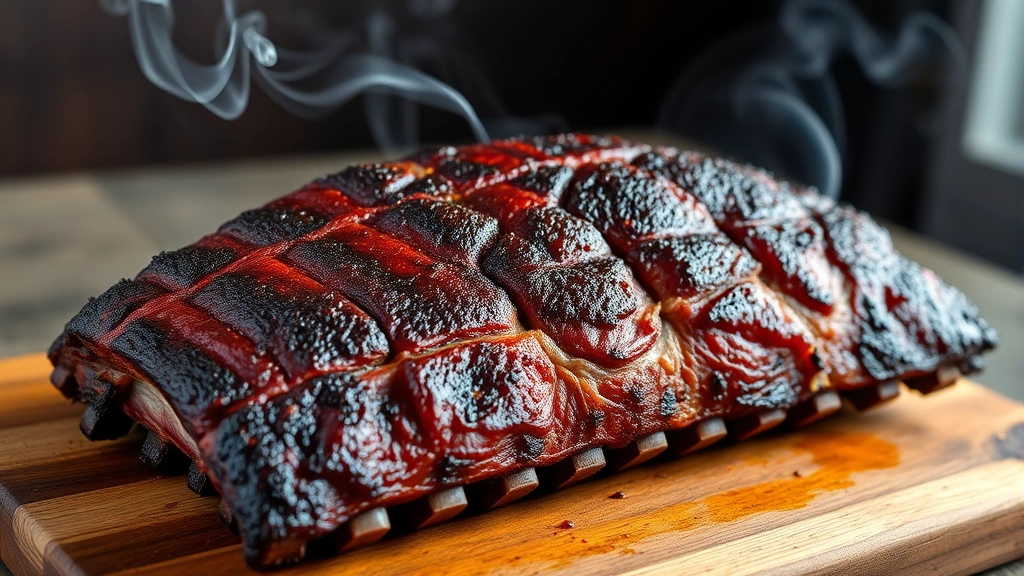
The Bark Assessment is visual. The outer surface should be dark brown or nearly black, with a slight sheen from rendered fat. The bark should have a slight crunch when you bite into it. If it still looks wet or overly moist, the ribs aren’t quite ready.
Internal Temperature is less critical for ribs than for other meats, but it’s still useful. Probe the meat between the bones; it should read around 190 to 203°F. However, tenderness matters more than temperature for ribs, so don’t rely solely on this metric.
If you’re working on other smoking projects, similar doneness principles apply. For instance, when smoking a pork butt, you’ll also rely heavily on the probe test and feel rather than strict timing.
The Wrapping Technique Explained
Wrapping is where many people lose control of their timing. Understanding the mechanics helps you adjust timing to your specific situation.
Why Wrap? Wrapping in foil or butcher paper creates a moist cooking environment that accelerates the breakdown of collagen into gelatin. This is why wrapped ribs finish much faster than unwrapped ones. The trade-off is slightly less bark development, though this is easily managed by the final unwrapped phase.
The Wrap Process is straightforward but requires attention. Tear off a large piece of foil or butcher paper. Place the ribs in the center, meat-side up. Add butter, brown sugar, honey, and a splash of apple juice or cider vinegar. Fold the paper tightly around the ribs, creating a sealed packet. Some people prefer butcher paper because it breathes slightly better than foil, preventing the ribs from becoming overly steamed.
Timing Adjustments During Wrapping depend on your target texture. If you want maximum tenderness, wrap tightly to create maximum steam. If you prefer slightly firmer texture with more bark, wrap more loosely or use butcher paper instead of foil. These adjustments can add or subtract 20 to 30 minutes from your total cook time.
The Unwrap Phase is critical. Remove the ribs from their wrapping carefully—they’ll be extremely hot and delicate. Pat them dry with paper towels to remove excess moisture. Return them to the smoker, meat-side up, for the final phase. This is when the bark firms up and the exterior develops that desirable crust.
Common Mistakes That Throw Off Timing
Even experienced smokers sometimes get timing wrong. Here are the most common culprits.
Inconsistent Temperature Control is the biggest timing killer. If your smoker fluctuates between 200 and 250°F, you can’t predict cooking time accurately. Invest in a quality thermometer and learn your smoker’s quirks. Most smokers have hot spots and cool zones; position your ribs accordingly and rotate them halfway through cooking.
Opening the Smoker Too Often adds significant time to your cook. Every time you lift the lid, you lose 15 to 20 minutes of cooking time as temperature drops and you have to rebuild it. Plan your checks strategically—perhaps at the 2-hour mark and then again when it’s time to wrap.
Ignoring Weather Conditions throws off predictions dramatically. Cold, windy days require more fuel and time. Snow or rain increases cooking time by 30 to 45 minutes. Wind can cause temperature swings of 20°F or more. Account for these factors when planning your cook.
Using Thin, Low-Quality Ribs cooks faster but doesn’t give you much room for error. Premium ribs with consistent thickness cook more predictably. Thin spots cook faster than thick spots, leading to uneven doneness.
Not Allowing for Resting throws off your entire timeline. After removing ribs from the smoker, let them rest for 10 to 15 minutes before cutting. This allows juices to redistribute and the meat to firm up slightly, making slicing cleaner and the meat more tender when you bite into it.
For comparison, similar timing mistakes affect other smoking projects. When smoking a turkey, temperature consistency becomes even more critical due to food safety concerns.
Frequently Asked Questions
What’s the minimum time to smoke ribs?
Using the hot and fast method at 275 to 300°F, baby back ribs can be ready in 4 to 5 hours. However, this sacrifices some flavor development. The traditional 225°F approach, while taking longer, produces superior results for most palates. If you’re in a genuine time crunch, the hot and fast method works, but plan for at least 4 hours minimum.
Can I smoke ribs overnight?
Absolutely. Many pitmasters prefer smoking overnight because they can set it and forget it, and they wake up to finished ribs. Use the low-and-slow unwrapped method at 225°F. Set up your smoker around 8 or 9 PM, and ribs should be ready by morning. This requires a reliable smoker that maintains temperature consistently and adequate fuel for 8+ hours.
How do I know if my ribs are undercooked?
Undercooked ribs will be tough and chewy. The meat won’t pull cleanly from the bone, and when you bend the rack, it won’t flex easily. The probe should meet significant resistance. If this happens, return them to the smoker for another hour and retest. There’s no food safety risk with undercooked ribs like there is with poultry or pork butts—it’s purely a texture issue.
Is there a difference in timing between pork and beef ribs?
Yes, significantly. Beef ribs are much larger and have thicker bones, requiring 8 to 10 hours at 225°F compared to 5 to 6 hours for pork baby backs. Beef ribs have more connective tissue that takes longer to render. The 3-2-1 method doesn’t work as well for beef; instead, use a 4-3-2 ratio or just smoke them low and slow unwrapped.
What if my ribs are done too early?
This is actually easier to handle than ribs not being done. Wrap finished ribs tightly in foil and place them in a cooler with towels. They’ll stay hot and moist for 2 to 3 hours. You can also increase smoker temperature by 25°F to speed up the process slightly, though this risks over-cooking the exterior.
Should I use apple juice during smoking?
Apple juice isn’t necessary but many pitmasters use it during the wrapping phase for added moisture and subtle sweetness. It prevents the ribs from drying out during the moist cooking phase. However, ribs will cook fine without it. If you use it, apply it during wrapping, not by spritzing throughout the cook—spritzing extends cooking time and prevents bark formation.
How does altitude affect smoking time?
At higher altitudes, water boils at lower temperatures, which affects the cooking process. Add 15 to 20% more time when smoking above 5,000 feet elevation. This is because the lower atmospheric pressure means heat transfer is less efficient. If you live in Denver or higher elevation areas, expect to add 45 to 60 minutes to your standard cooking times.
Can I smoke ribs in a gas smoker versus charcoal?
Timing is essentially the same between gas and charcoal smokers if temperature is maintained equally. Gas smokers are often easier to control, which means more consistent timing. Charcoal smokers can produce more pronounced smoke flavor but require more attention to temperature management. The cooking method matters less than temperature consistency.

Related Posts

How Long to Boil Lobster Tails: Cooking Guide

How Long to Fly from New York to London? Travel Times
