
How Long to Grill Pork Chops: Expert Guide
How Long to Grill Pork Chops: Expert Guide to Perfect Results Every Time
There’s something undeniably satisfying about the sizzle of pork chops hitting a hot grill. That sound alone signals you’re about to create something delicious. But here’s the thing: nailing the perfect pork chop requires more than just wishful thinking and a prayer to the grilling gods. Timing is everything, and getting it wrong can mean the difference between juicy, tender meat and something that resembles a hockey puck.
Grilling pork chops might seem straightforward, but there’s genuine technique involved. The thickness of your chops, the temperature of your grill, and how you handle them during cooking all play crucial roles in the final result. This guide walks you through everything you need to know to become a pork chop grilling master, from selecting the right cuts to nailing that perfect sear and gentle finish.
Whether you’re preparing a weeknight dinner or impressing guests at a backyard gathering, understanding how long to grill pork chops takes the guesswork out of your cooking. Let’s dive into the specifics that will transform your grilling game.
Why Thickness Matters Most
Before we talk about time, let’s address the elephant on the grill: not all pork chops are created equal. The thickness of your chop is the single most important factor in determining cooking time, and it’s where most home cooks make their first mistake.
Thin pork chops, typically around half an inch thick, cook incredibly fast. We’re talking 3-4 minutes total. This speed creates a real challenge because it’s easy to overcook them before you realize what’s happening. Thicker chops, around 1.5 inches or more, give you a comfortable window to work with and actually allow for better results because you can develop a nice crust while keeping the inside tender.
The sweet spot for most grilling situations is chops that are between three-quarters of an inch and 1.25 inches thick. This thickness range gives you enough time to develop flavor through the Maillard reaction (that’s the fancy term for browning) while maintaining a juicy interior. Anything thinner than half an inch and you’re gambling with dryness. Anything thicker than 1.5 inches and you’ll need indirect heat methods to avoid charring the outside before the inside cooks through.
Here’s a practical tip: if your butcher is cutting thin chops, ask them to go thicker. Most will accommodate, and you’ll immediately notice the difference in your grilling results. Similarly, if you’re buying pre-packaged chops and they’re on the thin side, you can always pound them gently to an even thickness, though this isn’t ideal for pork.
Grill Temperature Guide
Temperature control separates the mediocre grillers from the ones who consistently nail it. For pork chops, you want your grill hot enough to create a proper sear, but not so hot that you char the outside while leaving the inside raw.
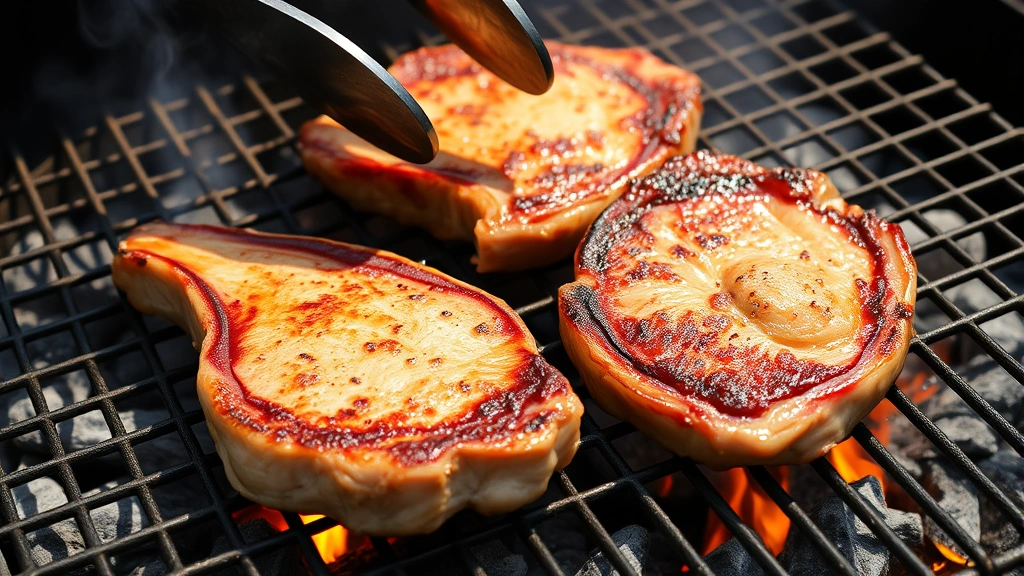
The ideal grill temperature for pork chops is between 375°F and 400°F. This is medium-high heat, and it’s hot enough to create that beautiful golden-brown crust without being so aggressive that it burns. If you’re working with a gas grill, you can simply adjust the burners. With a charcoal grill, you’ll need to manage your coal placement and height of your grates.
To check your grill temperature without a thermometer, use the hand test. Hold your hand about 6 inches above the grill grate. If you can hold it there comfortably for 3-4 seconds before pulling away, you’re in the right zone. If you can only last 2 seconds, it’s too hot. If you can last longer than 4 seconds, it needs more heat.
One often-overlooked detail: let your grill preheat for at least 10-15 minutes. This ensures consistent heat across the entire cooking surface and gives you the best chance at even cooking. Many grilling disappointments trace back to rushing this step.
Exact Cooking Times by Thickness
Now we get to the heart of the matter. Here’s what you need to know about actual cooking times:
Half-inch thick chops: 2-3 minutes per side (total: 4-6 minutes). These cook fast and are prone to drying out. Watch them closely and don’t walk away from the grill.
Three-quarter inch thick chops: 3-4 minutes per side (total: 6-8 minutes). This is a manageable thickness that gives you a reasonable cooking window.
One-inch thick chops: 4-5 minutes per side (total: 8-10 minutes). This is the ideal thickness for most home grilling situations. You get good browning and time to ensure the center reaches proper temperature without overcooking.
1.25 to 1.5 inch thick chops: 5-6 minutes per side (total: 10-12 minutes). These thicker chops benefit from a two-zone cooking method where you sear them over direct heat, then finish over indirect heat.
These times assume your grill is at the proper 375-400°F temperature. Adjust accordingly if your grill runs hotter or cooler. Also keep in mind that these are guidelines, not gospel. Factors like ambient temperature, humidity, and your specific grill’s personality all influence actual cooking time.
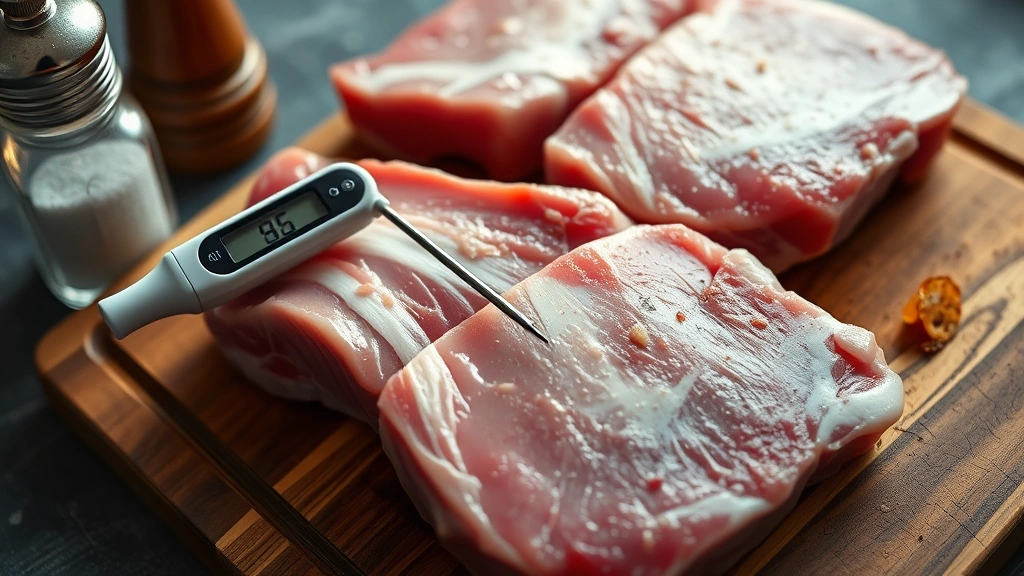
One smart approach: use a meat thermometer. This removes all the guesswork and is honestly the best investment you can make in your grilling arsenal. Pork is safely cooked when it reaches an internal temperature of 145°F, with a three-minute rest after cooking. This USDA guideline is slightly lower than older recommendations, and it results in pork that’s actually juicy instead of dried out.
Preparation Steps for Success
What happens before your chops hit the grill is just as important as what happens during cooking. Proper preparation sets you up for success.
Pat them dry: Use paper towels to thoroughly dry your pork chops. Moisture is the enemy of a good sear. Wet meat steams instead of browning, and you’ll miss out on that delicious crust.
Season generously: Don’t be shy with salt and pepper. Season both sides and let them sit for 15-30 minutes before grilling. This allows the seasoning to penetrate and the surface to dry slightly, improving your chances of a good sear. If you’re interested in more advanced seasoning techniques, understanding how to season cooking surfaces can enhance your overall grilling approach.
Bring them to room temperature: Take your pork chops out of the refrigerator 20-30 minutes before grilling. Cold meat placed on a hot grill tends to cook unevenly, with the outside overdone before the inside reaches temperature. Room temperature meat cooks more evenly throughout.
Oil your grates: Clean, well-oiled grates prevent sticking and help create those attractive grill marks. Use a high-smoke-point oil like vegetable or canola oil. Dip a folded paper towel in oil and use tongs to wipe it across the grates just before cooking.
How to Check for Doneness
This is where a meat thermometer becomes your best friend. Insert it horizontally into the thickest part of the chop, making sure the tip doesn’t touch bone if there is one. You’re looking for 145°F for medium doneness with a three-minute rest.
If you don’t have a thermometer, the touch test works reasonably well. The fleshy area between your thumb and forefinger at rest feels like rare meat. Touch your thumb to your index finger and that same area feels like medium-rare. Continue moving your thumb to each finger and the firmness increases through medium and medium-well. Compare that firmness to your pork chop.
Visual cues help too. Properly cooked pork has a light pink center, not white (which indicates overcooking) and definitely not raw red. The juices should run mostly clear with just a hint of pink.
Pro Tips and Common Mistakes
Don’t flip too often: Resist the urge to constantly flip your chops. Flip once, maybe twice maximum. Every time you flip, you interrupt the searing process and release juices. More flipping doesn’t lead to better results.
Use the two-zone method for thick chops: Set up your grill with one side at medium-high heat (direct) and one side at medium heat (indirect). Sear your chops over direct heat, then move them to indirect heat to finish cooking gently. This prevents burning the outside while the inside catches up.
Don’t skip the rest: After removing chops from the grill, let them rest for 3-5 minutes. This allows carryover cooking to finish the job and lets juices redistribute throughout the meat. If you cut into them immediately, all those juices run out onto your plate instead of staying in the meat.
Watch for flare-ups: Pork fat can cause flare-ups on a grill. Keep a spray bottle of water nearby to control flames, but use it sparingly to avoid cooling your grill too much.
Avoid the thick-and-thin problem: All your chops should be roughly the same thickness so they finish cooking at the same time. If you have one thick chop and one thin chop, they’ll finish at different times.
When comparing different grilling projects, you’ll notice timing patterns. Just like learning how long to grill burgers teaches you about heat management, mastering pork chops develops skills that transfer across all your grilling endeavors.
The Critical Resting Period
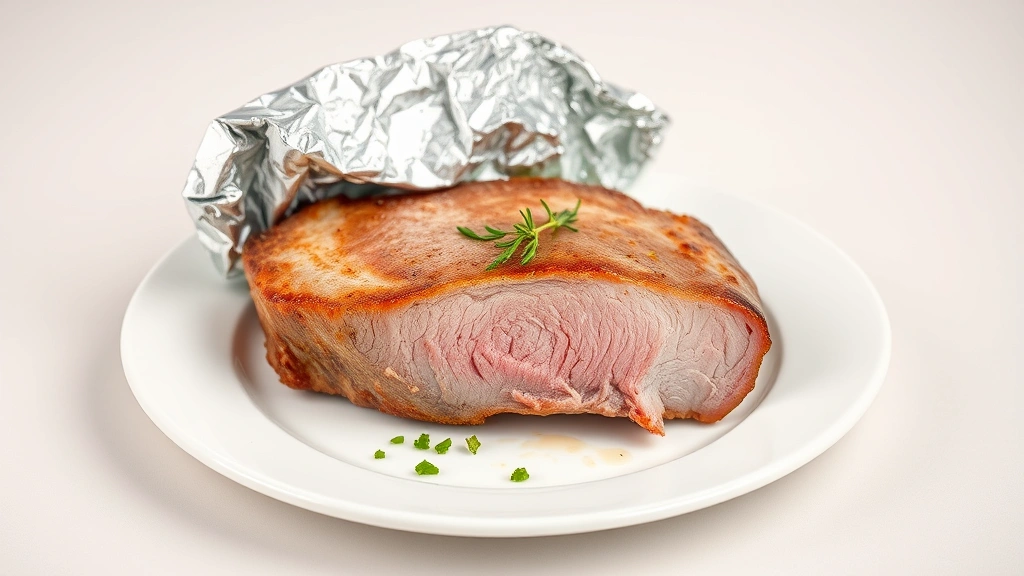
The resting period is where many home cooks fail, and it’s such an easy step to get right. After your pork chops reach 145°F internal temperature, remove them from the grill and place them on a clean plate or cutting board. Tent them loosely with aluminum foil if you want to keep them warm while you finish other sides.
During this 3-5 minute rest, several important things happen. First, carryover cooking continues, potentially bringing the internal temperature up a few degrees. Second, the muscle fibers relax and reabsorb moisture. If you cut into a chop immediately after grilling, you’ll see all the juices run out. Let it rest and those juices stay put, making each bite juicier and more tender.
Think of it this way: you’ve worked hard to cook that pork chop perfectly. Don’t undo all that effort by cutting into it before the residual heat and resting period complete the job.
If you’re planning an entire meal, time your sides to be ready right around when your pork chops finish resting. This way everything comes to the table hot and ready simultaneously. Similar timing coordination applies whether you’re working on how long to smoke ribs or any other grilling project.
Frequently Asked Questions
Can I grill frozen pork chops?
Technically yes, but it’s not ideal. Frozen pork chops take significantly longer to cook and cook unevenly. The outside will overcook before the inside reaches temperature. Thaw them in the refrigerator overnight or use the cold water method (sealed bag in cold water, changing the water every 30 minutes) for 1-2 hours depending on thickness. You’ll get much better results with thawed chops.
What’s the difference between bone-in and boneless pork chops for grilling?
Bone-in chops actually cook slightly faster because the bone conducts heat to the interior. Boneless chops require slightly more time. The difference is minimal (maybe 30-60 seconds), but bone-in chops also tend to be more flavorful. Both work great on the grill; just be aware of this slight timing difference.
Should I brine my pork chops before grilling?
Brining is optional but recommended. A basic brine of salt, sugar, and water for 4-12 hours improves juiciness and tenderness significantly. If you skip brining, make sure to salt your chops generously at least 15 minutes before grilling. The salt helps retain moisture during cooking.
Can I use a grill pan instead of a regular grill?
Yes, grill pans work well for pork chops. Use the same temperature and timing guidelines. Grill pans won’t give you those classic grill marks, but they provide excellent heat control and are great for apartment dwellers or bad weather situations.
What’s the best marinade for pork chops?
Simple marinades work best. A combination of oil, acid (lemon juice or vinegar), and seasonings is ideal. Avoid overly acidic marinades that can make the meat mushy. 2-4 hours of marinating is usually sufficient. If you’re marinating longer than 8 hours, reduce the acid content.
How do I prevent pork chops from sticking to the grill?
Clean and oil your grates thoroughly just before cooking. Make sure the meat is dry before it touches the grill. Don’t move the chops around constantly; let them develop a crust before flipping. A good crust will naturally release from the grate.
Can I grill pork chops on charcoal versus gas?
Absolutely, both work great. Charcoal often provides slightly better flavor due to the smoke, while gas offers easier temperature control. The cooking times remain the same; just adjust your heat management method accordingly.
What if my chops are different thicknesses?
If you must grill chops of varying thickness, place the thicker ones on the grill first, then add the thinner ones a couple minutes later. This way they should finish around the same time. Ideally, though, ask your butcher to cut them uniformly.
Is it okay if pork chops have a slight pink center?
Yes! Modern USDA guidelines say pork is safely cooked at 145°F, which often results in a slight pink center. This is perfectly safe and results in much juicier, more tender meat than the old well-done standard. Many chefs and home cooks actually prefer this level of doneness.
How long can I keep grilled pork chops?
Properly stored, cooked pork chops last 3-4 days in the refrigerator. Store them in an airtight container. You can reheat them gently in the oven at 325°F until warmed through. If you’re curious about reheating techniques, learning how to reheat steak applies similar principles to other grilled meats.

Related Posts

How Long to Boil Lobster Tails: Cooking Guide

How Long to Fly from New York to London? Travel Times
