

Perfectly Tender Chicken: Boil Chicken Breast in Just 12 Minutes
Cooking perfectly tender chicken breast can be a challenge for many home cooks. The key to achieving juicy, flavorful chicken lies in understanding the optimal boiling time and technique. When you know exactly how long to boil chicken breast, you’ll never have to worry about dry, overcooked meat again.
Boiling chicken breast is one of the most straightforward and healthy cooking methods available. Not only does it preserve the protein content and nutritional value of the meat, but it also creates a versatile base for countless recipes. Whether you’re meal prepping for the week, making chicken salad, or preparing ingredients for soup, properly boiled chicken breast serves as an excellent foundation for nutritious meals.
The Science Behind Boiling Chicken Breast
Understanding the science behind boiling chicken breast helps you achieve consistent results every time. Chicken breast contains proteins that coagulate when heated, and the collagen breaks down into gelatin, creating tender, moist meat when cooked properly. The key is maintaining the right temperature and timing to prevent overcooking.
When chicken breast is exposed to boiling water at 212°F (100°C), the proteins begin to denature immediately. The outer layer cooks first, then heat gradually penetrates to the center. For a standard 6-8 ounce chicken breast that’s about 1 inch thick, 12 minutes provides the perfect balance between thorough cooking and moisture retention.
The boiling method works particularly well because the moist heat environment prevents the meat from drying out, unlike dry heat methods such as grilling or baking. This gentle cooking process ensures that the chicken remains tender while reaching the safe internal temperature of 165°F (74°C) as recommended by the USDA Food Safety and Inspection Service.
Preparation Steps for Perfect Results
Proper preparation is crucial for achieving perfectly boiled chicken breast. Start by selecting fresh, high-quality chicken breasts of similar size to ensure even cooking. If your chicken breasts vary significantly in thickness, consider pounding them to an even thickness of about 1 inch.
Before cooking, inspect your chicken carefully, similar to how to tell if eggs are bad – look for any signs of spoilage such as off-odors, slimy texture, or discoloration. Fresh chicken should have a mild smell and firm texture.
Pat the chicken breasts dry with paper towels and trim any excess fat. While not necessary for the cooking process, removing excess fat can improve the final texture and appearance of your boiled chicken. Season the chicken with salt and pepper, or your preferred seasonings, at least 15 minutes before cooking to allow the flavors to penetrate the meat.
The 12-Minute Cooking Process
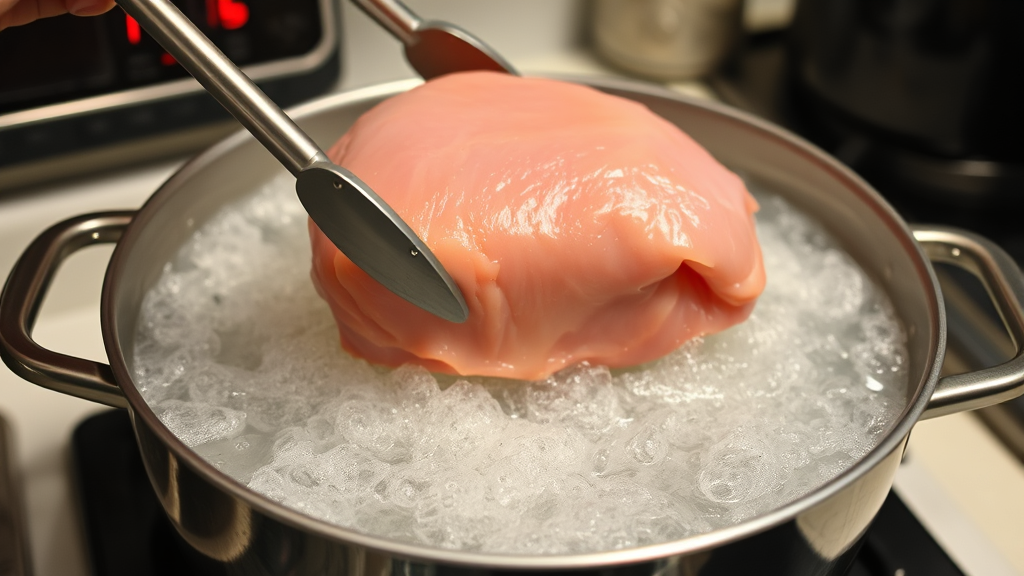
The actual cooking process is straightforward but requires attention to timing and temperature. Fill a large pot with enough water to cover the chicken breasts by at least 1 inch. Bring the water to a rolling boil over high heat.
Once the water reaches a full boil, carefully add the seasoned chicken breasts using tongs. The water temperature will drop temporarily, so return it to a boil as quickly as possible. Once boiling resumes, reduce the heat to maintain a gentle boil and start your 12-minute timer.
During cooking, avoid lifting the lid frequently, as this releases steam and heat, potentially extending the cooking time. If you need to check the chicken, do so quickly. The chicken is done when it reaches an internal temperature of 165°F (74°C) when measured with a meat thermometer at the thickest part.
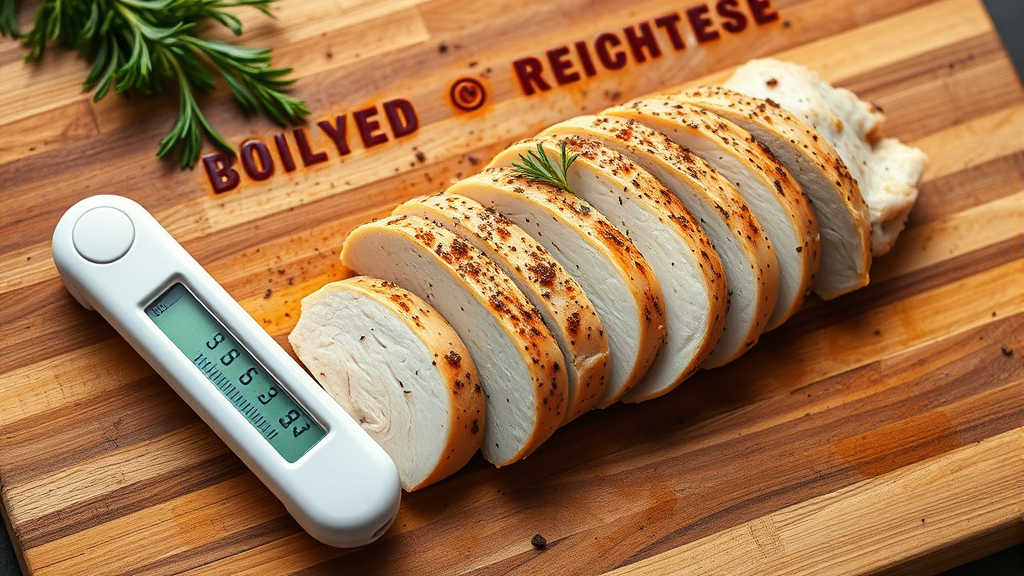
After 12 minutes, immediately remove the chicken from the boiling water and place it on a cutting board. Allow the chicken to rest for 3-5 minutes before slicing. This resting period allows the juices to redistribute throughout the meat, ensuring maximum tenderness and flavor.
Temperature and Food Safety Guidelines
Food safety is paramount when cooking chicken, and understanding proper temperature guidelines protects your family from foodborne illness. The Centers for Disease Control and Prevention emphasizes that chicken must reach an internal temperature of 165°F (74°C) to eliminate harmful bacteria such as Salmonella and Campylobacter.
Use a reliable instant-read thermometer to check the temperature at the thickest part of the breast, avoiding contact with bone if present. The thermometer should read 165°F (74°C) or higher. If the temperature is below this threshold, return the chicken to the boiling water for additional 1-2 minute intervals until the proper temperature is reached.
Remember that carryover cooking continues to raise the internal temperature even after removing the chicken from heat. This is why the 12-minute timing works so well for standard-sized chicken breasts – it accounts for this continued cooking process during the resting period.
Flavoring and Seasoning Techniques
While boiled chicken breast is naturally mild, there are numerous ways to enhance its flavor during and after cooking. Adding aromatics to the cooking water creates a flavorful poaching liquid that infuses the meat with subtle flavors. Consider adding bay leaves, peppercorns, garlic cloves, onion quarters, or fresh herbs like thyme or rosemary to the water.
For a more pronounced flavor, create a court bouillon by adding white wine, lemon juice, or chicken broth to the cooking liquid. These acidic ingredients also help tenderize the meat slightly while adding depth of flavor. Salt the cooking water generously – about 1 tablespoon per quart of water – to season the chicken throughout the cooking process.
Post-cooking seasoning options are virtually limitless. The neutral flavor of boiled chicken breast makes it perfect for international cuisines. Shred it for Mexican-inspired dishes, cube it for Asian stir-fries, or slice it for Mediterranean salads. The versatility of properly boiled chicken breast makes it an excellent meal prep staple.
Storage and Meal Prep Tips
Properly cooked and stored boiled chicken breast can last 3-4 days in the refrigerator, making it excellent for meal preparation. Allow the chicken to cool completely before refrigerating, and store it in airtight containers to prevent contamination and maintain moisture.
For longer storage, boiled chicken breast freezes well for up to 3 months. Wrap individual portions in plastic wrap or aluminum foil before placing in freezer bags. Label with the date and contents for easy identification. When ready to use, thaw frozen chicken in the refrigerator overnight.
Just as maintaining cleanliness is important when learning how to clean a washing machine, proper food storage requires attention to hygiene and organization. Keep cooked chicken separate from raw proteins and use clean utensils when handling stored chicken to prevent cross-contamination.
Troubleshooting Common Issues
Even with proper technique, you may encounter occasional issues when boiling chicken breast. Dry, tough chicken typically results from overcooking or using chicken that was previously frozen and thawed improperly. If your chicken consistently turns out dry, try reducing the cooking time by 1-2 minutes and check the internal temperature more frequently.
Unevenly cooked chicken usually indicates pieces of different sizes or thicknesses. Solve this by selecting similar-sized breasts or butterflying thicker pieces to create uniform thickness. Alternatively, remove smaller pieces earlier when they reach the proper internal temperature.
If your chicken tastes bland despite seasoning, the issue may be insufficient salt in the cooking water or inadequate seasoning time before cooking. Season chicken at least 15 minutes before cooking, and don’t hesitate to salt the cooking water generously. Remember, much of the salt stays in the cooking liquid rather than the meat itself.
Some cooks worry about white foam or scum that appears on the water surface during cooking. This is normal and consists of proteins and impurities that coagulate when heated. Simply skim it off with a spoon for a clearer cooking liquid, though it doesn’t affect the safety or quality of the finished chicken.
Frequently Asked Questions
How long should I boil chicken breast for maximum tenderness?
For standard 6-8 ounce chicken breasts about 1 inch thick, 12 minutes of boiling time provides optimal tenderness while ensuring food safety. Larger or thicker pieces may require 15-18 minutes, while smaller pieces might be done in 8-10 minutes. Always verify doneness with a meat thermometer reading 165°F (74°C) at the thickest part.
Can I boil frozen chicken breast directly?
While it’s possible to boil frozen chicken breast, it’s not recommended for food safety reasons. Frozen chicken takes significantly longer to reach safe internal temperatures, and the exterior may overcook before the center is properly heated. Always thaw chicken completely in the refrigerator before boiling for best results and food safety, as recommended by the FDA Food Safety guidelines.
Should the water be boiling the entire cooking time?
Start with rapidly boiling water, add the chicken, then return to a boil quickly. Once boiling resumes, reduce heat to maintain a gentle but steady boil throughout the 12-minute cooking period. A rolling boil isn’t necessary and may cause the chicken to become tough from aggressive agitation.
How can I tell if boiled chicken breast is done without a thermometer?
While a thermometer is the most reliable method, you can check doneness by cutting into the thickest part of the breast. The meat should be completely white with no pink areas, and juices should run clear. The texture should feel firm but not hard when pressed. However, using a thermometer is strongly recommended for food safety, similar to how precision matters when you how to check engine oil levels properly.
What should I do with the cooking liquid after boiling chicken?
The cooking liquid, especially if seasoned with aromatics, makes excellent chicken stock or broth. Strain out any solids, cool completely, and refrigerate for up to 3 days or freeze for up to 3 months. This flavorful liquid works wonderfully in soups, rice dishes, or anywhere chicken broth is called for. According to University of Minnesota Extension, homemade stock provides better flavor control than commercial alternatives.
Is boiled chicken breast healthy?
Boiled chicken breast is extremely healthy, providing high-quality protein with minimal added fats. This cooking method preserves most of the chicken’s nutrients while requiring no additional oils or fats. A 3.5-ounce serving provides approximately 165 calories and 31 grams of protein, making it excellent for weight management and muscle building.
Can I season the chicken after boiling instead of before?
While you can season boiled chicken breast after cooking, pre-seasoning and seasoning the cooking water provides better flavor penetration. Post-cooking seasonings work well for specific dishes but may not penetrate the meat as effectively. For best results, season before cooking and adjust flavors afterward as needed for your specific recipe.

Related Posts

How Long to Boil Lobster Tails: Cooking Guide

How Long to Fly from New York to London? Travel Times
