
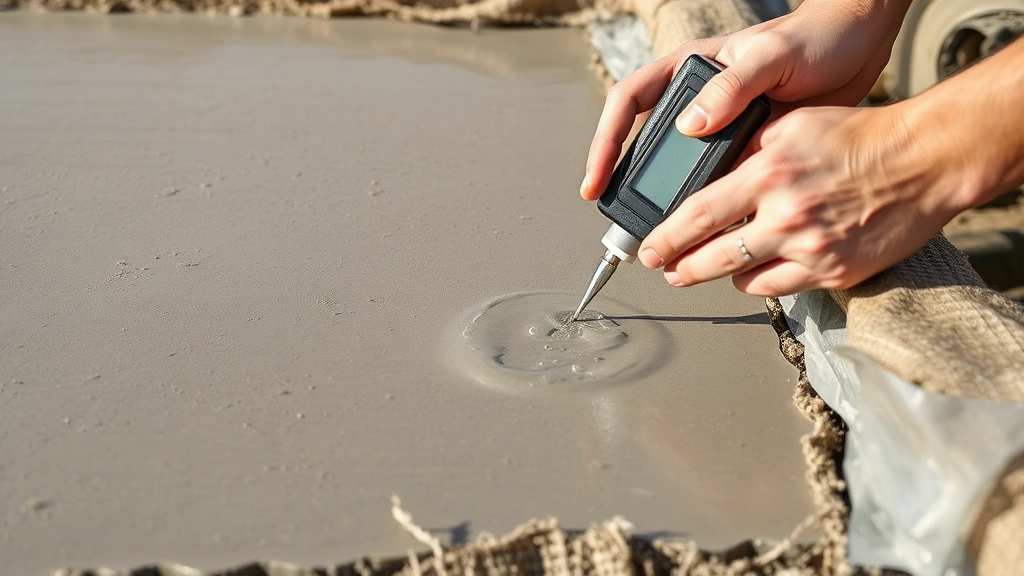
How Long to Cure Concrete? Builder Tips
How Long to Cure Concrete? Builder Tips for Timing and Best Practices
Concrete curing is one of the most critical phases of any construction or DIY project, yet it’s often misunderstood or rushed. Whether you’re pouring a foundation, driveway, patio, or decorative concrete surface, understanding the curing timeline can mean the difference between a durable, long-lasting structure and one prone to cracking, spalling, and premature failure. The question “how long to bear weight on concrete” isn’t just academic—it directly impacts your project’s success and safety.
Many homeowners and even some contractors make the mistake of assuming concrete is ready to use as soon as it hardens enough to walk on. In reality, concrete continues to gain strength for weeks and even months after pouring. This comprehensive guide will walk you through the concrete curing process, explain the factors that influence curing time, and provide practical tips from experienced builders to ensure your concrete project stands the test of time.
Understanding Concrete Curing vs. Drying
Before diving into timelines, it’s essential to understand that curing and drying are not the same thing. This distinction is crucial for proper concrete care. Curing is a chemical process where the cement hydrates and bonds with aggregates, creating a solid structure. Drying, on the other hand, is the physical loss of moisture from the concrete surface.
During curing, concrete actually needs moisture to continue its chemical reaction. If concrete dries too quickly, it won’t develop proper strength. This is why DIY home improvement guides consistently emphasize keeping concrete wet during the initial curing period. The hydration process is what gives concrete its strength, and it’s temperature-dependent, weather-dependent, and time-dependent.
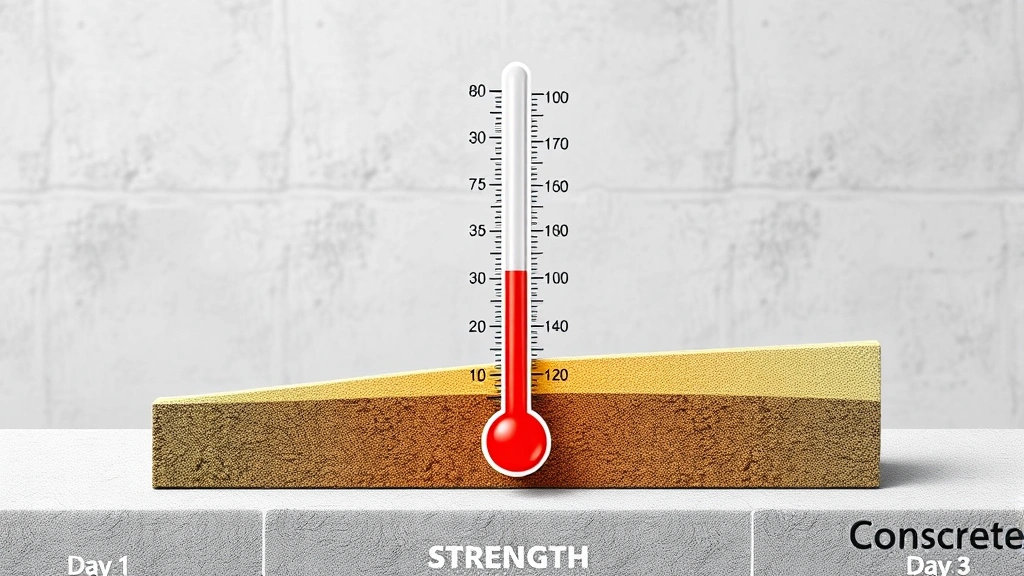
Professional builders know that concrete strength develops gradually: roughly 50% of its design strength in the first week, 75% by two weeks, and 90% by four weeks. However, the final 10% of strength development can take months or even years, depending on conditions and concrete mix design.
Standard Curing Timeline: What to Expect
Here’s a practical timeline that most builders use as a reference guide:
- 24 Hours: Concrete has typically hardened enough to remove forms and begin light foot traffic. However, it’s still developing strength rapidly.
- 7 Days: Concrete reaches approximately 50-60% of its design strength. This is a critical point where you can apply sealer or conduct initial load tests, but heavy traffic should still be avoided.
- 14 Days: Most concrete reaches 75% of its design strength. Light vehicle traffic may be acceptable on properly designed slabs, though many builders recommend waiting longer for residential driveways.
- 28 Days: This is the industry standard for when concrete reaches approximately 90-95% of its design strength. Most specifications require 28-day testing for structural concrete.
- 56-90 Days: Concrete continues to gain strength, potentially reaching 100% or exceeding it depending on cement type and conditions.
These timelines assume normal weather conditions (around 70°F/21°C) and standard Portland cement concrete. Variations in temperature, humidity, concrete mix design, and other factors can significantly accelerate or delay these benchmarks.
When Can You Walk On Concrete?
One of the most common questions is when it’s safe to walk on freshly poured concrete. The answer depends on what you mean by “walk on.” Light foot traffic is generally acceptable after 24-48 hours for most residential applications. However, there’s a significant difference between a person casually walking across a slab and construction workers hauling equipment across it.
After 24 hours, concrete is typically firm enough that a person won’t sink in or leave footprints. You can usually remove forms and do basic inspections. But here’s what builders emphasize: just because you can walk on it doesn’t mean you should subject it to heavy traffic or impact.
For best results, wait at least 7 days before allowing regular foot traffic, and keep heavy equipment off the slab for at least 14 days. If you’re planning to apply coatings, sealers, or decorative finishes, wait until the concrete has cured for at least 7-14 days and moisture testing confirms it’s ready.
For pedestrian traffic areas like walkways, patios, or decorative concrete, many builders recommend the “7-day rule”—keep traffic minimal for the first week, then gradually increase usage as the concrete continues to cure.
When Can You Drive On Concrete?
This is where many homeowners get into trouble. Just because concrete feels hard doesn’t mean it can handle vehicle weight. Vehicle traffic is the most demanding load concrete faces, and premature vehicle use is one of the leading causes of driveway failure.
Here’s the professional builder timeline for vehicle traffic:
- 7 Days: Light traffic only (pedestrians and bicycles). Avoid parking vehicles.
- 14 Days: Light vehicle traffic may be acceptable for temporary or emergency use, but regular parking and driving should still be avoided.
- 28 Days: Full vehicle traffic is generally safe for properly designed and poured driveways. This is the standard recommendation for residential applications.
- 56 Days: For heavy vehicle traffic or commercial applications, waiting 8 weeks provides additional safety margin.
The reason for this extended timeline is that vehicle weight creates stresses on the concrete that it simply cannot handle until it’s fully cured. Driving or parking on concrete that’s only 7-10 days old can cause internal cracking that won’t be visible initially but will lead to spalling, potholes, and structural failure within a few years.
Many municipalities have specific regulations about when concrete can be opened to traffic. Check with your local building department before allowing any vehicle use, as some areas require 28-day strength testing before approval.
Factors That Affect Curing Time
Concrete curing time isn’t fixed—it varies based on numerous environmental and material factors. Understanding these variables helps you predict realistic timelines for your specific situation.
Temperature
Temperature is the single most important factor affecting concrete curing speed. Concrete cures faster in warm conditions and slower in cold conditions. The ideal curing temperature is around 70°F (21°C). For every 10°F decrease below this, curing time roughly doubles. In freezing conditions, concrete may not cure properly at all.
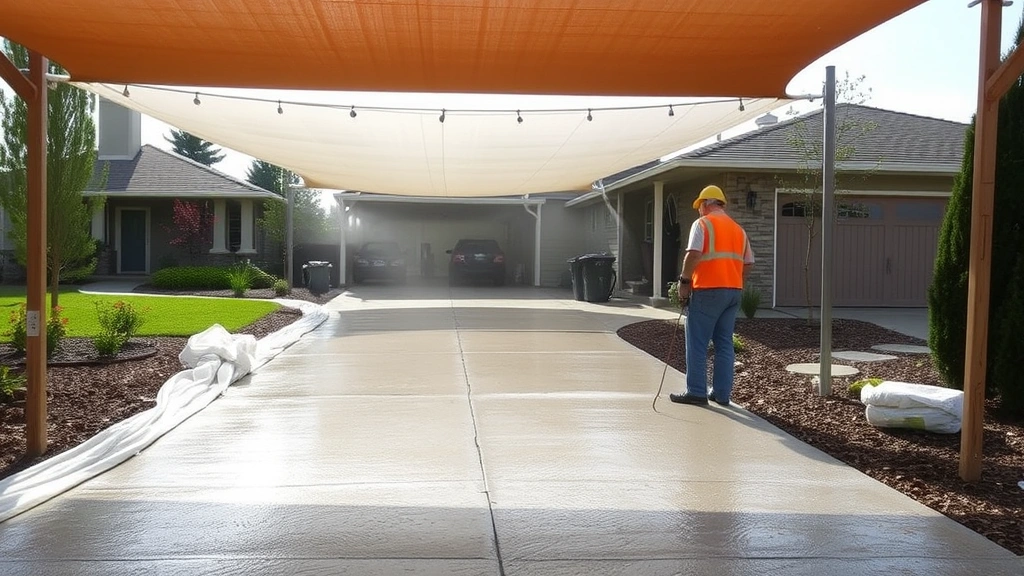
During winter pours, builders use heating blankets, insulated covers, or heated enclosures to maintain proper curing temperatures. In summer heat, rapid curing can actually be problematic—concrete may cure too quickly, creating surface cracks. This is why builders often mist concrete with water in hot weather to slow surface drying.
Concrete Mix Design
Different concrete mixes cure at different rates. Standard Portland cement concrete follows the timeline mentioned above. However, high-early-strength concrete (Type III cement) can reach 50% strength in just 3 days. On the other hand, blended cements with fly ash or slag may take longer to reach full strength but can ultimately be more durable.
The water-to-cement ratio also matters significantly. Lower ratios generally produce stronger concrete that cures more efficiently, while higher ratios result in weaker concrete that takes longer to cure.
Humidity
Concrete needs moisture to cure properly. Low humidity environments cause surface drying before internal curing is complete, leading to weak, brittle concrete. This is why This Old House and professional builders recommend keeping concrete damp for the first 7-14 days through misting, wet coverings, or curing compounds.
Slab Thickness
Thicker slabs take longer to cure completely. A 4-inch driveway slab cures faster than a 12-inch foundation. The concrete in the center of thick slabs can take months to fully cure and reach maximum strength.
Air Exposure
Covering concrete with plastic sheeting or curing compounds slows moisture evaporation and allows more complete hydration. Exposed concrete, especially in dry or windy conditions, dries faster but may not cure as thoroughly.
Accelerating Concrete Curing Safely
Sometimes you need concrete to cure faster. Whether it’s a time-sensitive project or seasonal weather concerns, there are legitimate ways to accelerate curing without compromising quality.
Use High-Early-Strength Concrete
Specify Type III Portland cement or high-early-strength mixes when ordering concrete. These formulations reach 50% strength in 3 days instead of 7. This is ideal for projects where forms need to be removed quickly or traffic access is needed sooner.
Maintain Optimal Temperature
Keep concrete at 70°F (21°C) if possible. In cold weather, use heated enclosures or heating blankets. In hot weather, shade the concrete and mist it with water to prevent rapid surface drying.
Use Curing Accelerators
Chemical admixtures like calcium chloride can speed hydration and reduce curing time by 25-50%. However, these are best used by professionals as they can affect concrete color and durability if not properly proportioned.
Maintain Consistent Moisture
Keep concrete damp—not wet, but damp—for the entire curing period. This promotes continuous hydration. Some builders use curing compounds (clear sealers sprayed on the surface) that seal in moisture while allowing continued hydration.
Provide Adequate Ventilation
In enclosed spaces, proper air circulation helps moisture escape gradually and evenly, promoting uniform curing. Poor ventilation can lead to soft spots or uneven strength development.
Common Curing Mistakes to Avoid
Years of construction experience have identified several critical mistakes that compromise concrete quality and durability:
- Allowing premature traffic: This is the #1 mistake. Driving on concrete that’s only 10-14 days old creates invisible internal damage that manifests as cracks and failures years later.
- Letting concrete dry too quickly: Exposed concrete in hot, dry, or windy conditions dries before it fully cures. Always cover concrete or use curing compounds during the first 7-14 days.
- Pouring in freezing temperatures: Concrete poured below 50°F without heat protection won’t cure properly. The water may freeze before hydration completes.
- Ignoring local building codes: Family Handyman and professional builders emphasize checking local codes—some jurisdictions have specific curing requirements before structures can be occupied or used.
- Skipping moisture testing: Before applying sealers or coatings, test concrete moisture with a calcium chloride or relative humidity test. Sealing wet concrete traps moisture and causes damage.
- Pouring thin slabs in direct sun: Thin decorative concrete or overlays can crack severely if exposed to intense sun during curing. Use shade cloth or mist regularly.
- Not protecting edges and corners: Edges and corners are the most vulnerable areas. Protect them from traffic and impact during the curing period.
FAQ
How long does concrete take to cure completely?
Standard concrete reaches about 90-95% of its design strength in 28 days, which is the industry standard for “full cure.” However, concrete can continue gaining strength for months or years, depending on conditions and cement type. For practical purposes, 28 days is when you can treat concrete as fully cured for most applications.
Can I seal concrete before it’s fully cured?
No. Sealing wet or incompletely cured concrete traps moisture inside, leading to peeling, bubbling, and damage. Wait at least 28 days and perform a moisture test (calcium chloride or RH test) before sealing. Many professionals recommend waiting 60 days for maximum durability.
What happens if I drive on concrete too early?
Premature vehicle traffic creates internal stress fractures that aren’t immediately visible. These microfractures expand over time, leading to surface cracking, potholes, spalling, and structural failure. A driveway driven on at 10 days may fail in 3-5 years instead of 20+ years.
Does cold weather stop concrete from curing?
Cold slows curing dramatically. Below 50°F, concrete cures very slowly and may not develop proper strength. Below freezing, water in the concrete may freeze before hydration completes, permanently damaging the concrete. Use heated enclosures or heating blankets for winter pours.
Can I use concrete in hot weather?
Yes, but take precautions. Hot weather accelerates surface drying, which can cause shrinkage cracks. Shade the concrete, mist it with water, and keep it damp during the curing period. Avoid pouring during extreme heat waves if possible.
What’s the difference between curing time and strength gain?
Curing time is how long concrete needs to hydrate and harden. Strength gain is the process of concrete becoming stronger. These happen simultaneously, but strength gain can continue after the concrete is technically “cured” and ready for use. This is why concrete can be used after 28 days but continues to strengthen for months.
Do I need to keep concrete wet during curing?
Yes, for the first 7-14 days. Concrete needs moisture to complete its hydration process. Keep it damp (not waterlogged) by misting with water, covering with wet burlap, or applying a curing compound. This is especially important in hot, dry, or windy conditions.
How do I know when concrete is ready for heavy traffic?
Follow the 28-day standard for residential driveways and structures. For commercial applications or heavy loads, wait 56 days or conduct strength testing. If you need faster access, specify high-early-strength concrete when ordering and maintain optimal curing conditions. Check local building codes—some jurisdictions have specific requirements.
Can I apply sealant to concrete after 7 days?
Not typically. Even though concrete is hard after 7 days, it’s still curing internally and likely contains excess moisture. Applying sealer too early traps this moisture and causes damage. Wait 28 days minimum, preferably 60 days, and test moisture levels before sealing. Home Depot and concrete product manufacturers provide moisture testing kits and detailed guidelines.
What’s the best way to protect concrete during curing?
Cover it with plastic sheeting or wet burlap to slow drying and maintain moisture. Keep traffic off it, especially vehicle traffic. In hot weather, provide shade. In cold weather, use heating blankets or enclosures. In windy conditions, increase misting frequency. Protect edges and corners from impact.
Does concrete strength continue to increase after 28 days?
Yes. While 28 days is the standard testing point, concrete continues to gain strength through continued hydration. Strength gain slows considerably after 28 days but can continue for months or years. Type I Portland cement typically reaches maximum strength around 90 days, while blended cements may continue gaining strength for a year or longer.

Related Posts

Superscript in Google Docs: Expert Tips

Strikethrough in Excel: Easy Steps for Beginners
