

How Long to Earn a Bachelor’s Degree? Explained
How Long to Earn a Bachelor’s Degree? Explained
The question “how long does it take to get a bachelor’s degree?” might seem straightforward, but the answer is far more nuanced than the standard four-year timeline most people assume. Whether you’re a high school graduate planning your academic future, a working professional considering going back to school, or a parent helping your child navigate educational options, understanding the various factors that influence degree completion time is crucial for making informed decisions.
The traditional bachelor’s degree takes four years to complete for full-time students attending a traditional four-year university. However, this timeline can vary significantly depending on your starting point, academic pace, field of study, and personal circumstances. Some students finish in three years, while others take five, six, or even longer. The path to earning your degree isn’t one-size-fits-all, and recognizing the different routes available can help you choose the option that best fits your situation and goals.
Let’s dive into the various factors that determine how long your bachelor’s degree journey will take, explore alternative pathways to degree completion, and provide practical insights to help you plan your academic trajectory effectively.
The Standard Four-Year Timeline
When universities advertise a bachelor’s degree, they typically reference a four-year program designed for full-time students. This timeline assumes you’re entering with a high school diploma or equivalent, completing around 120 to 130 credit hours, and progressing through your coursework without significant interruptions or changes in direction.
The four-year structure breaks down roughly as follows: freshman year covers general education requirements and introductory courses in your major; sophomore year continues with foundational major courses and remaining general education classes; junior year focuses on intermediate and advanced major coursework; and senior year completes upper-level major requirements and electives. This traditional progression has remained relatively consistent across American universities for decades.
However, it’s worth noting that the “four years” calculation assumes you’re taking a full course load each semester—typically 12 to 18 credit hours per term. Students who take fewer courses or who need to balance academic work with employment or family responsibilities may require additional semesters or years to complete the same degree.

Factors That Affect Degree Completion Time
Several key variables influence how long your bachelor’s degree will actually take:
- Academic Preparation: Students who enter college with strong foundational skills in math, writing, and critical thinking often progress faster. Conversely, those requiring developmental or remedial coursework may need an extra semester or two before tackling college-level material.
- Course Load: Full-time students typically carry 12-18 credits per semester, while part-time students might take 6-11 credits. Your course load directly impacts how many semesters you’ll need.
- Major Selection: Some fields require more credit hours than others. Engineering, architecture, and natural sciences often require 130+ credits, while some liberal arts degrees might require 120. Changing majors can add significant time.
- Grade Performance: Failing or struggling in courses may necessitate retakes, extending your timeline. Additionally, maintaining satisfactory academic progress affects financial aid eligibility.
- Prerequisite Requirements: Many upper-level courses require you to complete prerequisites first, which can create scheduling constraints and potentially extend your timeline.
- Availability of Courses: If your desired courses aren’t offered every semester or have limited enrollment, you might face delays in completing required coursework.
Understanding these factors helps you anticipate potential challenges and plan accordingly. If you’re considering going back to school while working, exploring how to make money in one hour during your studies might help you balance financial needs with academic commitments.
Accelerated Bachelor’s Degree Programs
For motivated students looking to complete their degree faster, accelerated programs offer a compelling alternative to the traditional four-year timeline. These programs compress the curriculum into a shorter timeframe, typically two to three years, by offering year-round classes, intensive course formats, or higher credit loads per semester.
Accelerated programs work through several mechanisms. Some universities offer courses during summer sessions, allowing students to earn credits year-round instead of just during fall and spring semesters. Others utilize compressed course formats where students take fewer classes but meet more frequently and intensively. A few institutions operate on a trimester system, dividing the academic year into three terms instead of two, enabling faster progression through the curriculum.
These programs typically appeal to working professionals, military members, and other non-traditional students who need flexibility or want to minimize the time and expense of traditional college attendance. However, they demand significant time commitment and discipline. Students in accelerated programs often spend more hours per week on coursework than their traditionally-paced counterparts, so the reduced timeline comes with increased intensity.
The quality of an accelerated degree is equivalent to a traditional degree—employers and graduate schools don’t differentiate between the two. The primary tradeoff is the intensity of study rather than any reduction in rigor or learning outcomes.
Part-Time Study and Extended Timelines
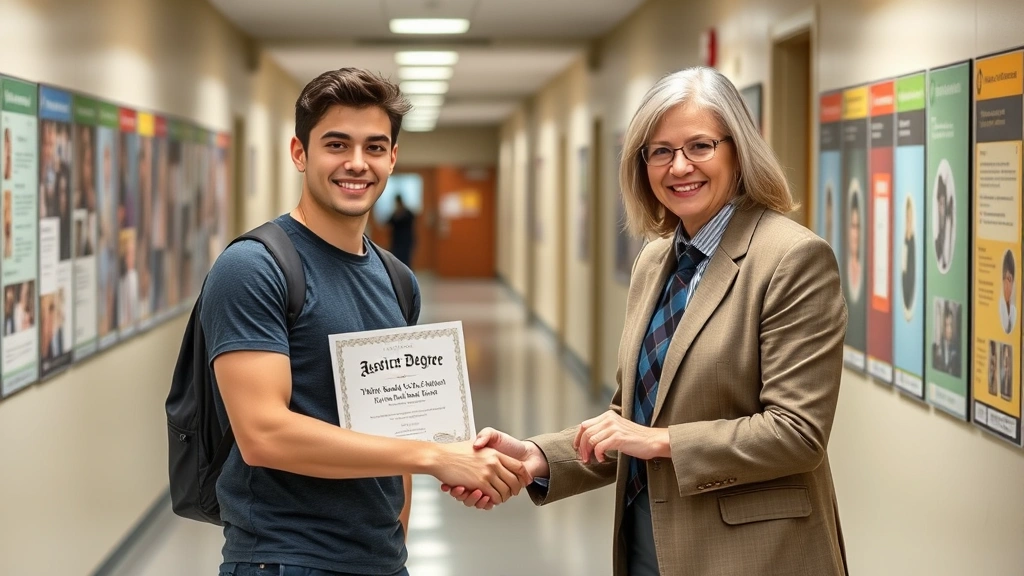
Many students pursue their bachelor’s degree on a part-time basis, extending the typical four-year timeline to five, six, or even seven years. Part-time study is increasingly common among working adults, parents, and students who need to balance multiple responsibilities alongside their academic pursuits.
Taking 6-11 credits per semester instead of the full-time 12-18 credits means you’re making progress, but at a slower pace. A student taking 9 credits per semester instead of 15 would need approximately six years to complete a 120-credit degree instead of four. This extended timeline allows students to work full-time, maintain family commitments, or manage other obligations while still advancing toward their degree.
Part-time study has become increasingly accessible through online and hybrid programs, which we’ll explore further below. Many employers now recognize the value of supporting employee education and may offer tuition reimbursement or flexible scheduling to accommodate part-time students.
If you’re considering how to answer interview questions about your educational timeline, understanding how to answer tell me about yourself can help you frame your part-time studies as a demonstration of commitment and time management skills.
Transfer Students and Credit Recognition
For students transferring from community colleges or other universities, the time required to earn a bachelor’s degree can be significantly reduced. A common pathway involves completing an associate degree at a community college (typically two years) and then transferring to a four-year university to complete a bachelor’s degree (another two years), resulting in a total of four years but at a lower cost for the initial two years.
The key variable for transfer students is how many credits the receiving institution accepts. Most universities have agreements with local community colleges to accept certain courses for transfer credit. However, not all credits transfer equally. Some courses transfer as direct equivalents, while others might transfer as elective credit without counting toward specific degree requirements.
Transfer credit evaluation can sometimes delay progress if credits don’t align perfectly with your degree requirements. However, strategic planning—choosing courses at your community college that align with your intended four-year university’s requirements—can minimize delays and maximize your credit transfer efficiency.
If you’re interested in career advancement through education, learning how to become a firefighter or other career paths might involve specific educational requirements that affect your timeline planning.
Online and Hybrid Learning Options
The rise of online and hybrid degree programs has transformed how students can pursue bachelor’s degrees, offering flexibility that often translates to faster completion for some and more manageable timelines for others.
Online programs allow students to complete coursework entirely through digital platforms, often with asynchronous components that don’t require real-time attendance. This flexibility enables working professionals to study during evenings, weekends, or whenever their schedule permits. Some online programs still operate on traditional semesters, maintaining the four-year timeline, while others offer accelerated formats or rolling admissions that allow faster progression.
Hybrid programs combine online coursework with occasional in-person meetings, offering a middle ground between traditional and fully online learning. These programs can be particularly appealing for students who want flexibility without sacrificing the interaction that face-to-face classes provide.
The timeline for online and hybrid degrees varies widely depending on the program structure. Some maintain the traditional four-year timeline while offering greater scheduling flexibility, while others compress the curriculum into two or three years for highly motivated students willing to maintain a rigorous pace.
Research from Inside Higher Ed shows that online students often have comparable or sometimes slightly higher graduation rates than traditional students, particularly when programs are well-designed and offer robust student support services.
Changing Majors and Course Adjustments
One of the most significant factors that can extend your bachelor’s degree timeline is changing majors. Each major has specific course requirements, and switching directions means you may lose some of the credits you’ve already earned, as they might not apply to your new major’s requirements.
A student who changes majors once might add a semester or two to their timeline. Those who change majors multiple times could extend their degree completion by a year or more. This happens because prerequisites don’t always overlap between majors, and some upper-level courses in your new major can only be taken after completing foundational courses specific to that field.
To minimize delays if you’re considering a major change, meet with an academic advisor early. They can help you identify courses that count toward multiple majors or that satisfy general education requirements while also serving your new major’s needs. Some universities allow students to pursue double majors or minors, which can be more efficient than completely changing direction mid-degree.
The good news is that changing majors isn’t uncommon—many students do this and still graduate in a reasonable timeframe. The key is making the decision thoughtfully and planning strategically with your advisor rather than making impulsive switches.
Financial Considerations and Time Investment
The relationship between time and money in pursuing a bachelor’s degree deserves careful consideration. While the financial aspect might seem tangential to the timeline question, your financial situation directly influences how quickly you can progress through your degree.
Students who can afford to attend full-time without working typically graduate faster than those balancing part-time work with part-time or full-time studies. However, many students must work to finance their education, which necessarily extends their timeline. According to Pew Research Center, over 70% of full-time college students work at least part-time, and many work substantial hours.
The financial calculation extends beyond just tuition. Extended timelines mean higher total tuition costs (especially at universities with annual tuition increases), more years of foregone income if you’re not working full-time, and potentially higher interest on student loans. Conversely, rushing through an accelerated program might require taking on higher course loads that could negatively impact your GPA or mental health.
Finding the right balance—a pace that allows you to succeed academically while managing financial and personal obligations—is more important than simply minimizing time. A degree completed in five years with a strong GPA and good mental health is infinitely better than a degree rushed through in three years at the cost of your wellbeing or academic performance.
Think of timeline planning similar to how you’d approach a major home improvement project. Just as you wouldn’t rush through how long does it take to climb mount everest—understanding that some journeys require proper pacing and preparation—your educational journey deserves thoughtful planning.
Frequently Asked Questions
Can you finish a bachelor’s degree in three years?
Yes, it’s possible to complete a bachelor’s degree in three years, though it’s less common than the four-year timeline. This typically requires entering with advanced credits (through AP, IB, or CLEP exams), attending year-round including summers, taking a heavier-than-typical course load each semester, or attending an accelerated program specifically designed for three-year completion. You’ll need to carefully plan your courses to ensure you meet all requirements without missing prerequisites.
How long does a bachelor’s degree take part-time?
Part-time bachelor’s degrees typically take five to seven years to complete, depending on how many credits you take per semester. If you take 9 credits per semester (roughly 3 courses), you’re looking at approximately six years for a 120-credit degree. Taking fewer credits extends the timeline further, while taking more credits moves you closer to the four-year mark.
Do transfer credits affect how long a bachelor’s degree takes?
Transfer credits can significantly reduce your timeline if they’re accepted by your receiving institution. A student completing an associate degree at community college and transferring to a four-year university might still complete their bachelor’s in approximately four total years (two at community college plus two at the university), though some students take longer depending on transfer credit evaluation and major requirements.
Does changing majors delay graduation?
Changing majors typically adds time to your degree completion, often by one to two semesters or more, depending on how different your new major is from your original one. The delay occurs because different majors have different course requirements and prerequisites. Meeting with an academic advisor early when considering a change can help minimize delays.
Are online bachelor’s degrees faster than traditional degrees?
Online bachelor’s degrees aren’t inherently faster than traditional degrees, though some online programs offer accelerated formats. Many online programs maintain the traditional four-year timeline while offering greater scheduling flexibility. However, some institutions do offer compressed online programs that can be completed in two to three years for students willing to maintain an intensive course load.
What’s the fastest way to get a bachelor’s degree?
The fastest paths typically involve: entering with college credits already earned (through AP, IB, CLEP, or community college), attending an accelerated program offering year-round classes, taking maximum course loads each semester, and avoiding major changes or course failures. Combining these strategies might allow completion in 2.5 to 3 years, though this requires significant time commitment and discipline.
Can employers tell if you finished a degree quickly versus slowly?
Employers typically only see your degree and graduation date on your resume—they won’t know whether you completed it in three years or six years. What matters to employers is that you have the degree and the skills it represents. Some might even view extended timelines positively if you were working full-time or managing other significant responsibilities while studying.

Related Posts

How Long to Boil Lobster Tails: Cooking Guide

How Long to Fly from New York to London? Travel Times
