
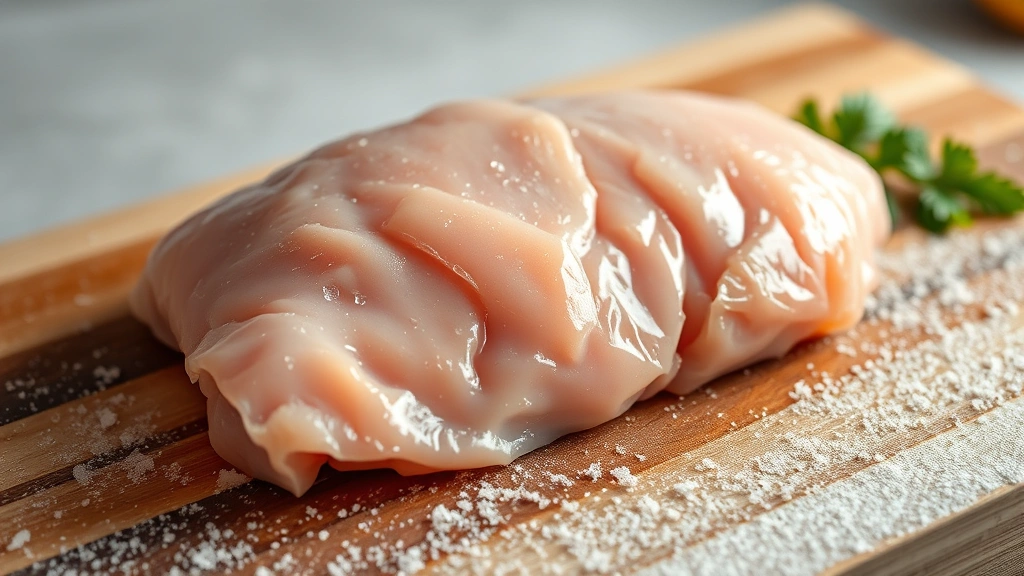
How Long Does It Take to Defrost Chicken? Guide
How Long Does It Take to Defrost Chicken? The Complete Guide
There’s nothing worse than realizing you need chicken for dinner in two hours and it’s still solid as a rock in your freezer. The good news? Defrosting chicken doesn’t have to be a stressful guessing game. Whether you’re planning ahead or dealing with a last-minute meal prep emergency, understanding the various defrosting methods and their timelines can save you from either ruined chicken or a rushed, subpar dinner.
The truth is that how long it takes to defrost chicken depends entirely on which method you choose. Some approaches take overnight, while others can have your chicken ready in under an hour. Each method has its pros and cons, and knowing which one fits your situation is half the battle. In this guide, we’ll walk you through every defrosting technique, the exact timeframes you’re looking at, and some pro tips to ensure your chicken stays safe and delicious throughout the process.
Let’s dive into the details so you can make an informed decision about which defrosting method works best for your kitchen and your schedule.
Defrosting in the Refrigerator: The Safest Method
The refrigerator method is hands-down the safest way to defrost chicken, and it’s also the most convenient if you’re willing to plan ahead. This approach works because it maintains a consistent cold temperature throughout the thawing process, which keeps bacteria growth at bay. When you thaw chicken in the refrigerator, you’re working with time and temperature in your favor.
For whole chickens: Plan for approximately 24 hours of defrosting time. A 4-5 pound bird will typically need a full day to thaw completely. If your chicken is particularly large—say, 6-7 pounds—add another 4-8 hours to be safe.
For chicken breasts or thighs: Smaller cuts move faster. Individual chicken breasts usually thaw in 12-24 hours, depending on their thickness. Thinner cuts on the faster end, thicker cuts on the slower end.
For ground chicken: Ground chicken defrosts even quicker, typically within 24 hours, though thinner packages may only need 12-16 hours.
The beauty of this method is that once thawed, your chicken remains safe in the refrigerator for an additional 1-2 days before cooking. This gives you flexibility if your dinner plans shift around. You’re not locked into cooking it immediately.
To use the refrigerator method properly, place your frozen chicken on a plate or in a shallow container on the lowest shelf of your fridge. This prevents any drips from contaminating other foods. Make sure the packaging is intact, or transfer the chicken to a sealed container.
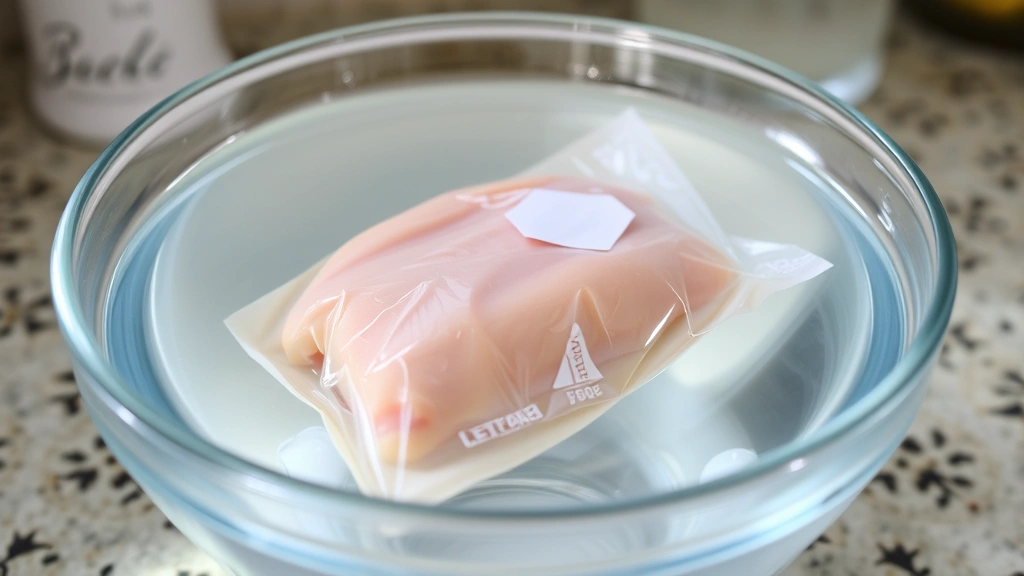
Cold Water Defrosting: The Faster Alternative
When you need chicken ready faster but still want a safe defrosting method, the cold water technique is your answer. This approach is significantly quicker than the refrigerator method while maintaining food safety standards. If you’re looking to thaw chicken fast, this is a legitimate option that doesn’t compromise quality.
For whole chickens: Expect 2-3 hours of defrosting time. A 5-pound bird will typically be ready within this window.
For chicken breasts: Individual breasts usually thaw in 30 minutes to 1 hour, depending on thickness.
For chicken thighs or drumsticks: These smaller pieces typically need 30-45 minutes.
Here’s how to do it correctly: Place your chicken in a leak-proof bag or its original packaging (if sealed). Submerge it completely in a bowl or sink filled with cold water. Change the water every 30 minutes to maintain the cold temperature. This constant water circulation is what speeds up the thawing process compared to leaving it in a single bowl of water.
The key advantage here is that you can check on progress frequently and pull your chicken out the moment it’s fully thawed. However, once defrosted using this method, cook your chicken immediately. Don’t let it sit around waiting—food safety guidelines are stricter with this approach.
One common mistake people make is using warm or hot water, thinking it will speed things up. Don’t do this. Hot water creates a dangerous temperature zone where bacteria thrives. Stick with cold water only.
Using Your Microwave: The Emergency Option
Sometimes you forget to plan ahead entirely, and that’s where microwave defrosting comes in. This method is the fastest option available, though it requires attention and carries slightly more risk of uneven thawing and partial cooking. Think of it as your emergency backup plan.
For chicken breasts: Microwave defrosting typically takes 5-10 minutes per pound on the 30% power setting (defrost mode). A standard 8-ounce breast might be done in 10-15 minutes.
For whole chickens: A 5-pound bird could take 30-45 minutes using the defrost setting.
For ground chicken: Ground chicken often defrosts in 3-5 minutes per pound.
The technique matters significantly here. Use your microwave’s defrost setting rather than full power—this setting cycles the microwave on and off, preventing the outer edges from cooking while the inside remains frozen. Place your chicken on a microwave-safe plate and check it every few minutes, breaking apart any thawed sections with a fork.
The major caveat with microwave defrosting is that some parts of the chicken may start cooking while other parts remain frozen. This uneven thawing can affect both texture and safety. Additionally, you must cook your chicken immediately after microwave defrosting—don’t let it sit.
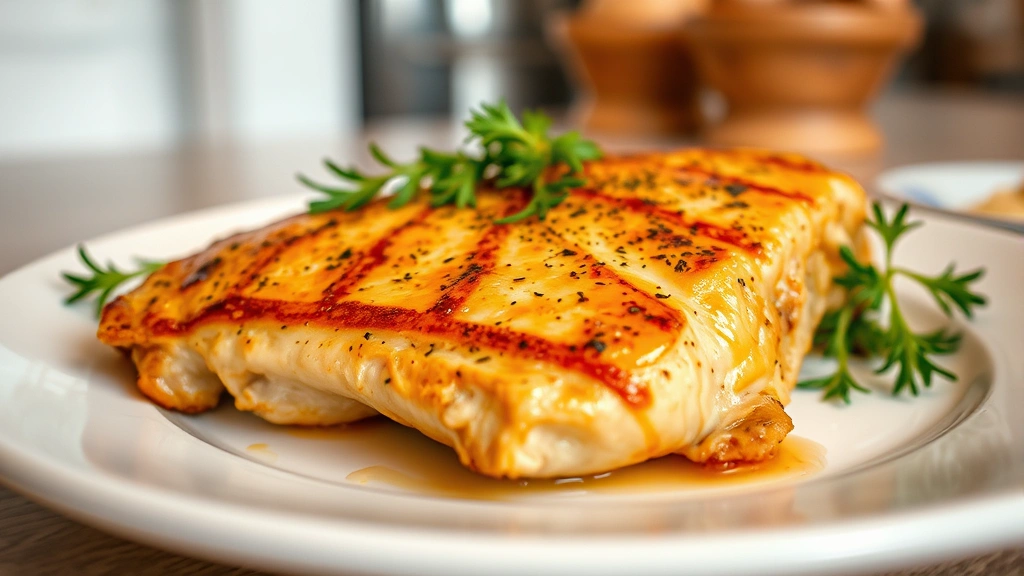
Quick Comparison Chart: Defrosting Times at a Glance
Let’s break down the timeline for each method so you can quickly reference which approach fits your situation:
| Method | Chicken Breast | Whole Chicken | Best For |
|---|---|---|---|
| Refrigerator | 12-24 hours | 24+ hours | Planning ahead |
| Cold Water | 30-60 minutes | 2-3 hours | Same-day cooking |
| Microwave | 5-10 minutes | 30-45 minutes | Emergency situations |
Food Safety Guidelines You Need to Know
Defrosting chicken safely isn’t just about following times—it’s about understanding the principles behind food safety. Bacteria like Salmonella thrive in what’s called the “danger zone,” which is between 40°F and 140°F. The goal of proper defrosting is to move chicken from frozen to thawed while keeping it out of this danger zone as much as possible.
The USDA (U.S. Department of Agriculture) provides clear guidance on this. The refrigerator method keeps your chicken below 40°F the entire time, making it the safest option. The cold water method moves chicken through the danger zone quickly, which is acceptable. The microwave method is acceptable but requires immediate cooking afterward.
Never defrost chicken at room temperature. This is the biggest mistake home cooks make. Leaving chicken on the counter, even for a couple of hours, allows bacteria to multiply rapidly on the outer surfaces while the inside remains frozen. It’s simply not worth the risk.
Once you’ve chosen your defrosting method and completed the process, here are the critical rules:
- Refrigerator-thawed chicken: Cook within 1-2 days or refreeze
- Cold water-thawed chicken: Cook immediately or within a few hours
- Microwave-thawed chicken: Cook immediately—no exceptions
- Never refreeze chicken that’s been thawed at room temperature
- Cooked chicken can be refrigerated for 3-4 days or frozen for up to 4 months
If you’re unsure whether your chicken is fully thawed, check for ice crystals and ensure the thickest parts (like the thighs in a whole bird) are completely soft. When in doubt, give it more time rather than rushing the process.
Best Practices and Pro Tips for Perfect Results
Beyond just knowing the times, there are several tricks that experienced home cooks use to get consistently great results when defrosting chicken.
Plan your week: Take five minutes on Sunday to move chicken from your freezer to your refrigerator for Monday’s dinner. This eliminates stress and ensures perfectly thawed chicken every time. It’s the most reliable approach for busy households.
Use proper containers: When using the cold water method, place your chicken in a sturdy freezer bag or container. This prevents cross-contamination and keeps your sink cleaner. Leaky packaging is a safety hazard.
Label everything: If you’re freezing chicken in portions, use a permanent marker to label the package with the date and cut. This helps you rotate stock and prevents mystery freezer items.
Pound for consistency: If you’re defrosting chicken breasts, try pounding them to an even thickness before freezing. This ensures they thaw uniformly and cook evenly. Learn more about proper thawing techniques to understand why this matters.
Invest in a meat thermometer: Once cooked, use a meat thermometer to verify your chicken reaches 165°F internally. This removes all guesswork from cooking times and ensures food safety.
For those planning to make shredded chicken after cooking, defrosting it completely beforehand ensures more uniform cooking. The same goes for when you’re preparing boiled chicken—starting with fully thawed meat gives you better control over cooking time and texture.
If you’re interested in detailed cooking methods after defrosting, our guides on chicken thawing and preparation offer comprehensive step-by-step instructions for various recipes.
Consider batch cooking: When you do have chicken thawed and ready, consider cooking extra portions for the week. Properly stored cooked chicken keeps for several days and can be used in salads, sandwiches, grain bowls, and more.
Frequently Asked Questions
Can you defrost chicken in hot water?
No, absolutely not. Hot water accelerates bacterial growth in the outer layers of chicken while the inside remains frozen. This creates a dangerous situation where harmful bacteria multiply rapidly. Always use cold water only, and change it every 30 minutes if you’re using the cold water method.
How do I know if my chicken is fully thawed?
Fully thawed chicken should be completely soft with no ice crystals visible. If you’re defrosting a whole bird, the thighs and wings should bend easily. If you feel any resistance or see any remaining ice, it needs more time. You can also gently squeeze the thickest part—it should feel soft, not hard or icy.
Can I defrost and refreeze chicken without cooking it?
It depends on the method. Chicken that’s been thawed in the refrigerator can be safely refrozen if it hasn’t been sitting out. However, chicken thawed using the cold water or microwave methods should be cooked before refreezing. The USDA says that some quality loss may occur with refreezing, but it’s safe if done properly.
What if I thawed chicken but didn’t cook it in time?
If your refrigerator-thawed chicken has been sitting for more than 2 days, it’s best to discard it. For chicken thawed using other methods, cook it immediately or throw it out. Food safety isn’t worth the risk, and the cost of replacing chicken is minimal compared to potential food poisoning.
Is it better to thaw chicken before cooking, or can I cook it from frozen?
You can cook chicken directly from frozen, but it takes significantly longer—typically 50% more time than thawed chicken. Thawing first gives you more control over cooking times and ensures more even cooking. Most recipes assume thawed chicken unless specified otherwise.
How long does thawed chicken last in the refrigerator?
Chicken that’s been thawed in the refrigerator will keep for 1-2 days before cooking. Once cooked, it lasts an additional 3-4 days. Always store it in the coldest part of your refrigerator, typically the back of the bottom shelf.

Related Posts

How Long to Boil Lobster Tails: Cooking Guide

How Long to Fly from New York to London? Travel Times
