
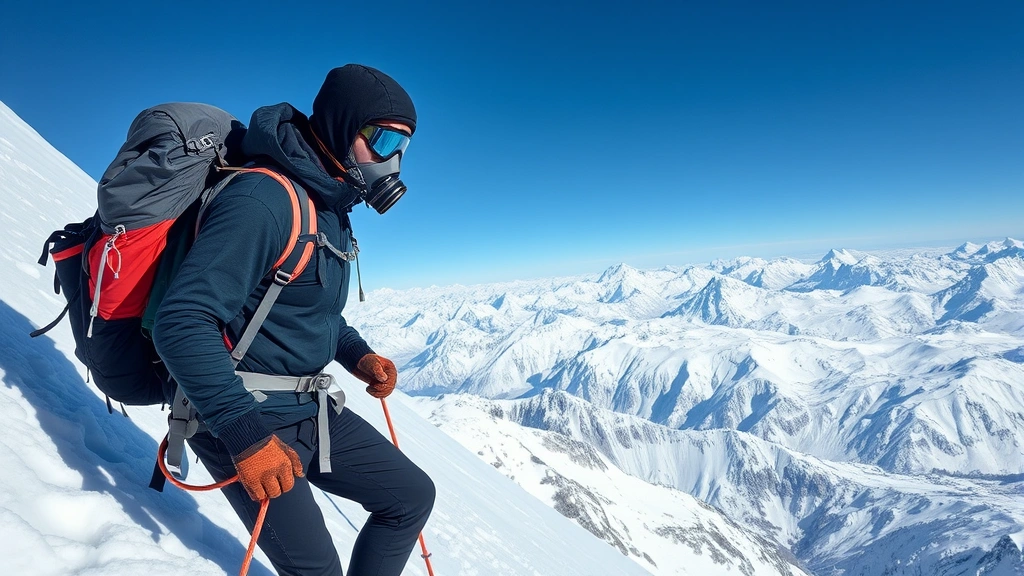
How Long to Climb Mount Everest? Expert Insights
How Long to Climb Mount Everest? Expert Insights
Mount Everest stands as the ultimate test of human endurance and determination. At 29,032 feet above sea level, this magnificent peak has captivated adventurers for generations. But before you start packing your gear and dreaming of summiting the world’s highest mountain, you need to understand one critical question: how long does it actually take to climb Mount Everest?
The answer isn’t as straightforward as you might think. Unlike a weekend hiking trip or even a week-long trek, climbing Everest demands months of preparation, physical conditioning, and mental fortitude. The timeline varies dramatically depending on your experience level, acclimatization strategy, weather windows, and the specific route you choose. Whether you’re considering this monumental challenge or simply curious about the logistics, this comprehensive guide breaks down everything you need to know about the duration and demands of summiting Earth’s tallest mountain.
Think of it this way: if boiling potatoes requires precise timing and patience, then climbing Everest demands exponentially more planning and perseverance. The mountain doesn’t rush, and neither should you.
Total Duration: From Start to Summit
The complete Everest experience typically spans two to three months from the moment you arrive in Nepal until you return home. However, the actual time spent climbing on the mountain ranges from 39 to 60 days for most expeditions. This breaks down roughly into:
- Pre-expedition period: 4-8 weeks of intensive physical training and preparation
- Nepal arrival to base camp: 3-5 days
- Base camp acclimatization: 7-10 days
- Climbing and summit attempts: 30-40 days
- Descent and recovery: 5-7 days
The variation in timeline depends heavily on your climbing experience. Seasoned mountaineers who’ve summited other 8,000-meter peaks might complete the climb in 39-45 days, while first-time high-altitude climbers often need the full 60-day window. Commercial expedition companies typically structure their programs for 60 days to ensure adequate acclimatization and safety margins.
Pre-Climb Preparation Timeline
Before you even set foot on Everest’s slopes, you’ll invest significant time preparing your body and mind. Most mountaineers begin serious training 6 to 12 months before their expedition date. This isn’t casual gym work—it’s deliberate, progressive conditioning designed to build the specific strength and endurance you’ll need.
Your preparation should include:
- Cardiovascular foundation (months 1-3): Running, cycling, and stair climbing to build aerobic capacity. Many climbers aim for 5-6 sessions weekly at moderate to high intensity.
- Strength building (months 2-6): Focus on legs, core, and upper body with weighted carries, squats, and deadlifts. Think of it similarly to how improving your running speed requires consistent strength training—altitude climbing demands the same dedication.
- Altitude simulation (months 4-8): If possible, climb smaller peaks or use altitude training chambers to acclimate your body to reduced oxygen.
- Technical skills (months 3-12): Learn rope work, ice climbing, and crevasse rescue on local mountains or in climbing gyms.
- Mental preparation (ongoing): Visualization, meditation, and studying expedition reports to mentally prepare for challenges ahead.
Many climbers also tackle intermediate peaks like Kilimanjaro or Aconcagua during this preparation phase. These acclimatization mountains provide valuable experience with high-altitude physiology and help identify potential health issues before tackling Everest.
Understanding Acclimatization Phases
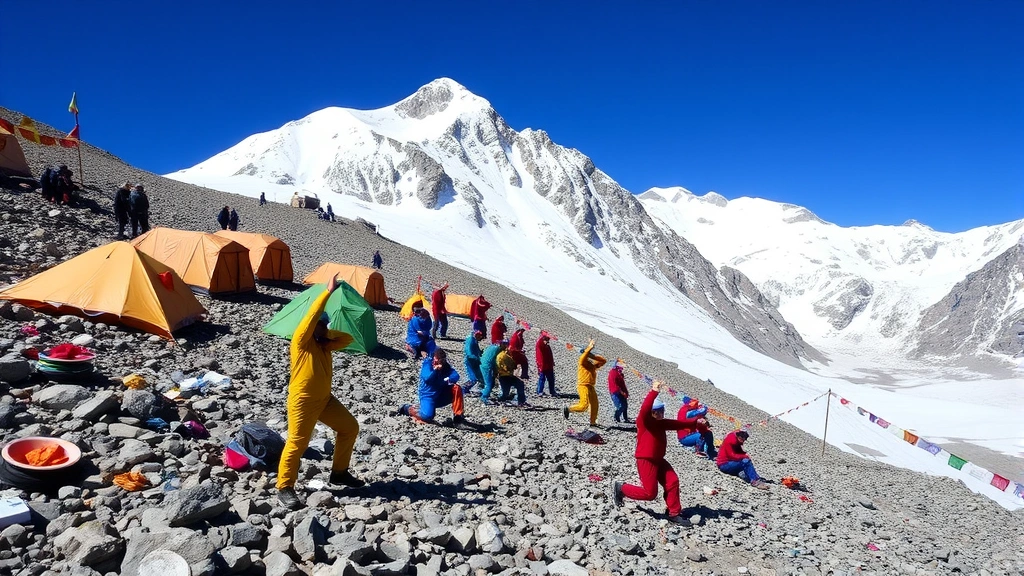
Once you arrive at Everest base camp, the real timeline begins. The mountain operates on a carefully orchestrated acclimatization schedule that’s absolutely non-negotiable. Your body needs time to adapt to the extreme altitude, and rushing this process is a recipe for disaster.
The typical acclimatization rotation follows this pattern:
Rotation 1: Ascend from base camp (17,600 ft) to camp one (19,500 ft), then descend back to base camp. Duration: 3-4 days. This initial push helps your body begin adapting to altitude while you sleep at lower elevations.
Rotation 2: Climb to camp two (21,300 ft) and return to base camp. Duration: 4-5 days. Each rotation progressively stresses your system, triggering physiological adaptations.
Rotation 3: Ascend to camp three (23,500 ft) and descend. Duration: 4-5 days. By this point, your body has made significant adjustments to oxygen deprivation.
Rest period: 5-7 days at base camp for full recovery before the summit push. Your body needs this downtime to consolidate adaptations and recover mentally.
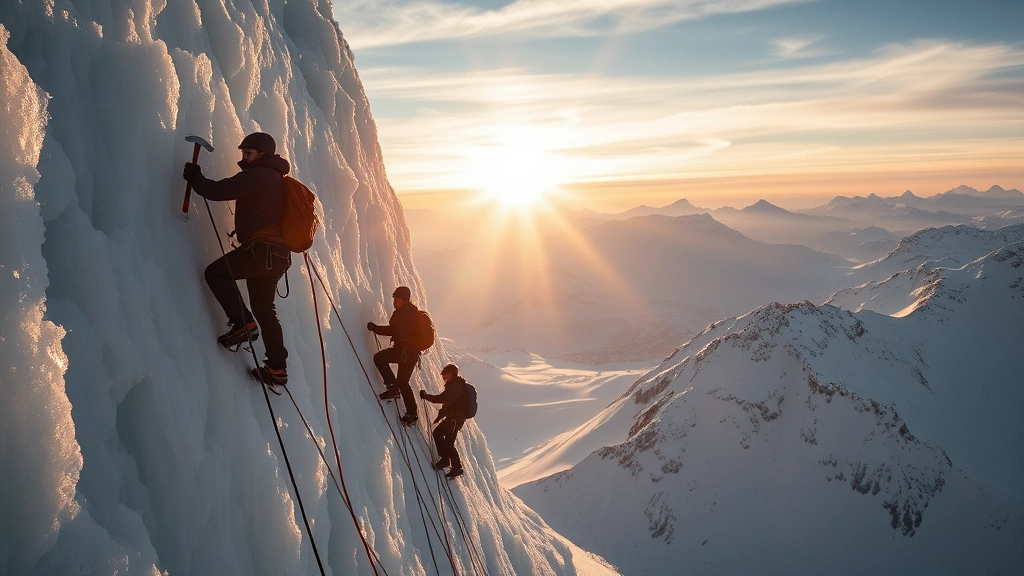
This acclimatization strategy, called the "climb high, sleep low" method, has proven most effective for Everest climbers. Each rotation takes you higher while allowing you to return to lower altitudes for sleep and recovery. It’s a delicate balance—push too hard and you risk altitude sickness; move too slowly and you waste precious time during limited weather windows.
The acclimatization process also mirrors the patience required for other endeavors. Similar to how Tylenol requires time to work through your system, your body needs time to physiologically adapt to extreme altitude. You can’t rush either process without consequences.
Climbing Routes and Their Timelines
Everest offers two primary climbing routes, each with distinct timelines and challenges:
South Col Route (Nepal/Tibet Border)
This is the most popular route, accounting for roughly 60% of Everest summits. The timeline typically spans 39-60 days from base camp to summit.
- Base camp to camp one: 1 day
- Camp one to camp two: 1-2 days
- Camp two to camp three: 1-2 days
- Camp three to camp four: 1 day
- Camp four to summit: 1 day (12-16 hours of climbing)
- Summit to base camp descent: 2-3 days
The South Col route features the infamous Khumbu Icefall, a chaotic maze of crevasses and unstable seracs. While technically less difficult than the North Ridge, the Icefall’s dangers mean you’ll spend considerable time navigating it during your rotations.
North Ridge Route (Tibet)
The North Ridge typically requires slightly more time—45-60 days from base camp to summit. This route ascends from the Tibetan side and presents different challenges:
- Base camp to camp one: 1-2 days
- Camp one to camp two: 1 day
- Camp two to camp three: 1-2 days
- Camp three to camp four: 1-2 days
- Camp four to summit: 1-2 days
- Summit to base camp descent: 3-4 days
The North Ridge involves more technical climbing, particularly on the Second Step, a 40-meter vertical rock face at 28,000 feet. While the Icefall is avoided, the technical difficulty means slower progress during rotations.
External resources like The Mountaineers organization provide detailed comparisons of both routes, helping climbers choose based on their skills and preferences.
Weather Windows and Seasonal Timing
Here’s where Everest’s timeline becomes truly unpredictable: weather windows. The mountain experiences only brief periods when conditions allow safe climbing. These windows typically occur in:
Spring (April-May): The primary climbing season in the Northern Hemisphere. The jet stream moves north, reducing extreme winds. Most expeditions aim for a summit attempt in late April or early May. However, this season attracts the most climbers, meaning crowded routes and longer summit day waits.
Autumn (September-October): The secondary climbing season, offering more stable weather than spring but fewer climbers. Summit attempts usually occur in late September or early October.
Weather windows themselves typically last only 3-5 days during these seasons. When conditions align—winds drop below 40 mph, visibility improves, and temperatures moderate—expedition leaders make the call to push for the summit. Missing a weather window might mean waiting another year or accepting failure on that expedition.
This unpredictability means your 60-day timeline isn’t guaranteed. Some expeditions summit in 45 days; others spend the full 60 days waiting for favorable conditions, only to descend without summiting when windows close. It’s a humbling reminder that mountains operate on their own schedule, not ours.
The patience required here parallels other demanding pursuits. Just as boiling chicken requires proper timing and can’t be rushed, summiting Everest demands respecting natural rhythms and timelines.
Physical and Mental Demands
Understanding the timeline means understanding what your body endures during those 39-60 days. Everest climbers operate in the "death zone"—altitudes above 26,000 feet where oxygen levels are insufficient to sustain human life long-term. Your body is essentially dying slowly, and every moment counts.
Physical toll: You’ll experience extreme fatigue, difficulty sleeping despite exhaustion, loss of appetite (many climbers lose 15-25 pounds), and constant headaches. Your cognitive function deteriorates significantly at altitude, making decision-making harder precisely when you need it most.
Mental challenges: The psychological strain of spending two months in harsh conditions, enduring cold that drops to -40°F, and confronting your mortality takes a severe toll. Many experienced climbers report that the mental battle surpasses the physical one.
Acclimatization sickness: Acute Mountain Sickness (AMS), High Altitude Cerebral Edema (HACE), and High Altitude Pulmonary Edema (HAPE) can strike climbers at any point. These conditions can be fatal, and their onset isn’t always predictable. Your timeline might suddenly shift if you need to descend for medical reasons.
For authoritative information on altitude physiology, NOLS (National Outdoor Leadership School) provides comprehensive resources on high-altitude medicine and acclimatization science.
Descent and Recovery Period
The summit is only halfway through your Everest timeline. The descent is equally critical and often more dangerous than the ascent. Many mountaineering accidents occur during descent when climbers are exhausted and decision-making is impaired.
Summit day to camp four: 4-6 hours of descent in extreme conditions. Despite summiting, you’re still in the death zone and face significant danger.
Camp four to camp two: 1-2 days of continued descent. Your body begins recovering as oxygen levels increase.
Camp two to base camp: 1 day. You’re now at lower altitude, and the immediate danger has passed.
Recovery at base camp: 2-3 days before descending to lower elevations. Many climbers spend this time processing their achievement and recovering strength.
Full recovery timeline: After returning home, expect 2-4 weeks of continued fatigue and recovery. Your body needs time to rebuild muscle mass and recover from the extreme stress. Sleep quality often improves dramatically once you’re at sea level.
The recovery process involves more than physical restoration. Like training to become a firefighter requires both physical and mental preparation, recovering from Everest involves psychological processing of the intense experience.
For detailed descent safety protocols and high-altitude rescue information, IFMGA (International Federation of Mountain Guides Associations) maintains current standards and guidelines.
Frequently Asked Questions
Can you climb Mount Everest in less than 30 days?
Theoretically, yes, but it’s extremely dangerous and not recommended. Your body simply cannot acclimatize adequately in such a short timeframe. Even the fastest climbers spend 39+ days on the mountain. Speed climbers like Kami Rita Sherpa have summited in under 24 hours from base camp, but they’ve climbed Everest multiple times previously and are exceptional athletes operating at extreme risk.
What’s the fastest time anyone has climbed Mount Everest?
The speed record from base camp to summit and back is held by Kami Rita Sherpa, who completed the climb in 24 hours and 11 minutes in 2023. However, this doesn’t include acclimatization time. The fastest complete expedition from arrival to descent remains around 39-45 days for highly experienced climbers.
Do you have to spend the entire 60 days at high altitude?
No. Most expeditions involve descending to lower altitudes between rotations. You’ll spend roughly 20-30 days above 17,600 feet, but the rest of your time is spent at base camp (17,600 feet) or lower. This descent-based strategy is crucial for survival.
What if bad weather extends the timeline beyond 60 days?
Most commercial expeditions have a fixed 60-day window. If weather prevents summiting within that timeframe, climbers typically descend and return home without reaching the summit. Some private expeditions allow extended timelines, but this significantly increases costs and risks.
How does age affect climbing timeline?
Age itself isn’t as limiting as fitness level. Climbers in their 60s and 70s have successfully summited Everest on the standard timeline. However, older climbers may need additional acclimatization time and should have thorough medical clearance before attempting the climb.
Can you acclimatize faster with supplemental oxygen?
Supplemental oxygen improves your performance and reduces altitude sickness risk, but it doesn’t fundamentally speed up physiological acclimatization. You still need multiple rotations to allow your body to produce more red blood cells and make other adaptations. Oxygen helps you climb more safely and efficiently within the required timeline, not compress it.
What’s the success rate for summit attempts?
Approximately 40-50% of climbers who reach base camp successfully summit Mount Everest. Success depends on weather windows, physical fitness, acclimatization success, and decision-making. Some climbers spend their full 60 days on the mountain and still don’t summit due to unfavorable conditions.
How long does it take to recover after summiting?
Initial physical recovery takes 2-4 weeks. However, full recovery—including psychological integration of the experience—can take several months. Many climbers report lingering fatigue and sleep disruption for 4-6 weeks after returning home.

Related Posts

How Long to Boil Lobster Tails: Cooking Guide

How Long to Fly from New York to London? Travel Times
