
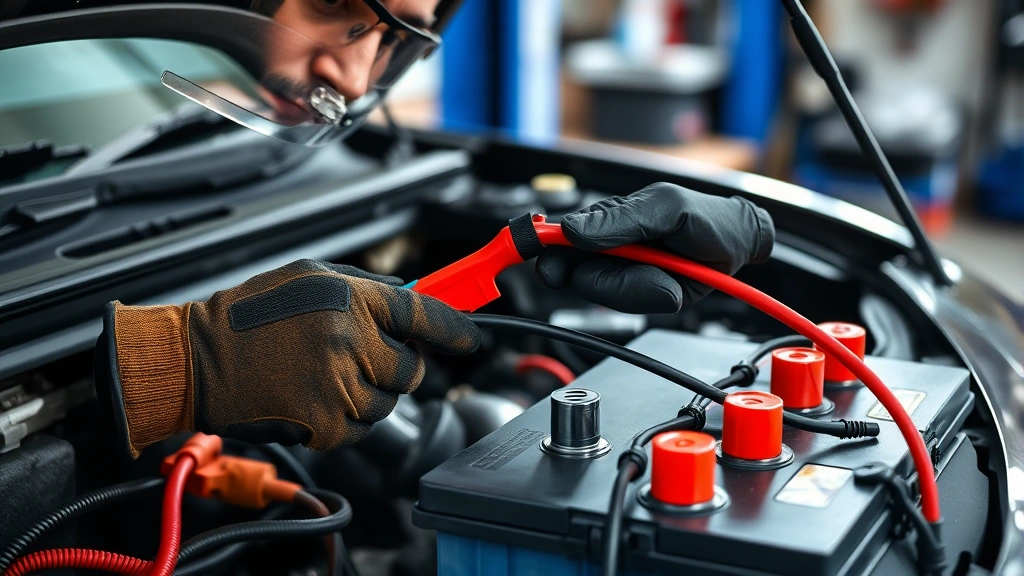
Car Battery Charging Time? Expert Insights
Car Battery Charging Time? Expert Insights
Understanding how long it takes to charge a car battery is essential for every vehicle owner. Whether you’re dealing with a dead battery from leaving lights on overnight or maintaining your battery’s health during seasonal storage, knowing the charging timeline helps you plan accordingly and avoid unnecessary stress. The charging time varies significantly based on multiple factors including the charger type, battery capacity, current charge level, and ambient temperature.
A standard car battery typically takes between 4 to 24 hours to fully charge, depending on the charging method you choose. Fast chargers can reduce this time to 30 minutes to 1 hour, while trickle chargers may require 24 to 48 hours for a complete charge. Understanding these timeframes and the variables affecting them will help you make informed decisions about battery maintenance and emergency situations.
Understanding Car Battery Basics
Modern car batteries are typically 12-volt lead-acid batteries, though some newer vehicles use 48-volt systems or hybrid lithium-ion batteries. A standard automotive battery stores electrical energy through a chemical reaction between lead plates and sulfuric acid. The battery’s capacity is measured in amp-hours (Ah), which indicates how much current the battery can deliver over one hour. Most passenger vehicles have batteries ranging from 40 to 100 Ah.
The charging process works by applying an external electrical current to reverse the chemical reaction inside the battery, restoring its ability to provide power. The rate at which this happens depends on the charging system’s amperage output and the battery’s current state of discharge. A battery that’s completely dead requires different charging considerations than one that’s merely depleted to 50 percent capacity.
Understanding your battery’s specifications is crucial for determining appropriate charging times. You’ll find this information on the battery itself or in your vehicle’s owner manual. The cold cranking amps (CCA) rating indicates the battery’s ability to start your engine in cold weather, while the reserve capacity (RC) shows how long the battery can power essential systems if the alternator fails.
Charging Methods and Time Estimates
Standard Charger (10-20 Amps)
A standard car battery charger is the most common option for home use and typically delivers 10 to 20 amps of current. With this type of charger, a completely dead 50 Ah battery requires approximately 5 to 10 hours for a full charge. These chargers are affordable, widely available from retailers like Family Handyman, and relatively safe for regular battery maintenance. They’re ideal for overnight charging when you’re not in a hurry.
Fast Charger (40-200 Amps)
Fast chargers deliver significantly higher amperage and can charge a dead battery to 80 percent capacity in 30 minutes to 1 hour. However, reaching a full 100 percent charge typically takes 2 to 3 hours because most fast chargers reduce their output as the battery approaches full capacity to prevent damage. These chargers are excellent for emergency situations but shouldn’t be used regularly as the rapid charging generates heat that can degrade battery life over time.
Trickle Charger (1-5 Amps)
Trickle chargers deliver minimal current and are designed for long-term battery maintenance rather than rapid charging. A completely dead battery can take 24 to 48 hours to charge fully with a trickle charger, but they’re ideal for maintaining batteries during winter storage or extended vehicle downtime. Many modern trickle chargers are smart chargers that automatically adjust their output to prevent overcharging.
Jump Starting (Immediate)
Jump starting using another vehicle or a portable jump starter doesn’t actually charge your battery—it provides temporary power to start your engine. Once running, your vehicle’s alternator begins charging the battery. However, you should drive for at least 20 to 30 minutes to restore adequate charge, or the battery may be too depleted to start the engine again.
Factors Affecting Charging Duration
Battery Capacity and Chemistry
Larger batteries with higher amp-hour ratings naturally require more time to charge completely. A 100 Ah battery takes twice as long as a 50 Ah battery when using the same charger. Additionally, different battery types charge at different rates. Lithium-ion batteries, increasingly found in hybrid and electric vehicles, charge faster than traditional lead-acid batteries but require specialized chargers.
Current Charge Level
A battery that’s only 25 percent depleted charges significantly faster than a completely dead battery. Most charging systems can deliver maximum amperage until the battery reaches about 80 percent capacity, then reduce output to taper the final charge. This is why the last 20 percent of charging often takes as long as the first 80 percent.
Ambient Temperature
Temperature dramatically affects charging speed and battery performance. Cold weather slows the chemical reactions inside the battery, extending charging time by 20 to 50 percent in temperatures below 32°F. Conversely, excessive heat accelerates charging but can damage the battery if temperatures exceed 80°F during the process. Optimal charging occurs between 50°F and 80°F.
Charger Quality and Type
The quality of your charger significantly impacts charging efficiency. Cheap chargers may deliver inconsistent amperage or lack temperature compensation features, extending charging times. Premium chargers with microprocessor controls automatically adjust output based on battery condition and temperature, optimizing both speed and safety.
Battery Age and Condition
Older batteries with internal damage or sulfation charge more slowly than new batteries. A battery nearing the end of its lifespan may take 30 to 50 percent longer to charge fully. This Old House recommends testing battery condition before assuming charging time estimates.
Step-by-Step Charging Guide
Preparation and Safety
- Park your vehicle in a well-ventilated area, preferably outdoors or in a garage with doors open
- Turn off the engine and all electrical systems
- Put on safety glasses and work gloves to protect against acid splashes
- Inspect the battery for visible damage, corrosion, or leaking fluid
- Remove the negative battery terminal (black cable) first, then the positive terminal (red cable)
Connecting the Charger
- Set your charger to the appropriate voltage (12V for most cars) and desired amperage
- Connect the red positive clamp to the positive battery terminal
- Connect the black negative clamp to an unpainted metal surface on the engine block, away from the battery
- Double-check all connections are secure and properly positioned
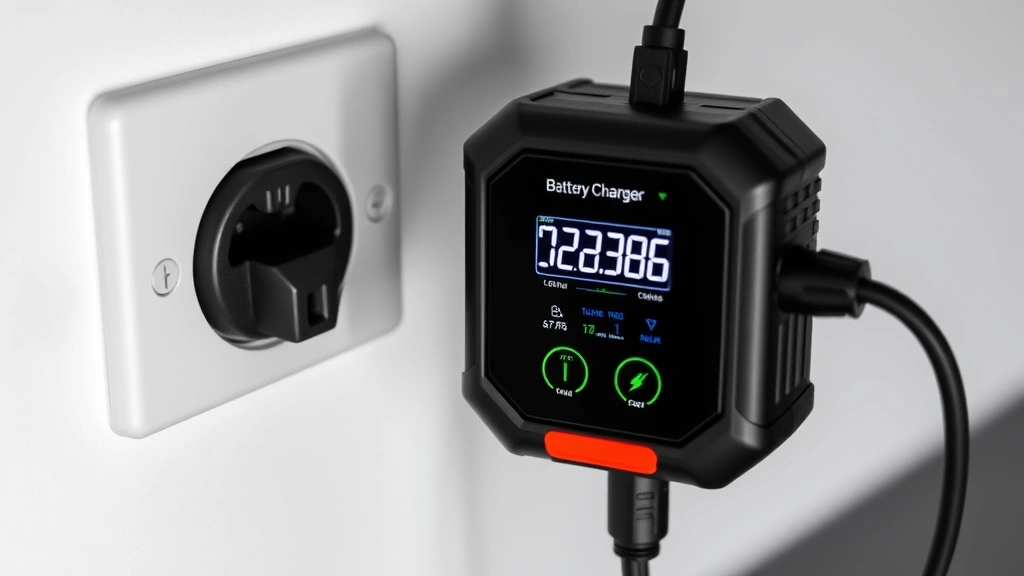
- Plug the charger into a grounded electrical outlet
Monitoring the Charge
- Turn on the charger and note the starting amperage reading
- Check the charger display every 30 to 60 minutes for progress
- Ensure the charger remains cool and the area stays ventilated
- Stop charging when the charger indicates 100 percent or the amperage drops to near zero
- Turn off the charger before disconnecting cables
Disconnecting and Testing
- Unplug the charger from the electrical outlet
- Remove the black negative clamp from the engine block
- Remove the red positive clamp from the battery terminal
- Reinstall the battery terminals in reverse order (positive first, then negative)
- Start your vehicle to confirm the battery holds charge
- Drive for at least 20 minutes to allow the alternator to restore full charge
Safety Considerations
Car battery charging involves electrical hazards and chemical risks that demand respect and proper precautions. Always wear protective equipment including safety glasses and gloves, as battery acid can cause severe burns. Never smoke or create sparks near a charging battery, as lead-acid batteries produce hydrogen gas that’s highly flammable.
Ensure proper ventilation throughout the charging process to allow hydrogen gas to disperse safely. Never charge a frozen or visibly damaged battery, as this can cause explosions. If you notice battery acid leaking or unusual swelling, dispose of the battery properly and install a replacement rather than attempting to charge it.
Never leave a charging battery unattended for extended periods, especially when using fast chargers. Check the charger periodically to ensure it’s operating normally and the battery isn’t overheating. If the battery becomes excessively hot (too hot to touch), stop charging immediately and allow it to cool.
When jump-starting from another vehicle, follow the same cable connection sequence: positive to positive, then negative to ground. Never allow the battery clamps to touch each other or metal surfaces while connected to avoid short circuits. Always consult your vehicle’s owner manual for specific charging procedures and safety requirements.
Maintenance Tips for Longevity
Proper battery maintenance extends lifespan and prevents unexpected failures. Keep battery terminals clean and free of corrosion by periodically wiping them with a mixture of baking soda and water. Corroded terminals increase resistance and reduce charging efficiency, potentially extending charge times by 10 to 20 percent.
Avoid deep discharges whenever possible, as repeatedly draining a battery to near-zero capacity significantly reduces its lifespan. Instead, recharge when the battery reaches 20 to 30 percent capacity. For vehicles in storage, use a smart trickle charger monthly to maintain optimal charge levels without overcharging.
During winter months, park your vehicle in a garage when possible to maintain warmer battery temperatures. Cold weather reduces battery capacity by 30 to 50 percent, making it harder to start your engine and requiring longer charging times. If you live in a cold climate, consider investing in a battery heater or insulation blanket.
Have your battery tested annually, especially before winter, to identify problems before they cause failures. Most auto parts retailers offer free battery testing through services like AutoZone or O’Reilly Auto Parts. Replace batteries showing weakness or age-related decline, as attempting to charge a failing battery wastes time and may damage your charger.
Ensure your vehicle’s alternator is functioning properly, as a faulty alternator won’t charge your battery while driving. If your battery repeatedly needs charging despite regular driving, have the alternator tested by a qualified mechanic. A properly functioning charging system should maintain your battery at 13.5 to 14.5 volts while the engine runs.
FAQ
How long does it take to charge a car battery with jumper cables?
Jumper cables don’t charge your battery—they provide temporary power to start your engine. Once running, your alternator begins charging. You should drive for 20 to 30 minutes to restore adequate charge, though a full recharge typically requires several hours of driving or use of a dedicated charger.
Can I charge my car battery overnight?
Yes, overnight charging with a standard 10 to 20 amp charger is safe and effective for most situations. Use a smart charger that automatically stops when the battery reaches full capacity to prevent overcharging. Avoid using fast chargers overnight, as they generate excessive heat.
What’s the fastest way to charge a dead car battery?
A 200-amp fast charger can restore an 80 percent charge in 30 to 60 minutes, making it the fastest option for emergency situations. However, reaching a full 100 percent charge takes longer due to automatic output reduction. Jump starting followed by 30 minutes of driving provides quicker temporary power restoration.
Does a car battery charge while driving?
Yes, your vehicle’s alternator charges the battery while the engine runs. A properly functioning alternator delivers 40 to 130 amps depending on engine speed and electrical load. At idle, charging is slower; highway driving at higher RPMs charges more efficiently.
How do I know when my car battery is fully charged?
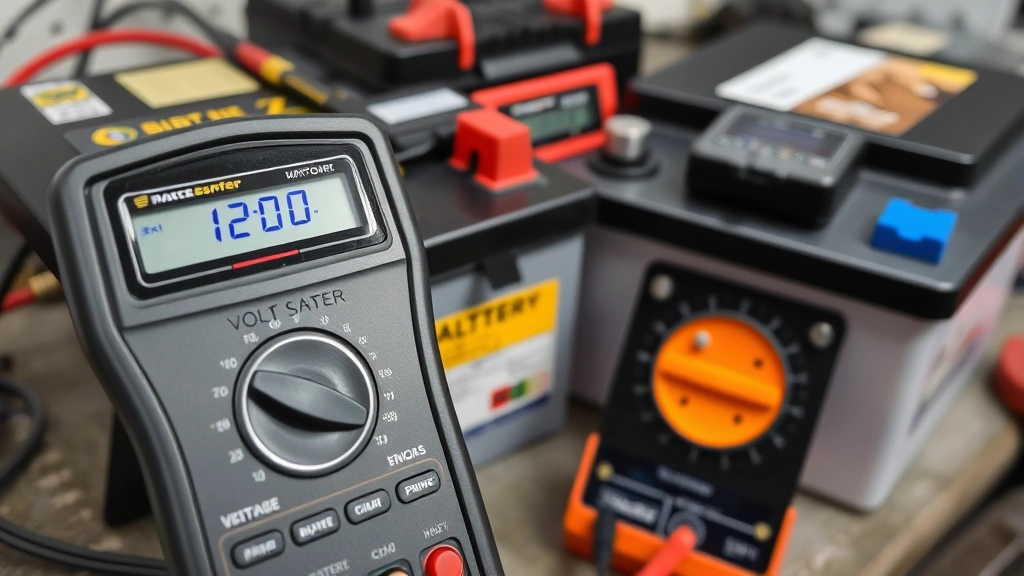
Most modern chargers display a “full charge” indicator or show amperage dropping to near zero. You can also use a multimeter to check voltage—a fully charged 12V battery reads 12.6 to 12.8 volts with the engine off. Once the battery reaches this level and the charger shows minimal amperage draw, charging is complete.
Is it bad to charge a car battery too fast?
Frequent fast charging can reduce battery lifespan by 10 to 20 percent due to heat generation and internal stress. However, occasional fast charging for emergencies won’t cause permanent damage. Reserve fast chargers for situations where quick restoration is necessary, and use standard chargers for routine maintenance.
What should I do if my battery won’t hold a charge?
If your battery repeatedly loses charge despite proper charging, it likely has internal damage or sulfation. Have it tested professionally—if testing confirms failure, replace the battery. Attempting to revive a failed battery wastes time and money; most dead batteries are more cost-effective to replace than repair.

Related Posts

Superscript in Google Docs: Expert Tips

Strikethrough in Excel: Easy Steps for Beginners
