
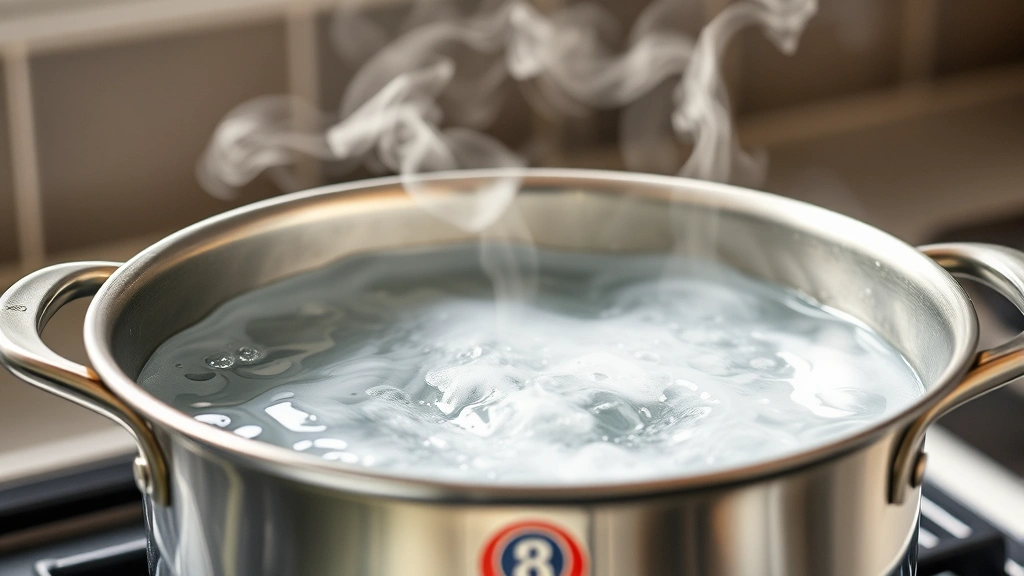
How Long Does It Take for Water to Boil? Explained
How Long Does It Take for Water to Boil? Explained
There’s something almost meditative about watching a pot of water heat up, waiting for those first bubbles to break the surface. Yet for many home cooks, this simple act becomes a source of frustration—especially when you’re hungry and wondering if you’re doing something wrong. The truth? Boiling water isn’t as straightforward as it seems, and the answer to “how long does it take for water to boil?” depends on far more than just turning up the heat.
Whether you’re preparing pasta, sterilizing equipment, or simply making a cup of tea, understanding the variables that affect boiling time can save you time in the kitchen and help you become a more confident cook. We’ll dive into the science behind boiling, explore the factors that influence heating times, and give you practical strategies to speed things up when you need them most.
The reality is that most people underestimate just how many variables come into play. From the type of pot you’re using to your elevation above sea level, nearly everything impacts how quickly water reaches that rolling boil. Let’s break it down.
The Basic Timeline: What to Expect
On average, a standard pot of water—about 2 quarts—takes roughly 5 to 10 minutes to reach a full boil when using a conventional stovetop. However, this timeframe is deceptively simple. A smaller kettle might boil in just 2-3 minutes, while a large stockpot could take 15-20 minutes or longer. If you’re using an electric kettle, expect the process to be significantly faster, typically 3-5 minutes depending on the kettle’s wattage.
The key distinction here is understanding what “boiling” actually means. A gentle simmer with small bubbles forming isn’t the same as a rolling boil with vigorous bubbling throughout. Most recipes call for a true rolling boil, which is the point where the water is at 212°F (100°C) at sea level and bubbles are rapidly breaking the surface.
When you’re looking at how long does water take to boil, you’re really asking about reaching that critical temperature threshold. Different cooking applications require different levels of boiling intensity, which we’ll explore throughout this guide.
Factors That Affect Boiling Time
Several interconnected variables determine exactly how long your water will take to boil. Understanding these factors gives you control over the process rather than leaving it to chance.
Water Volume: This is the most obvious factor. More water requires more energy to heat. Doubling the amount of water roughly doubles the heating time. A cup of water boils much faster than a gallon, which is why kettles are so efficient—they’re designed for smaller quantities.
Starting Water Temperature: Hot tap water heats faster than cold water. If you start with hot water from the tap, you might shave off 1-2 minutes from the total time. Some experienced cooks always fill pots with hot water for this reason, though it’s worth noting that cold water is preferred for certain cooking applications where you need precise temperature control.
Altitude: Water boils at lower temperatures at higher elevations. At sea level, water boils at 212°F, but at 5,000 feet elevation, it boils at 202°F. This affects not just boiling time but also cooking times for foods. Residents of Denver or other high-altitude cities often find their cooking takes longer overall.
Pot Material and Size: Copper and aluminum conduct heat much more efficiently than stainless steel. A wide, shallow pot heats faster than a tall, narrow one because there’s more surface area in contact with the heating element. This is why how long to boil potatoes can vary based on your cookware choice.
Stove Type: Gas burners reach maximum temperature faster than electric coils, though electric burners eventually deliver consistent heat. Induction cooktops are the fastest, heating compatible cookware nearly instantaneously through electromagnetic energy transfer.
Lid Usage: Covering your pot with a lid traps steam and heat, significantly reducing boiling time by 25-50%. This is one of the easiest ways to speed up the process.
The Science Behind the Boil
Understanding what happens at the molecular level makes the boiling process less mysterious. Water molecules are constantly in motion, vibrating and bouncing around. As heat energy increases, these molecules move faster and faster. When enough energy is applied, molecules at the surface gain enough speed to escape into the air as vapor—this is evaporation.
Boiling is different from simple evaporation. It occurs when the vapor pressure of the liquid equals the atmospheric pressure pushing down on it. At this point, bubbles can form throughout the liquid, not just at the surface. These bubbles are pockets of water vapor that rise to the surface because they’re less dense than the surrounding liquid.
The temperature at which this happens depends on atmospheric pressure. At sea level, with standard atmospheric pressure, water boils at 212°F. But if you reduce the atmospheric pressure—by going to higher altitude or using a vacuum—water boils at lower temperatures. Conversely, in a pressure cooker where atmospheric pressure is increased, water can reach much higher temperatures before boiling, which is why pressure cookers cook food faster.
This is also why how long to boil chicken changes dramatically if you’re using a pressure cooker versus a regular pot. The physics of the boiling process fundamentally changes the cooking dynamics.
Pot Selection and Material Matters
Your choice of cookware has a surprisingly significant impact on boiling time. Let’s break down the different materials and their thermal properties.
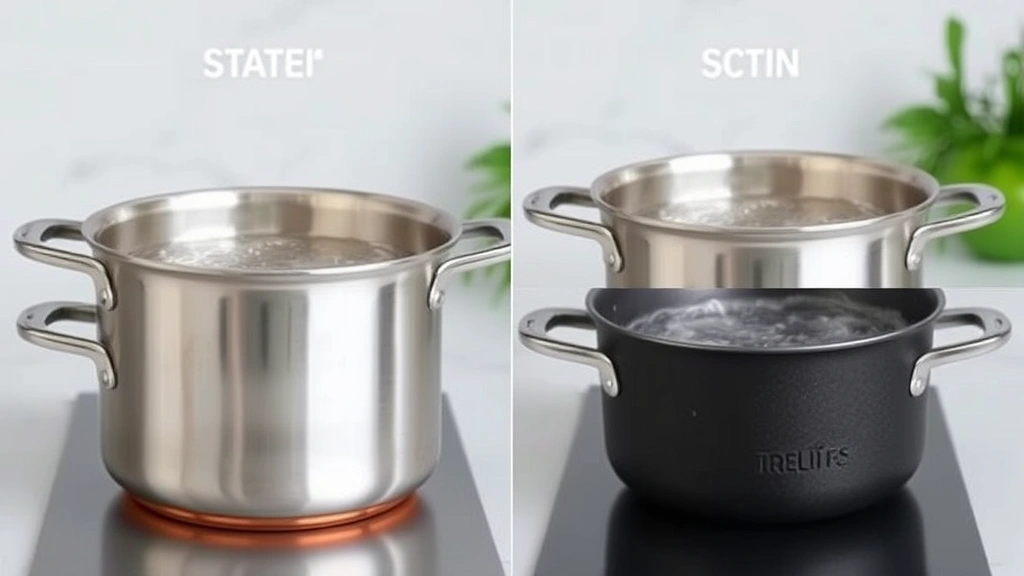
Copper: Copper is an excellent conductor of heat, making it one of the fastest options for boiling water. Copper-bottomed stainless steel pots offer the best of both worlds—copper’s heat conductivity with stainless steel’s durability and appearance. These pots typically heat water about 20-30% faster than pure stainless steel.
Aluminum: Aluminum conducts heat nearly as well as copper and is much more affordable. It’s lightweight and heats quickly, though it can react with acidic foods. Many commercial kitchens use aluminum pots for boiling water and stocks for this reason.
Stainless Steel: While stainless steel doesn’t conduct heat as efficiently as copper or aluminum, it’s durable, doesn’t react with foods, and maintains its appearance over time. Most home cooks use stainless steel cookware because it’s a good all-around choice, even if it’s not the fastest option.
Non-Stick Coatings: Pots with non-stick coatings typically heat more slowly because the coating acts as an insulator. They’re great for cooking eggs or delicate foods, but not ideal if speed is your priority.
Pot Shape and Size: A wide, flat-bottomed pot heats faster than a narrow, deep one. The wider the base, the more contact between the heating element and the pot, allowing faster heat transfer. However, a narrower pot with higher sides might be better for preventing boil-overs and for certain cooking tasks.
For maximum efficiency, choose a pot with a copper or aluminum base, a wide diameter, and a lid. This combination will give you the fastest boiling times for most kitchen tasks.
Practical Tips to Speed Up Boiling
If you’re looking to cut down on boiling time, these strategies actually work.
Use a Lid: This is the single most effective method. A lid reduces boiling time by up to 50% by trapping heat and steam. Simply placing a lid on your pot the moment you turn on the heat can save several minutes.
Start with Hot Water: Using hot tap water instead of cold water can reduce boiling time by 1-2 minutes. This is a small gain but adds up over time, especially if you boil water frequently.
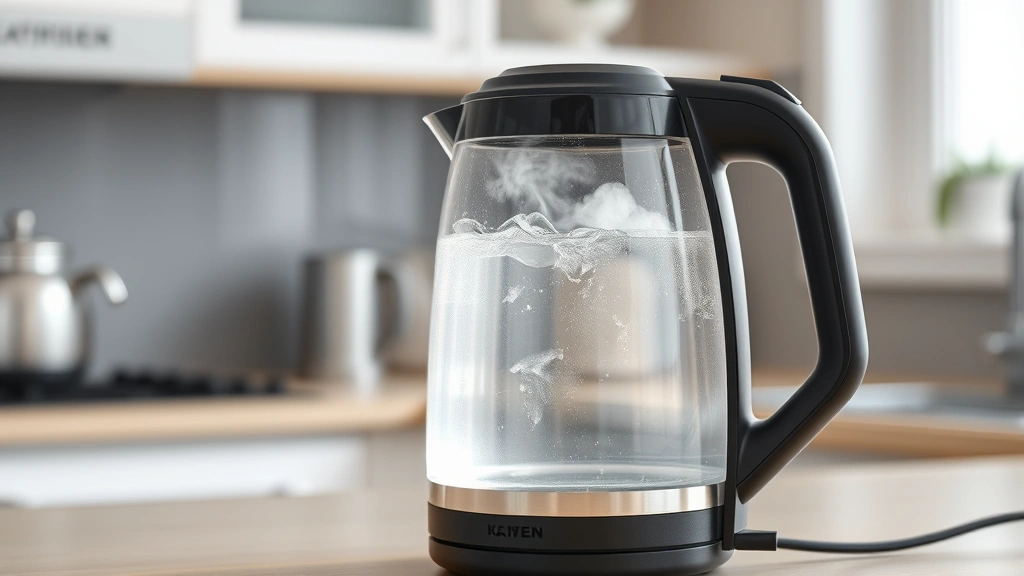
Use a Kettle Instead of a Pot: Electric kettles are engineered for speed and use high wattage to heat water efficiently. They’re typically 2-3 times faster than stovetop methods. For how to make French press coffee, an electric kettle is practically essential.
Fill Only What You Need: This seems obvious, but many people fill pots with more water than necessary. Fill your pot with just enough water for your task. Less volume means faster heating.
Use an Induction Cooktop: If you’re considering kitchen upgrades, induction cooktops heat water faster than any other stovetop method. They use electromagnetic energy to directly heat compatible cookware, with almost no energy loss.
Clean Your Pot Bottom: Mineral deposits and residue on the bottom of your pot reduce heat transfer efficiency. A clean pot transfers heat more effectively. Regularly cleaning your cookware can actually improve boiling times.
Position Your Burner Correctly: Make sure your pot is centered on the burner. An off-center pot doesn’t make full contact with the heat source, reducing efficiency.
Use Maximum Heat: While it might seem obvious, some people use medium heat thinking it’s more energy-efficient. For boiling, use the highest heat setting. Once the water boils, you can reduce heat to maintain a simmer for cooking.
Common Mistakes That Slow You Down
Understanding what not to do is just as important as knowing what to do.
Leaving the Lid Off: This is the biggest mistake. An uncovered pot loses heat through steam, dramatically increasing boiling time. Always use a lid unless you have a specific reason not to.
Using a Pot That’s Too Large: A huge stockpot filled with just a quart of water is inefficient. The excess pot material needs to be heated, wasting energy. Match your pot size to your water volume.
Starting with Cold Water from the Tap: While cold water is sometimes necessary for specific recipes, if you don’t have a particular reason to use cold water, starting with hot water saves time.
Not Cleaning Your Cookware: Mineral deposits and burnt-on food create an insulating layer that slows heat transfer. Maintaining clean cookware improves efficiency across all cooking tasks.
Using Low or Medium Heat: Some people worry about boil-overs and use lower heat. While this prevents splashing, it dramatically increases boiling time. Use high heat to boil, then adjust as needed once boiling begins.
Covering with the Wrong Type of Lid: A glass lid allows you to see inside without removing it, which is helpful. However, any lid—even a baking sheet or aluminum foil—traps heat effectively. The material matters less than the fact that you’re covering the pot.
Boiling Water for Specific Cooking Tasks
Different cooking applications have different requirements, and understanding these helps you boil water appropriately.
Pasta: Bring water to a rolling boil before adding pasta. Most pasta needs about 8-12 minutes in boiling water. The initial boil is crucial for proper texture.
Steaming Vegetables: For how long to steam broccoli, you only need to bring water to a boil before placing the steamer basket above it. A gentle rolling boil is sufficient—you don’t need vigorous boiling.
Making Tea: Different teas require different water temperatures. Black tea needs water at 212°F (boiling), but green and white teas prefer 160-180°F water. Understanding this prevents over-extracting delicate teas. For detailed guidance, check out how to make tea properly.
Cooking Chicken: When how long to boil chicken, bring water to a rolling boil first, then add chicken. Maintain a gentle boil throughout cooking—vigorous boiling can make chicken tough and stringy. Typically, chicken breasts take 12-15 minutes, while thighs take 15-20 minutes.
Sterilizing Equipment: If you’re sterilizing jars or equipment, you need water at a full rolling boil for the required time (usually 10-15 minutes, depending on what you’re sterilizing). This kills bacteria and ensures safety.
Canning: Canning recipes have specific boiling water requirements. The water must reach a rolling boil and maintain that temperature for the specified time to ensure food safety. This is where understanding boiling becomes critical for food preservation.
For more detailed information on specific cooking tasks, resources like This Old House offer comprehensive guides on kitchen techniques, while Family Handyman provides practical home and kitchen solutions.
Frequently Asked Questions
Does adding salt to water make it boil faster?
This is a common misconception. Salt actually raises the boiling point of water slightly, making it boil at a temperature marginally higher than 212°F. However, the effect is so minimal that it doesn’t meaningfully speed up boiling time. Salt is added to cooking water for flavor and to help pasta cook properly, not to speed up boiling. The “boil faster” myth likely persists because salted water is often added to already-boiling water, creating the impression that salt speeds things up.
Is it safe to boil water in the microwave?
Yes, microwaving water is safe, though it heats unevenly. Microwave the water in a microwave-safe container for 2-3 minutes for a cup, checking periodically. Be careful when removing it—superheated water can suddenly boil violently if disturbed. A wooden stick or microwave-safe object in the container helps prevent this. For most purposes, a kettle is safer and faster.
Why does water sometimes take longer to boil the second time?
Once water has boiled and cooled, dissolved gases have been released. When you reheat it, there are fewer dissolved gases to form bubbles, so the water heats more quickly the second time. However, if your second batch seems slower, it might be because you’re using a cooler pot or there’s mineral buildup from the first boil.
Can you boil water in a slow cooker?
Technically yes, but it’s inefficient. Slow cookers are designed for low, steady heat over long periods. Boiling water in a slow cooker can take 30-60 minutes or longer, depending on the model. Use a stovetop or kettle for boiling water—slow cookers excel at different tasks.
Does the type of water affect boiling time?
Hard water (mineral-rich) and soft water boil at essentially the same temperature and take similar times to reach boiling. However, hard water leaves mineral deposits on cookware, which can slow future boiling. Distilled water boils at the same rate as tap water but won’t leave mineral deposits.
How do I know when water is truly boiling?
True boiling means vigorous bubbles rapidly breaking the surface throughout the entire pot, not just around the edges. At sea level, this occurs at 212°F. You’ll hear it too—a rolling boil produces an unmistakable sound. A gentle simmer with occasional bubbles forming is not a true boil.
Does the color of the pot affect boiling time?
Color doesn’t directly affect boiling time, but darker colors do absorb slightly more heat than lighter colors. The difference is negligible compared to material composition and pot thickness. Material and thermal conductivity matter far more than color.
Why does my water boil over?
Boil-overs happen when starch or proteins in the water create foam that rises above the pot’s rim. Pasta water is notorious for this. Prevent boil-overs by: using a larger pot, reducing heat slightly once boiling begins, placing a wooden spoon across the top of the pot, or adding a bit of oil to the water (though this isn’t ideal for all recipes).
Can I speed up boiling by opening the lid repeatedly?
No, opening the lid releases heat and actually slows boiling. Resist the urge to check on your water—let it do its thing under the lid. Most pots are transparent enough that you can see boiling from the side without lifting the lid.
Is there a difference between boiling and reaching 212°F?
At sea level, boiling and reaching 212°F are the same thing. However, at higher altitudes where atmospheric pressure is lower, water boils at temperatures below 212°F. The physical phenomenon of boiling (vapor pressure equaling atmospheric pressure) occurs at different temperatures depending on altitude.

Related Posts

How Long to Boil Lobster Tails: Cooking Guide

How Long to Fly from New York to London? Travel Times
